
Patio furniture gets picked the same way indoor furniture does more often than it should — by looks alone, with weather and actual use as an afterthought.
That approach is how a beautiful set ends up faded, rusted or simply uncomfortable within a season.
This covers the actual decision process, not just a list of styles.
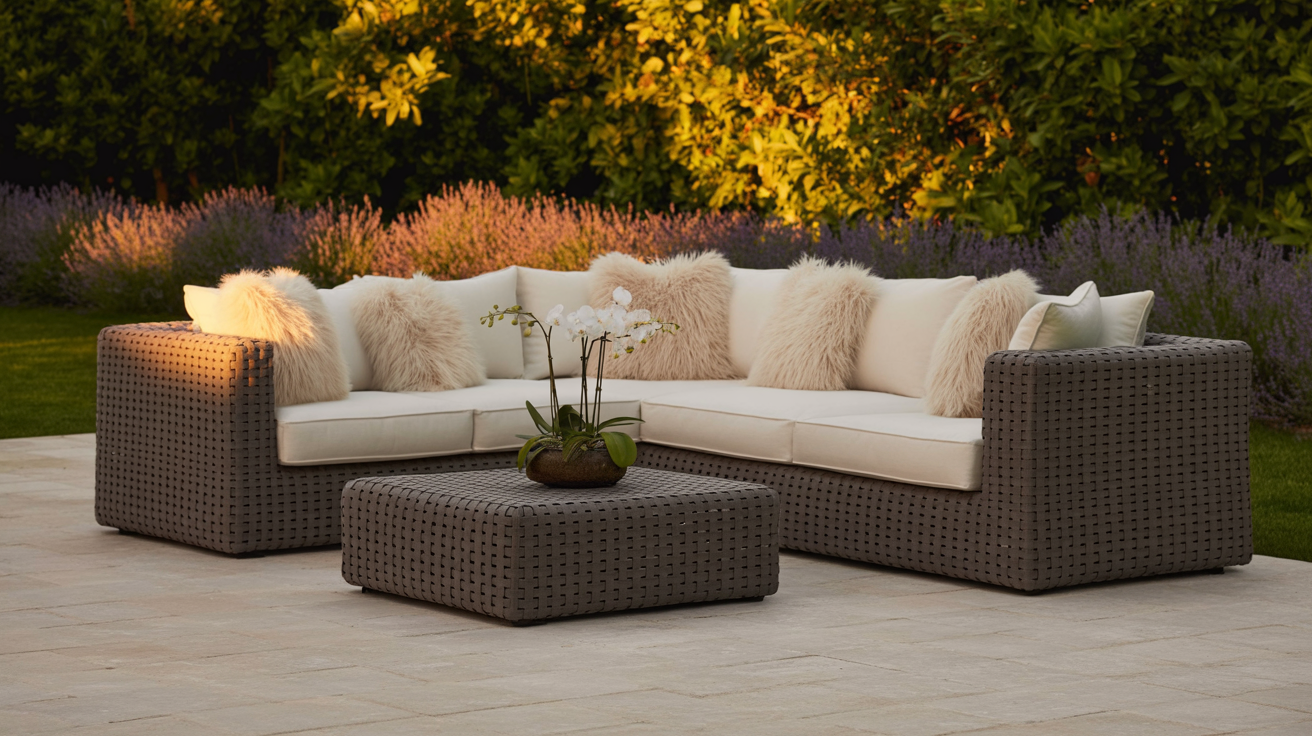


Know the Space First
The patio's actual dimensions, sun exposure and typical wind conditions should shape the furniture decision before a single style preference enters the picture.
Measuring the space and mapping out traffic flow before shopping prevents the common mistake of furniture that's technically pretty but practically too large.


Match Furniture to Actual Lifestyle
A household that hosts often needs different furniture than one that mostly uses the patio for quiet morning coffee.
Being honest about how the space actually gets used, rather than how it might get used, leads to furniture that gets real daily value.

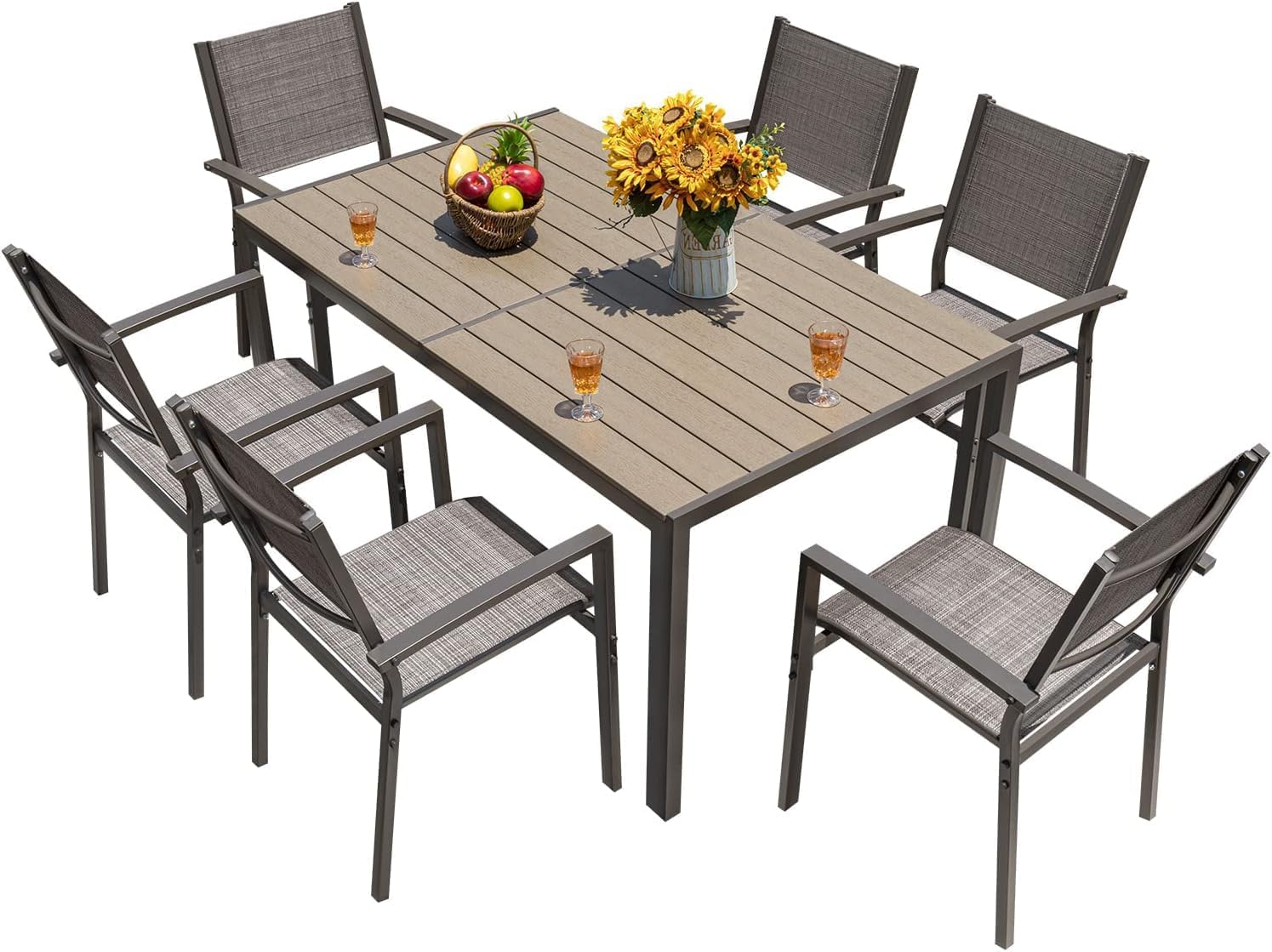

Choose Materials for the Actual Weather
Teak and aluminum both handle moisture and sun well; wicker and certain fabrics need more protection or seasonal storage to last.
The local climate matters more here than personal material preference — a material that thrives in a dry climate may not survive a humid one.


Prioritize Comfort, Not Just Looks
Furniture that looks stunning in photos but is genuinely uncomfortable to sit in for more than a few minutes defeats the whole purpose of an outdoor living space.
Testing seating in person, when possible, catches comfort problems that photos and descriptions can't.



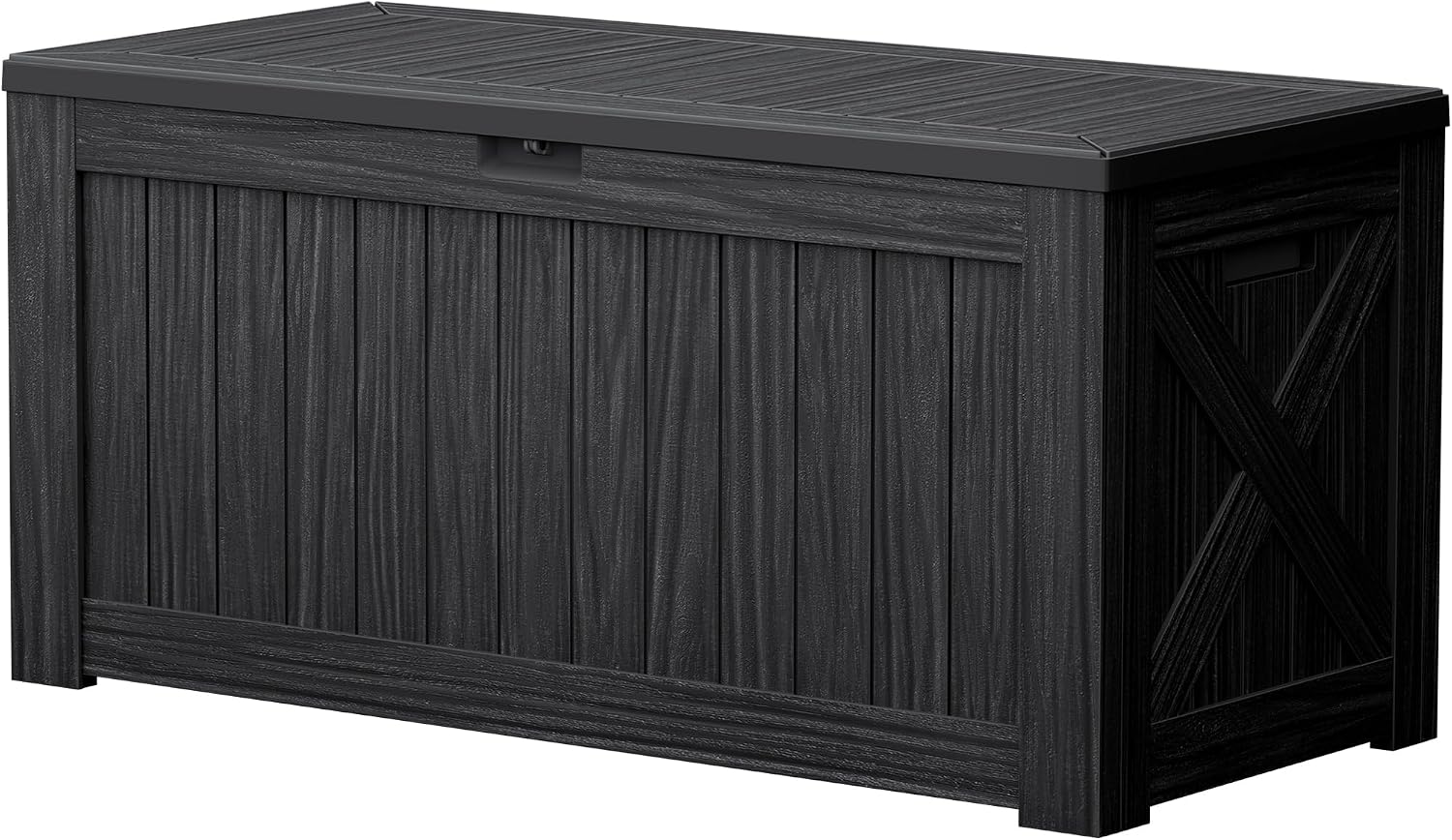
Think About Storage
Furniture that can fold, stack, or otherwise be stored compactly during harsh weather or the off-season lasts considerably longer than furniture left exposed year-round.
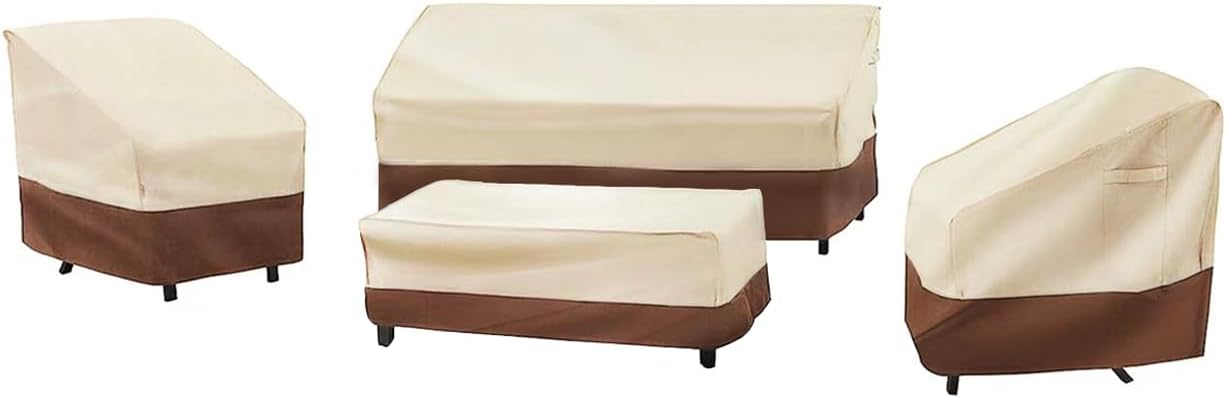
This is worth factoring in before purchase, not realized only after the first furniture cover fails.


Factor In Maintenance
Some materials need regular sealing, cleaning or covering; others can be hosed off and left alone.
Being realistic about how much upkeep will actually happen, rather than how much ideally should happen, leads to furniture that stays looking good.


Pick a Style That Feels Right
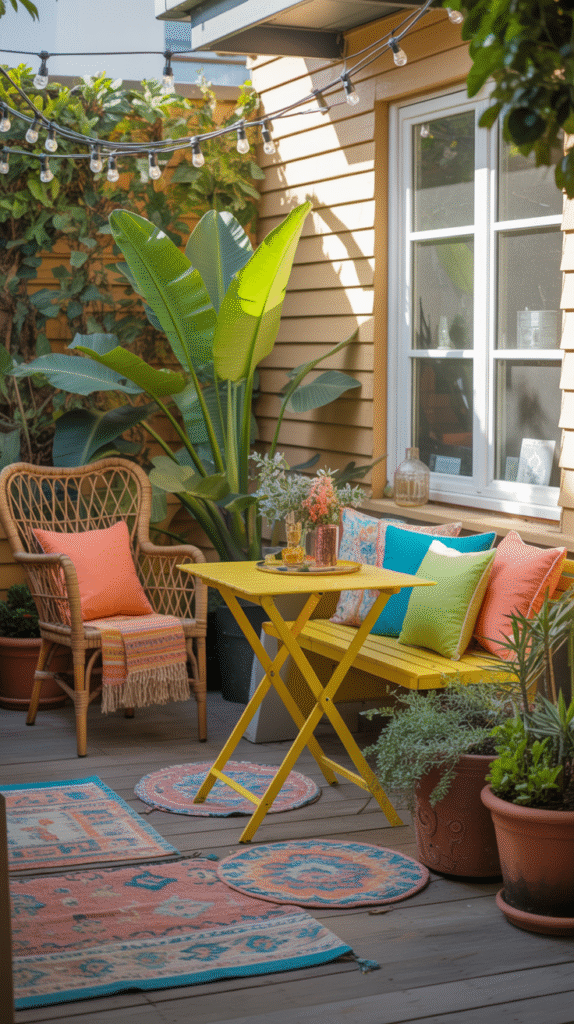
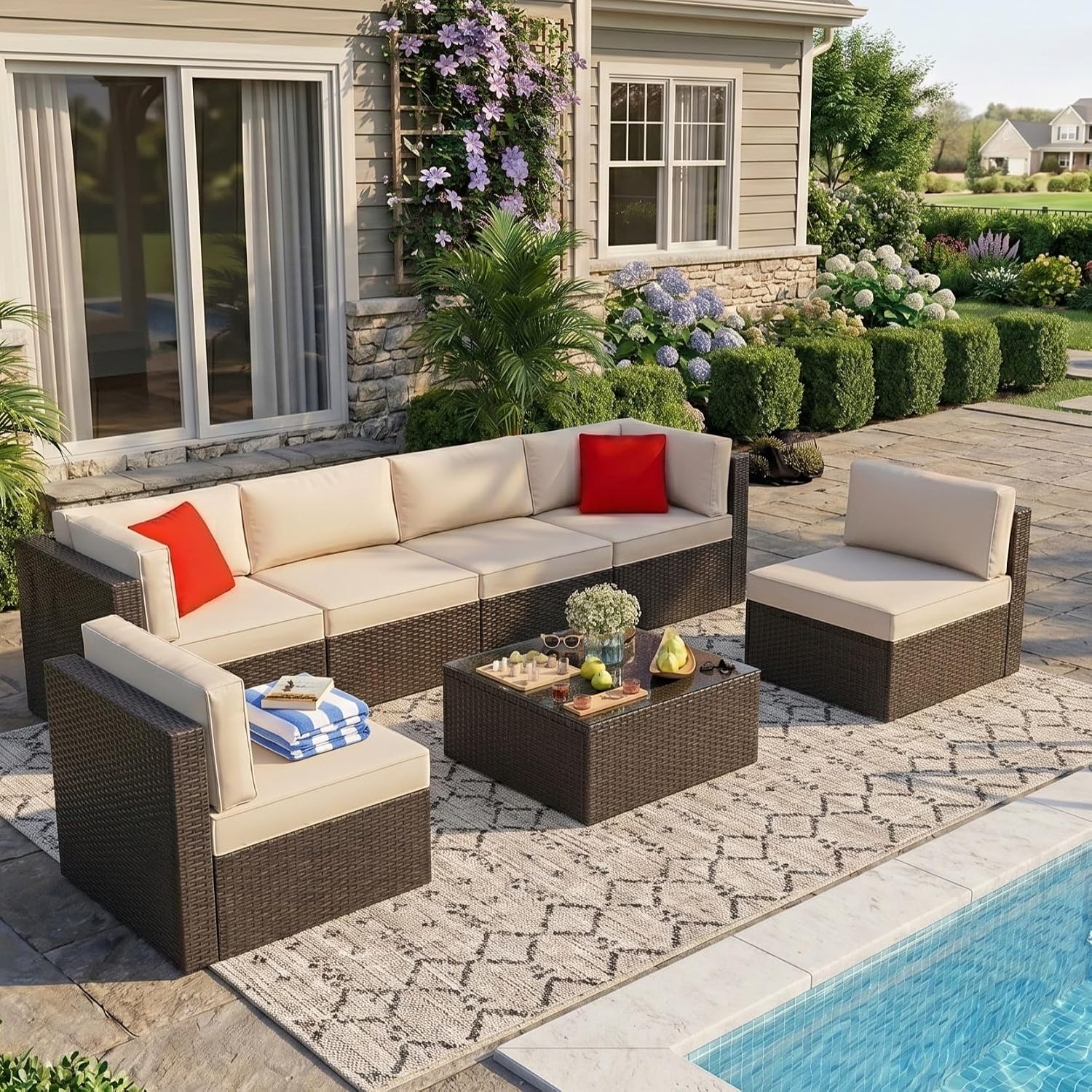
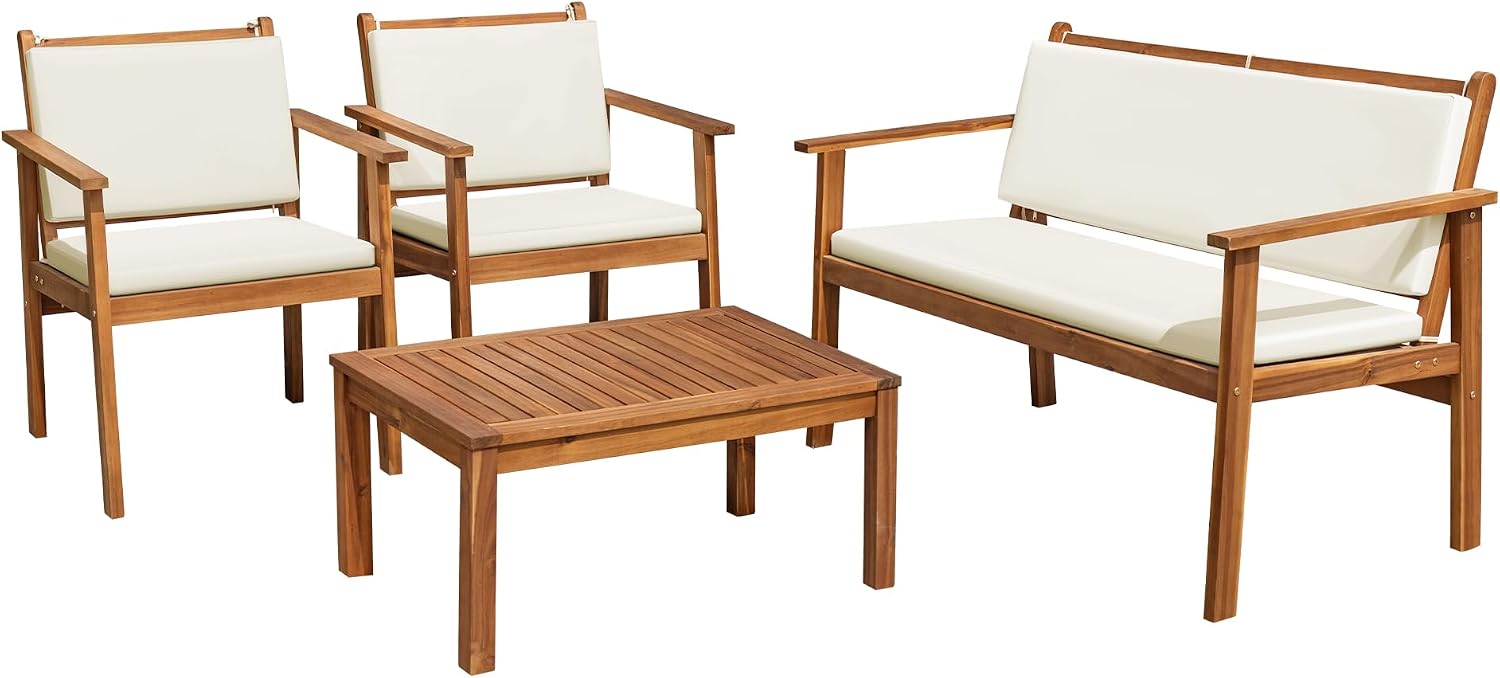
Outdoor furniture deserves the same style consideration as indoor furniture — it's an extension of the home, not a separate, lower-priority category.
A style that complements the home's existing architecture and interior tends to feel more cohesive than one chosen in isolation.
Set a Real Budget
Spending more on frame durability and weather resistance pays off longer than spending more on trend-driven style details.
A smaller, higher-quality furniture set generally outperforms a larger, cheaper one that needs replacing within a couple of seasons.


You've Got This
None of these 8 factors need to be weighed with equal priority for every household.
Start with the space and actual lifestyle, since both shape every other decision, then work through materials, comfort and budget from there.
The right patio furniture earns its keep for years, not just one good-looking season.