
A coffee station lives or dies on where it's placed, more than how it's styled.
The right spot gets used every single morning. The wrong one turns into a shelf nobody touches after the first week.
Before picking a style from the list below, it's worth working through placement and daily workflow first.
That's what actually determines whether a coffee station earns its spot in the kitchen.


Why a Dedicated Spot Actually Matters
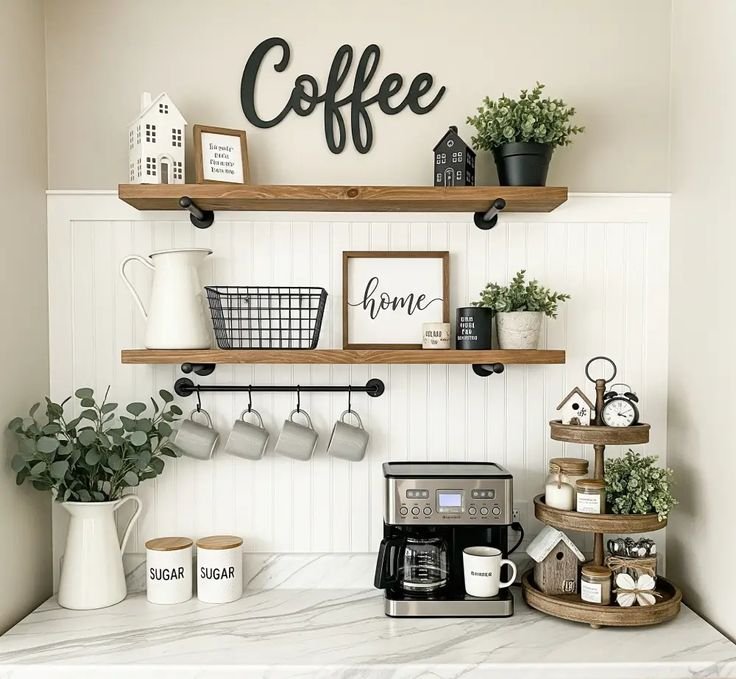
A coffee station isn't just decor — it clears the main counters of daily clutter and gives coffee-making its own defined zone.
That matters more in a shared kitchen, where counter space gets fought over every morning.
A dedicated spot also means supplies stay in one place instead of scattered across three different cabinets.
The visual upgrade is a nice side effect, but the daily function is what makes it worth setting up at all.


What Makes One Actually Get Used
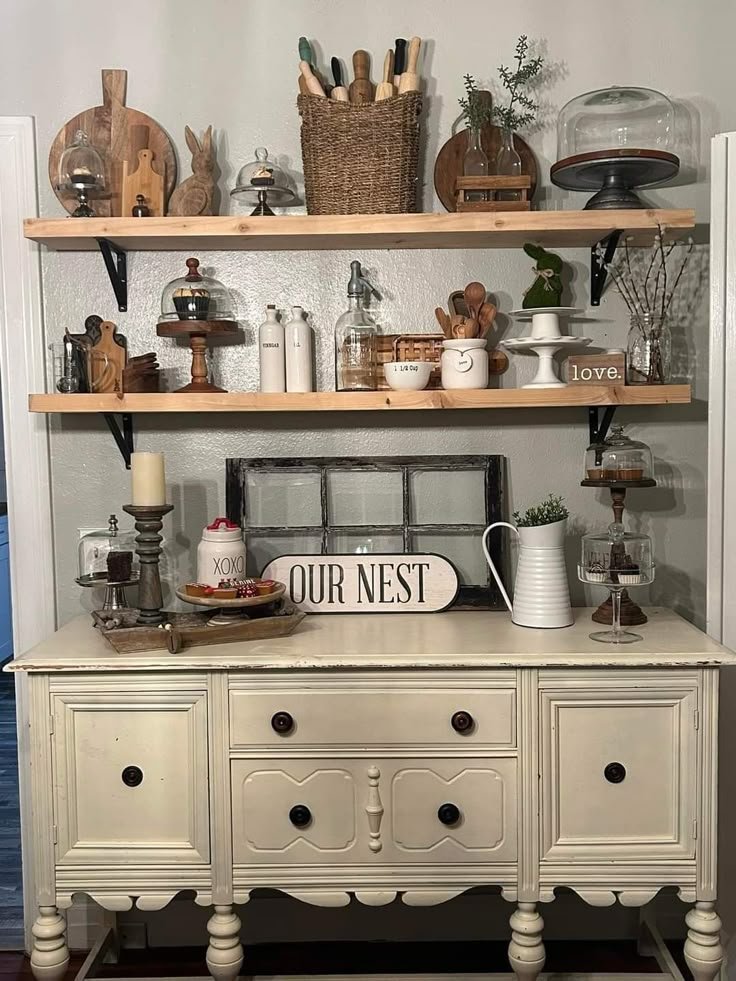
A coffee station that looks good in a photo but takes five extra steps to use every morning won't last.
The machine, mugs, and daily essentials need to live within arm's reach of each other.
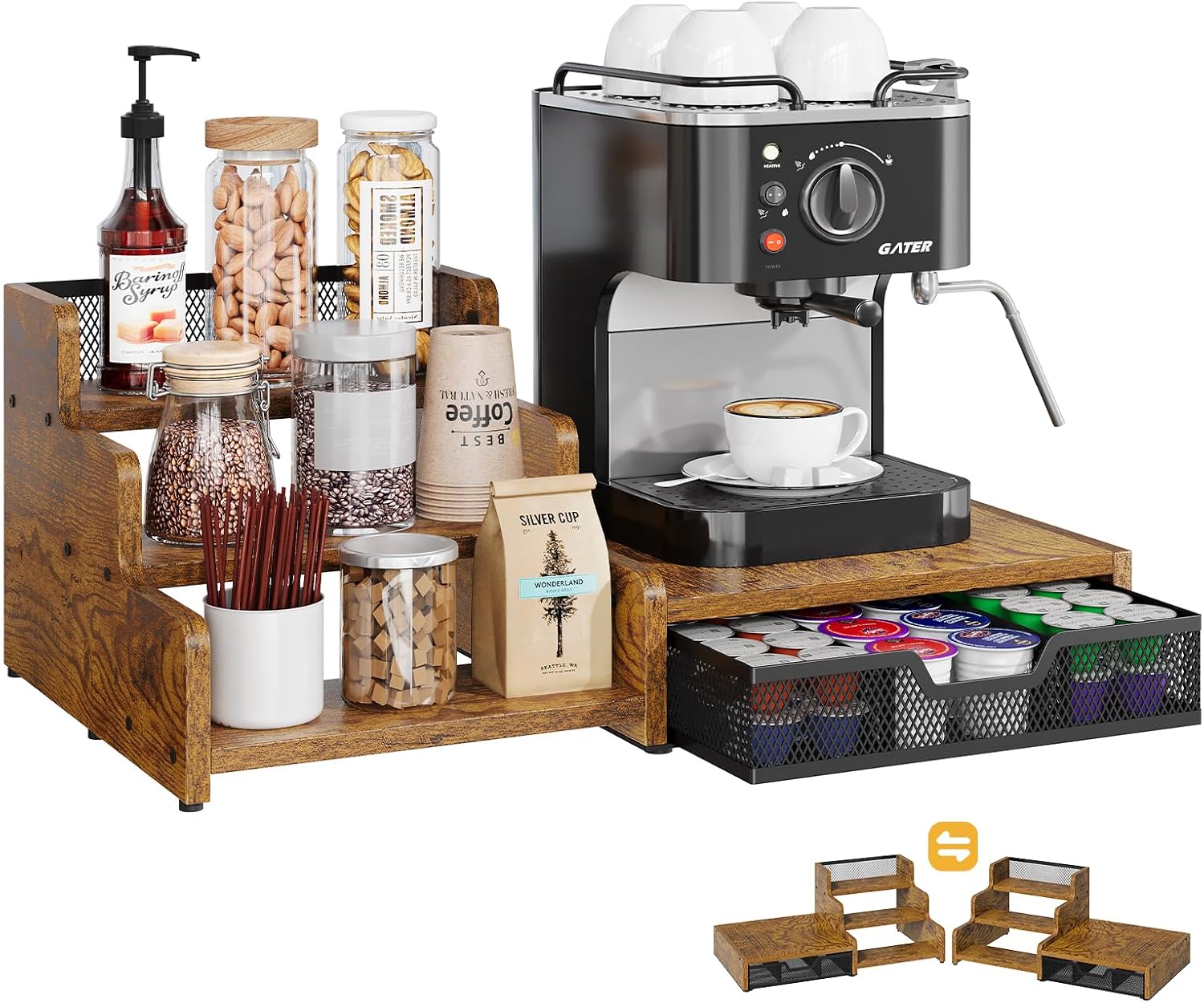
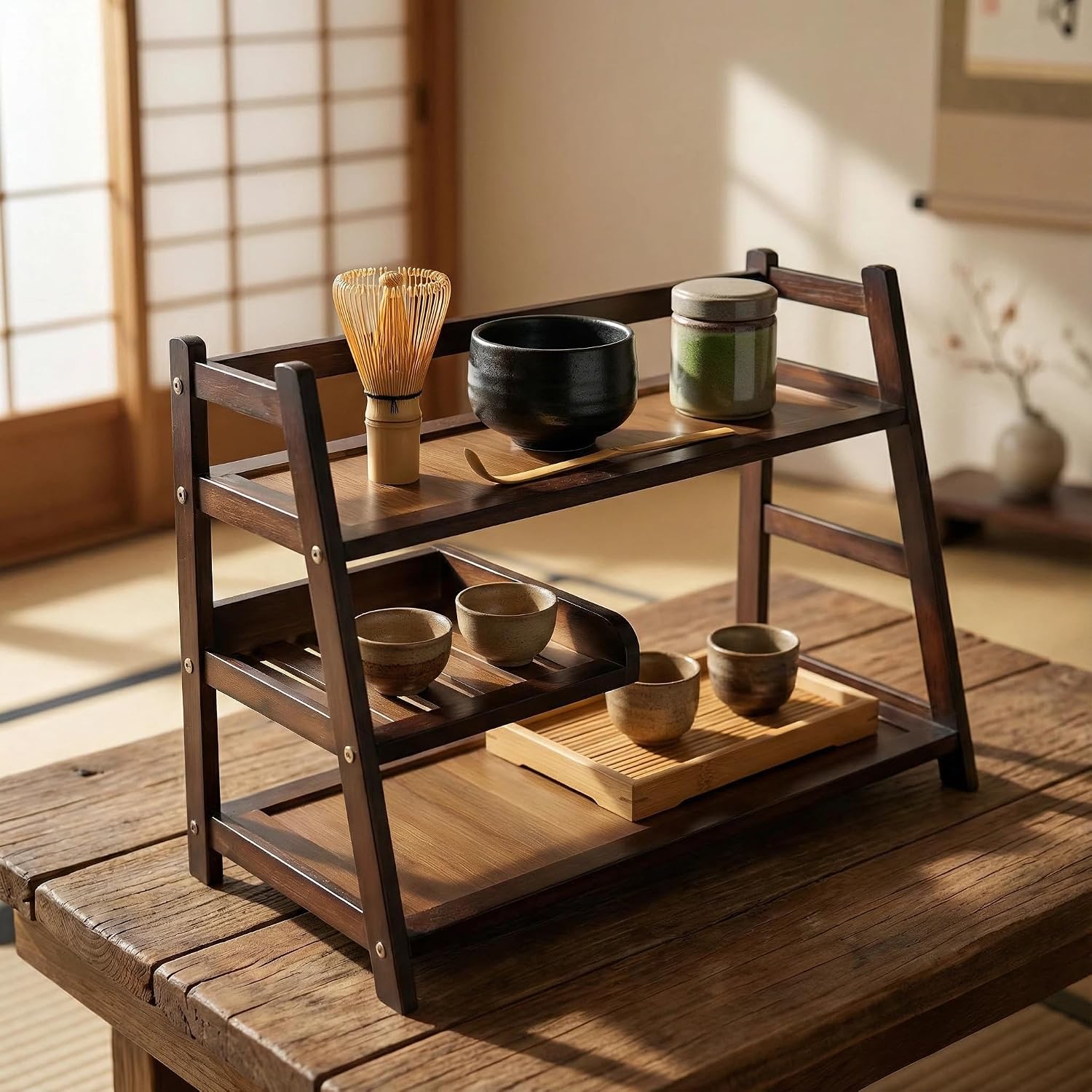
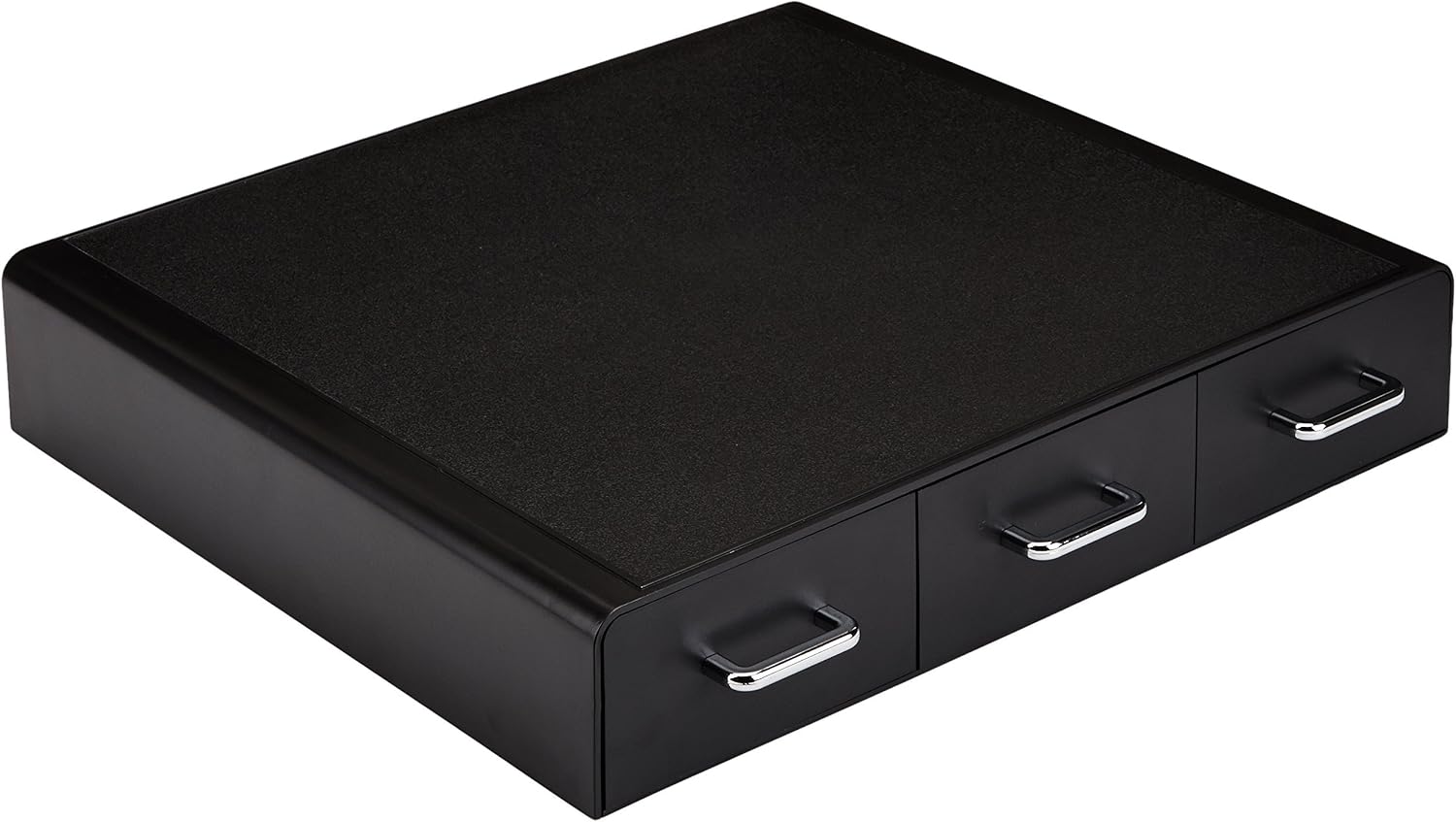
A tiered stand or small tray keeps syrups, sweeteners and filters from spreading across the counter.
The goal is a setup that's faster to use than making coffee anywhere else in the kitchen, not just a nicer-looking one.


Choosing the Right Spot
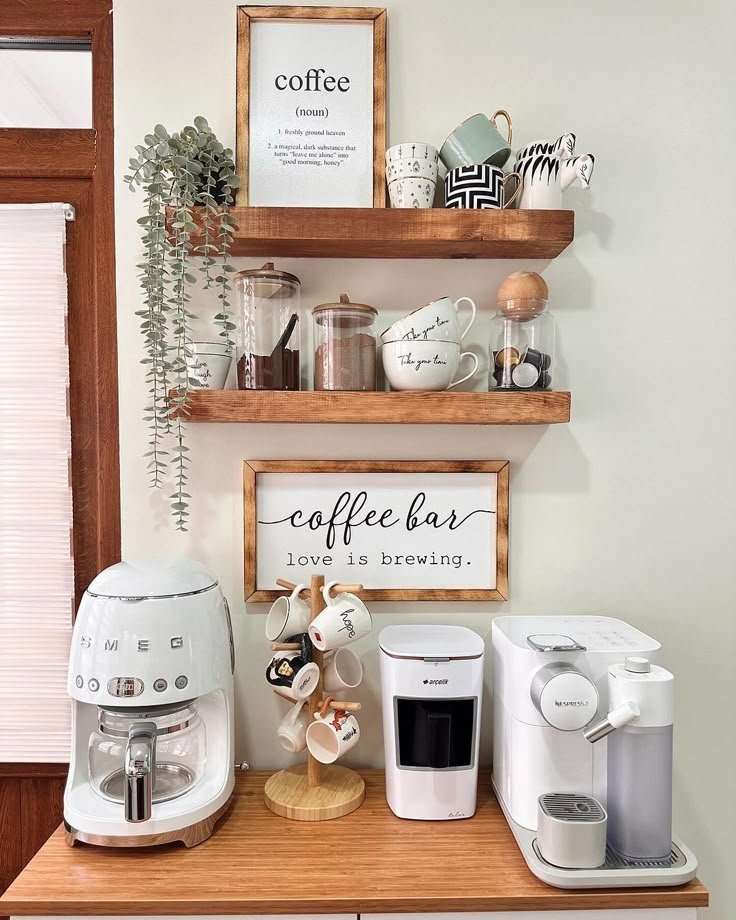
Near an outlet is non-negotiable — an extension cord running across a counter defeats the whole purpose.
Close to the sink makes rinsing the carafe or filling the kettle a non-event instead of a trip across the kitchen.
A spot with a little visual separation from the main cooking area keeps coffee clutter from mixing into dinner prep chaos.
An awkward, underused corner is often the best fit — it puts dead space to work instead of competing with prime counter real estate.


1. Rustic Wood
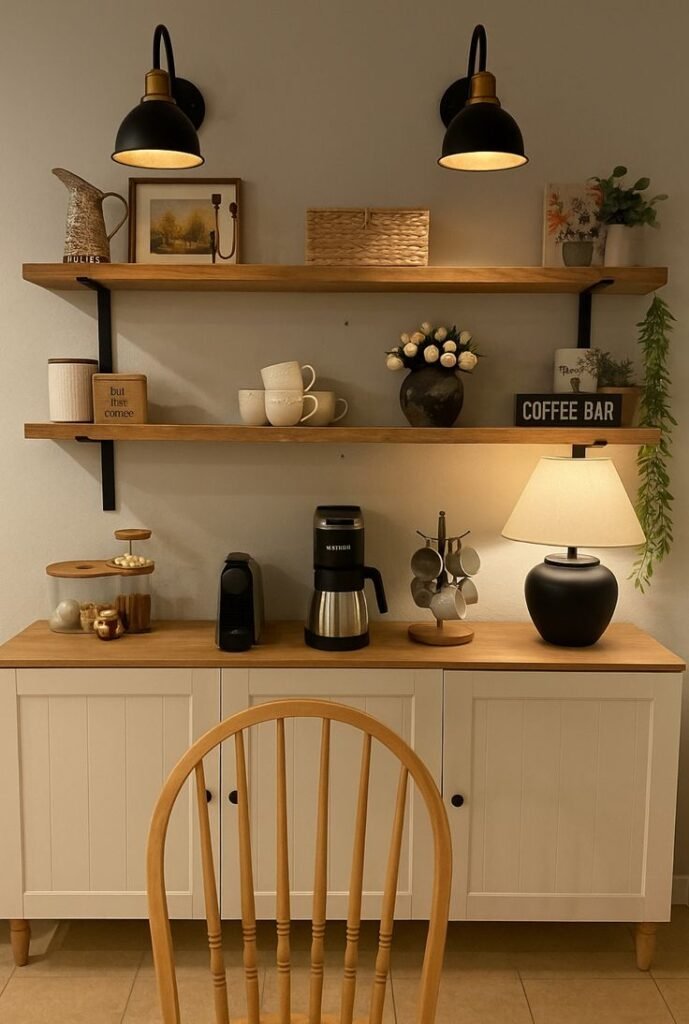
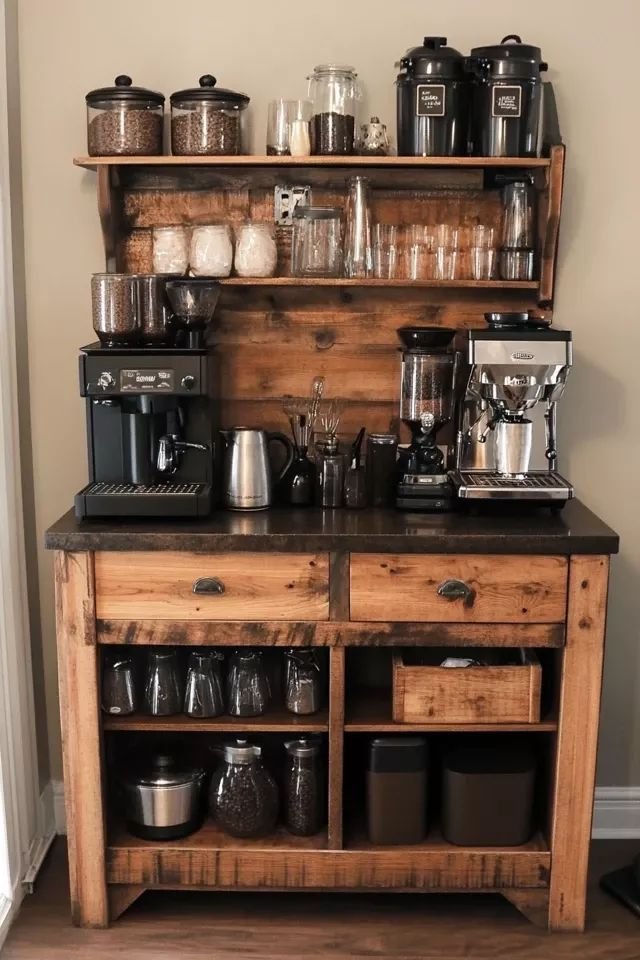
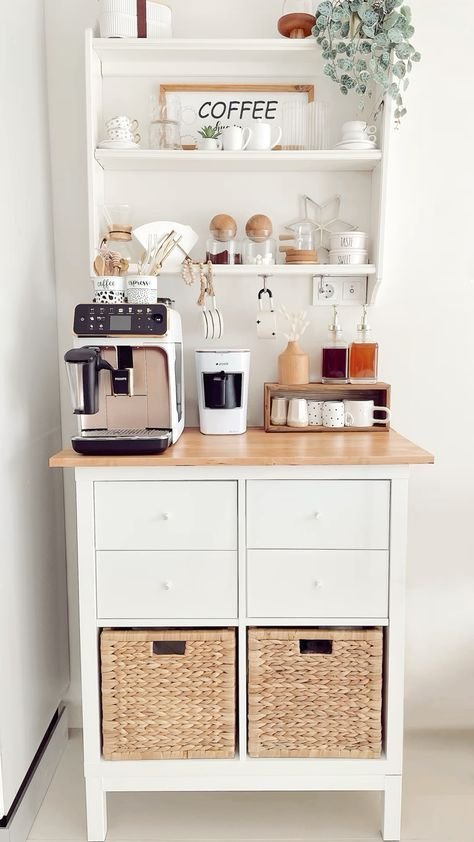
Warm wood tones — a butcher block surface, open wood shelving, woven baskets — bring a cozy, cabin-like feel to the setup.
This suits a kitchen that already leans farmhouse or traditional.
Wood also ages well, picking up character over years of daily use rather than looking worn out.
It's one of the more forgiving materials for a spot that gets used first thing every morning.


2. Minimalist
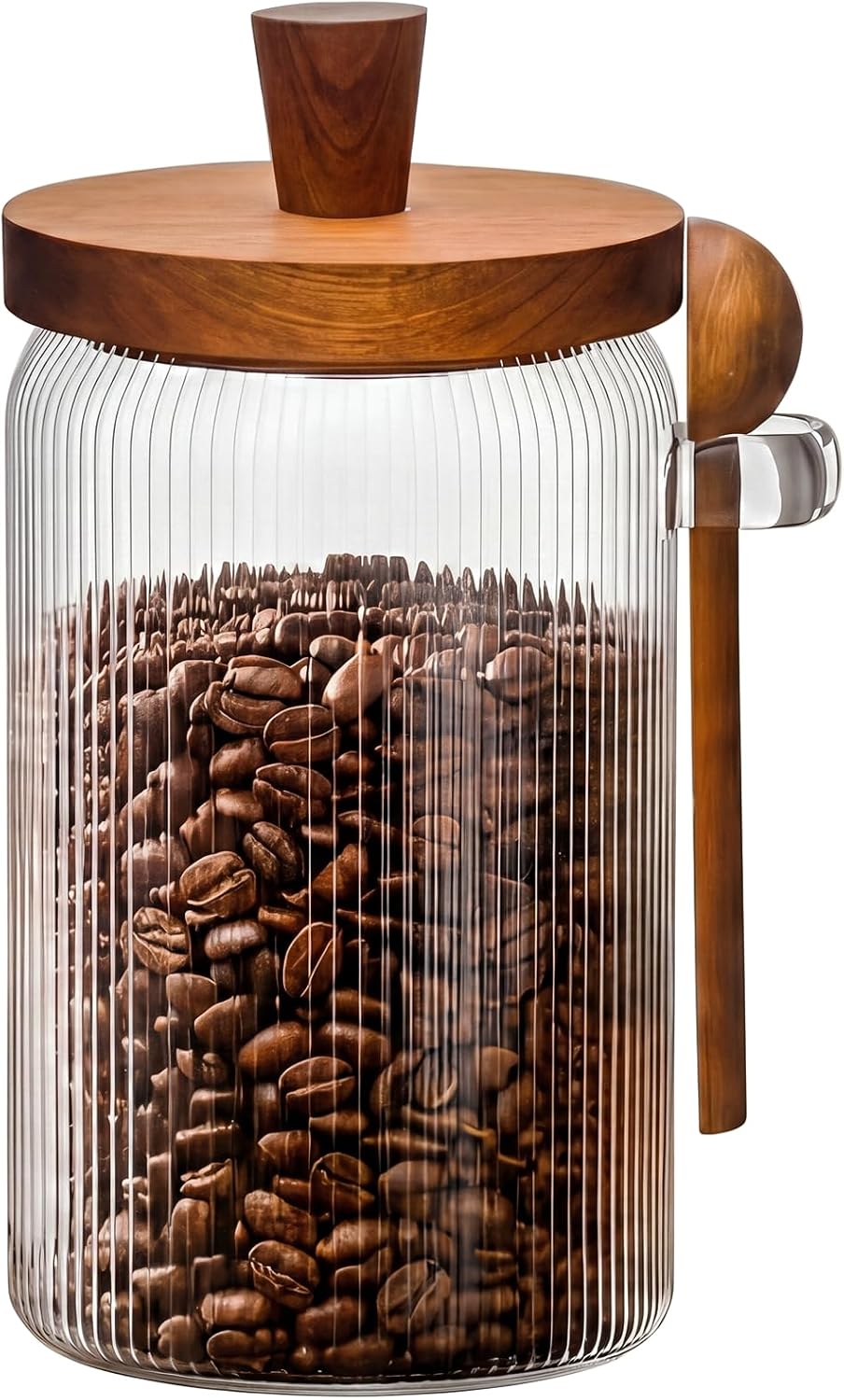
A minimalist setup keeps only the essentials visible: the machine, a small canister, maybe two mugs on display.
This works well for anyone who wants the station functional but doesn't want it to visually dominate the kitchen.
Closed storage handles everything that isn't used daily, keeping the counter itself nearly empty.
Calm, not cold, is the goal — a few considered pieces rather than nothing at all.

3. Vintage-Inspired
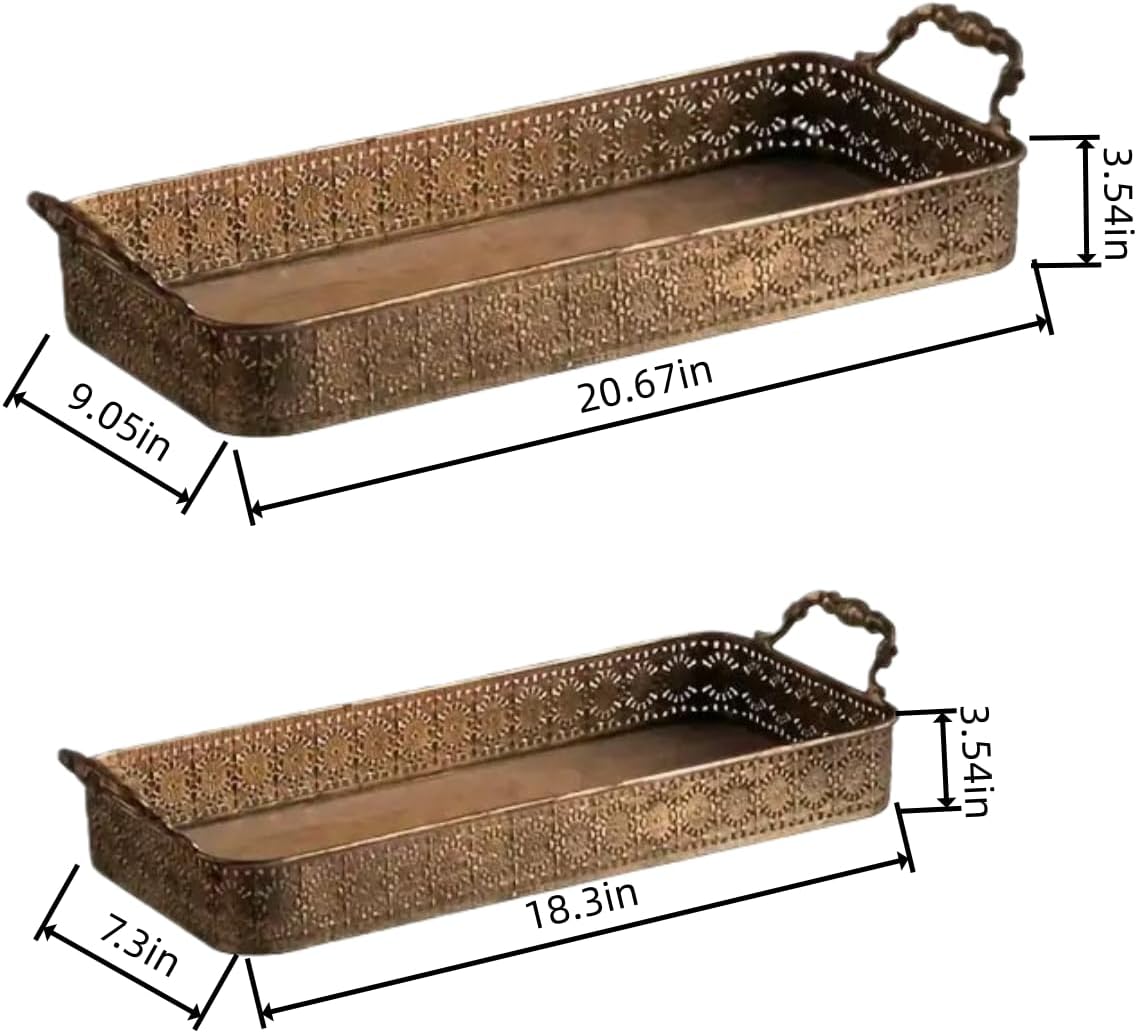
A reclaimed cart, an antique tray, or a mismatched set of vintage mugs brings real character to a coffee station.
This suits a kitchen that already has some older or secondhand pieces in it.
Thrift and estate sales are consistently the best source for pieces with this kind of history.
It's one of the more budget-friendly directions here, since nothing needs to be bought new.

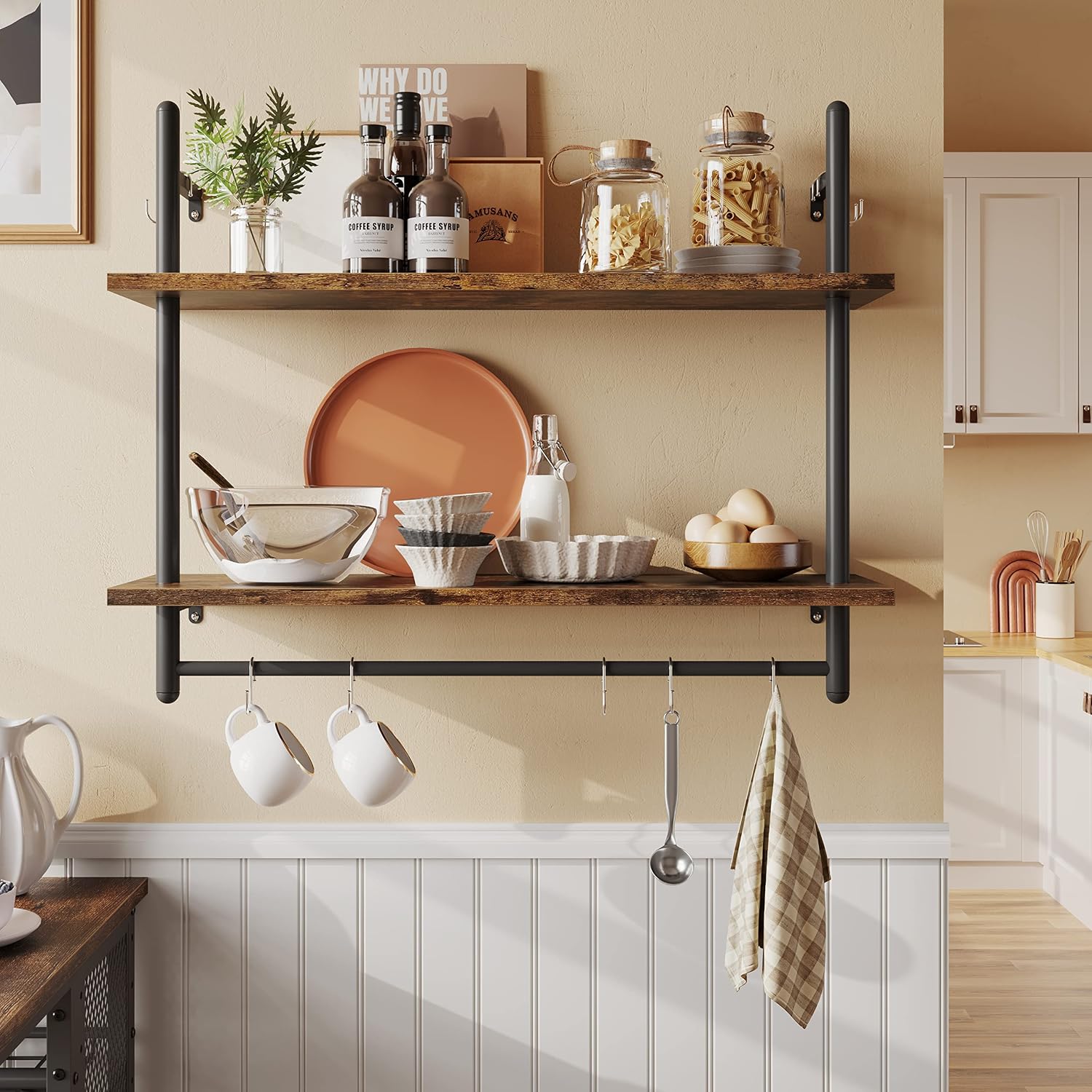
4. Floating Shelf for Small Spaces
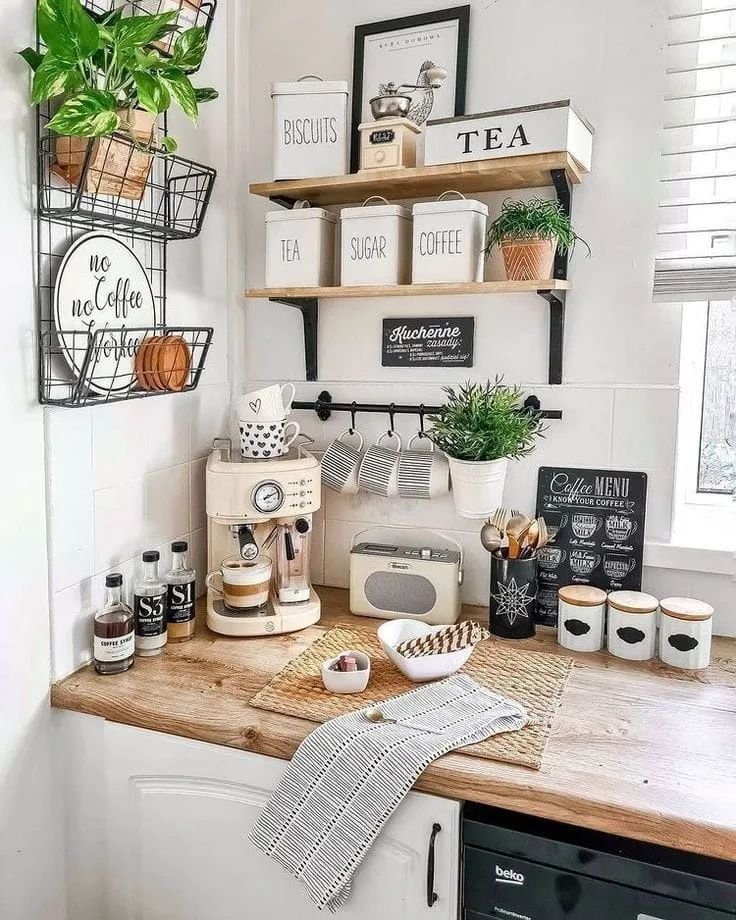
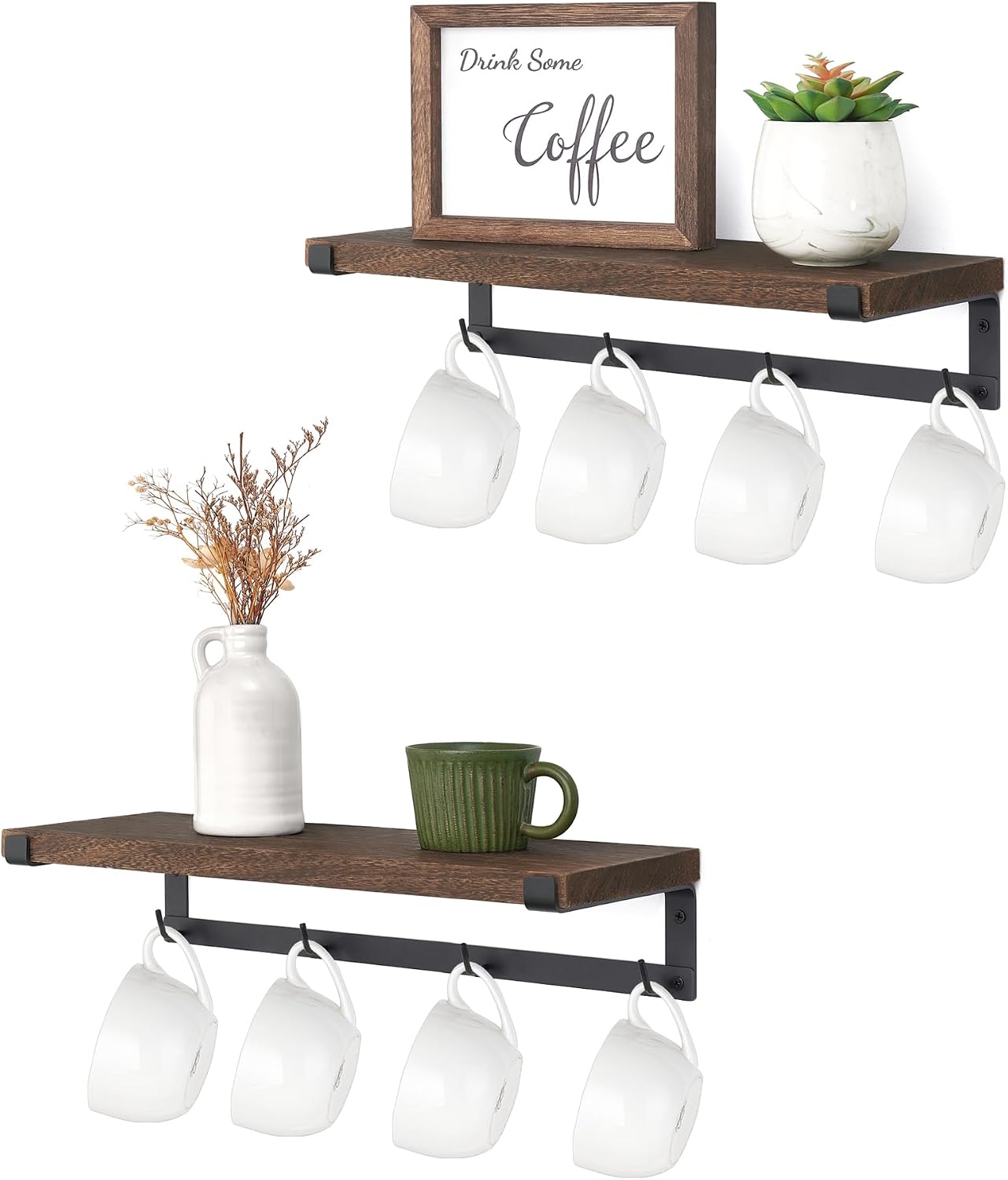
A single floating shelf adds a coffee station to a kitchen that doesn't have room for a dedicated cart or cabinet.
It mounts above the counter without eating into usable floor or counter space below.
This is often the only realistic option in a small apartment kitchen.
Keeping it to a handful of items prevents it from feeling crowded on a narrow shelf.

5. A Cart That Moves
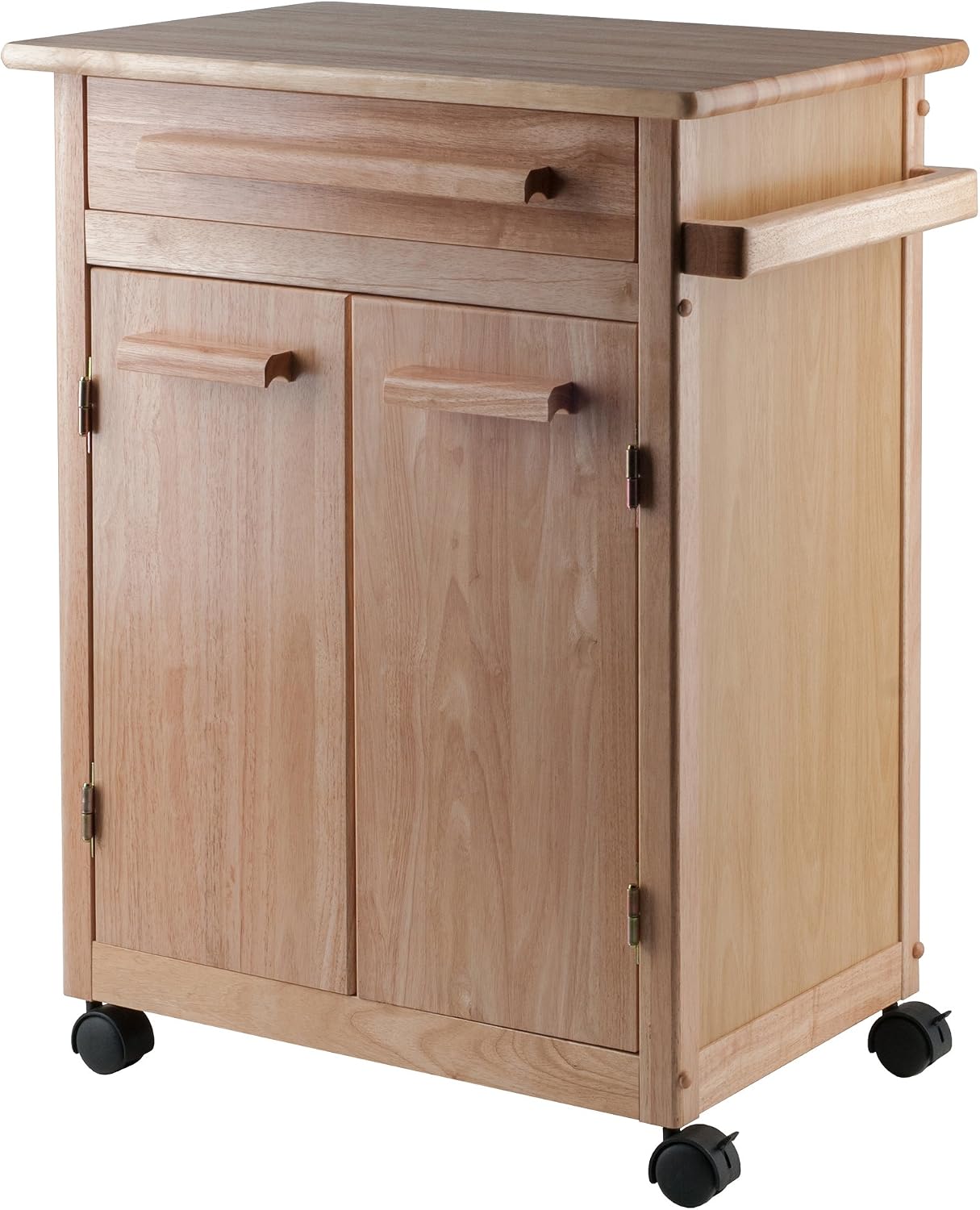
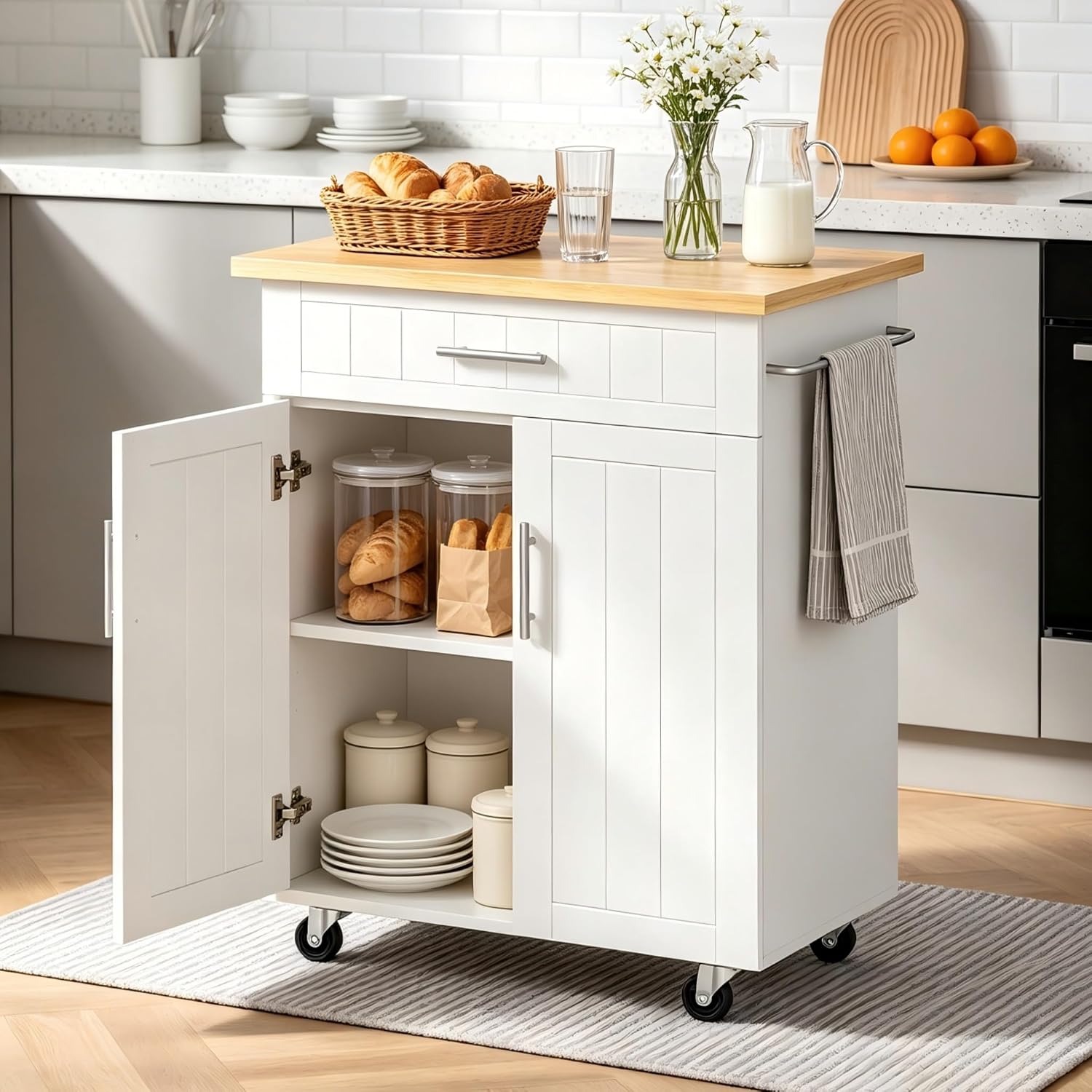
A rolling cart turns the entire coffee station into something that can relocate whenever needed.
It tucks away for guests, rolls out for a party, or shifts to a sunnier corner on a whim.
This suits anyone renting, or anyone who just doesn't want to commit to one permanent spot.
It's one of the most flexible options on this entire list.

6. Modern Black and White
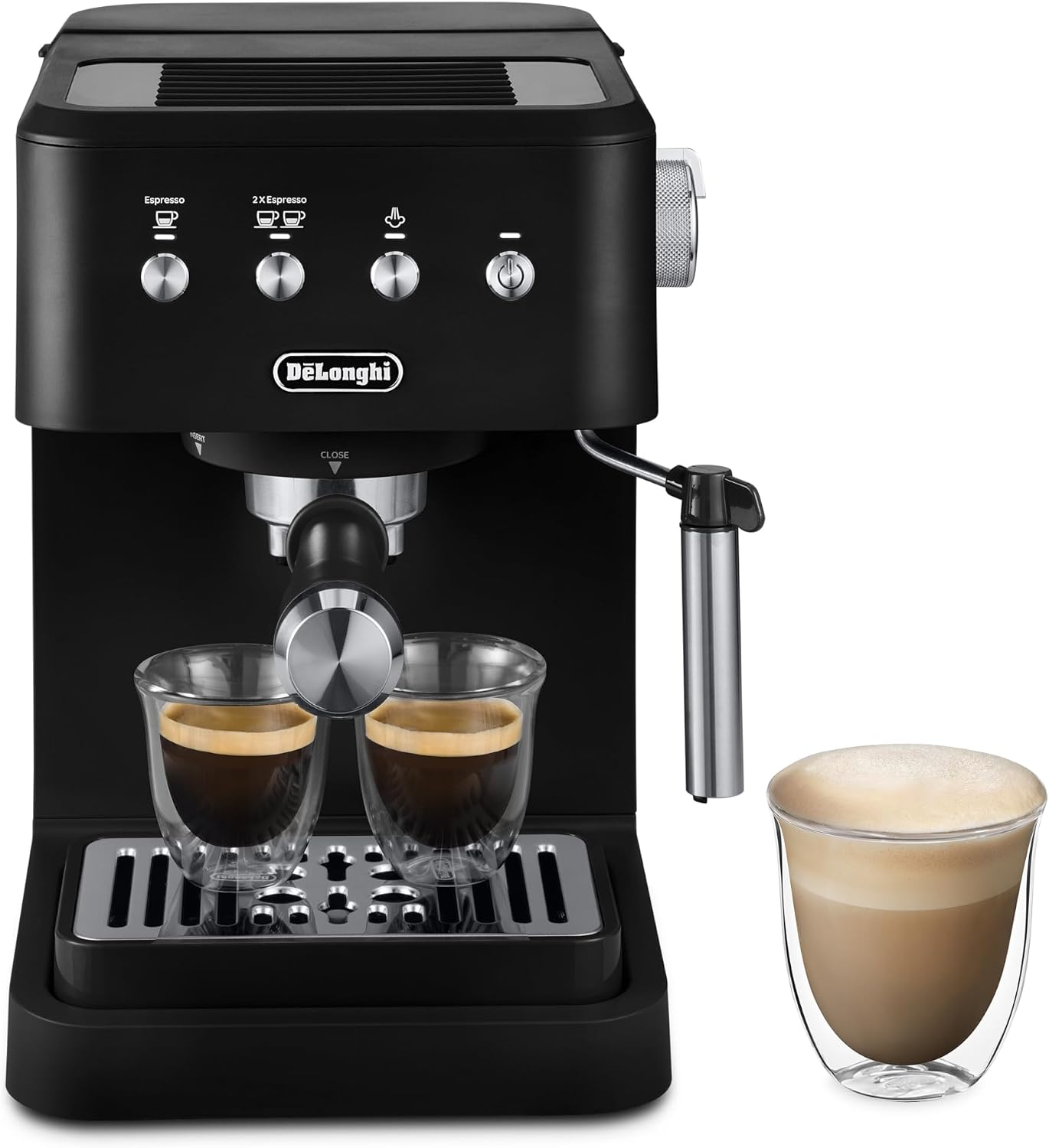
A sharp black-and-white palette gives a coffee station a clean, graphic look.
Black hardware or a black machine against white surfaces creates immediate contrast without needing much else.
This suits a modern kitchen that already leans toward a monochrome palette.
It's a low-maintenance look to keep looking sharp, since any mess shows up fast against the contrast.


7. Boho With Texture
Woven baskets, a textured runner, and a mix of natural materials bring warmth and a lived-in feel.
This suits a kitchen that already has some boho or eclectic styling elsewhere.
Layering is the main technique here, the same way it works in boho spaces throughout the rest of a home.
It tends to feel less precious than other directions, which suits a station that gets used daily.
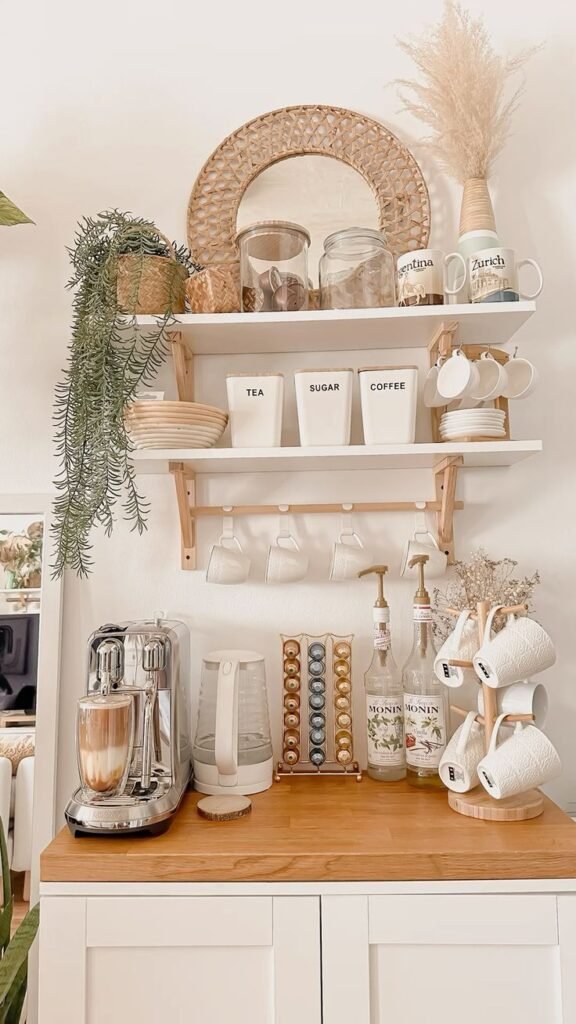


8. Built Into an Awkward Corner
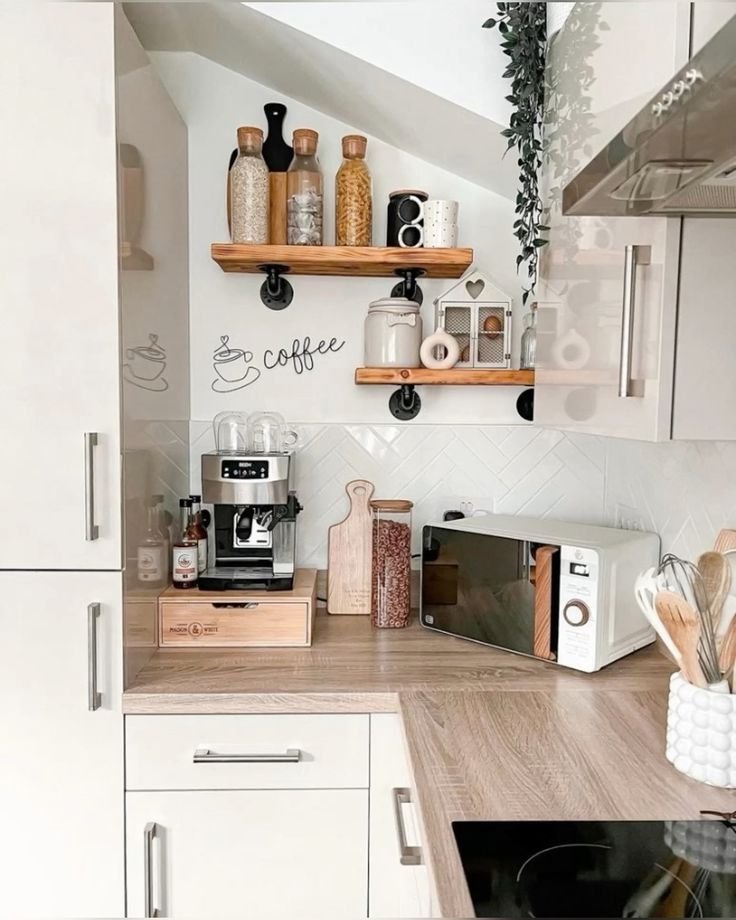
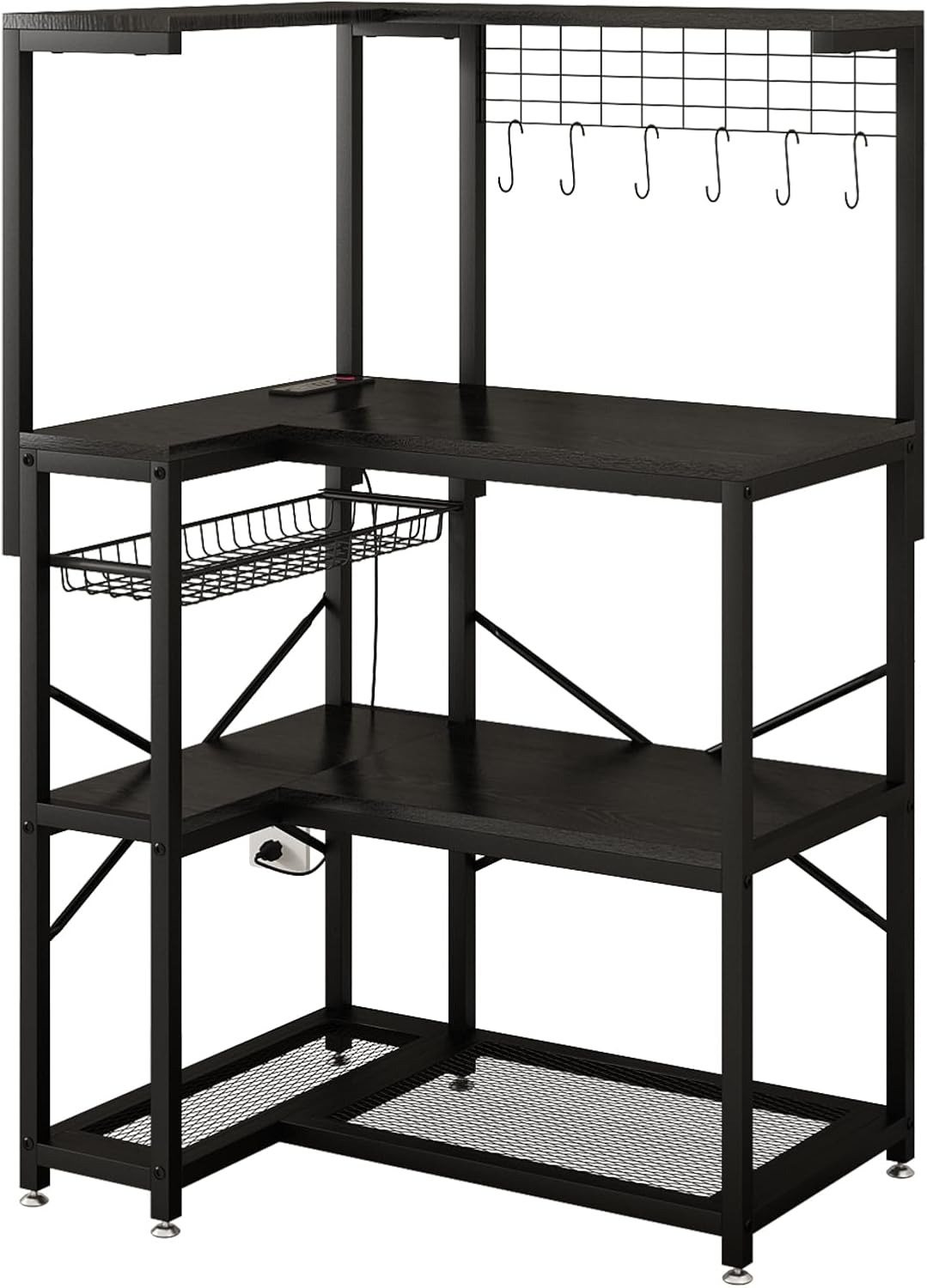
An underused kitchen corner is often the best spot for a coffee station precisely because nothing else wants it.
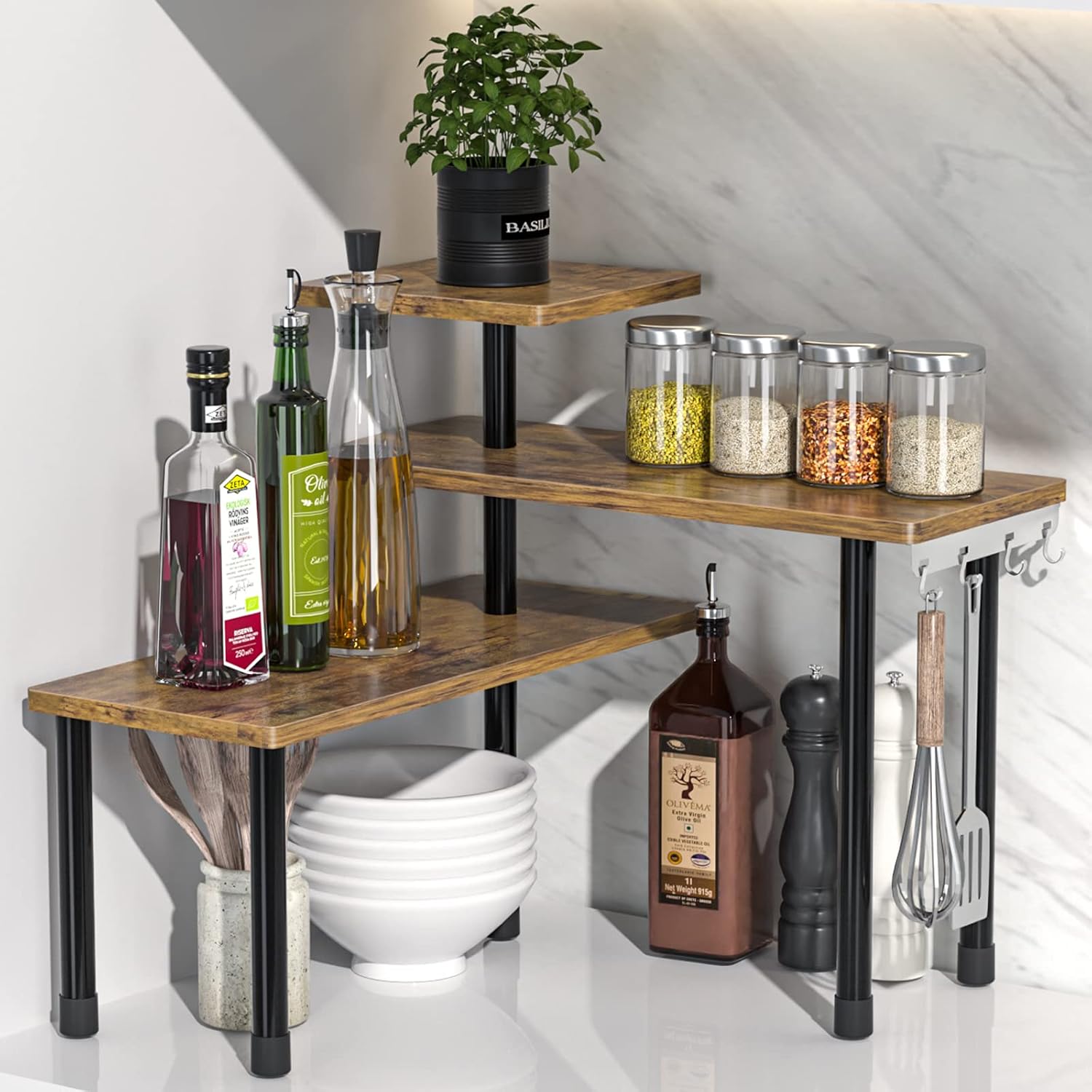
A small corner shelf unit or an L-shaped cart makes use of space that would otherwise sit empty.
This keeps the coffee setup out of the main workflow path of actual meal prep.
It's a practical solution before it's a styling choice.

9. Anchored by Statement Wall Art
A single piece of coffee-themed art or a metal sign above the station gives the whole setup a clear focal point.
This works especially well when the station itself stays fairly simple below.
It signals the space's purpose at a glance, even from across the kitchen.
One well-chosen piece does more than a cluttered gallery wall in this spot.
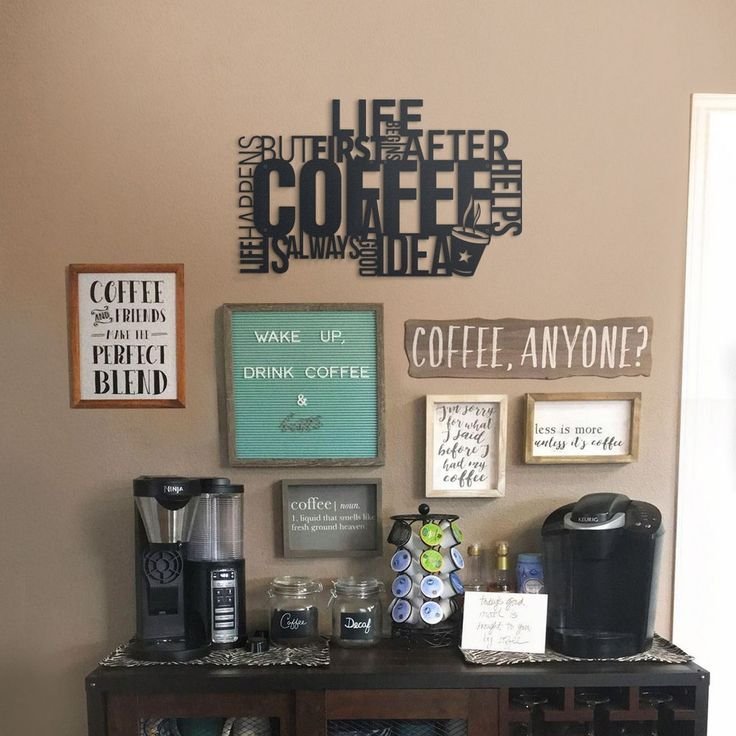


10. An Open Mug Display
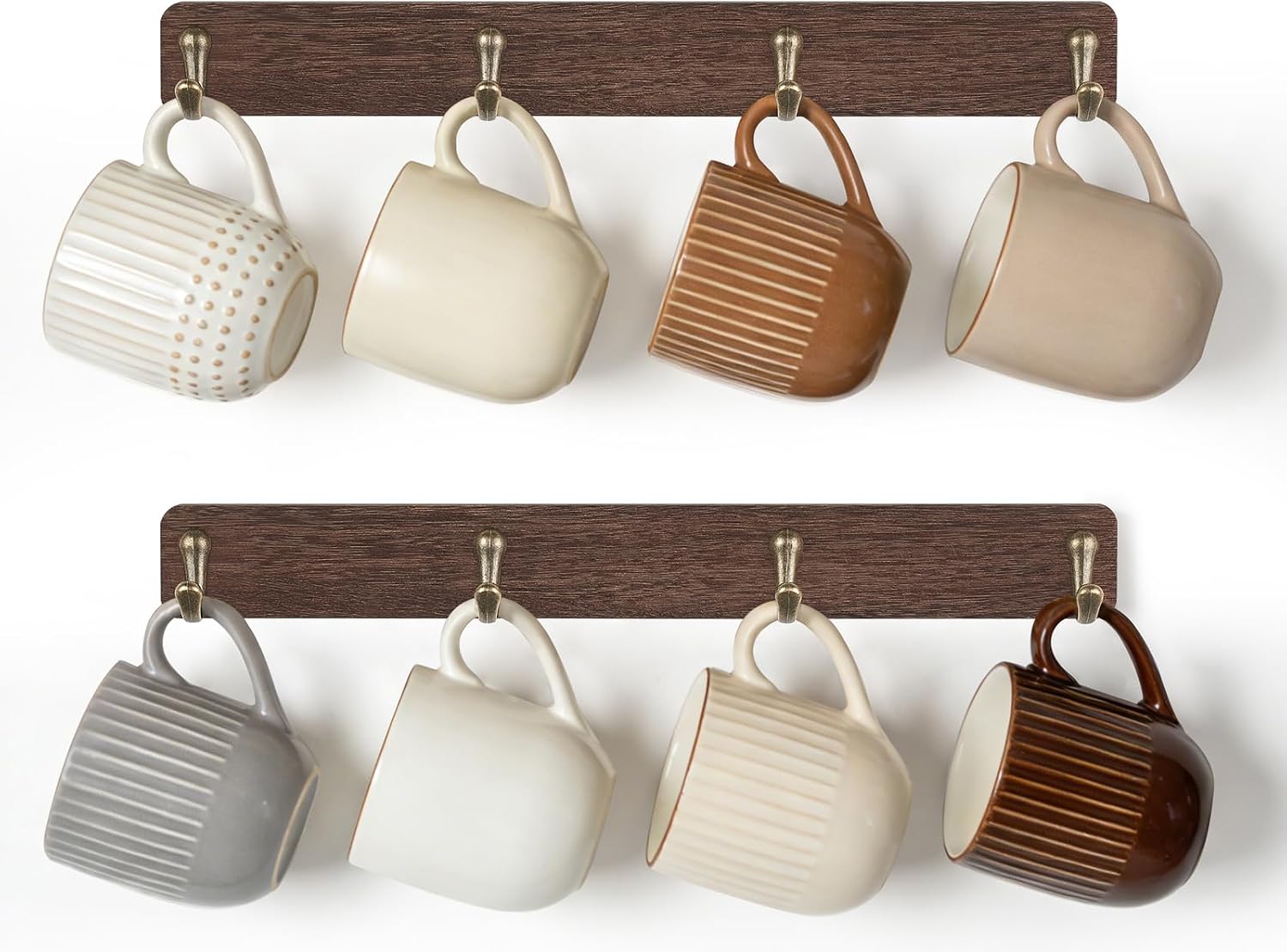
Open shelving or hooks for mugs turns a collection into part of the decor instead of hiding it in a cabinet.
It also makes grabbing a mug a one-step process in the morning, not a cabinet search.
This works best with a mug collection that's already cohesive in color or style.
A mismatched collection can still work, as long as it's grouped together intentionally.

11. Neutral for Timeless Appeal
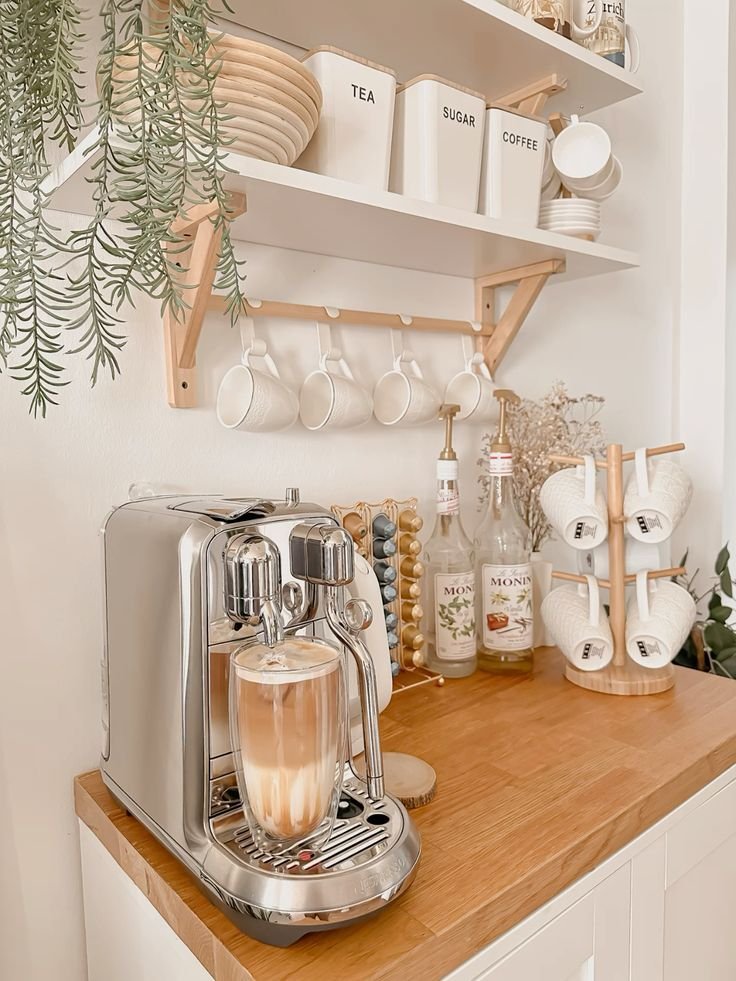
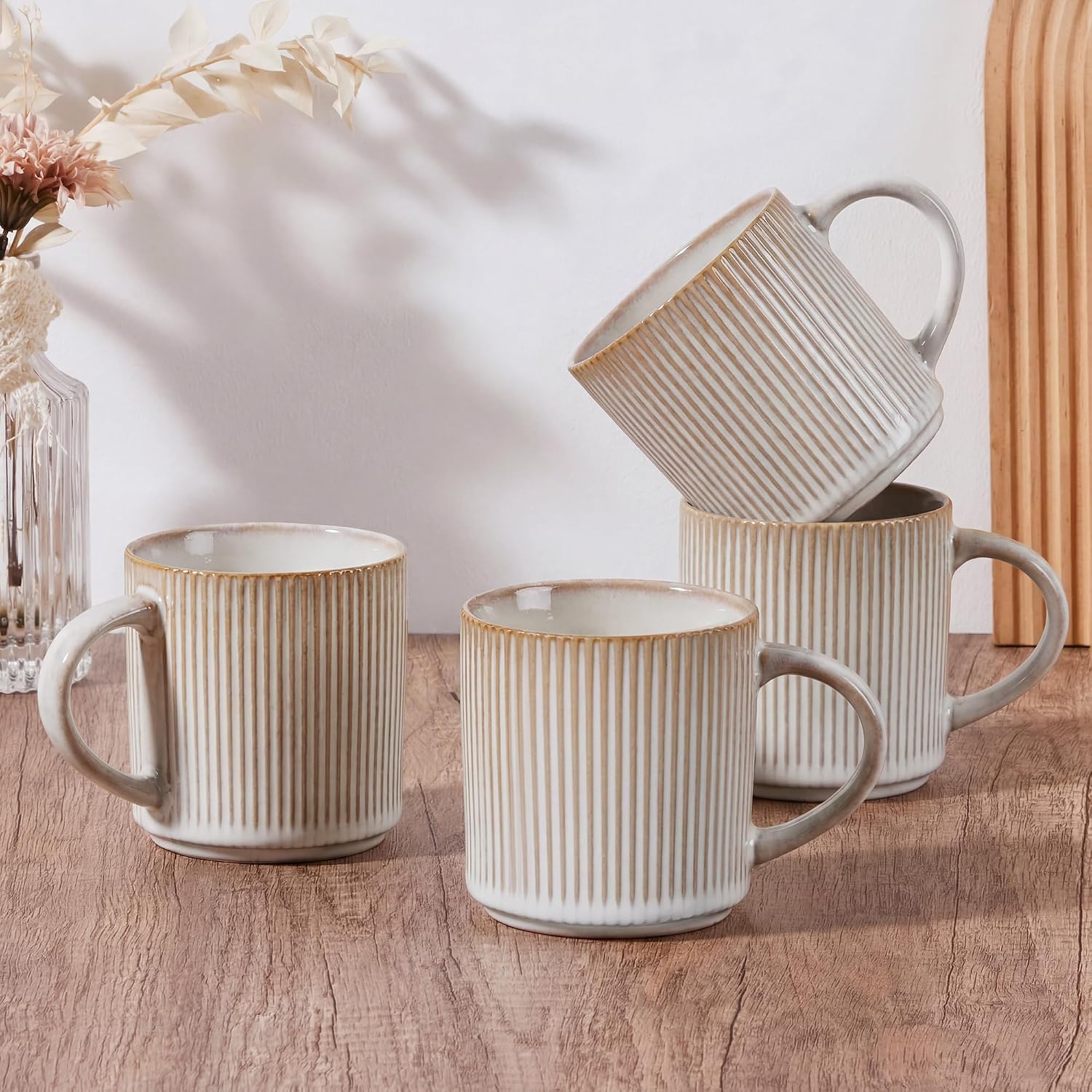
Soft whites, warm beiges and light wood tones keep a coffee station from feeling trendy or dated in a few years.
This suits a kitchen that's already neutral throughout, keeping the whole space cohesive.
Texture carries more of the visual interest here, since color stays deliberately restrained.
It's a safe, low-risk choice for anyone who'd rather not redecorate the station often.
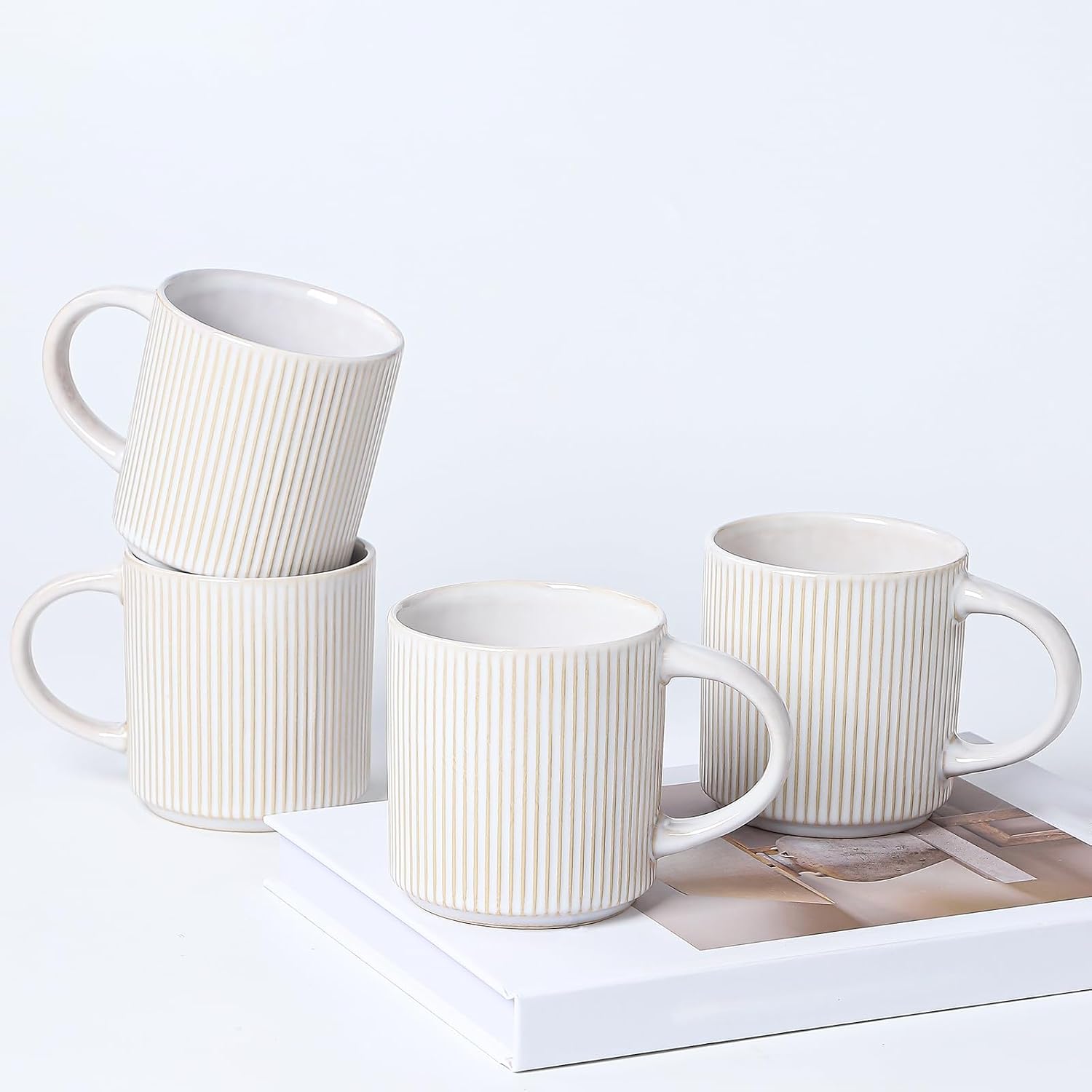
12. Built-In, Integrated Storage
A dedicated cabinet or built-in nook keeps the entire coffee station hidden behind closed doors when it's not in use.
This suits a kitchen where counter space needs to stay completely clear most of the day.
It takes more planning than any other option here, since it usually means a renovation rather than an add-on.
Once it's in, though, it functions like a small dedicated room within the kitchen.

13. Luxury Look on a Real Budget
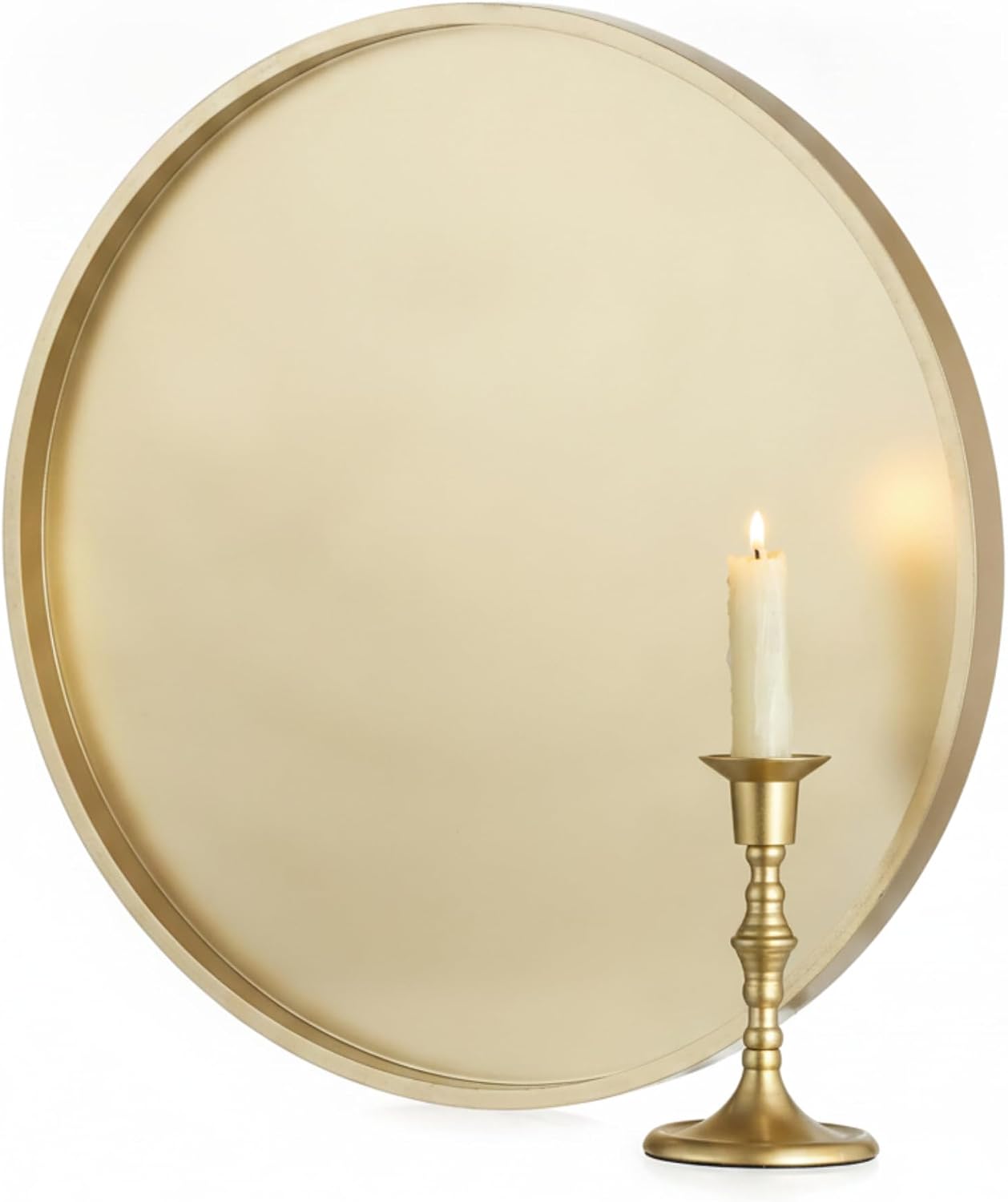
A few higher-end-looking touches — a brass tray, a quality canister set, one nice mug — can carry the whole station's perceived value.
The trick is spending on the two or three pieces that actually get noticed, not everything at once.
Repeating one metal finish across several objects reads as considered rather than random.
This direction is about where the budget goes, more than how much gets spent overall.


14. Easy to Refresh Seasonally
Swapping a tray, a mug or a small seasonal accent keeps the station feeling current without redoing the whole setup.
Keeping the base layer — machine, shelf, main storage — constant and rotating just the small accents makes seasonal updates fast.
This suits anyone who likes a bit of variety without a full redecorate every few months.
It's one of the lowest-effort ways to keep a well-used spot feeling fresh.
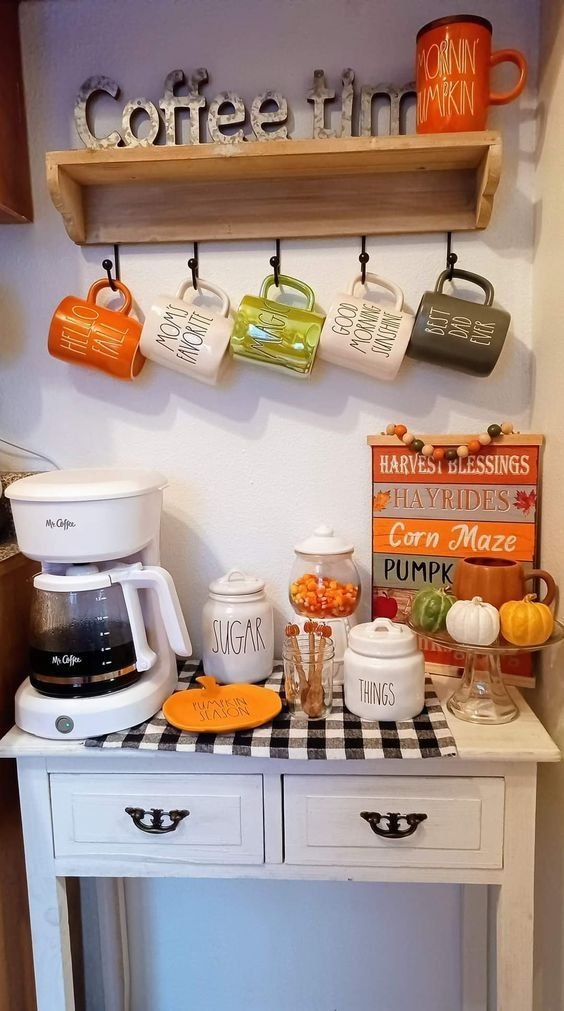


15. Personalized
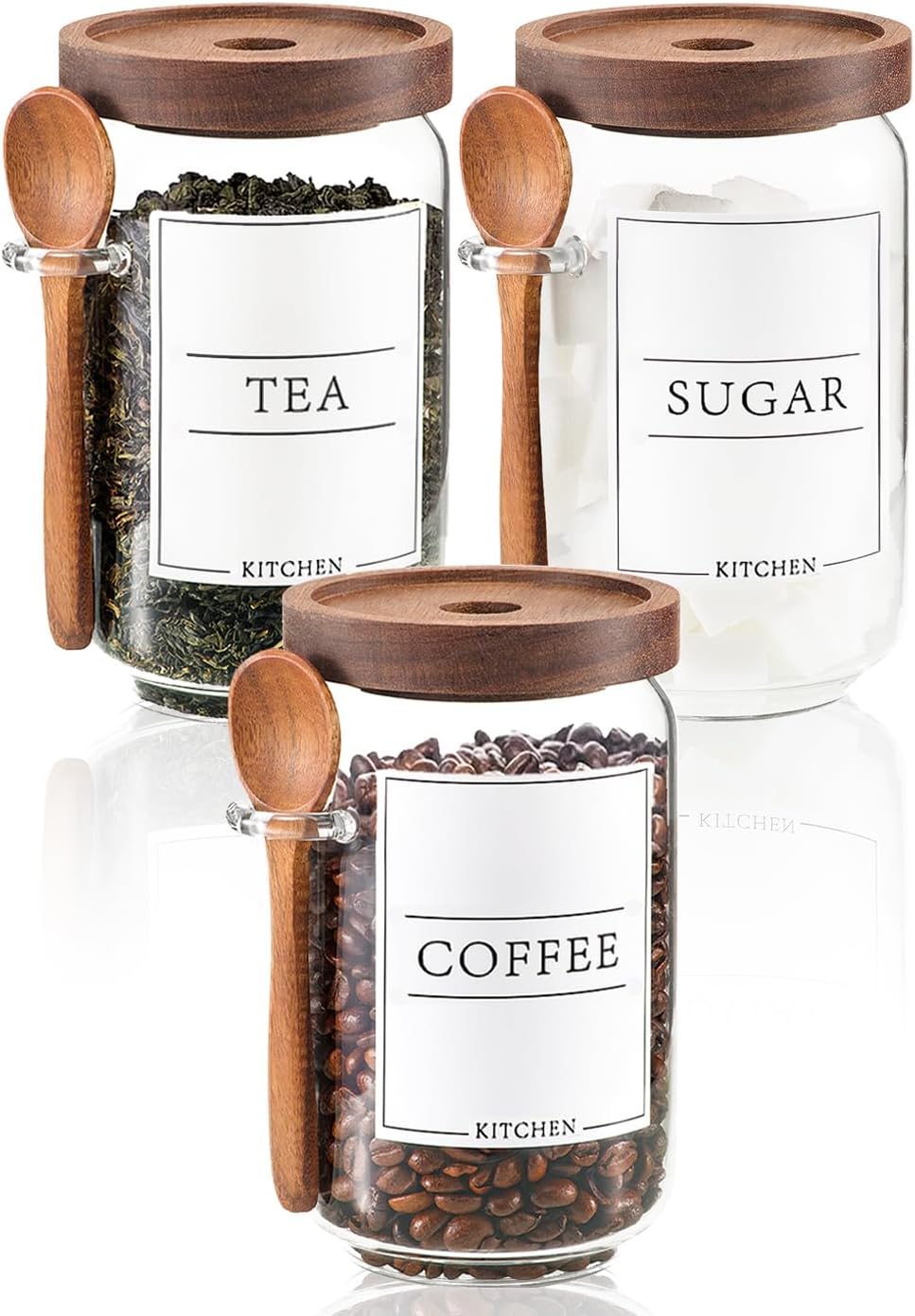
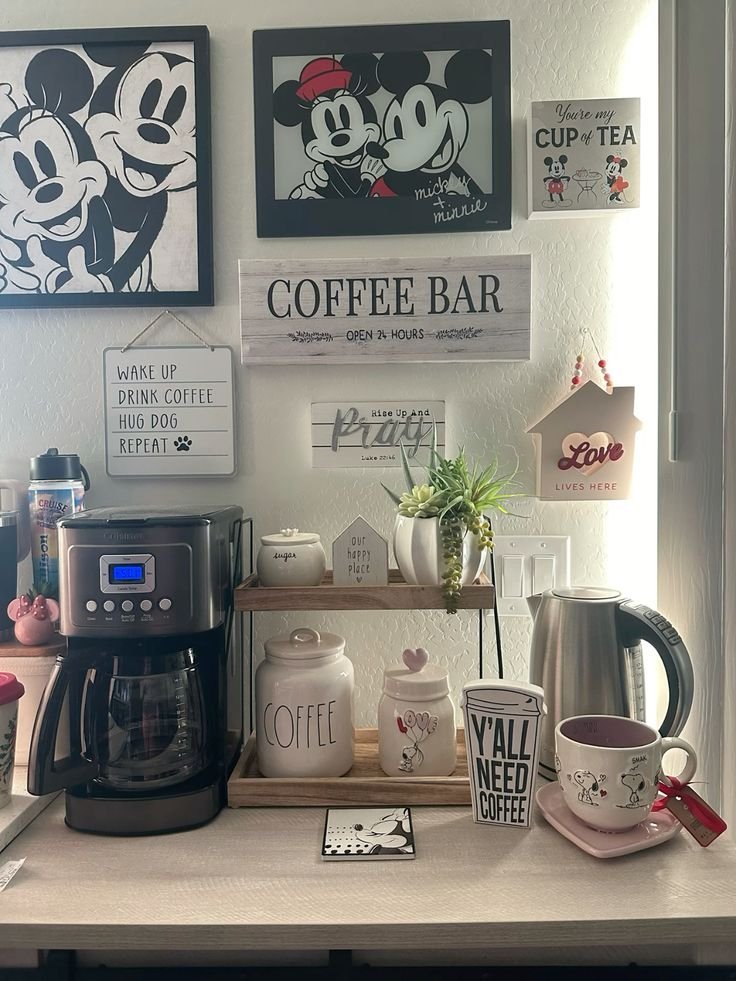
A hand-labeled jar, a mug collected from a specific trip, or a small handwritten sign makes the station feel specific rather than generic.
This direction layers on top of almost any other style on this list rather than replacing it.
A few meaningful objects do more for the space than a full matching set ever could.
It's often the detail that makes a coffee station feel like it actually belongs to someone.


Final Thoughts
Placement and daily workflow decide whether a coffee station actually gets used, long after the first week of excitement wears off.
Pick the spot first — near an outlet, near water, out of the main cooking path — then layer a style from this list on top.
A station that's two extra steps too far from the mugs or the sink rarely survives past the first month.
Function first, style second, and the rest tends to fall into place.