
Almost every yard has one — a corner that never quite got a purpose.
It's not big enough for a real garden bed, not central enough for furniture, so it sits there empty or collects whatever doesn't fit anywhere else.
That corner is actually one of the easiest spots in the whole yard to transform, precisely because expectations for it are so low.
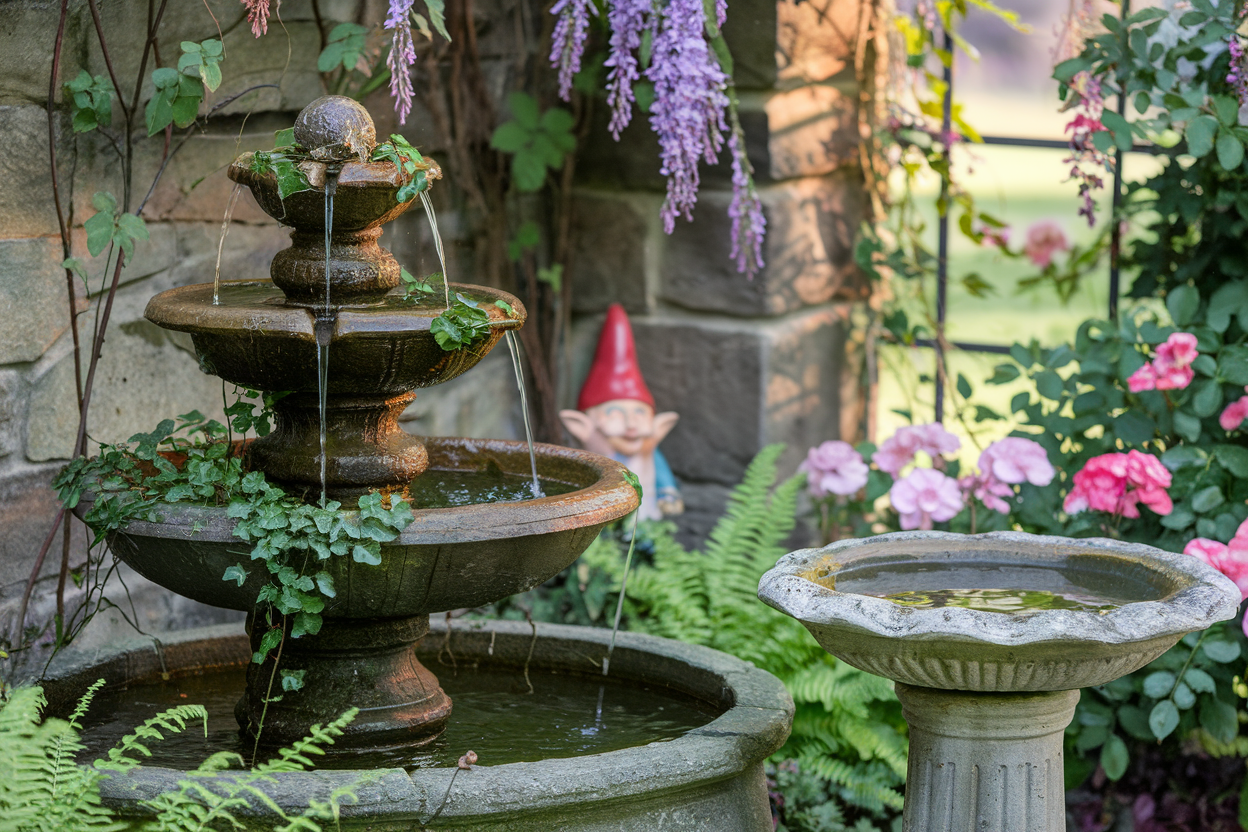


Start Small and Let It Grow
A corner doesn't need a full landscaping plan to go from empty to intentional.
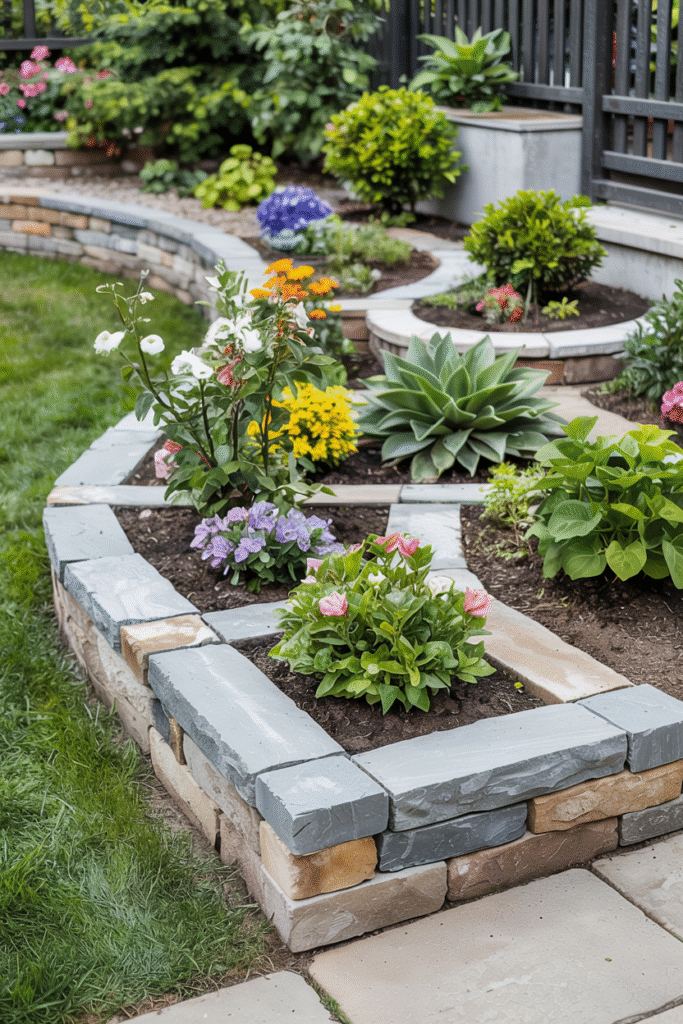
A few potted plants, a small defined bed, or even just a change in ground cover can turn dead space into a deliberate feature almost immediately.
This also means a corner project can expand gradually — there's no need to finish it all in one weekend.
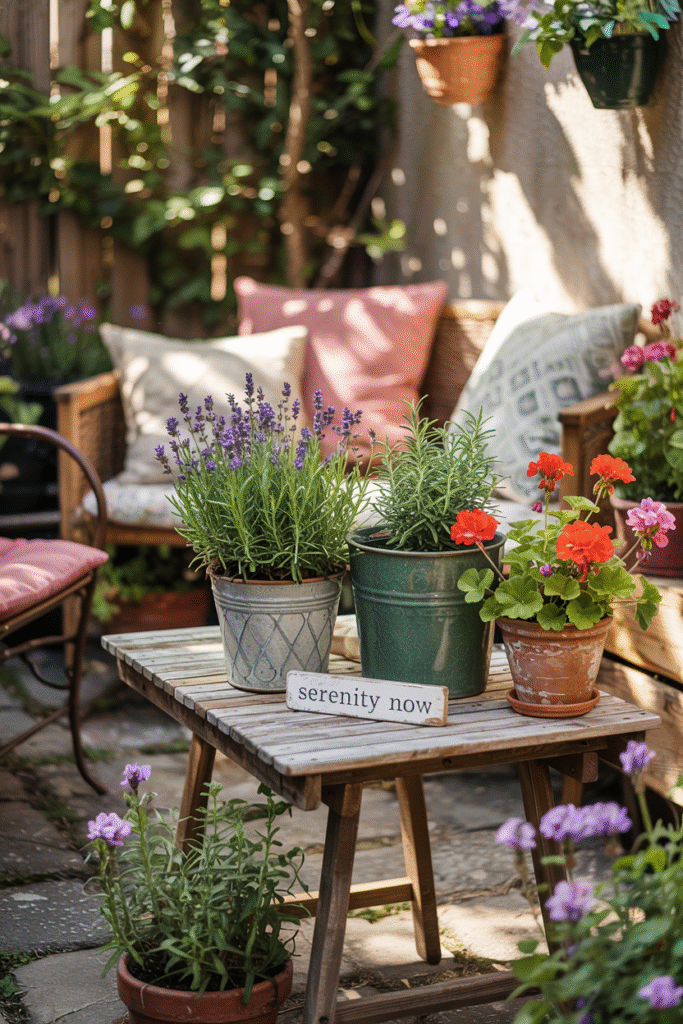

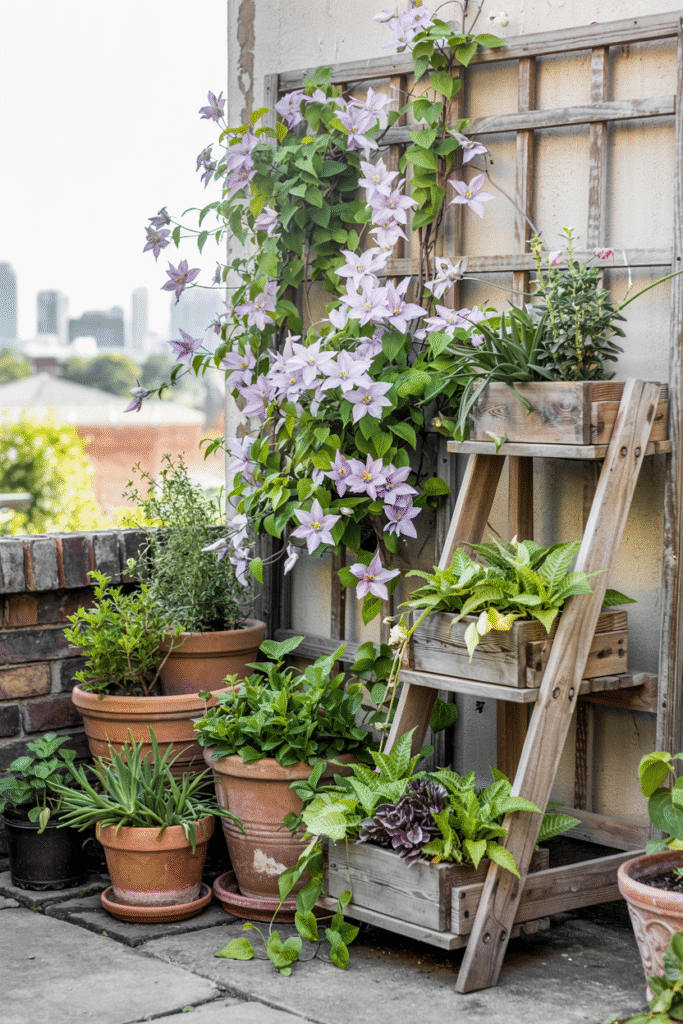


Turn It Into a Place to Sit
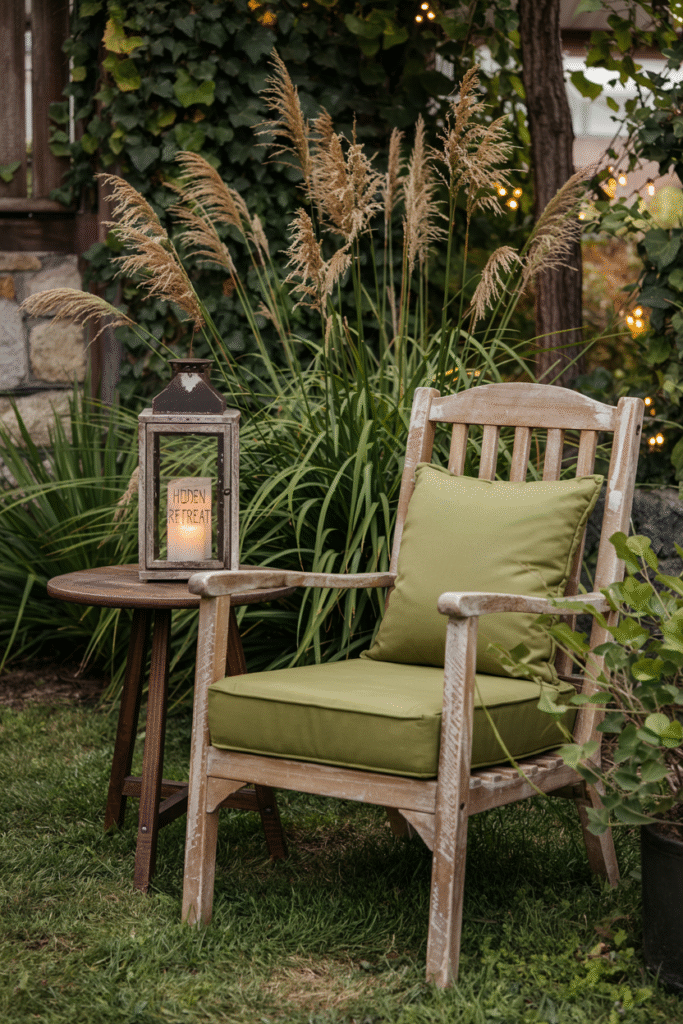
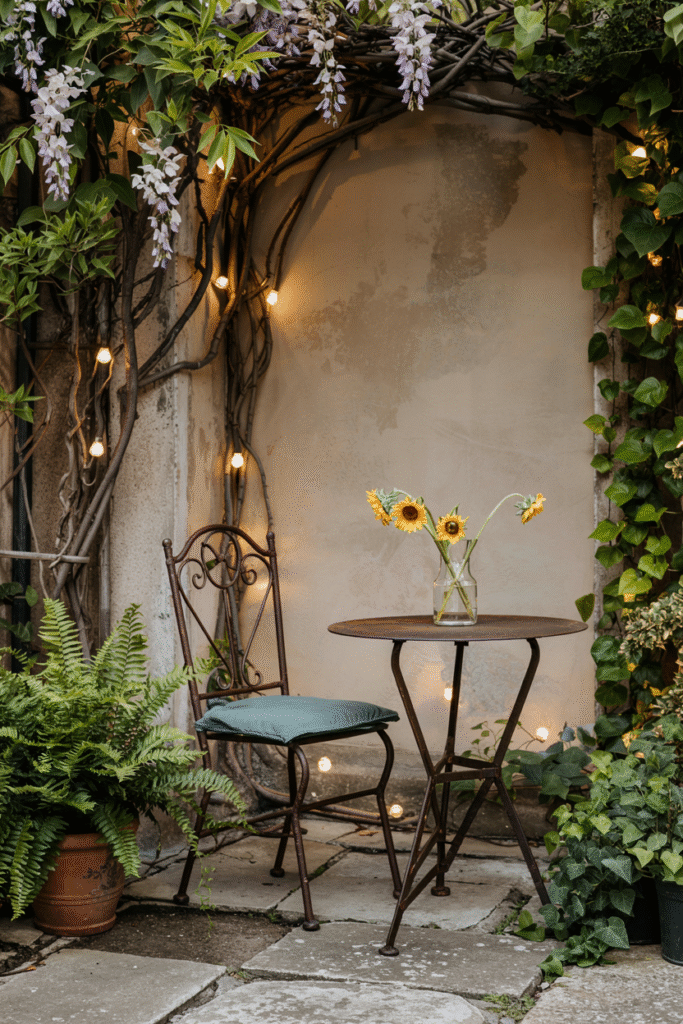
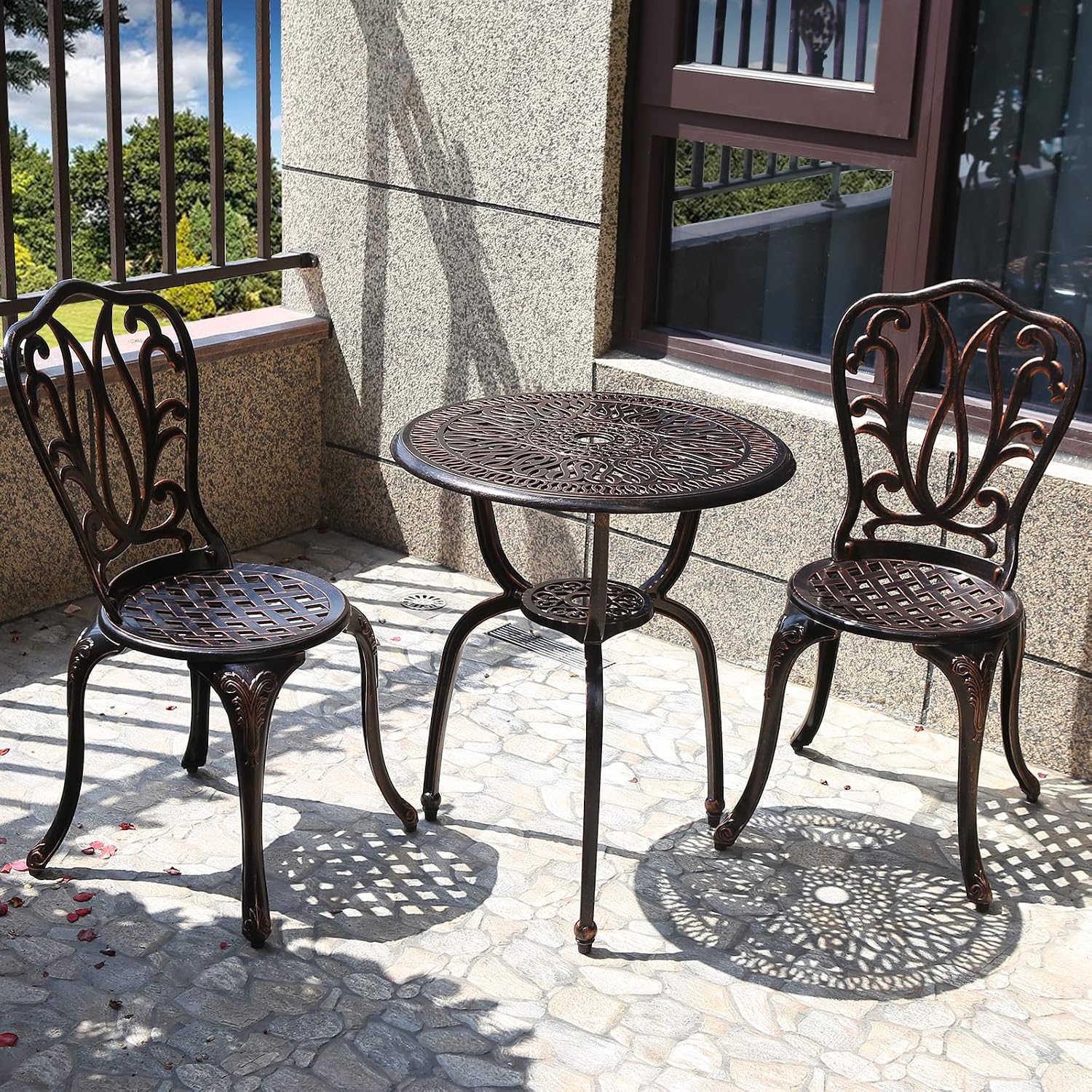
A single chair, a small bistro set, or a built-in bench instantly gives a corner a reason to exist.
This works especially well in a corner that gets decent shade or a bit of privacy from a fence or hedge, since it already half-feels like a retreat.
Adding a small side table or a few cushions turns "a chair in the corner" into an actual spot someone wants to sit in.

Use Flowers to Fix a Boring Corner
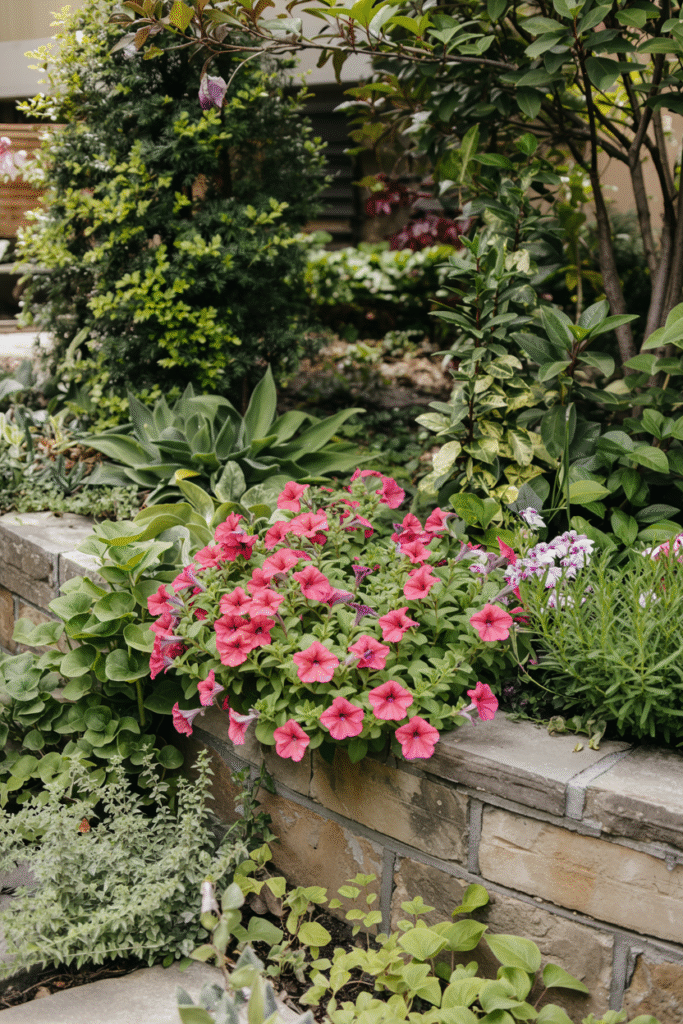
A corner with nothing going on visually is often just missing color, not structure.
A cluster of flowering plants in varying heights — tall in the back, shorter toward the front — fills the space without needing any hardscaping at all.
This is one of the lowest-cost, lowest-effort ways to transform a corner, and one of the most forgiving if the first plant choice doesn't work out.


Give the Corner an Actual Job
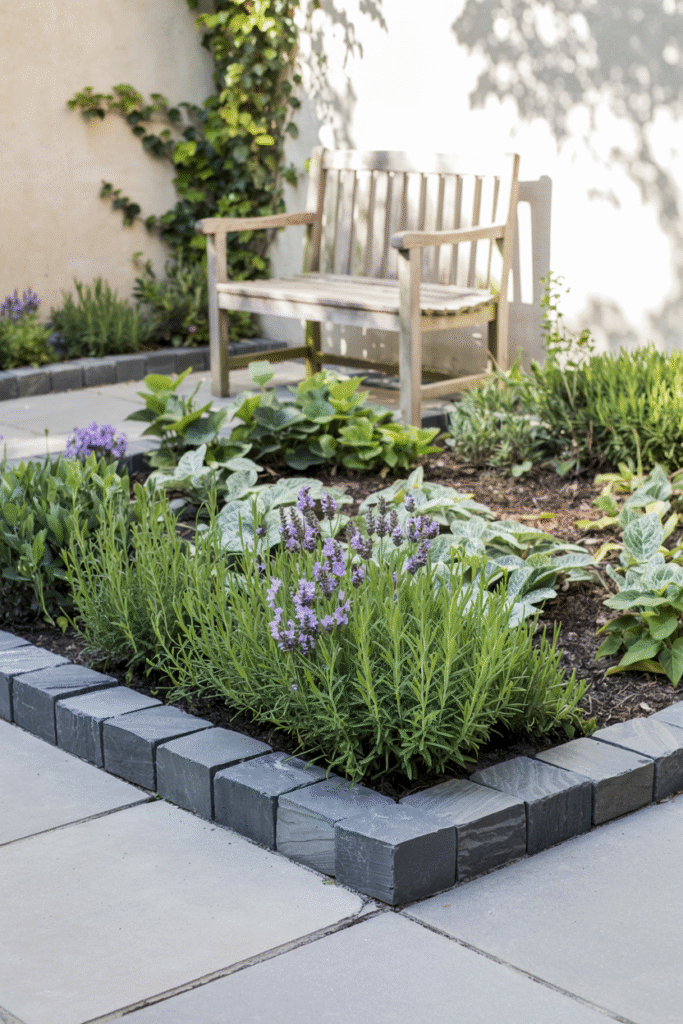
A corner with a defined purpose — a small herb garden, a compost spot, a tool storage nook — reads as intentional even without much decor.
This works well for the corner that's awkward specifically because nothing else in the yard fits there; giving it a job solves two problems at once.
A bit of edging or a low border helps visually separate the purposeful corner from the rest of the lawn.


Combine Function and Style
The best corner transformations usually do more than one job at once — a seating spot that's also shaded by a trellis, or a planting bed that also screens a view.
Thinking about what the corner could solve, not just how it could look, tends to produce a more satisfying result than styling alone.
This is where a corner stops feeling like leftover space and starts feeling like a planned part of the yard.


Don't Forget Lighting
A corner that disappears after dark loses half its value, no matter how well it's planted or furnished during the day.
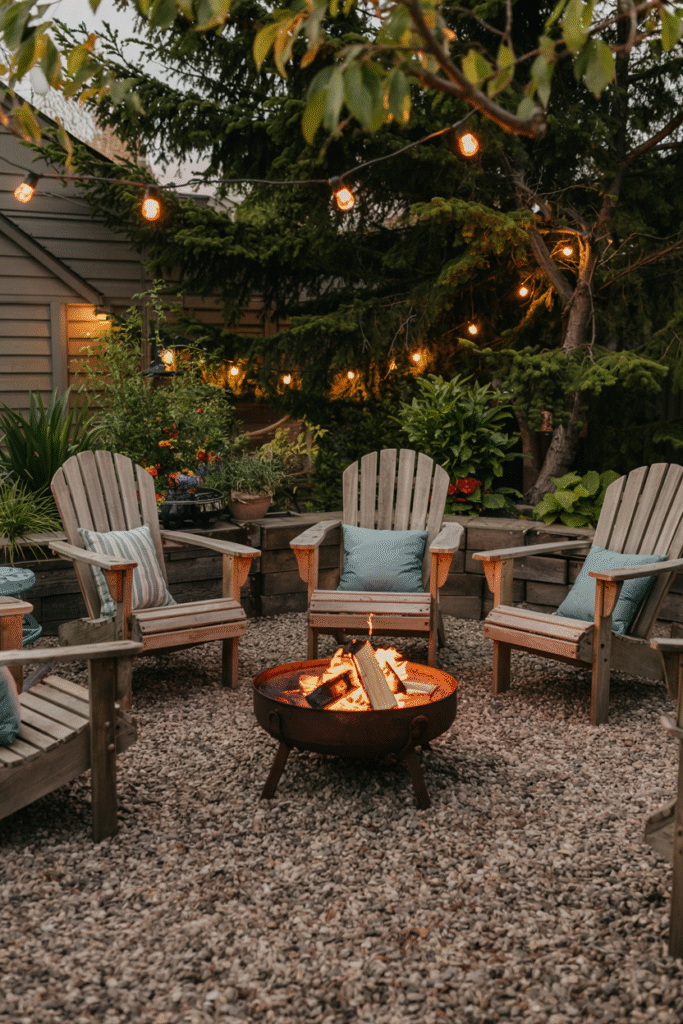
A few solar stake lights, a string of warm bulbs, or a single lantern extend the corner's use well past sunset.
This is one of the cheapest additions on this whole list and one of the easiest to skip — worth doing last, after the planting and seating are settled.


Let Personal Style Lead
A corner done according to someone else's exact plan rarely feels as good as one shaped around what the homeowner actually likes.
A favorite color, a specific plant, a found object with sentimental value — personal touches are what separate a generic corner fix from one that feels like it belongs to the rest of the home.
There's no single correct way to do this; the goal is a corner that gets used, not one that matches a template exactly.


Final Thoughts
An awkward corner isn't a problem to hide — it's one of the easiest wins in the whole yard.
Start with one small change, give the space a reason to exist, and let the rest build from there.
Corners deserve better than being the spot nothing else fit.