
Plenty of kitchens have every farmhouse feature — shiplap, an apron sink, open shelving — and still feel a little cold.
The features get the style right. What's missing is warmth, and warmth comes from a different set of decisions entirely.
This covers what actually makes a farmhouse kitchen feel cozy, not just correctly styled.

Start With a Warm Undertone, Not Just a Color
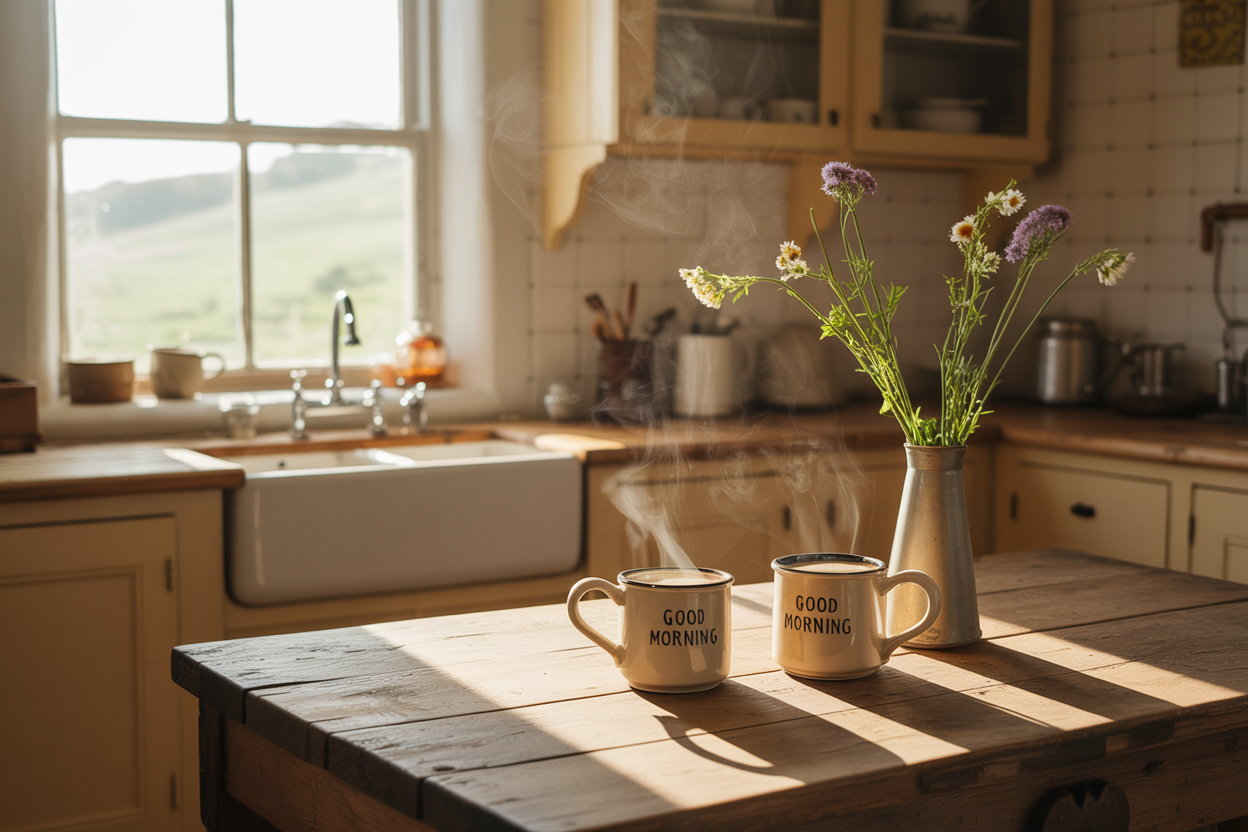
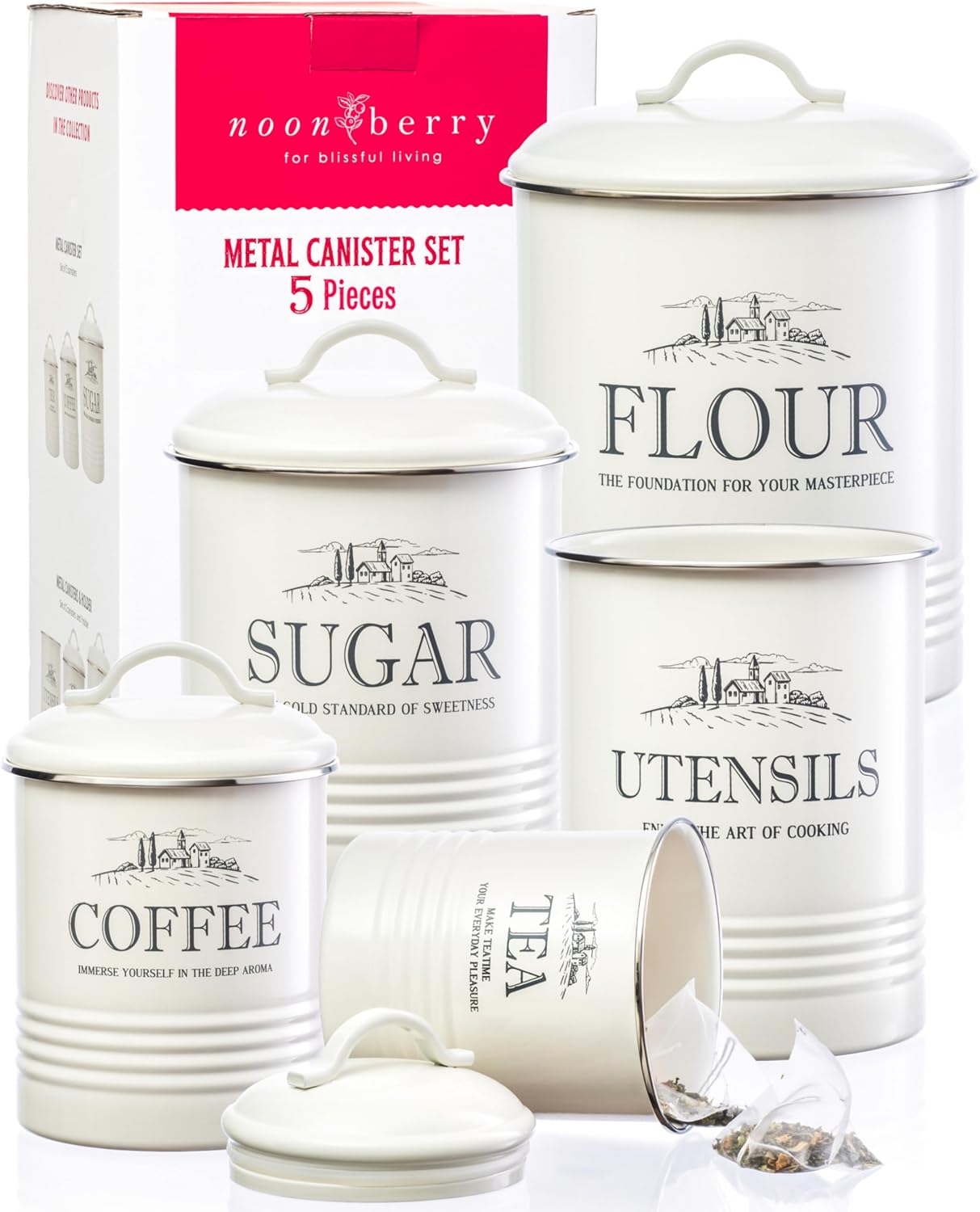
A white or cream base with a warm undertone reads completely differently than the same color with a cool undertone, even though both are technically "farmhouse white."
This single decision affects how every other color and material in the kitchen reads, which makes it worth testing carefully before committing.
A cool-toned base is the single most common reason a farmhouse kitchen ends up feeling sterile instead of warm.



Let Vintage Pieces Carry Real Patina
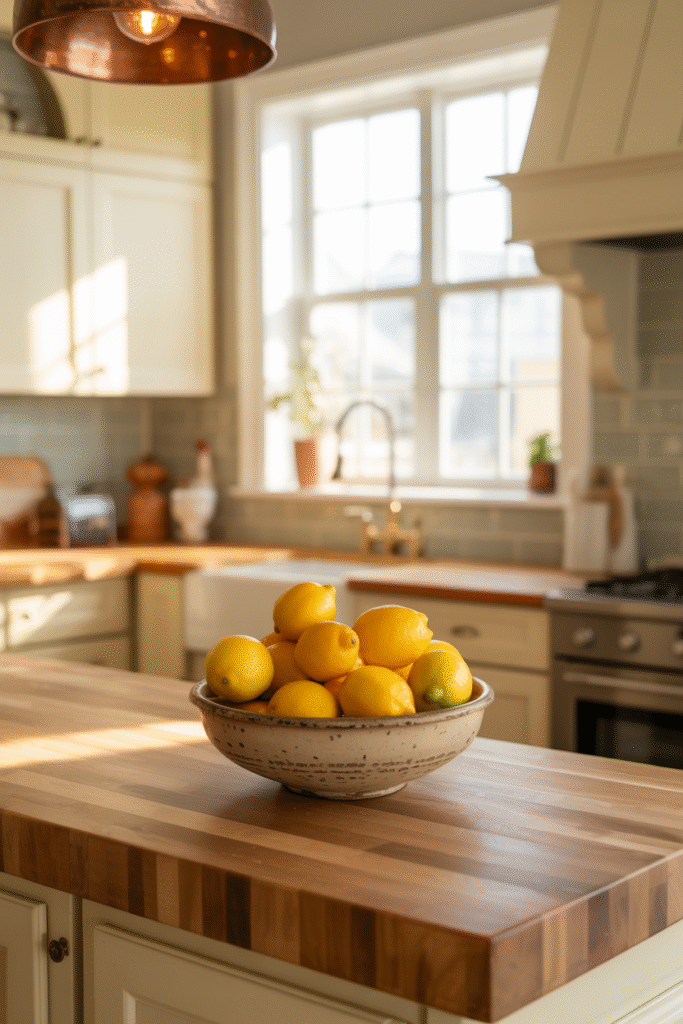
A genuinely old cutting board, a worn enamel pitcher, or a flea-market find with actual wear does more for warmth than a new piece styled to look vintage.
Real age and imperfection are what separate a kitchen that feels collected over time from one that feels purchased in a single trip.
A few true vintage pieces, chosen deliberately, outperform a kitchen full of faux-aged decor.


Balance Metals Instead of Matching Them
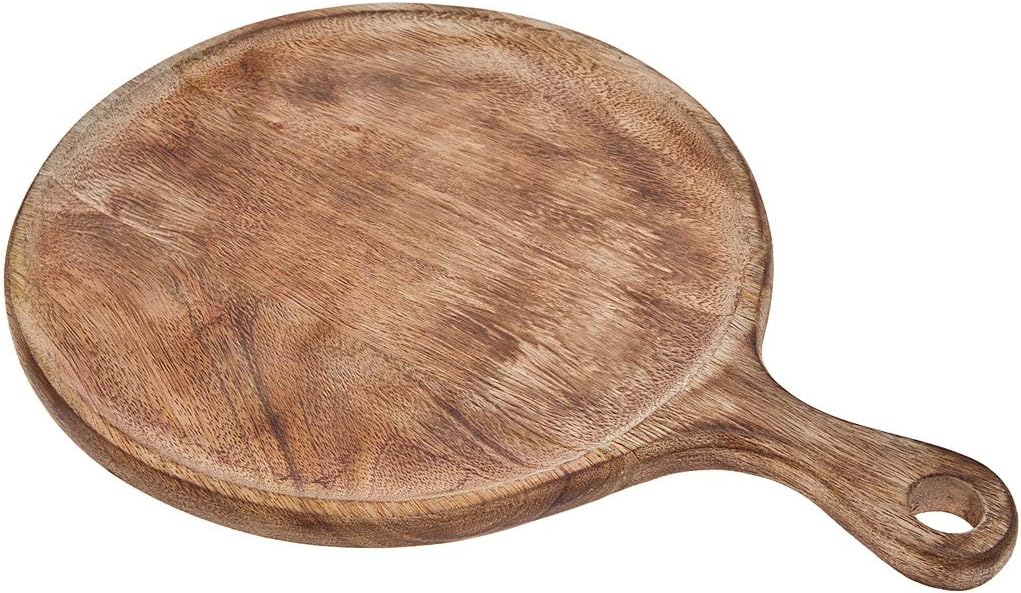
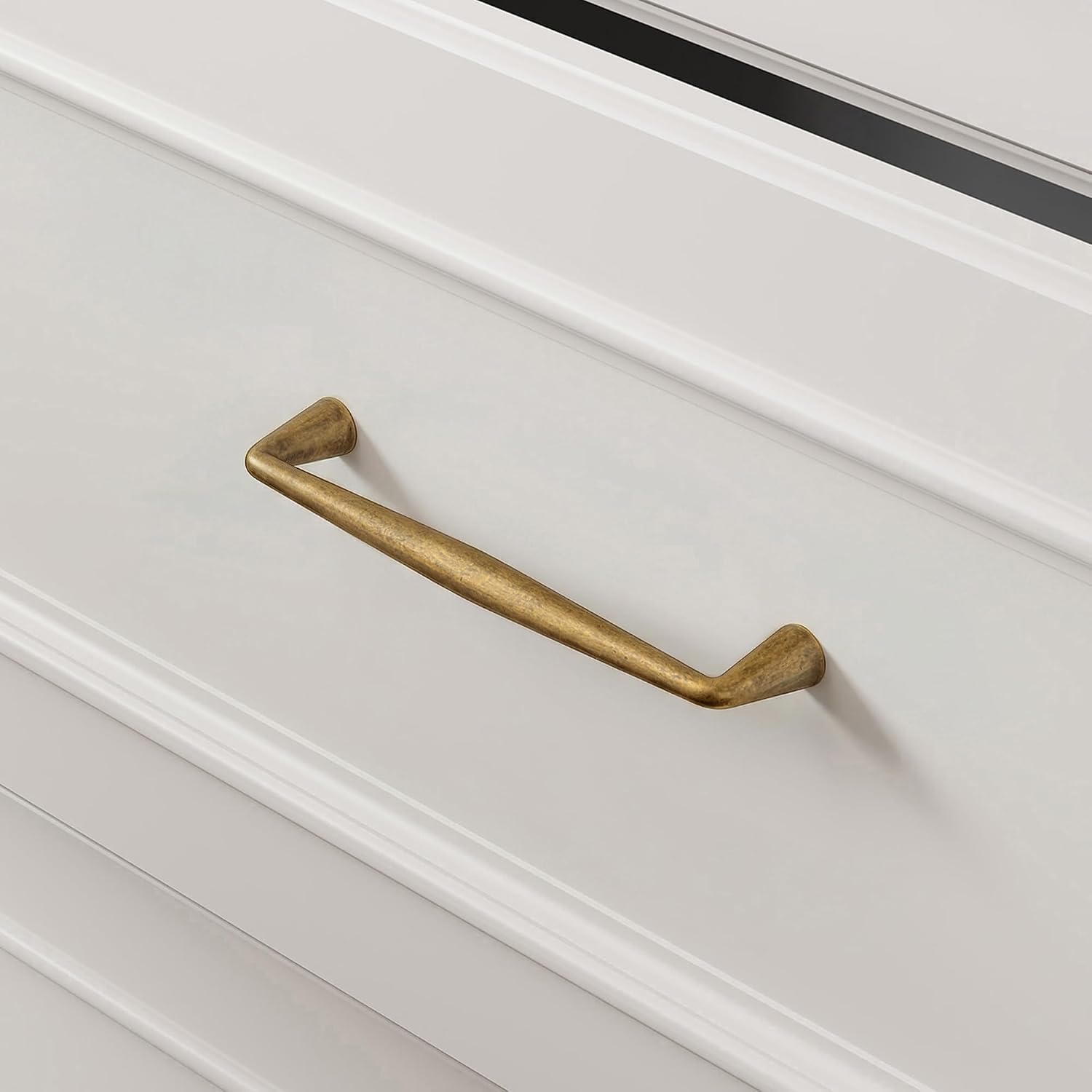
Warm brass or copper alongside black iron hardware brings more depth than an entirely matched metal finish would.
The goal is balance, not a free-for-all — one or two metal tones, used consistently throughout, read as intentional rather than scattered.
This detail matters more for warmth than most people expect, since cold chrome or stainless alone can undercut an otherwise warm room.

Soften Hard Surfaces With Textiles
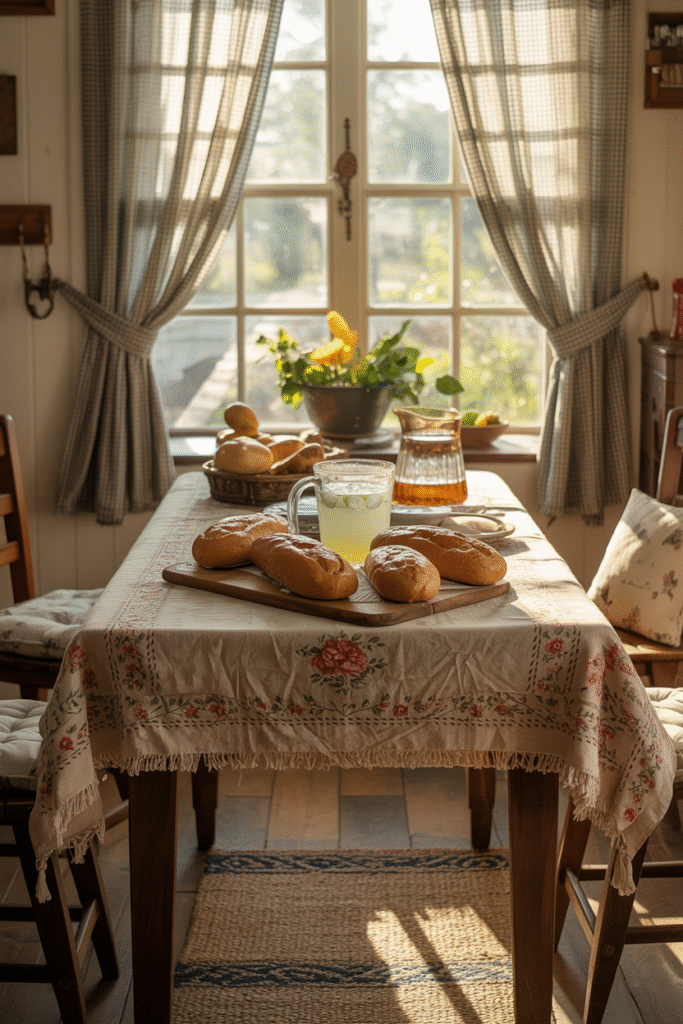
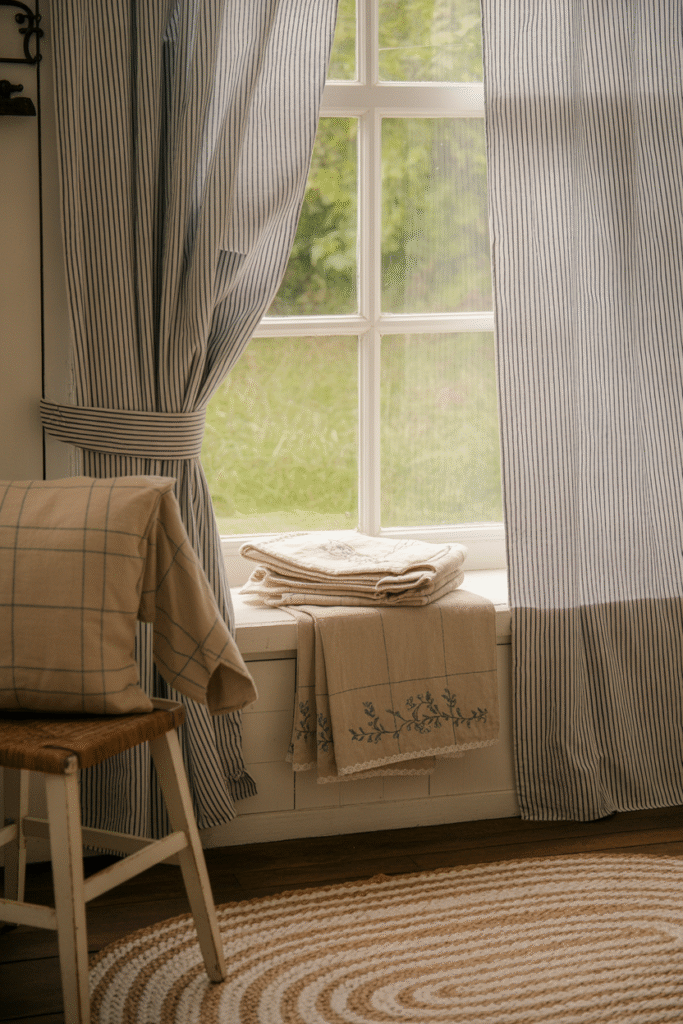
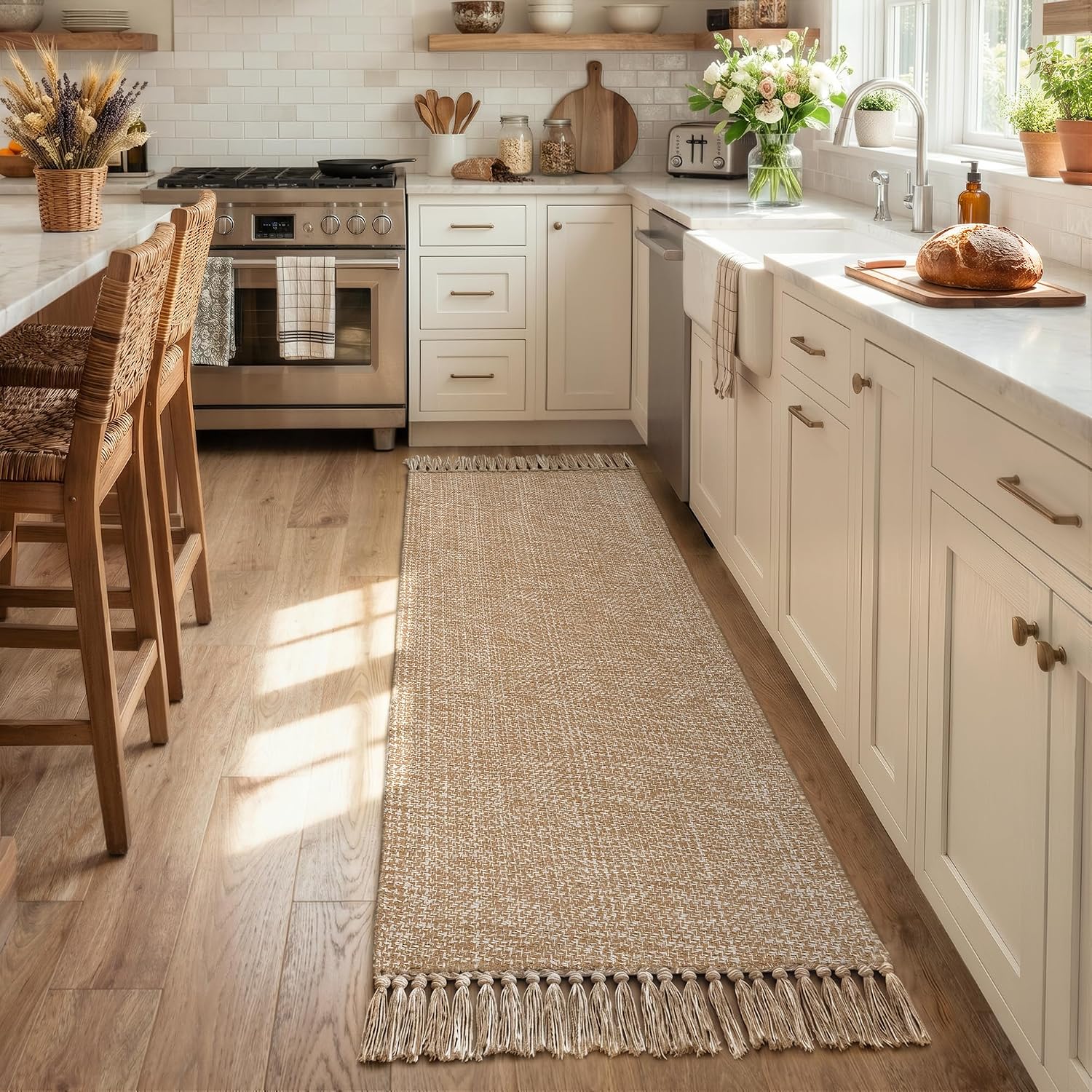
A woven runner, linen curtains, and a stack of textured towels soften a kitchen's hard surfaces — counters, tile, cabinetry — more than any single decor object could.
This is one of the fastest, cheapest ways to add warmth, and one of the easiest to update seasonally.
A kitchen with zero soft textiles almost always reads as cooler than one with even a small amount.

Finish With Decor That Looks Actually Used
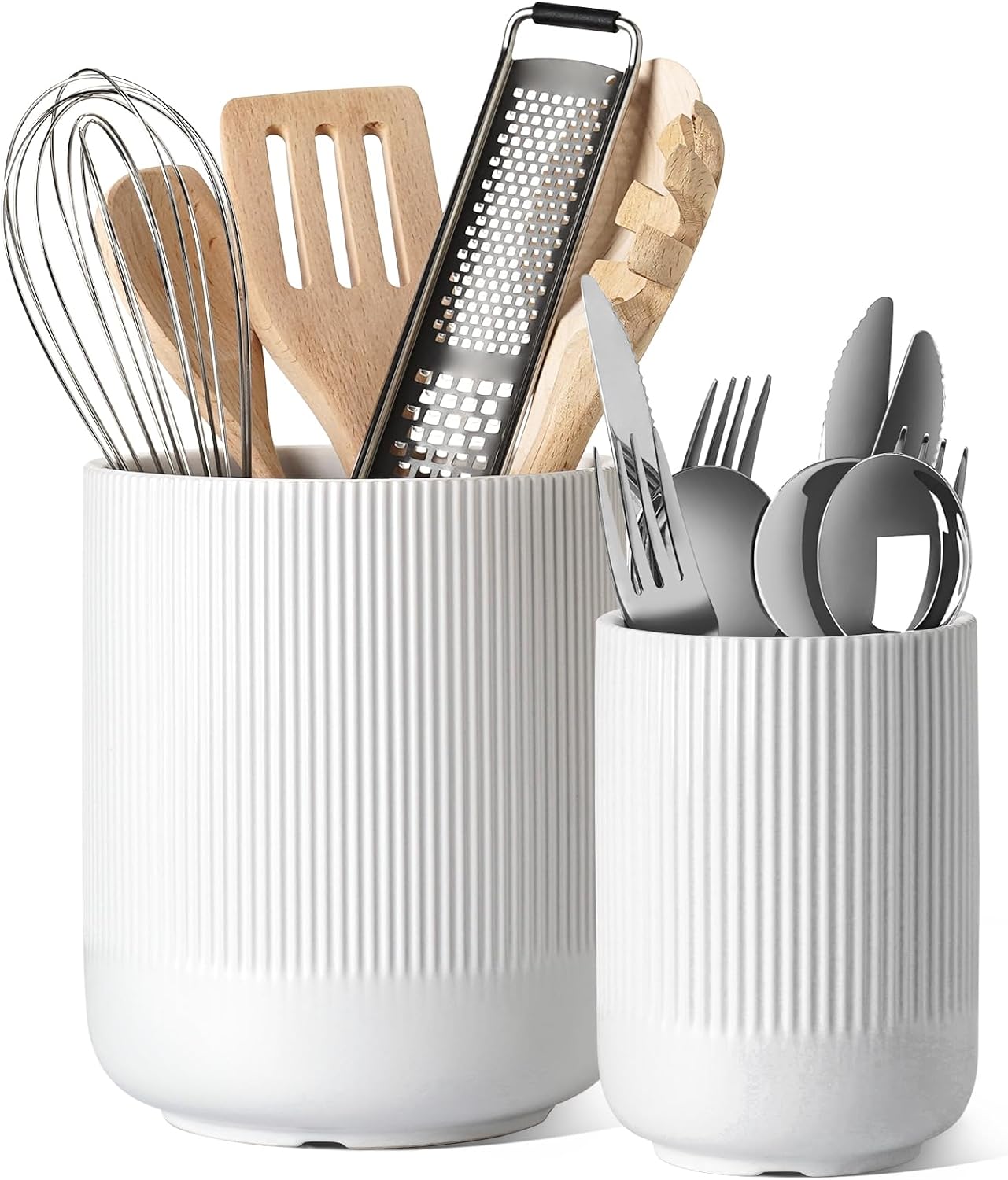
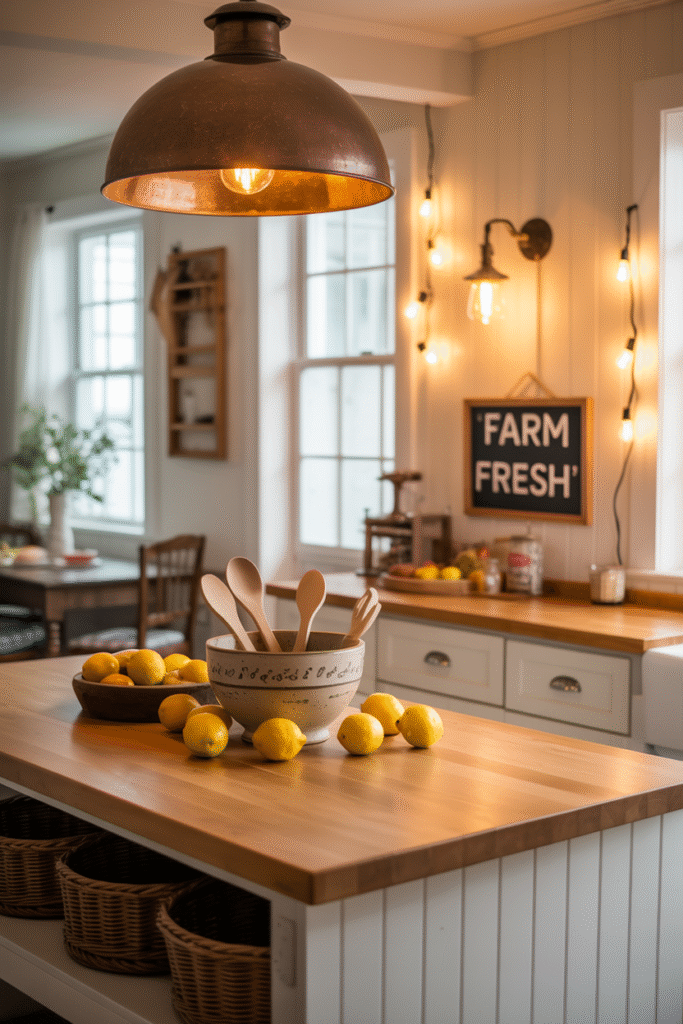
A crock of wooden spoons by the stove, a bowl of fruit on the counter, herbs on the windowsill — decor that looks like it gets touched daily reads as warmer than anything purely decorative.
This is the detail that makes a kitchen feel lived in rather than staged for a photo.
A slightly imperfect, in-use kitchen beats a flawless, untouched one for genuine coziness every time.


Where Natural Wood Fits In
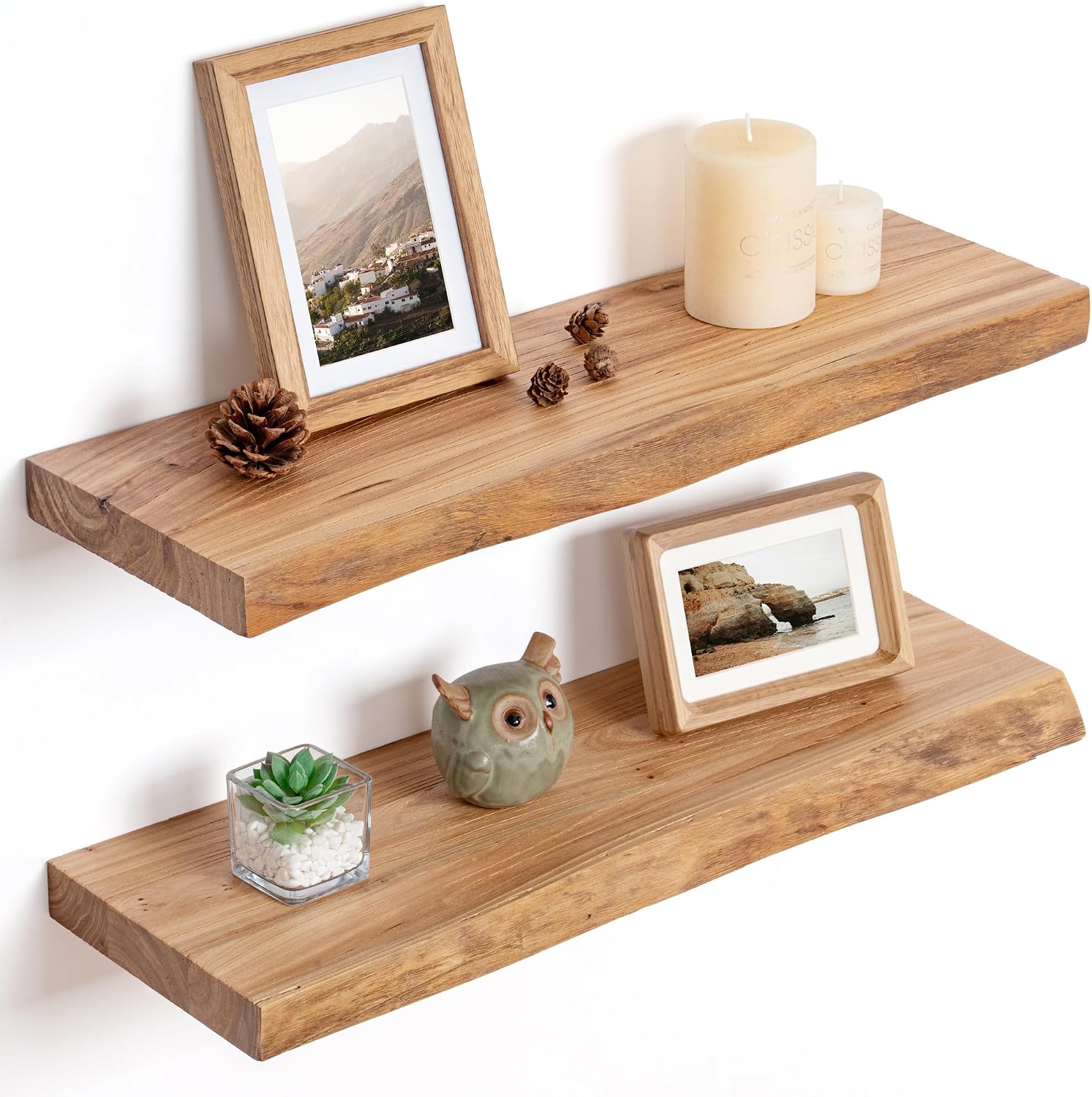
Open shelving in a warm wood tone, or a reclaimed wood accent somewhere in the room, adds real material warmth that painted surfaces alone can't.
This pairs directly with the undertone decision above — a warm wood against a warm-toned base reinforces the same feeling rather than competing with it.



Where the Sink and Island Fit In
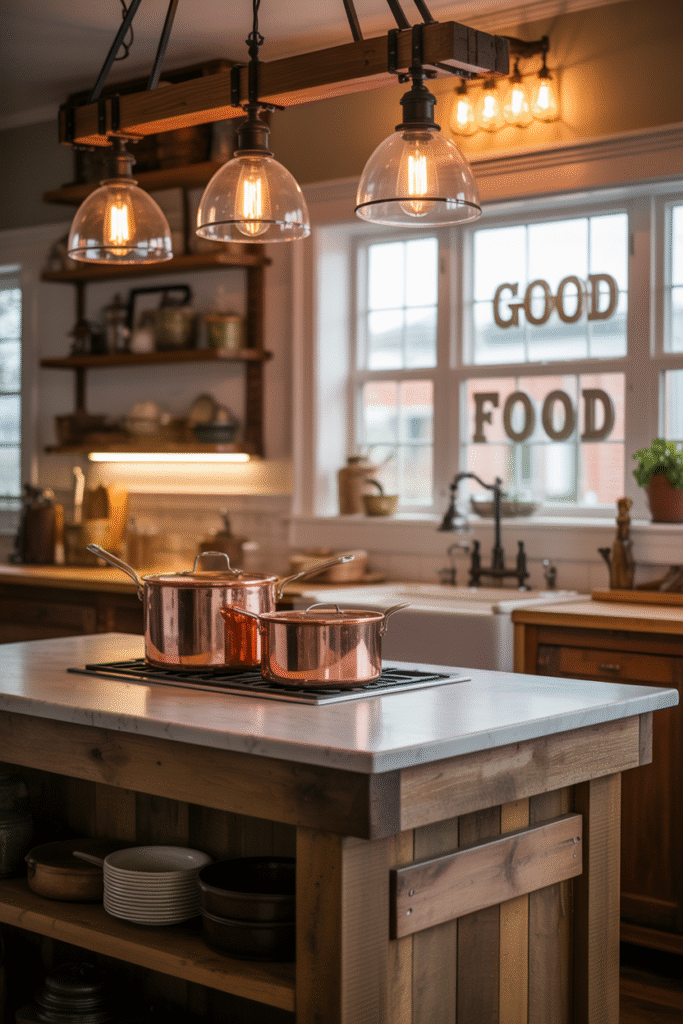
An apron-front sink and a kitchen island are both already well covered as standalone farmhouse features elsewhere — for coziness specifically, what matters is finishing them with the same warm materials and lighting as the rest of the room, rather than letting them read as a separate, colder design choice.


Where Shelving and Lighting Fit In
Open shelving and a statement light fixture both do more for warmth when styled with the same patina, texture and undertone principles covered above, rather than treated as separate structural upgrades.
A warm-toned bulb in an otherwise striking fixture matters more for coziness than the fixture's design alone.




Bring on the Rustic Charm
None of these warmth principles require replacing a single farmhouse feature already in the kitchen.
Start with the undertone and the textiles, since both are the fastest to adjust, then layer in genuine vintage pieces and lived-in decor over time.
The features make a kitchen farmhouse. Warmth is what makes it cozy.