
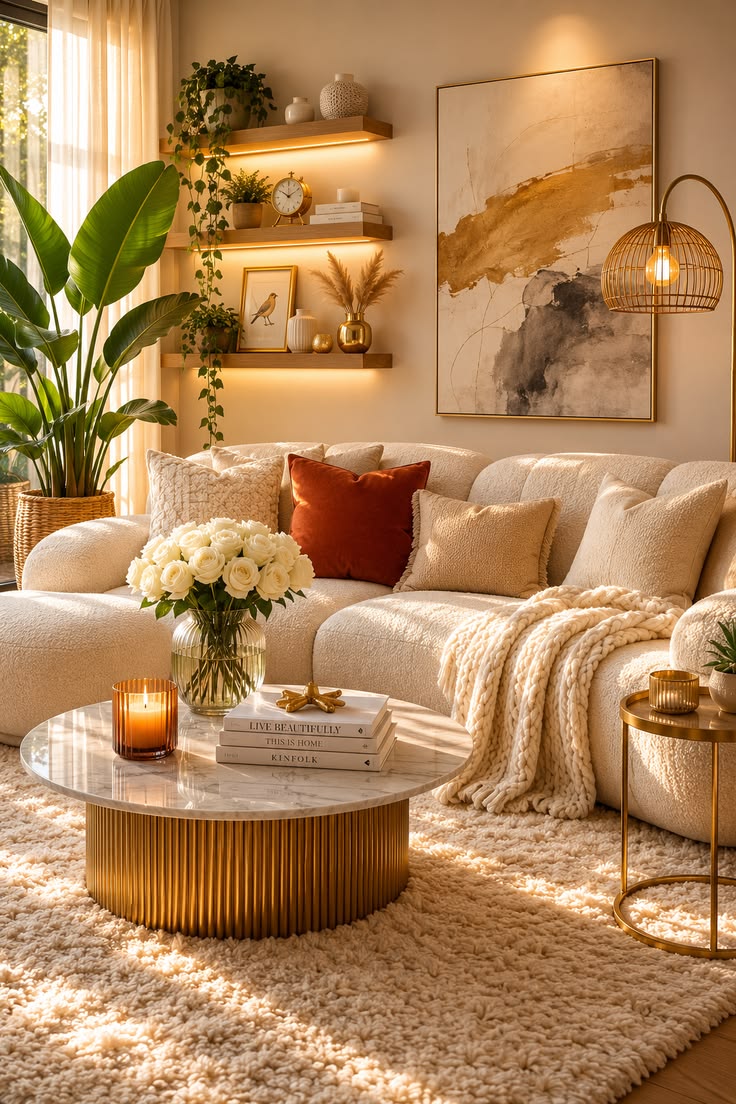
You do not need a designer budget to make your living room look expensive. The right living room decor ideas can make an ordinary sofa, basic coffee table, and simple walls feel surprisingly polished. I have found that the trick rarely comes down to buying more. It comes down to choosing better proportions, better lighting, better textures, and fewer things that actually matter.
I have also learned the hard way that one gorgeous cushion cannot rescue a room with a tiny rug and a ceiling light that makes everyone look like they have not slept since 2017. Good design works from the foundation upward.
This post also includes Amazon affiliate links. As an Amazon Associate, this site earns from qualifying purchases at no extra cost to you.


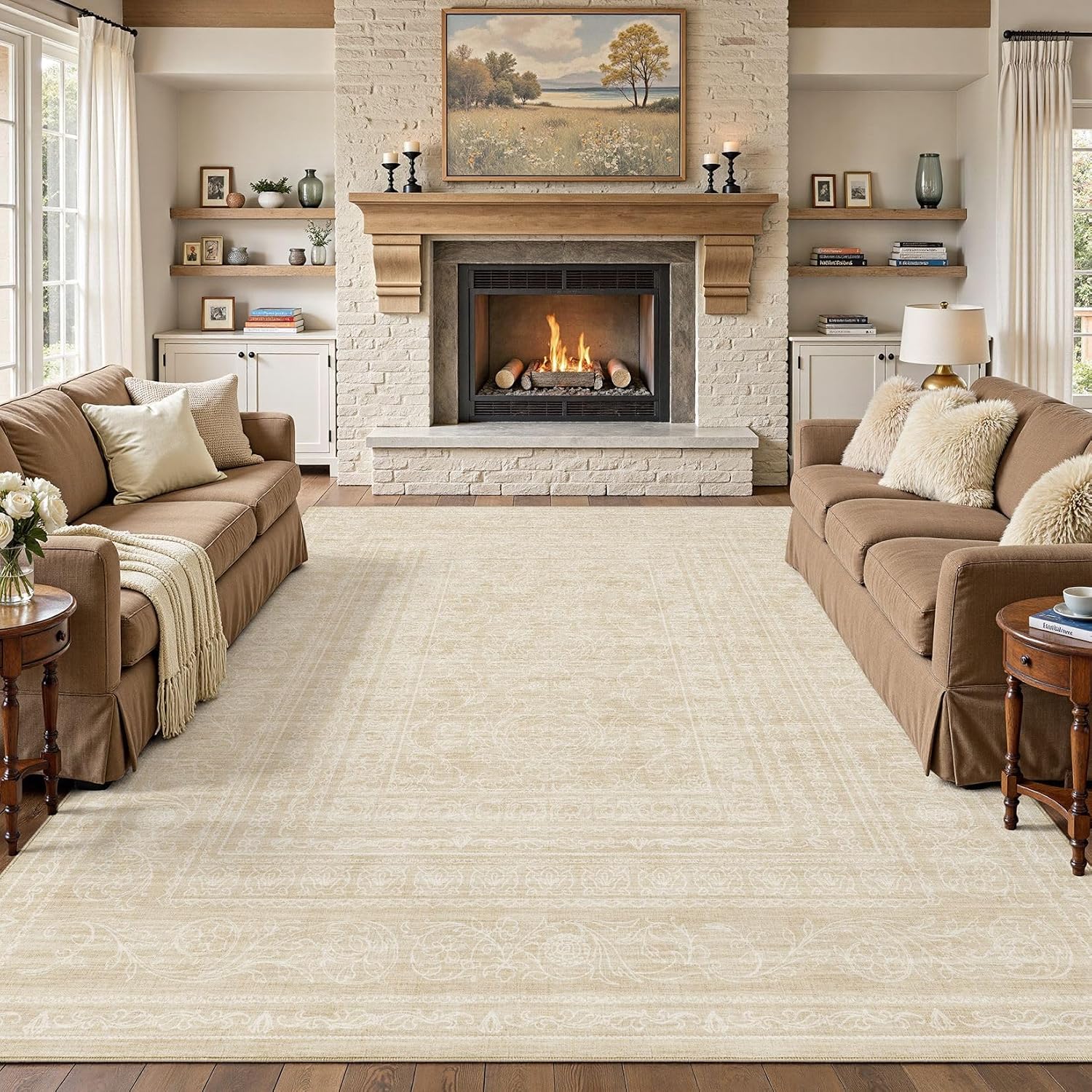
So, what actually makes a living room feel expensive? And which upgrades deserve your money first?
Let us talk about the details that create that collected, designer-style feeling without turning your home into a showroom.
What Makes a Living Room Look Expensive?
A luxurious-looking living room usually has one thing in common: everything feels intentional.
You can spend thousands on furniture and still end up with a room that feels flat. Meanwhile, an affordable room can look beautifully finished when the scale works, the lighting feels warm, the textiles have depth, and the decorative pieces have enough breathing room.
Interior designers often emphasize proportion before price. The National Design Academy makes the point clearly:
“The first thing a trained eye notices in a room isn't the sofa or the art, it's whether the proportions hold together.”
That idea completely changed the way I approach decorating.
Before I buy another accessory, I look at the big picture. Does the rug anchor the seating? Does the artwork suit the wall? Does the room have enough light at different heights? Does the furniture actually relate to the size of the space?
Those questions matter much more than whether your coffee table came from a luxury showroom.
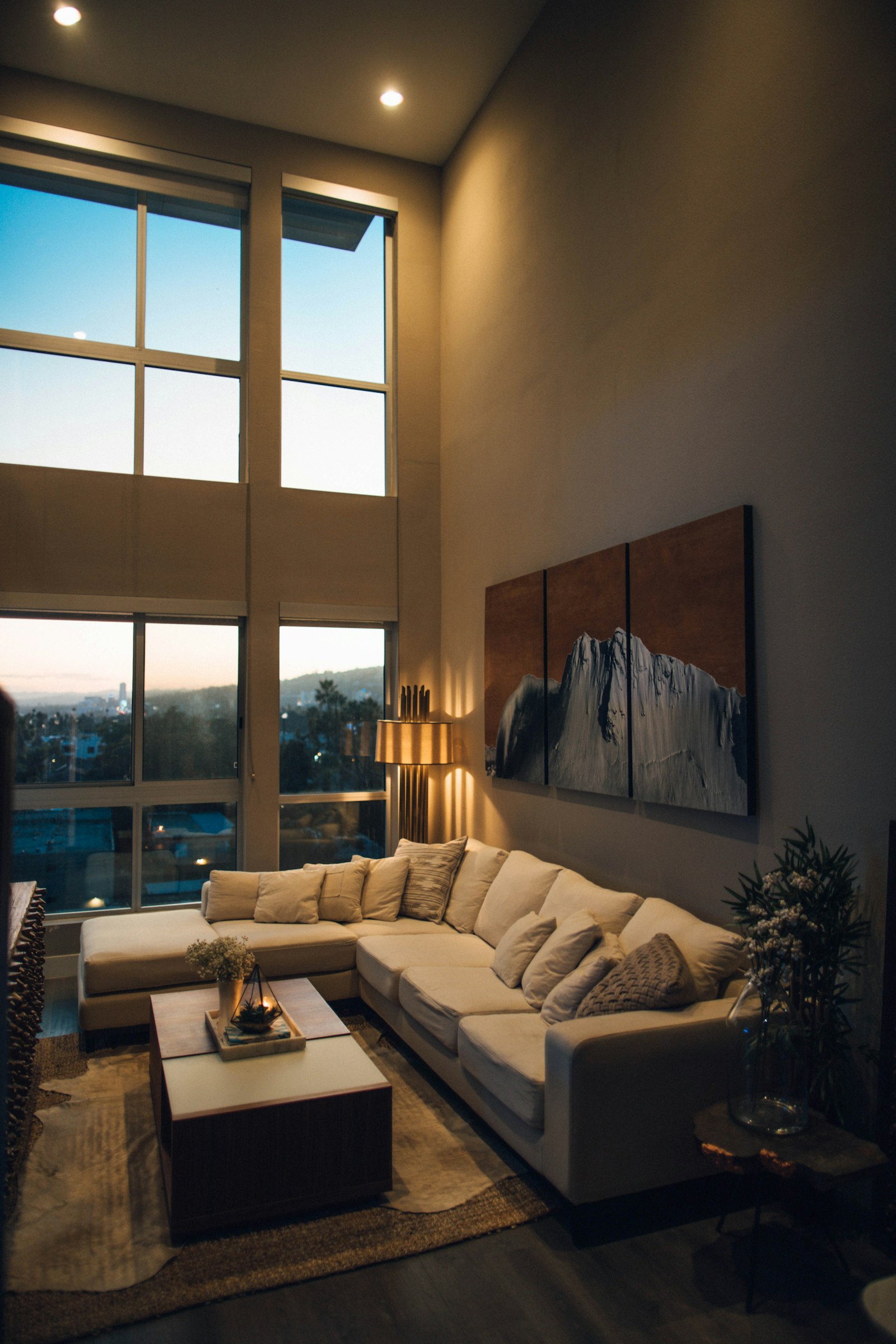


Can You Make a Living Room Look Expensive on a Budget?
Absolutely.
In fact, some of my favorite living room decor ideas cost surprisingly little because they improve what you already own instead of replacing everything.
Think about curtains. A basic curtain panel can suddenly look custom when you hang it higher and let it reach the floor. Think about lighting. Adding one beautiful floor lamp can completely change a dark corner. Think about styling. Removing half the little objects from a coffee table can make the remaining pieces look far more intentional.
Recent design guidance keeps returning to the same principle: scale, lighting, textiles, and restraint often matter more than the price tag.
That gives you plenty of room to work with a realistic budget.
What Should You Fix First in a Living Room?
I would always start with the bones of the room.
Before you start shopping for decorative bowls and another vase that you absolutely do not need, check your rug, furniture arrangement, curtains, lighting, and wall balance.
Ask yourself:
- Does the rug feel large enough for the seating area?
- Does the furniture float awkwardly in the room?
- Do the curtains actually reach the floor?
- Does the room have more than one light source?
- Does the wall above the sofa feel properly scaled?
- Do you have too many tiny decorative pieces?
You can often transform the room without touching the sofa.
That approach also saves money, which I consider a pretty excellent design feature.
“A room that looks expensive is rarely the one that spent the most.”
— PatchDecor, 7 Hidden Details That Make a Living Room Look Expensive
Why Does Layering Make a Living Room Feel More Luxurious?
Luxury interiors rarely rely on one material, one color, or one light source.
They create depth through layers.
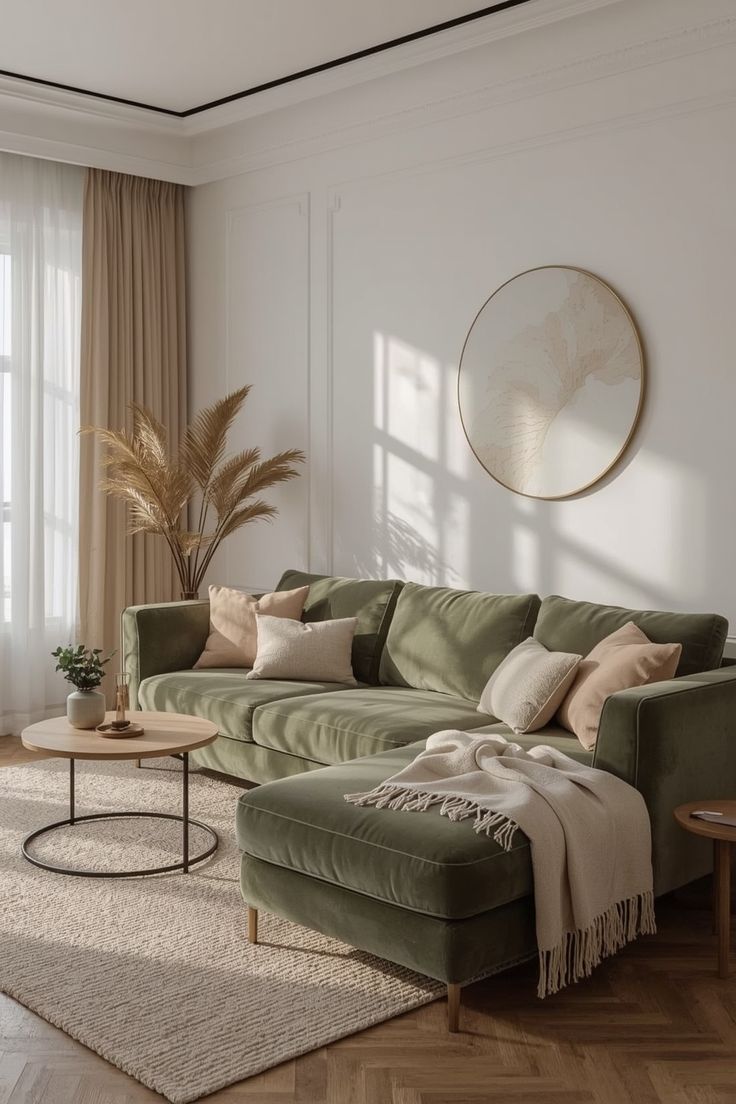
You might see linen beside velvet, wood beside metal, a soft rug beneath structured furniture, and warm lamps glowing against natural daylight. Your eye moves around the room because nothing feels completely flat.
That same principle applies to color. A room with three related shades often looks more sophisticated than a room with ten unrelated ones.
I like to think of the process as editing rather than decorating. Every item needs a reason to stay.
And yes, sometimes the most expensive-looking change involves putting something in a cupboard.


17 Living Room Decor Ideas That Make Your Space Feel Instantly More Expensive
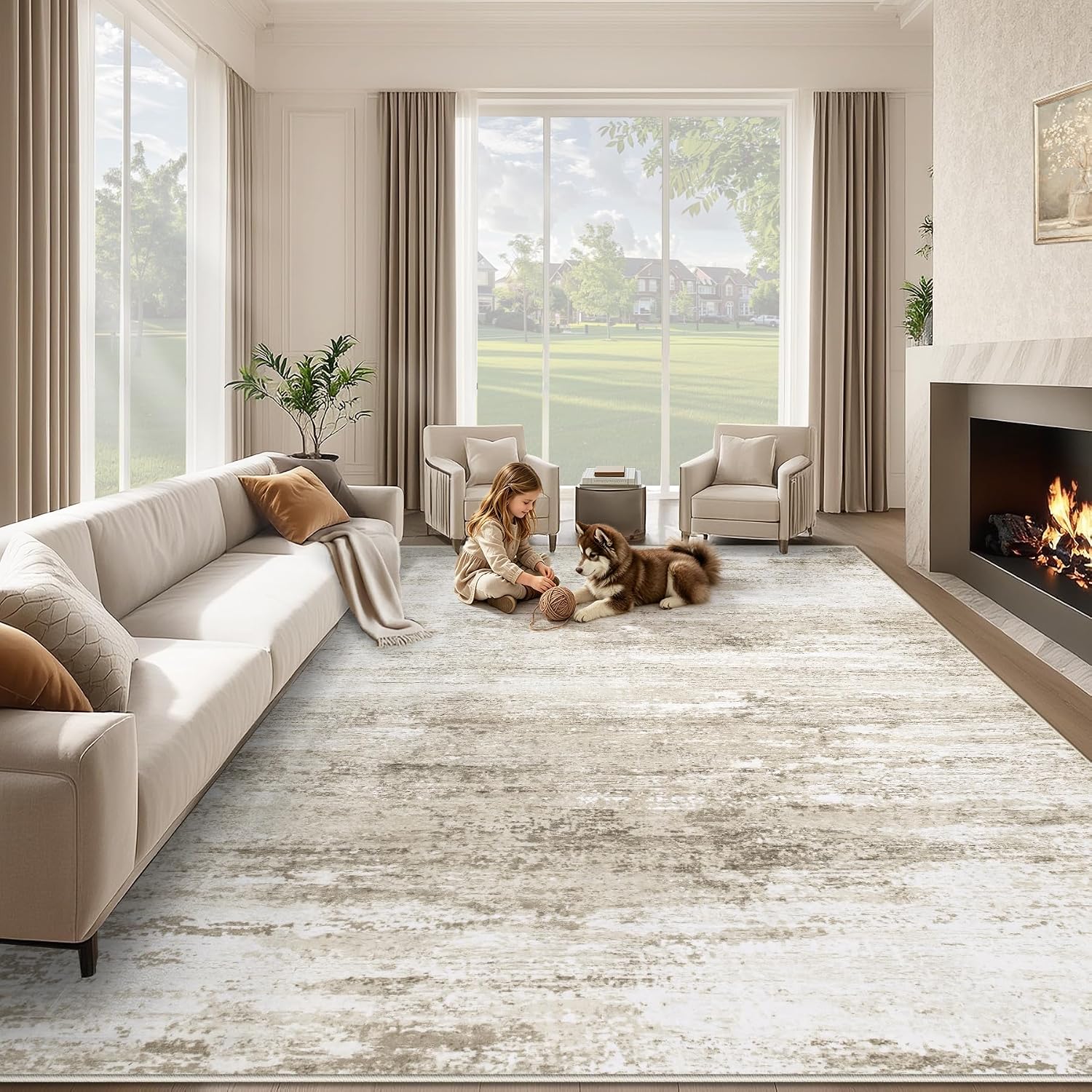
Choose an Oversized Rug
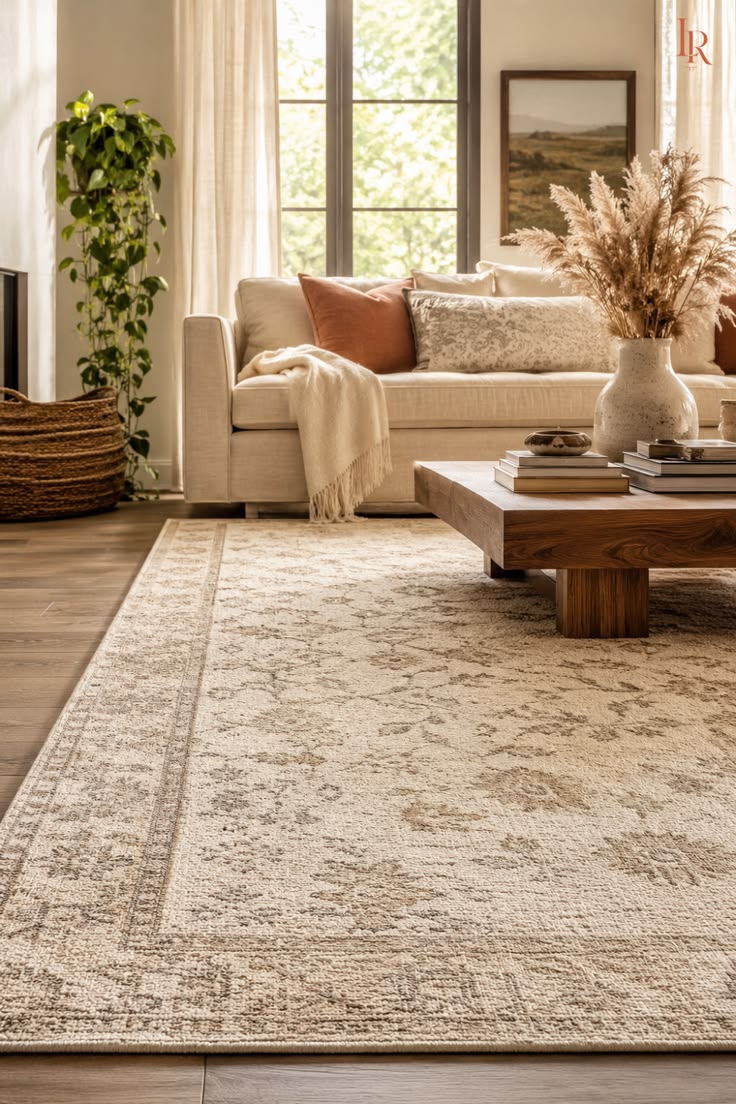
A properly sized rug can completely change your living room decor.
This ranks near the top of my list because I see the same mistake constantly: people choose rugs based on the empty floor space rather than the furniture grouping.
A rug should visually connect your seating instead of sitting like a small island underneath the coffee table.
Whenever possible, place at least the front legs of your main seating pieces on the rug. That simple change makes the furniture feel connected and gives the entire room a more substantial foundation.
Interior designer Marie Flanigan also recommends starting with a properly scaled rug because it helps anchor the room and improve the overall sense of proportion.


Hang Curtains Higher and Wider
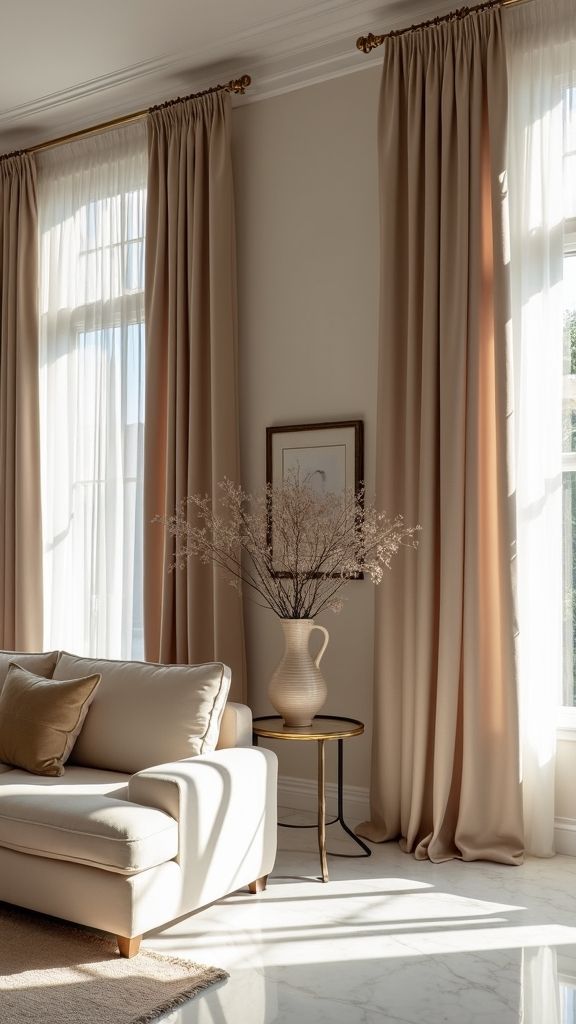
Want one of the easiest ways to make your living room feel taller?
Move the curtain rod.
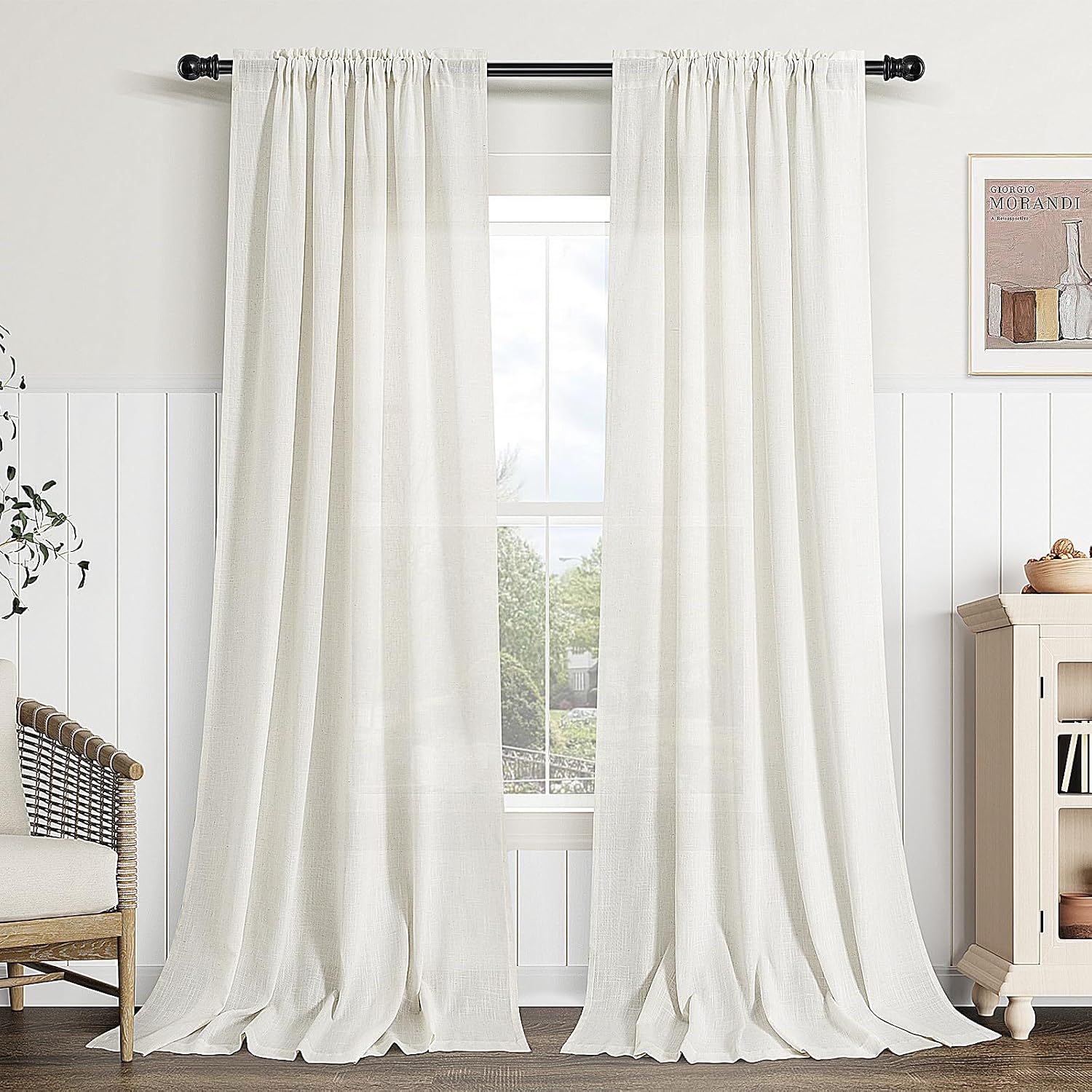
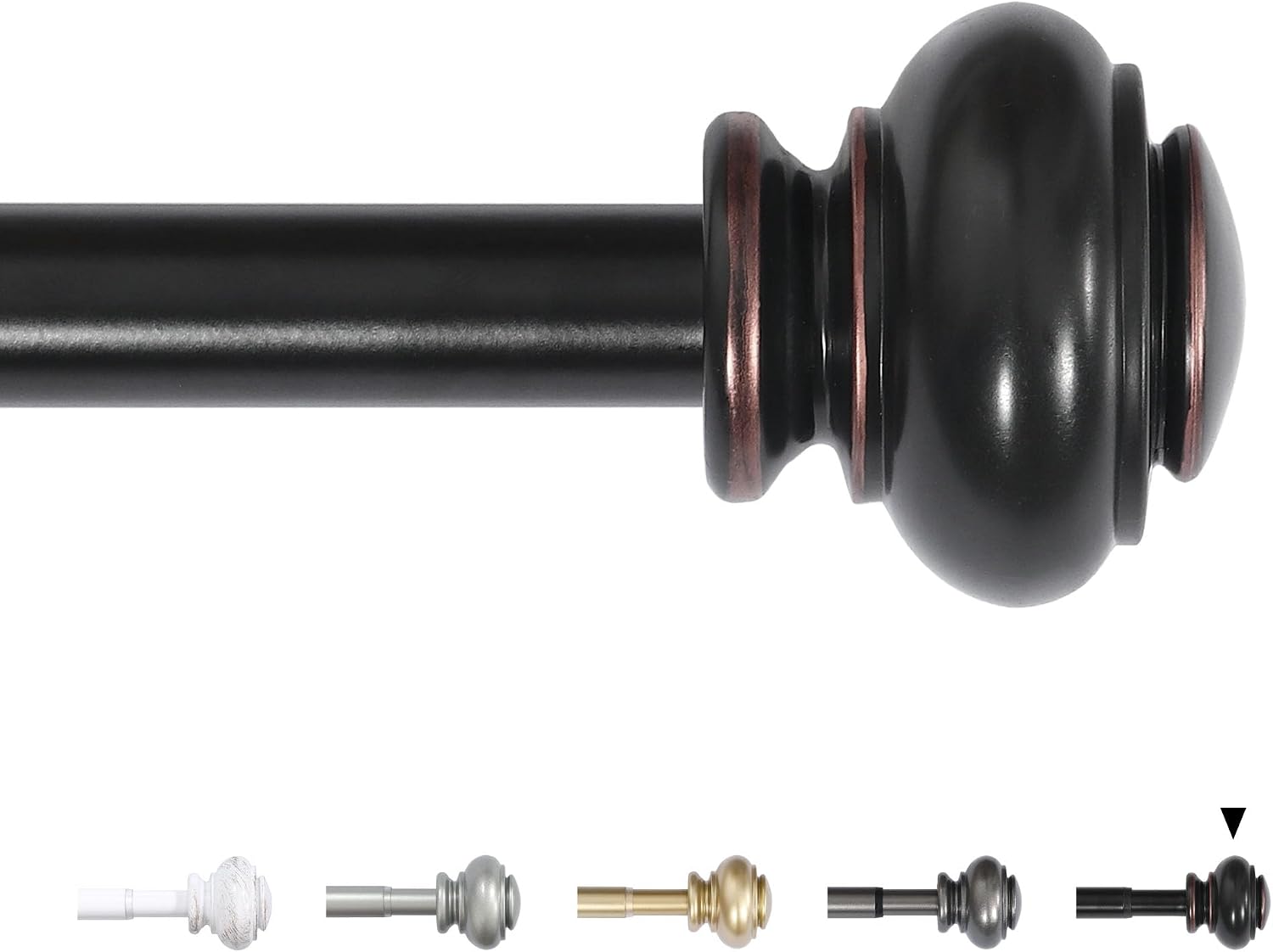
Mount your rod several inches above the window frame, or bring it closer to the ceiling when the room allows. Then extend the rod beyond the window so the fabric frames the glass instead of covering half of it.
Most importantly, let the curtains reach the floor.
Floor-length curtains instantly give the windows more visual importance. They also soften the room and add a layer of fabric that makes inexpensive furniture feel more considered.
Designers continue to recommend floor-length treatments because they create a cleaner, more polished finish.

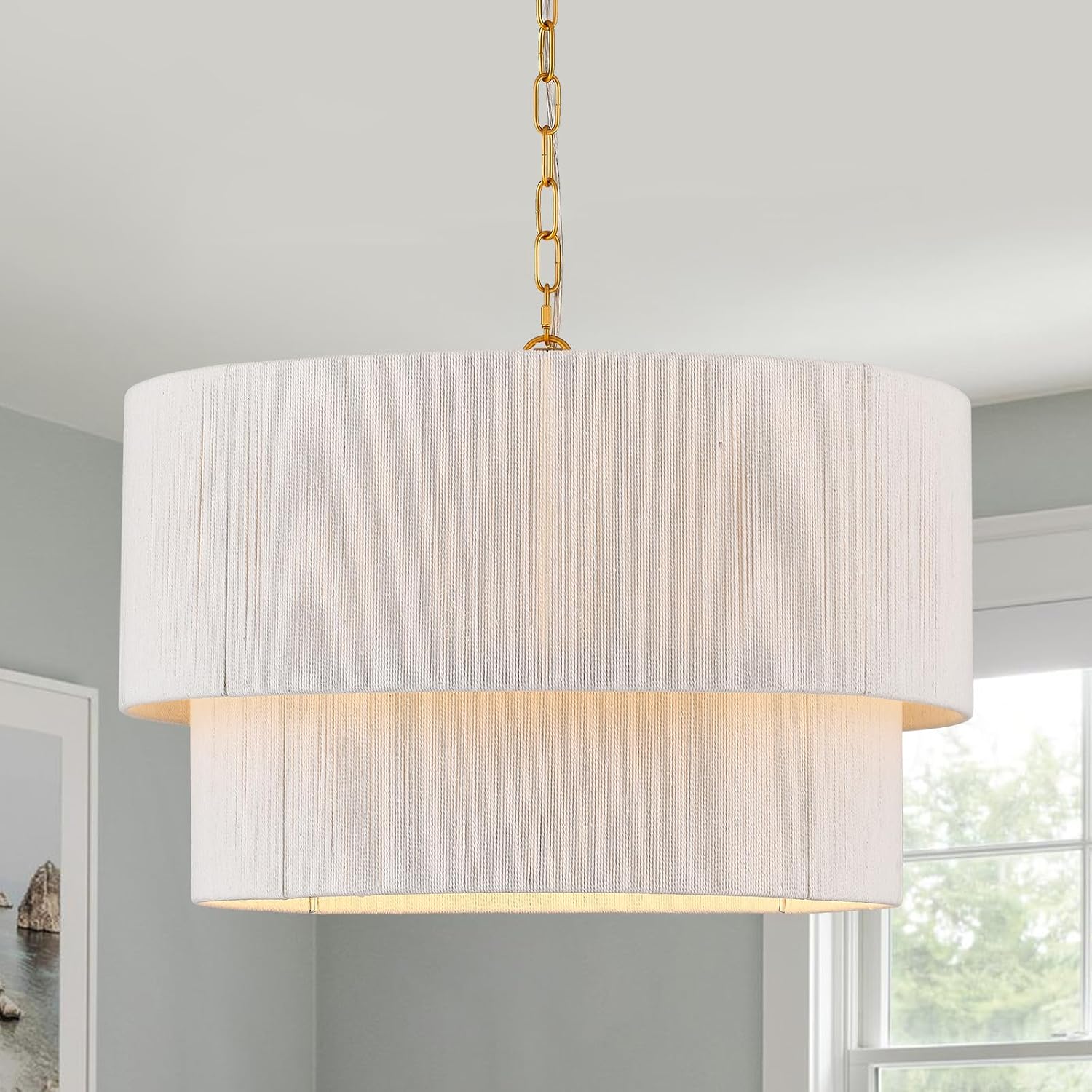
Replace One Harsh Ceiling Light With Layered Lighting
This might be my favorite living room decor idea on the entire list.
A single overhead fixture usually gives you one brightness level and one direction of light. That rarely creates the cozy atmosphere you see in beautiful interiors.
Instead, layer your lighting.
Try three different heights
- A floor lamp beside the sofa
- A table lamp on a console or side table
- A ceiling fixture for general illumination
- Accent lighting near artwork or shelving
Layered lighting gives the room depth and lets you change the atmosphere depending on the time of day.
House Beautiful recently asked six designers which finishing touch makes a room look more expensive, and they all pointed toward layered lighting.
That consistency says a lot.


Add One Large Piece of Artwork
Tiny artwork often makes a large wall feel strangely unfinished.
Instead of filling every inch with small frames, choose one substantial piece that gives the wall a clear focal point.
A large abstract canvas, oversized landscape, vintage print, or dramatic photograph can create the feeling of a curated interior without requiring a huge collection.
I especially like oversized art above a sofa because it gives the room a visual anchor immediately.
Hang it at a comfortable viewing height rather than pushing it toward the ceiling. Interior designers commonly recommend placing artwork around eye level, roughly 57 to 60 inches from the floor to the center of the piece.



Mix Expensive-Looking Textures
You do not need genuine luxury fabrics everywhere.
You need visual texture.
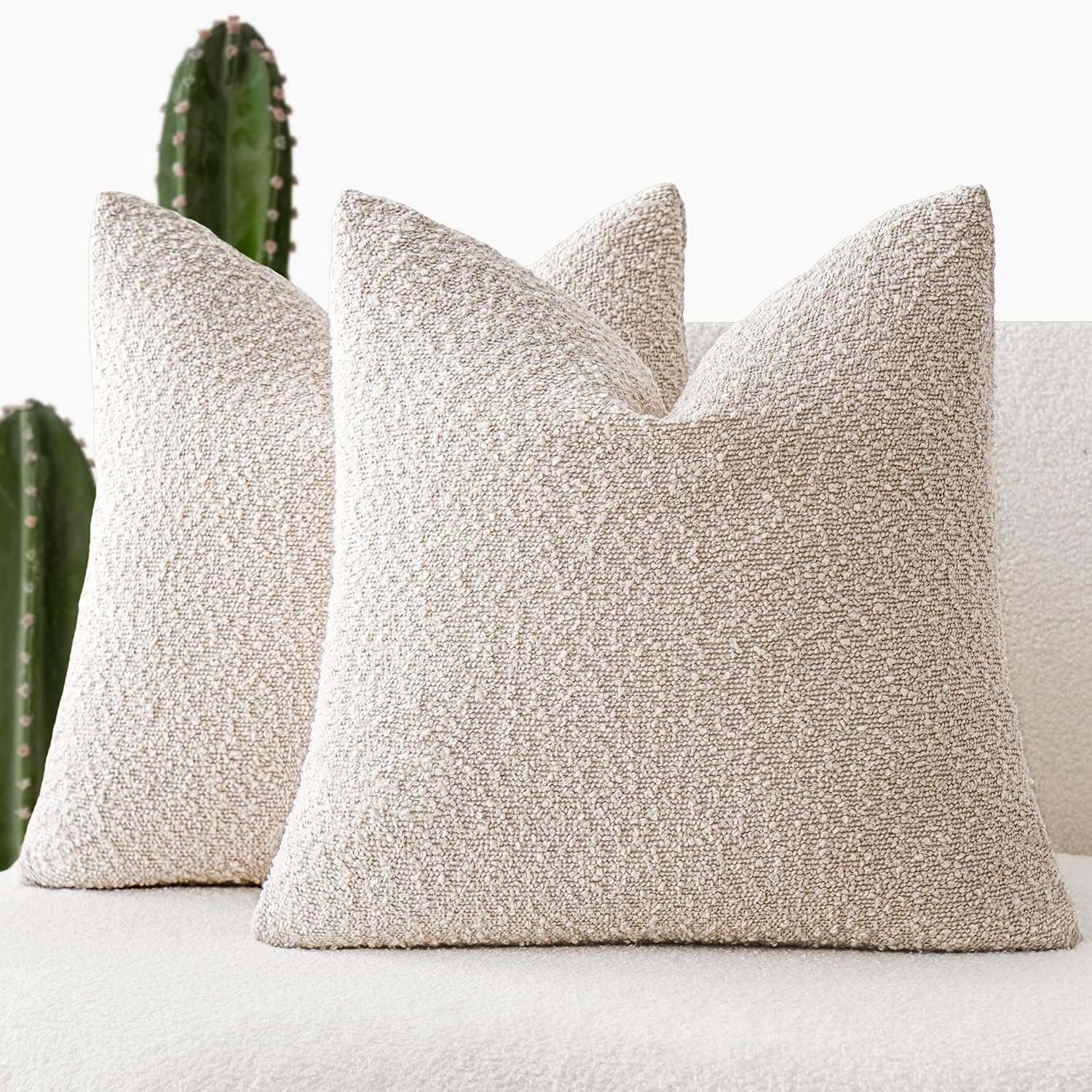
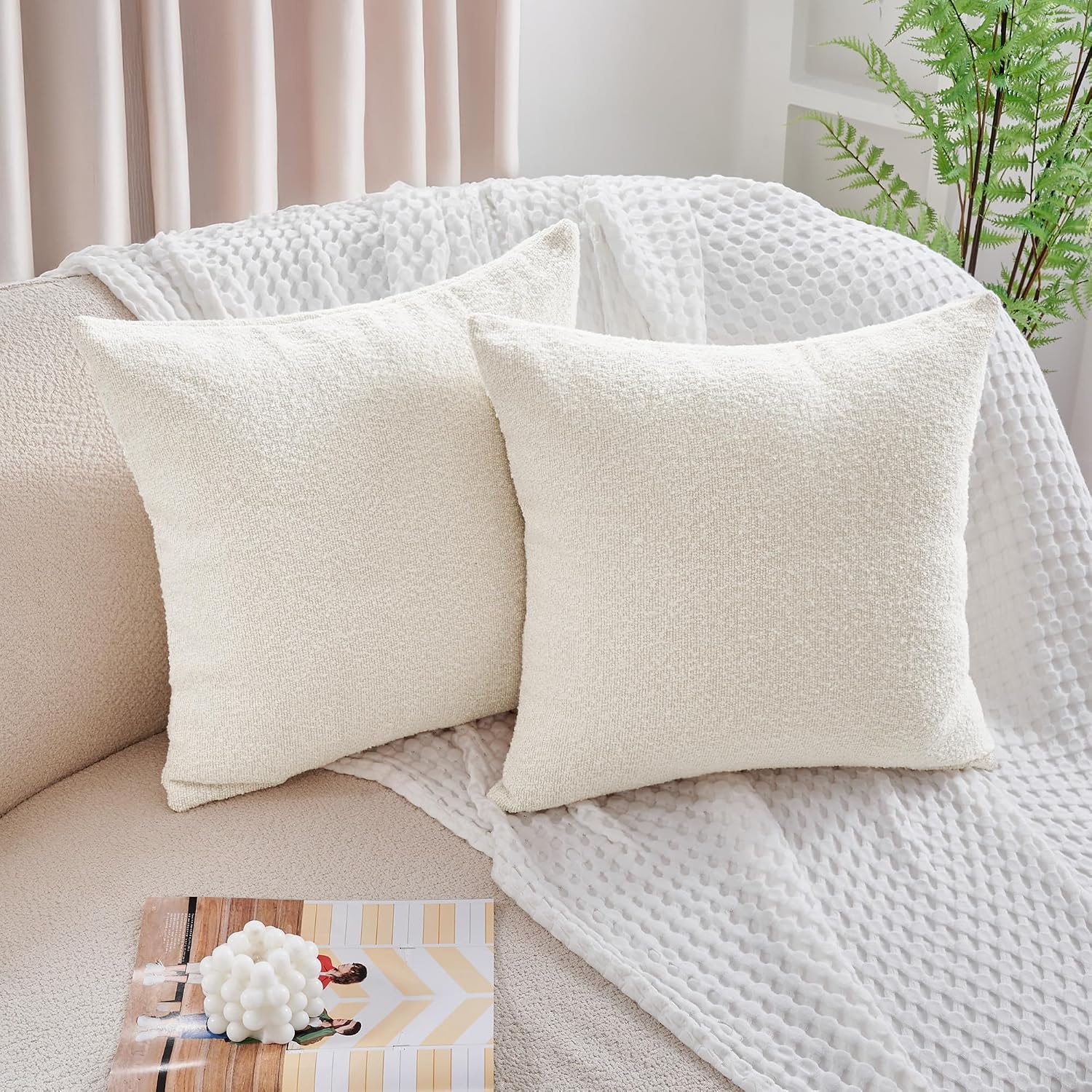
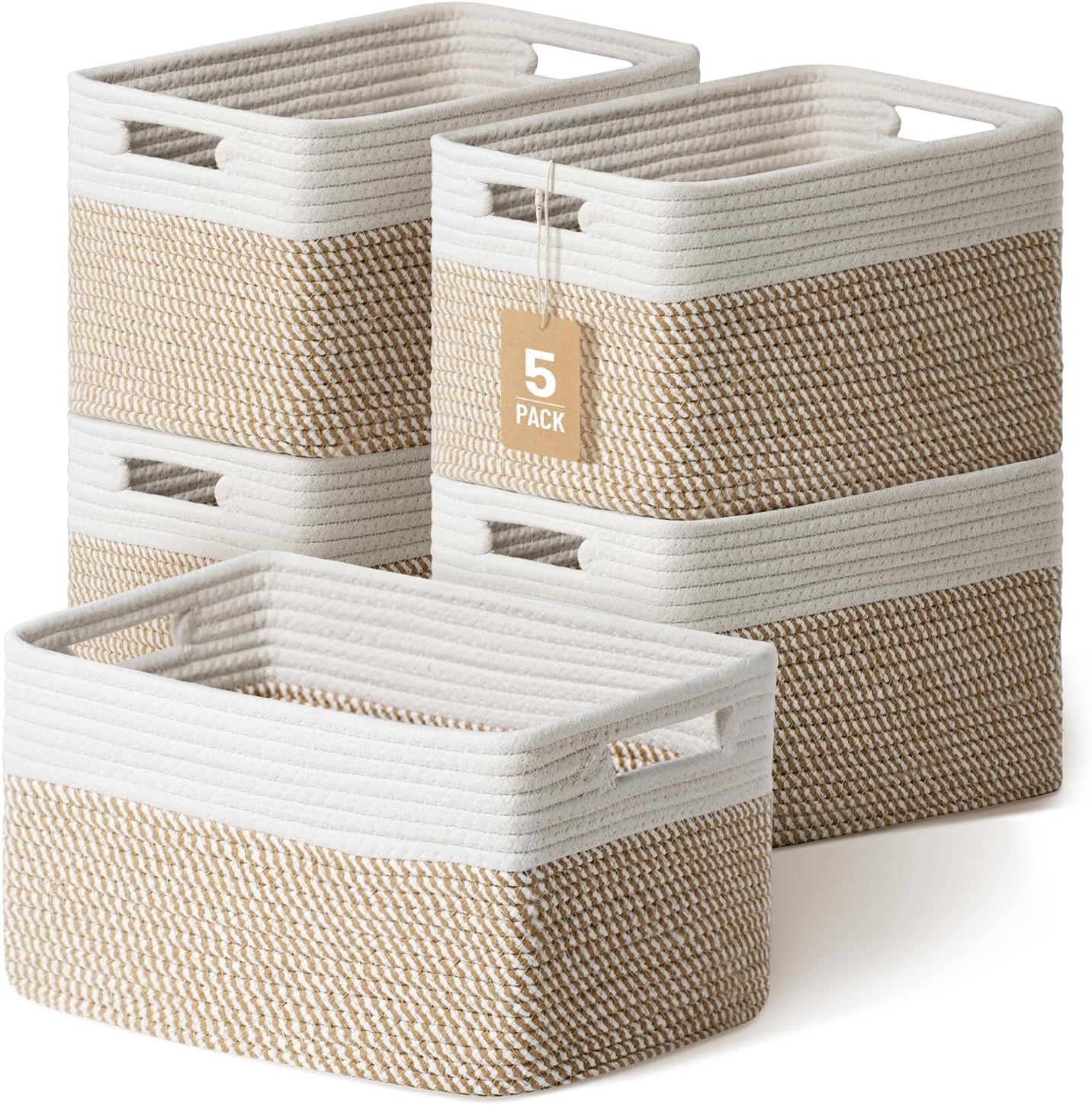
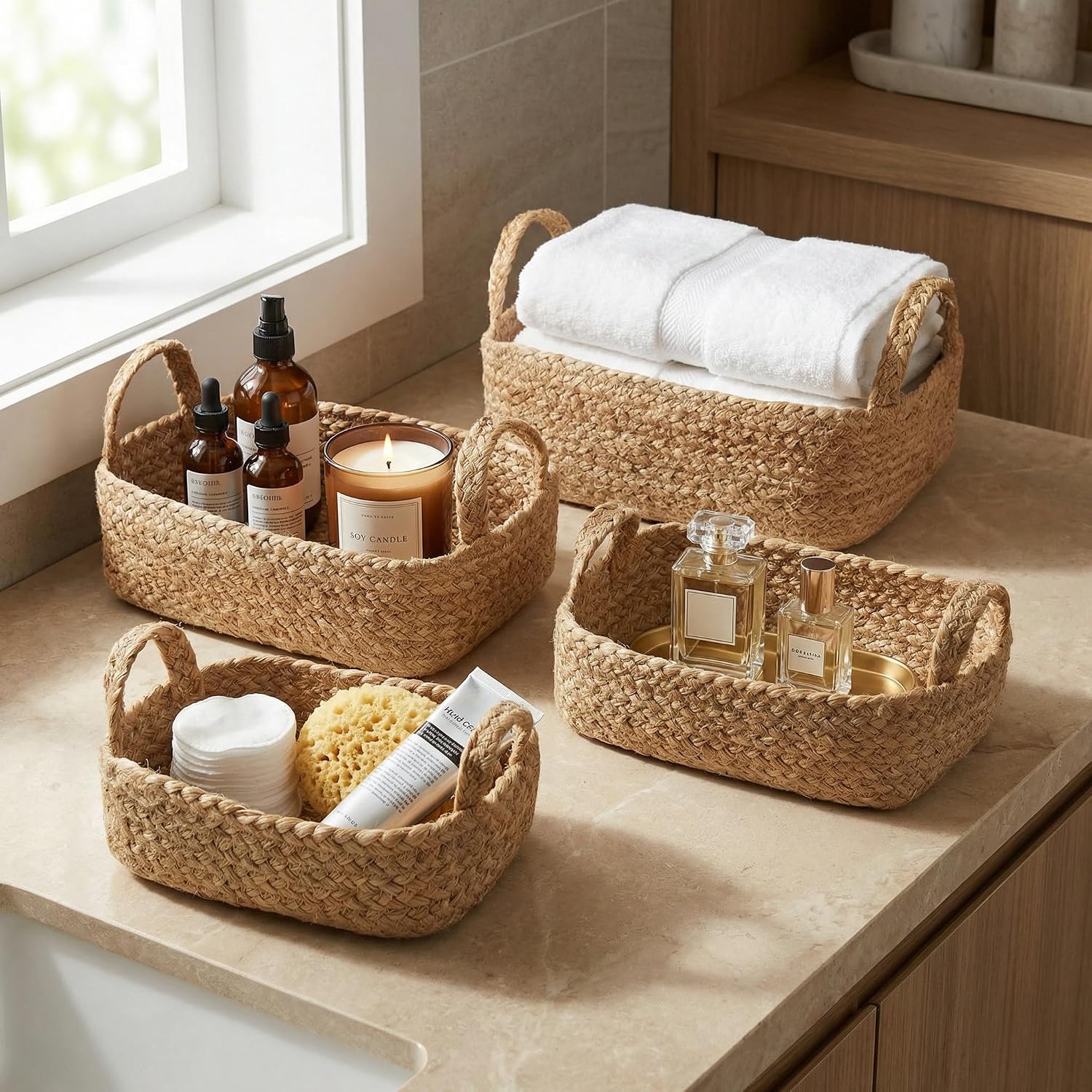
Pair smooth materials with soft ones. Try linen curtains with a boucle cushion. Add a wool-style rug beneath a leather or fabric sofa. Bring in a woven basket beside a sleek side table.
Why does this work?
Texture creates depth even when the color palette stays simple.
A neutral room can feel incredibly sophisticated when it uses several textures instead of several colors.
Keep Your Color Palette Tight
One of the easiest living room decor ideas to overlook involves color discipline.
Pick a small family of colors and repeat them throughout the room.
You might build around warm white, beige, and muted brown. Or try cream, taupe, and soft olive. You can also introduce black as a grounding accent.
The goal does not involve making everything match perfectly. That can actually make a room feel predictable.
Instead, repeat colors in different materials and shapes.
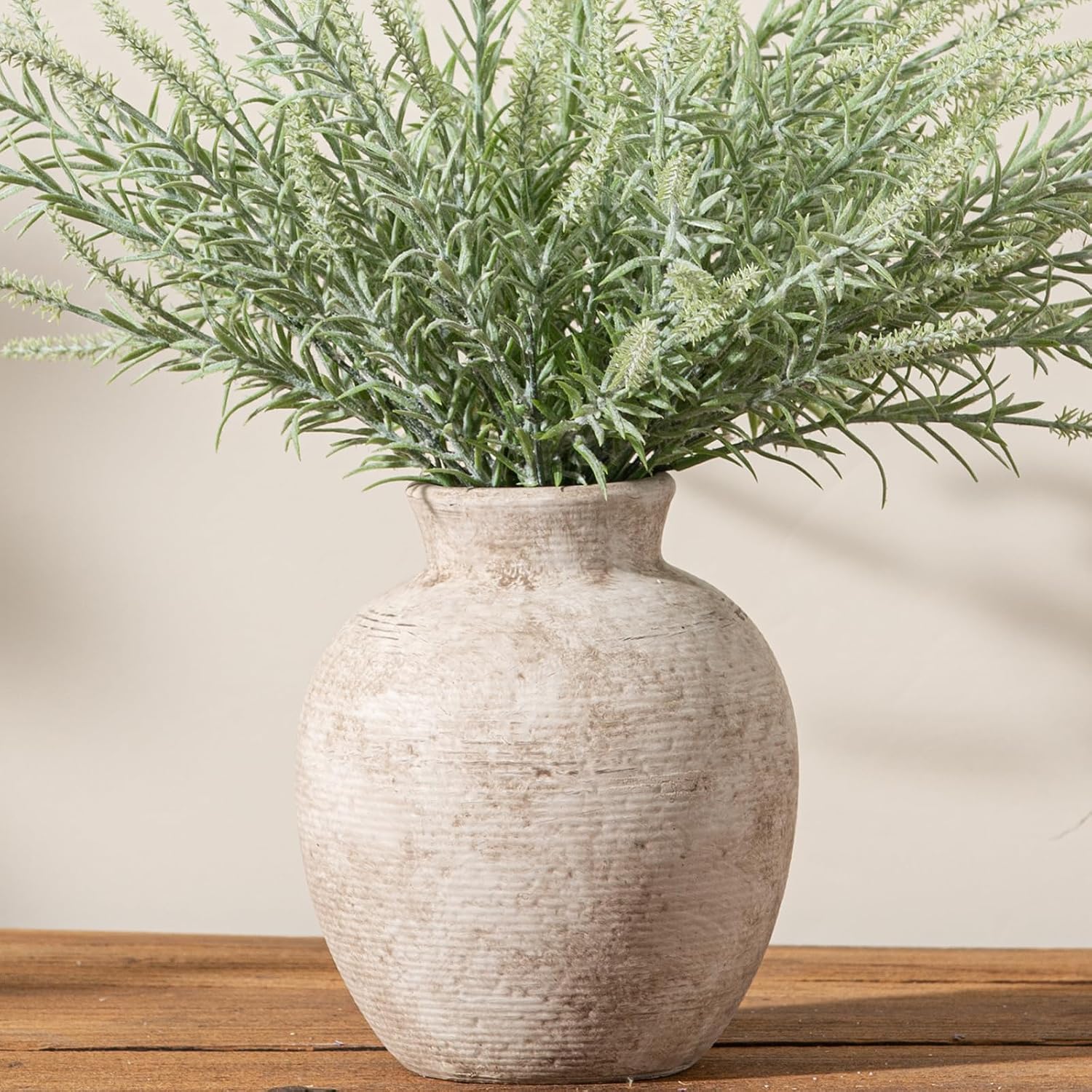
A beige cushion, tan ceramic vase, and warm wood frame can create cohesion without looking like you bought them as a set.


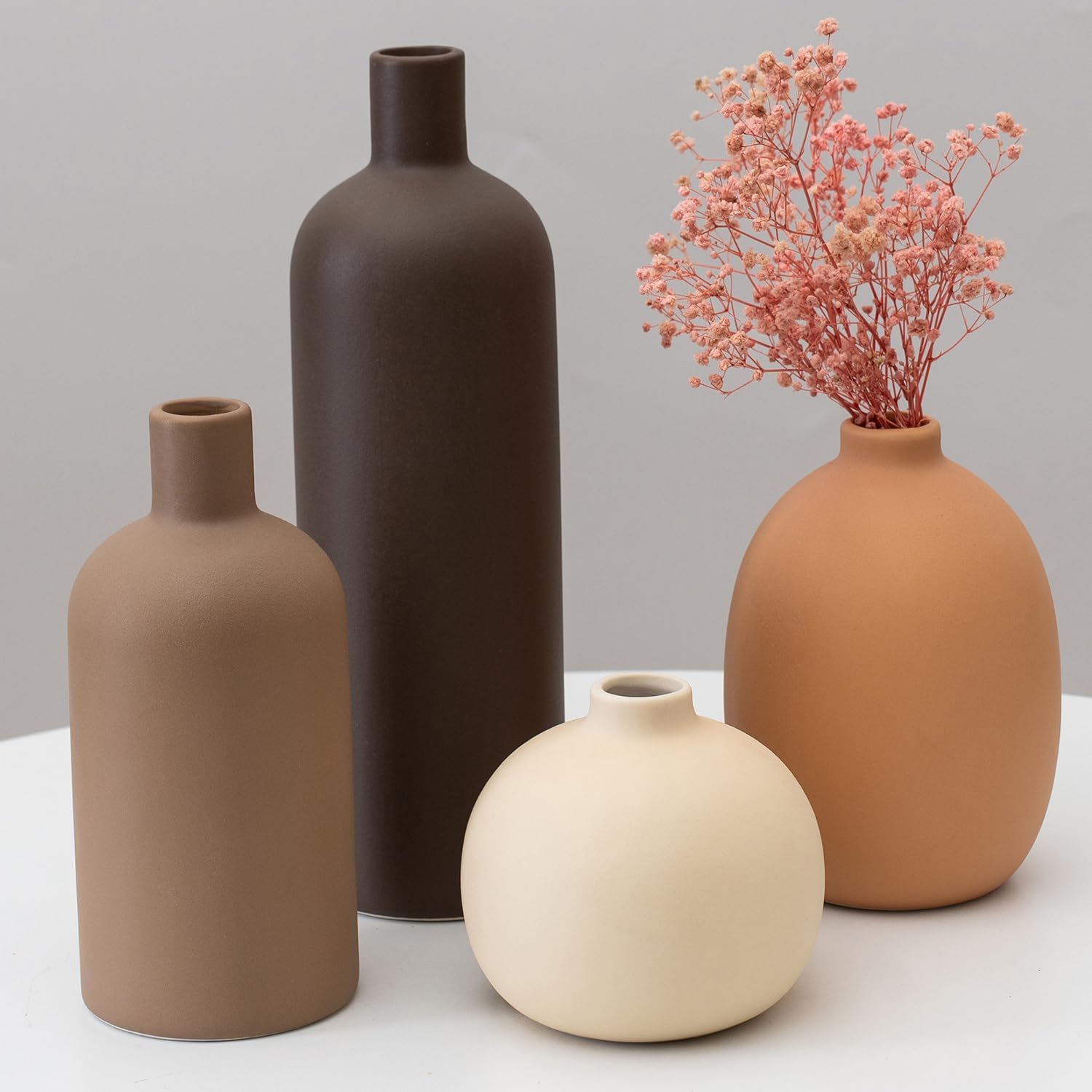
Bring in Natural Materials
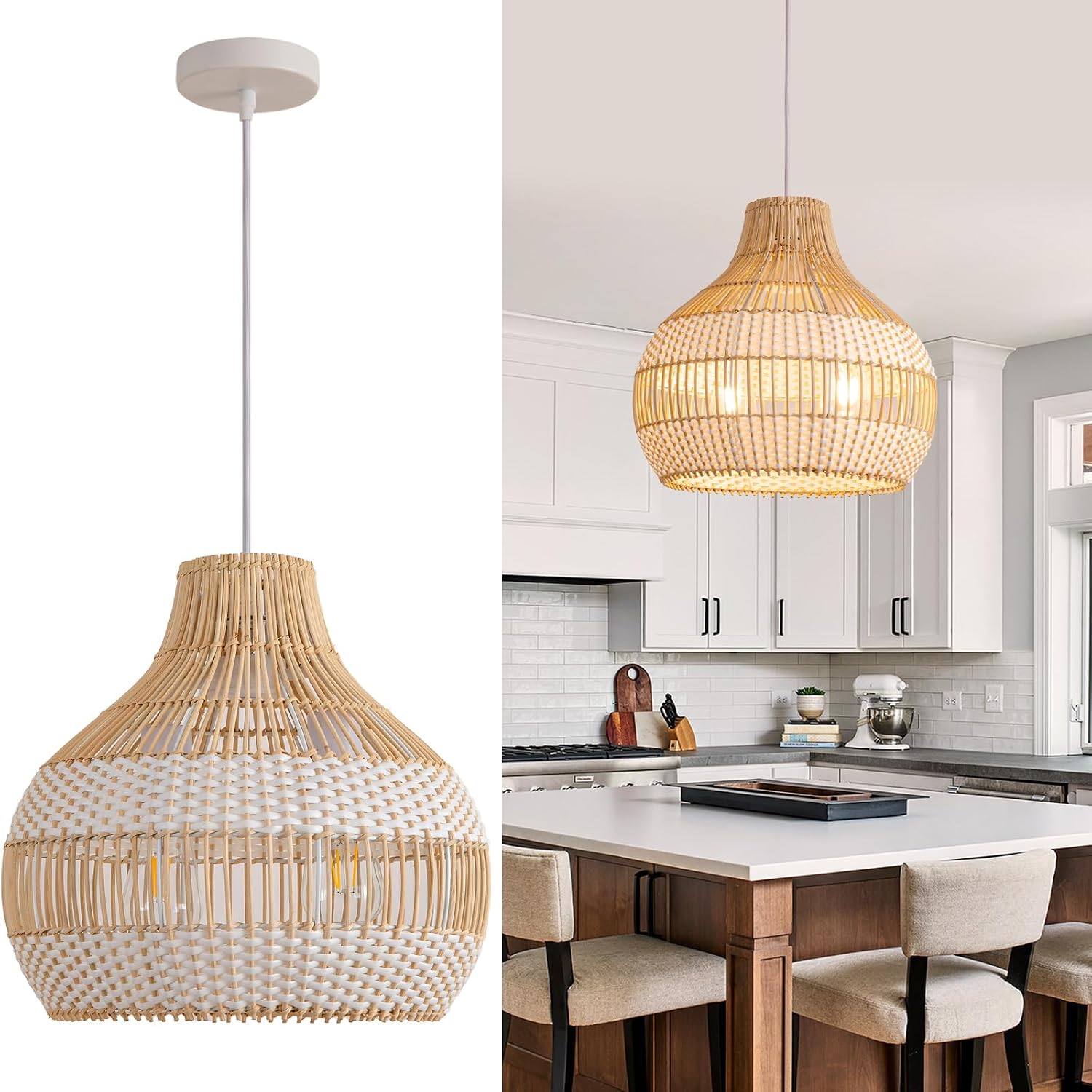
Natural materials instantly give a room more visual character.
Think wood, stone, linen, rattan, ceramic, cane, and woven fibers.
I especially like natural wood because it prevents neutral interiors from feeling sterile. Even one chunky wood stool or a substantial wood side table can introduce warmth.
You do not need ten rustic accessories scattered around the room. One or two strong natural materials often have more impact than an entire shelf of decorative objects.

Give Your Coffee Table More Structure
A coffee table can either make a living room look beautifully styled or make it look like everyone dropped their belongings there.
The difference usually comes down to arrangement.
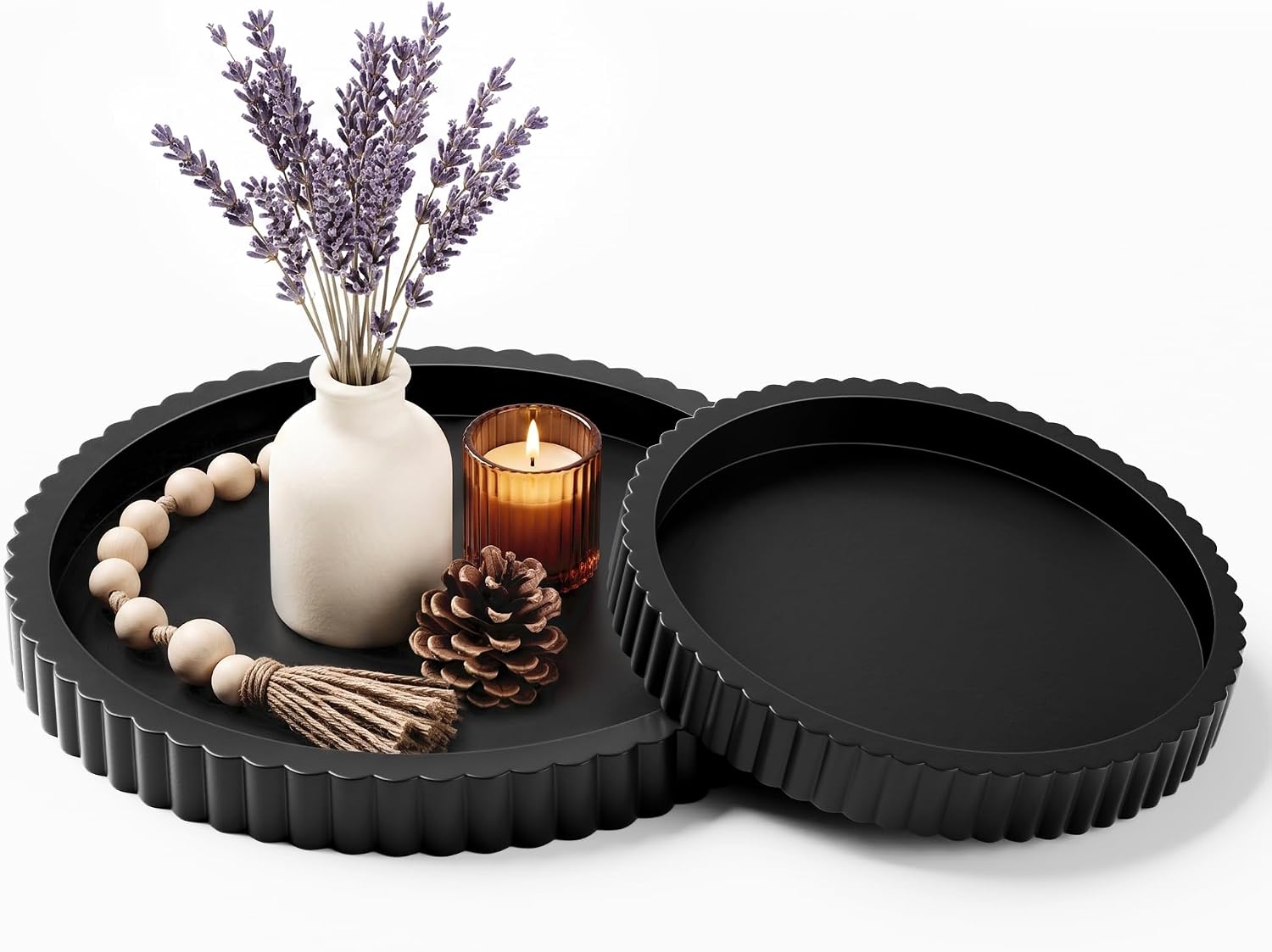
Create a few intentional groupings rather than covering the entire surface.
A simple formula
- A stack of two or three books
- One decorative object
- A low bowl or tray
- Something organic such as flowers or a small branch
Vary the heights so everything does not sit on one visual level.
And please leave some empty space. Your coffee table does not need to audition for a storage unit.


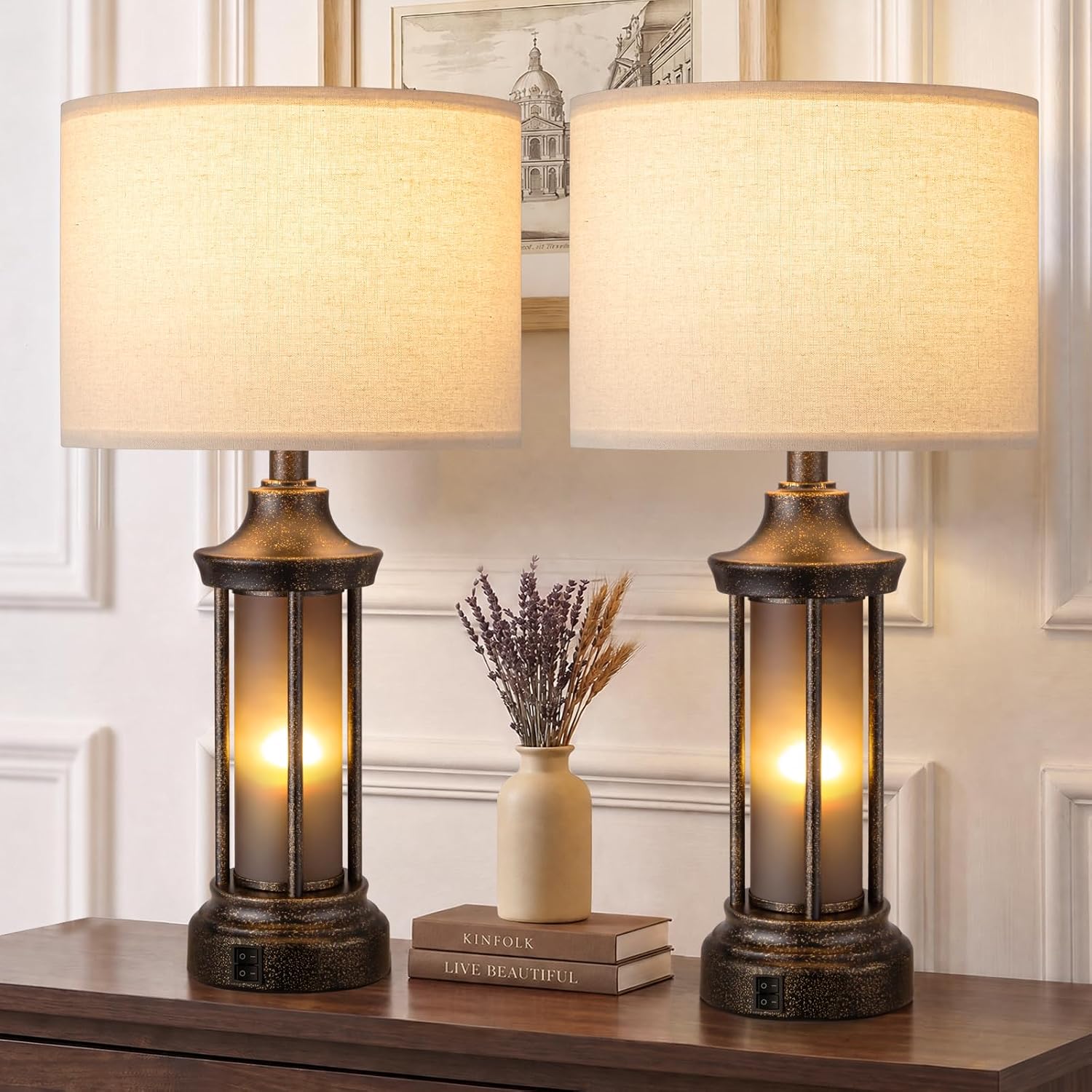
Use Matching Lamps Without Making the Room Feel Too Matched
Symmetry can make a living room feel expensive because it gives the room a sense of order.
Try placing similar lamps on matching side tables beside the sofa or around a large console.
You do not need identical accessories throughout the room. In fact, designers often recommend mixing pieces rather than furnishing everything from one retailer because too much coordination can make a space feel like a showroom.
I like symmetry for major anchors and variation for smaller decorative details.
That combination feels polished without becoming predictable.


Add a Statement Mirror
A large mirror can do far more than decorate an empty wall.
It can reflect natural light, make a room feel larger, and give a blank surface some architectural weight.
Choose a substantial frame rather than a tiny decorative mirror that disappears above the furniture.
A black frame can create contrast. Brass can add warmth. Natural wood can soften the room.
Place the mirror where it reflects something attractive. There is no point creating a beautiful reflection of the laundry basket.


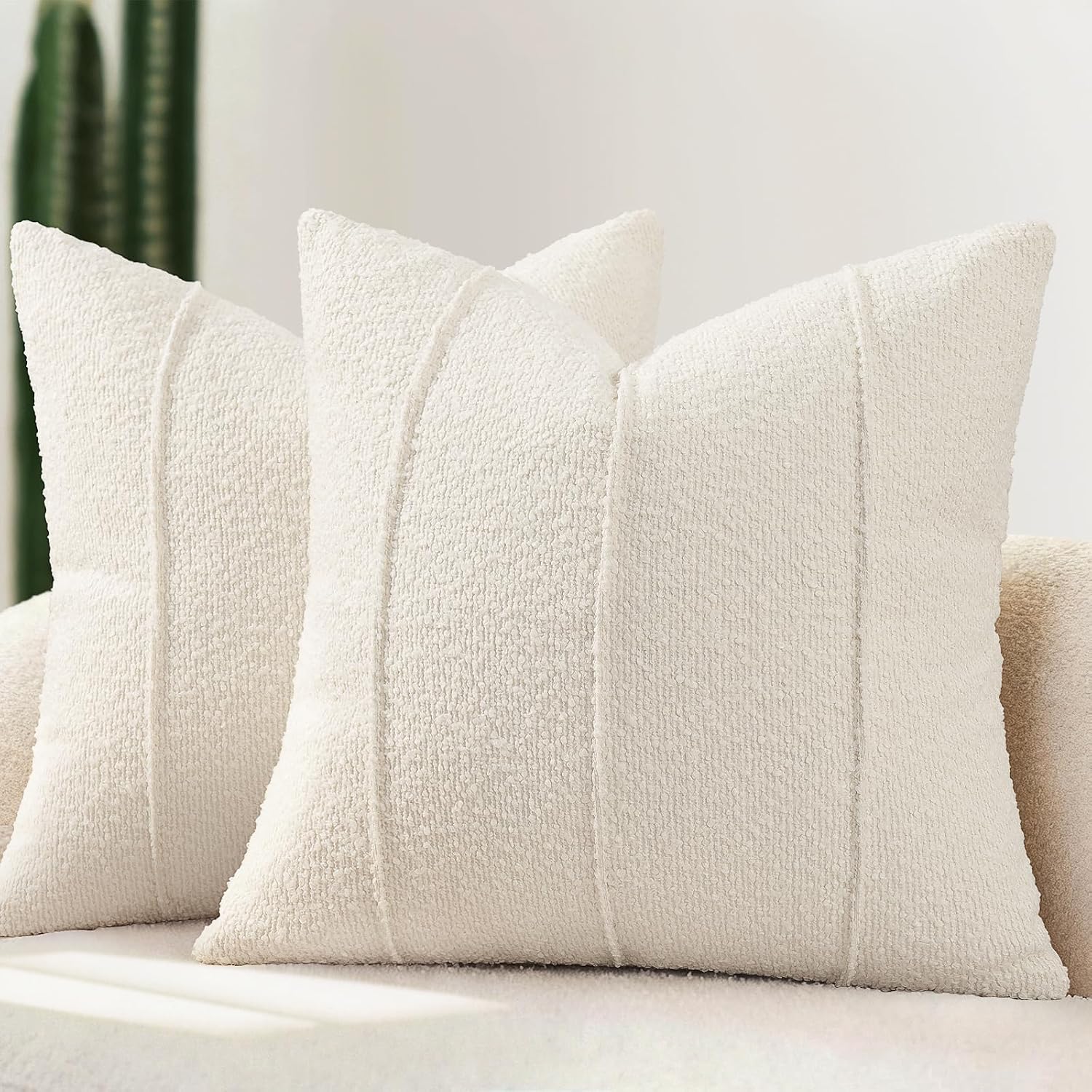
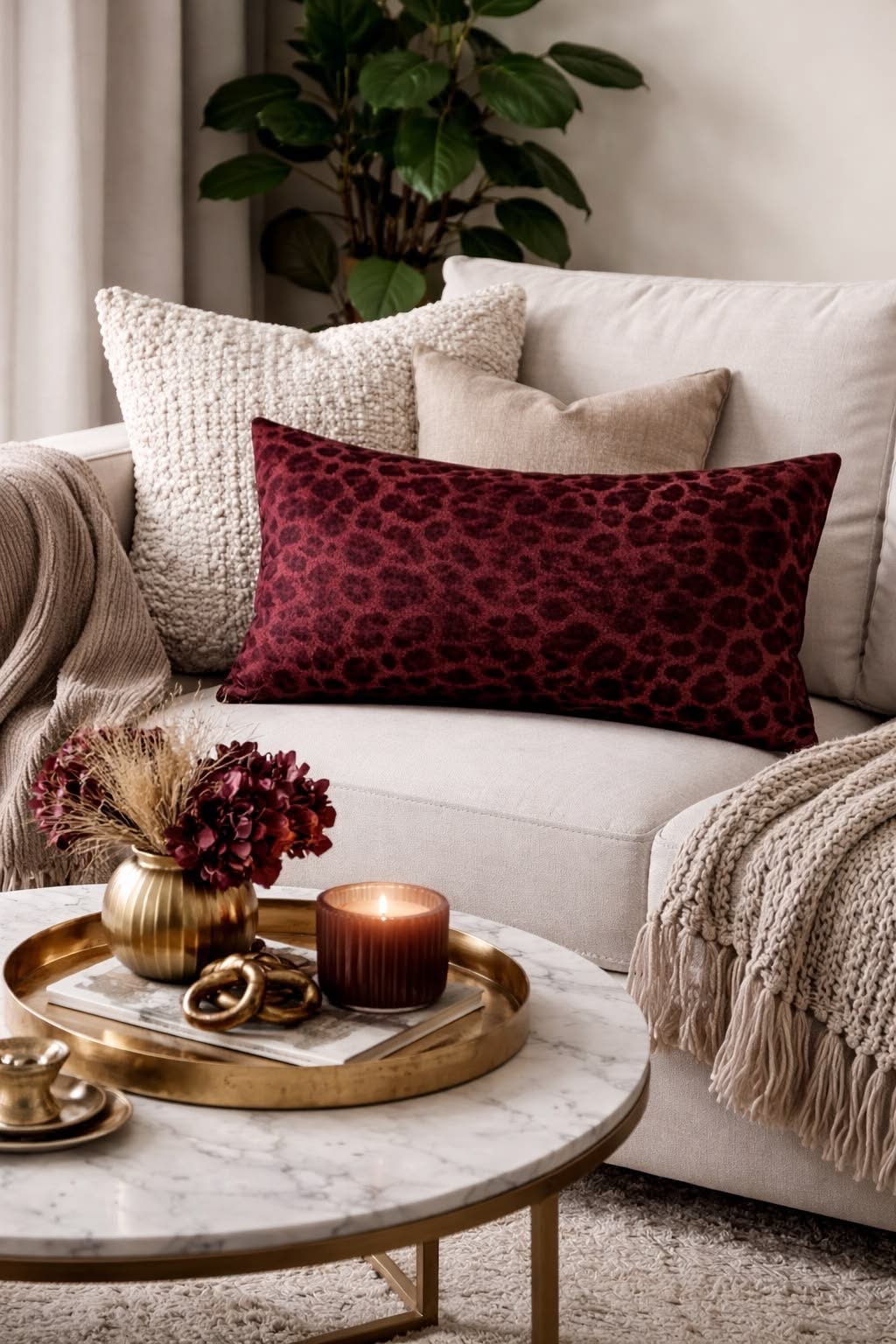
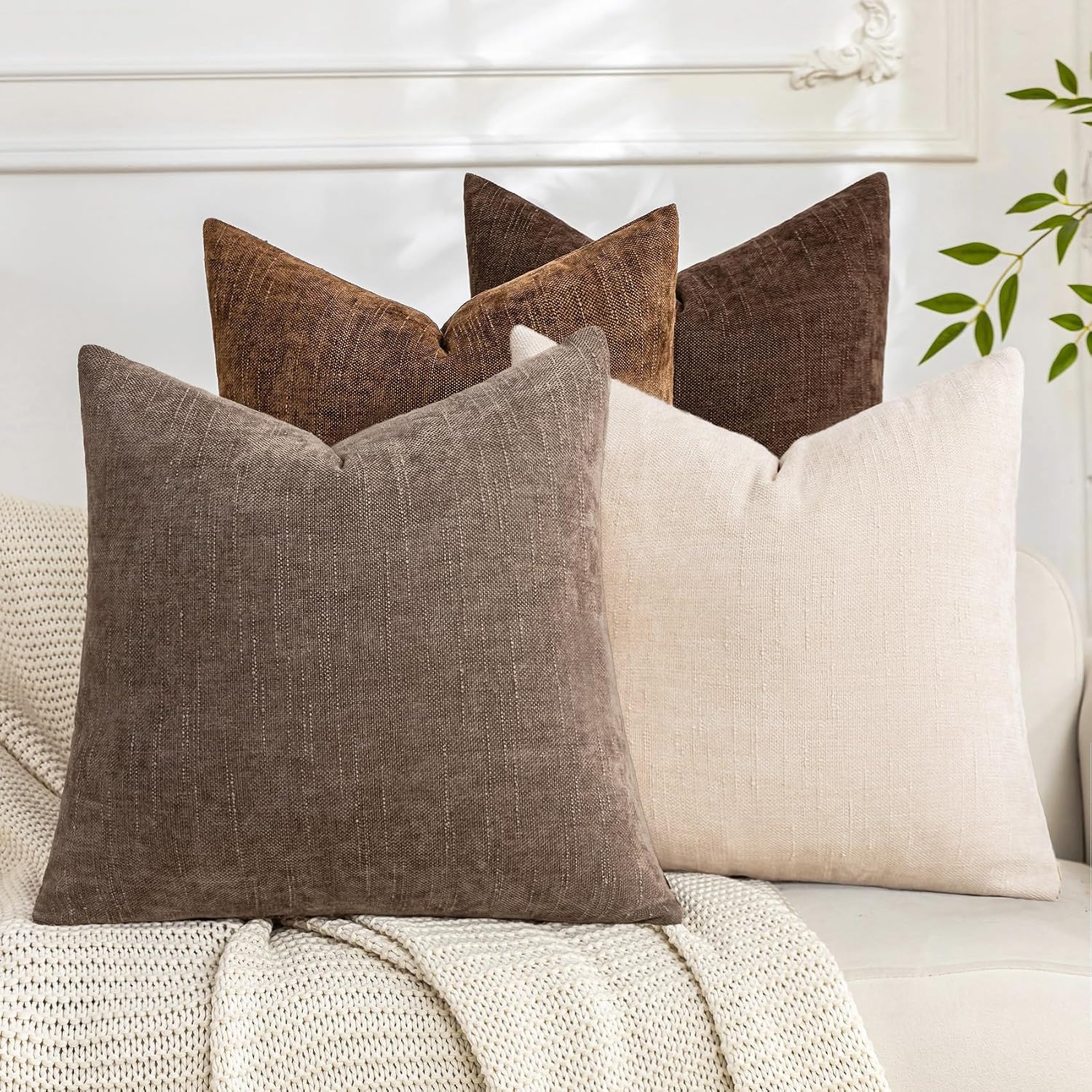
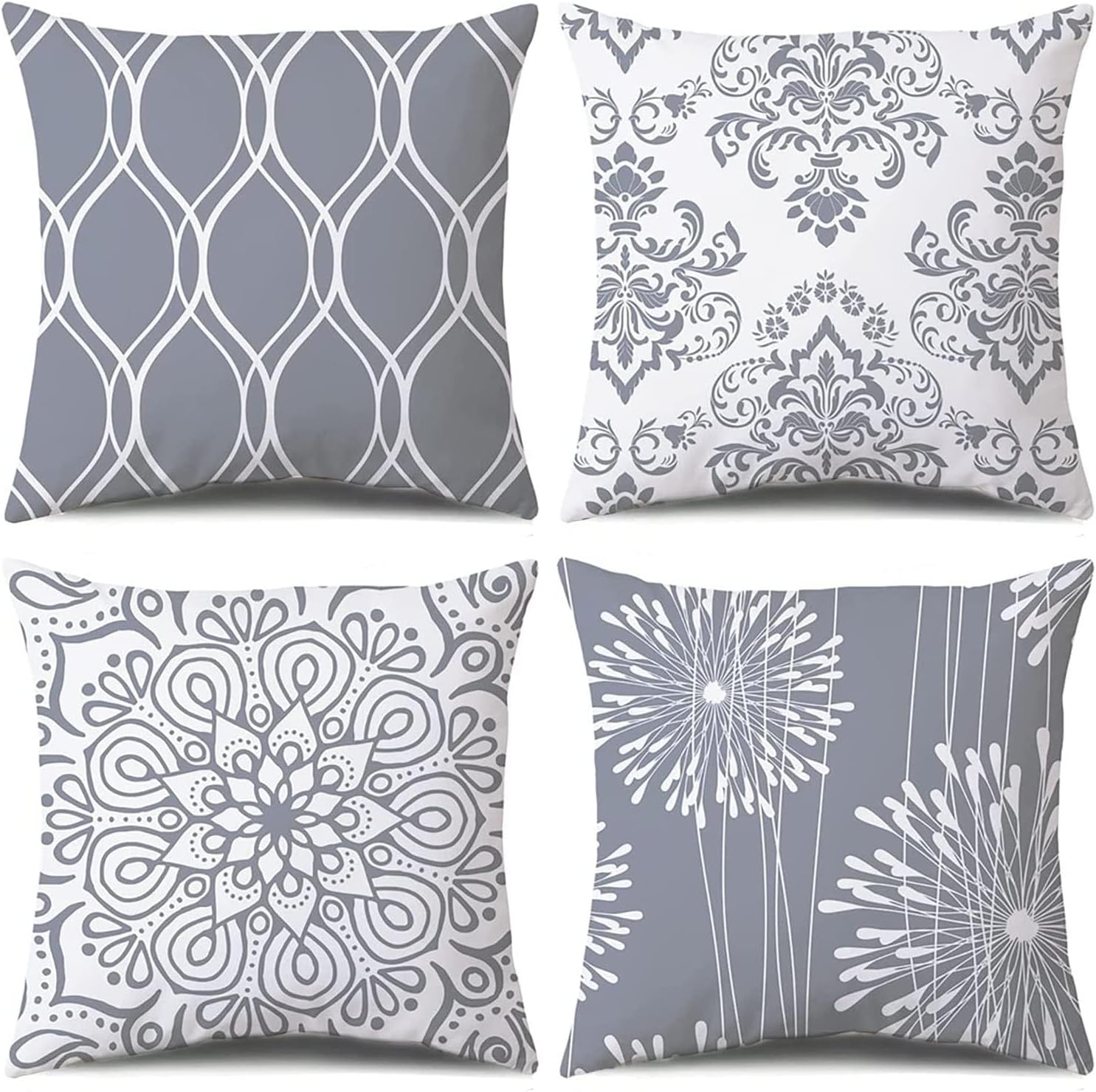
Upgrade Your Throw Pillows
Pillows seem small, but they can completely change how a sofa looks.
I recommend combining different sizes and textures instead of buying six identical cushions.
- Solid neutral fabric
- Textured boucle or woven material
- Subtle pattern
- One slightly darker accent
You can also switch pillow covers seasonally without replacing the inserts.
That gives you a low-cost way to refresh your living room decor without changing the major furniture.

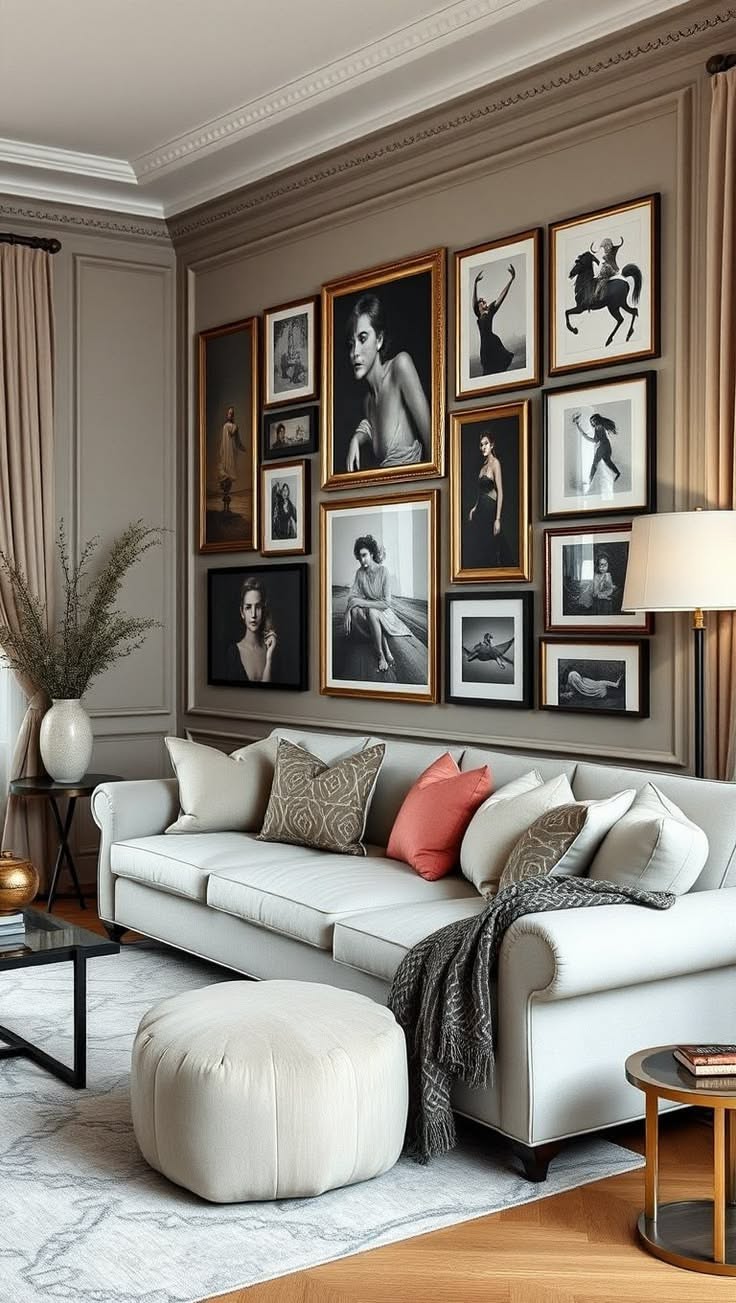
Create a Cohesive Gallery Wall
A gallery wall can look sophisticated when you treat it like one composition.
Choose a consistent color family for the artwork or use matching frames to create unity.
Before hanging everything, lay the pieces on the floor and experiment with the arrangement.
I like keeping the spacing fairly consistent because it makes the whole collection feel intentional.
Avoid scattering tiny frames across an enormous wall unless you specifically want that collected, eclectic look.
Scale still matters.


Add Greenery That Looks Architectural
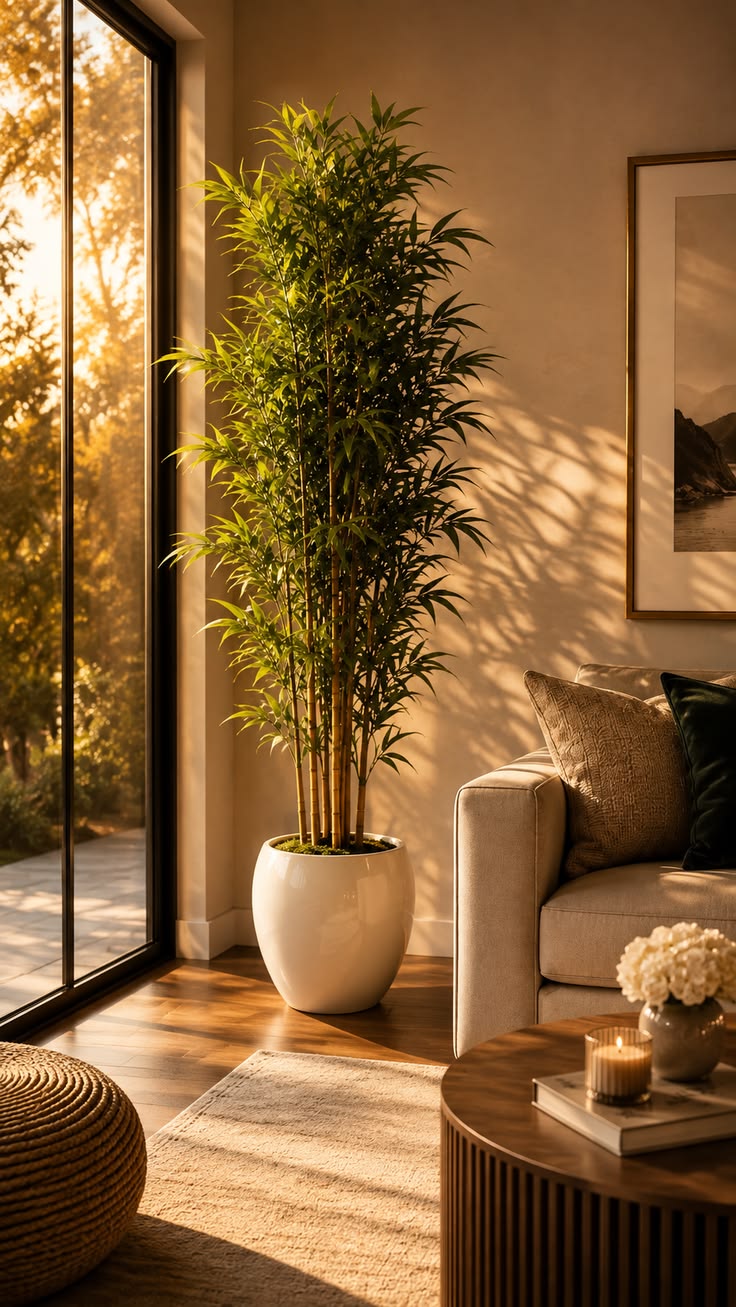
Plants bring life into a living room, but not every plant arrangement creates a polished effect.
Choose greenery based on the scale of the room.
A tall plant can fill an empty corner. A sculptural branch can decorate a console. A trailing plant can soften a shelf.
I prefer fewer larger plants rather than lots of tiny pots because larger forms create stronger visual impact.
Even artificial greenery can work when you choose realistic shapes and keep the arrangement simple.


Pull Furniture Away From the Walls
This sounds almost too simple, but furniture placement can dramatically affect how expensive a room feels.
Many people push every piece directly against the walls because they want to create more floor space.
That strategy can actually make furniture look disconnected.
Try pulling the sofa slightly away from the wall when the room allows it. Let your seating face each other rather than arranging everything toward the television.
Good furniture placement creates conversation zones, improves circulation, and gives the room a more deliberate layout.
The Spruce highlights furniture placement and scale as major factors in creating harmony and avoiding a cramped or disconnected feeling.


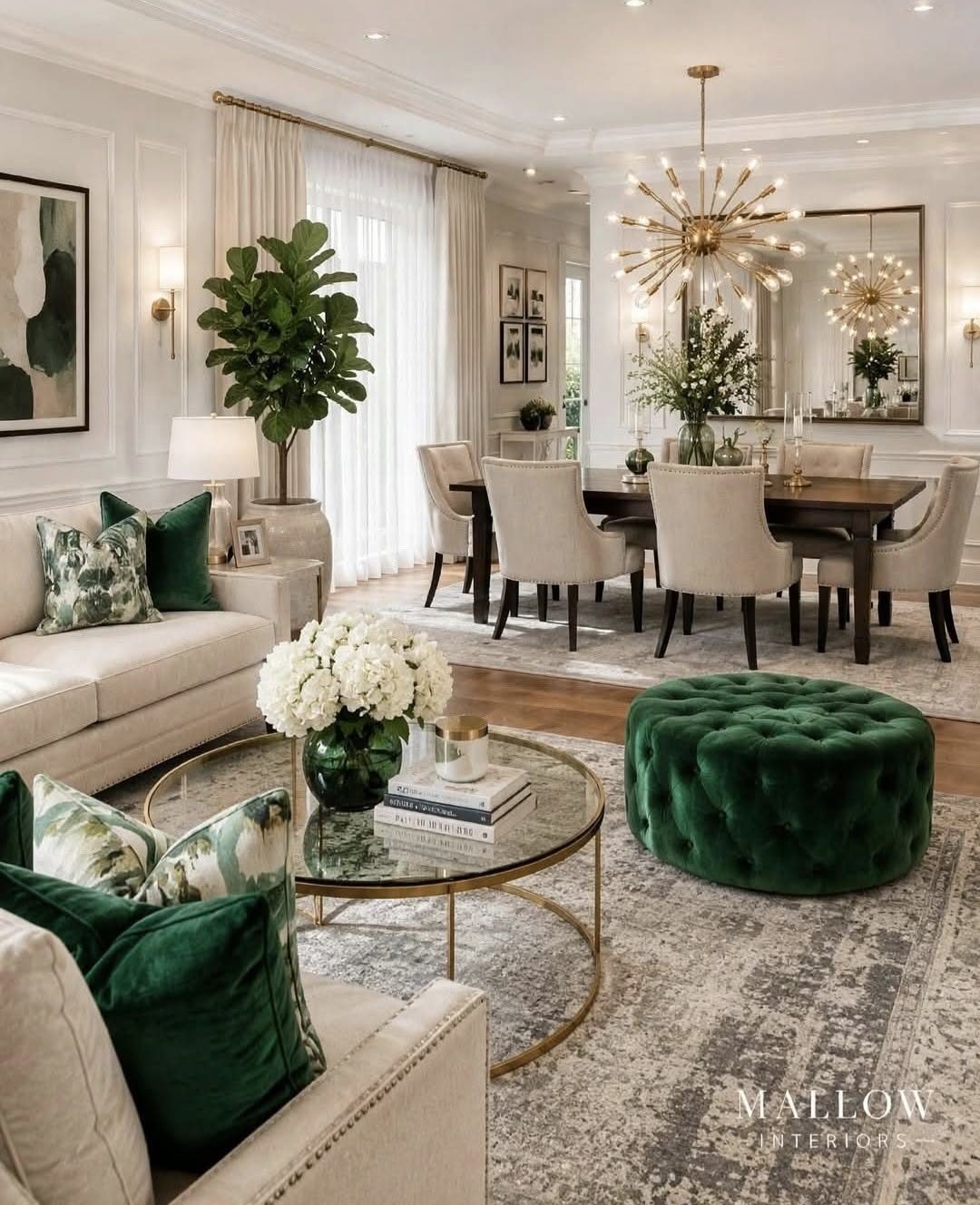
Introduce One Sophisticated Accent Color
Neutral does not have to mean boring.
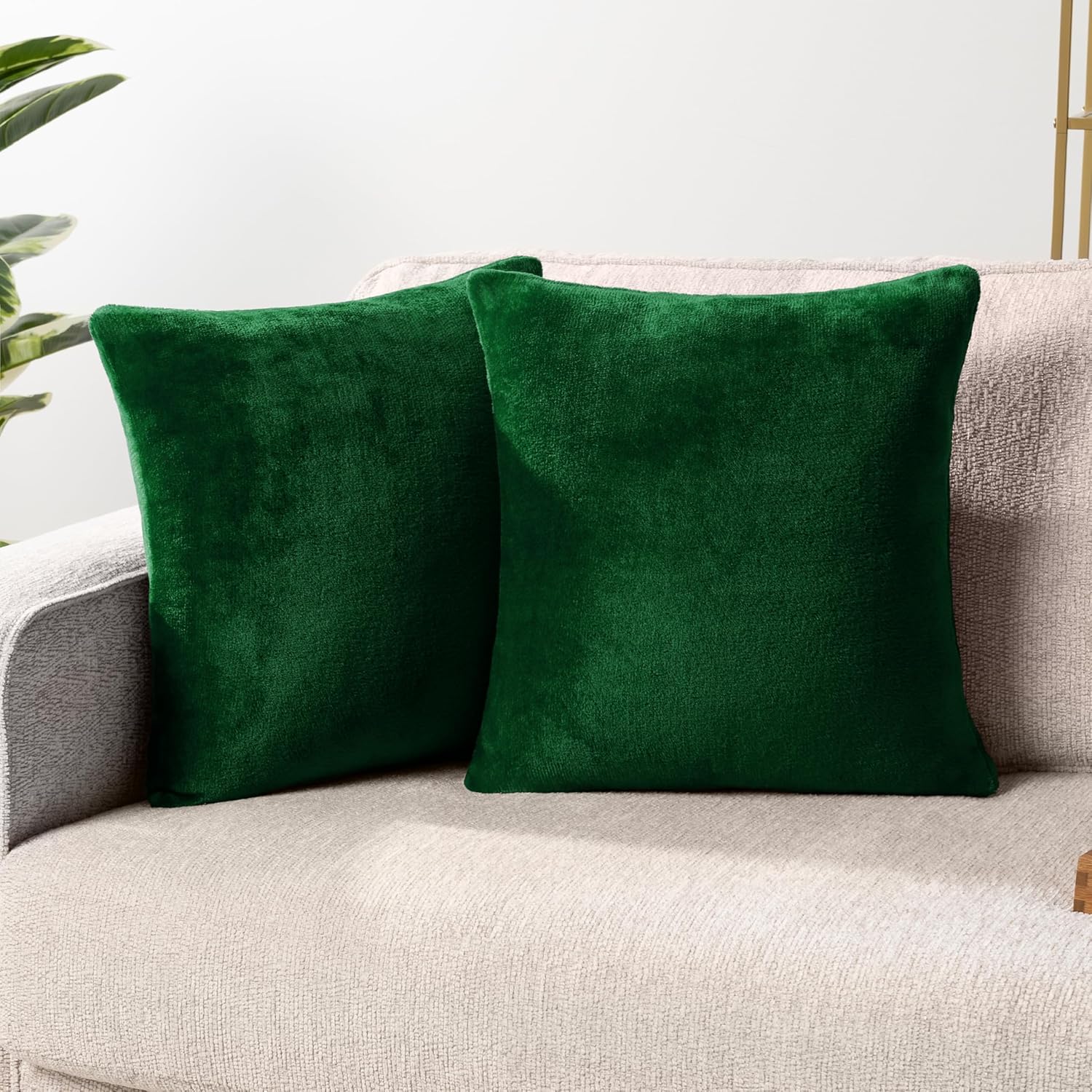
Choose one accent color and repeat it subtly.
Deep green, chocolate brown, burgundy, navy, dusty blue, or muted terracotta can all add depth depending on your palette.
The secret involves restraint.
You do not need a bright blue sofa, blue curtains, blue pillows, and blue artwork all shouting at each other.
Choose one accent and let it appear in several small places.
That repetition makes the color feel intentional.

Declutter the Surfaces
This might cost you absolutely nothing.
And honestly, that makes it my favorite budget decorating trick.
Remove unnecessary objects from your shelves, coffee table, side tables, and console.
Leave some negative space around the pieces you actually like.
A room often feels expensive when your eye can rest. Clutter creates visual noise, while restraint creates the impression that every object earned its position.
Recent designers have emphasized the same principle: fewer, better-scaled pieces often create a more refined result than an abundance of small accessories.
Mix New Pieces With Vintage or Collected Finds
Here is one of my strongest living room decor ideas: stop making everything look brand new.
A room filled entirely with matching contemporary furniture can feel more like a staged showroom than a real home.
Mix in something with history.
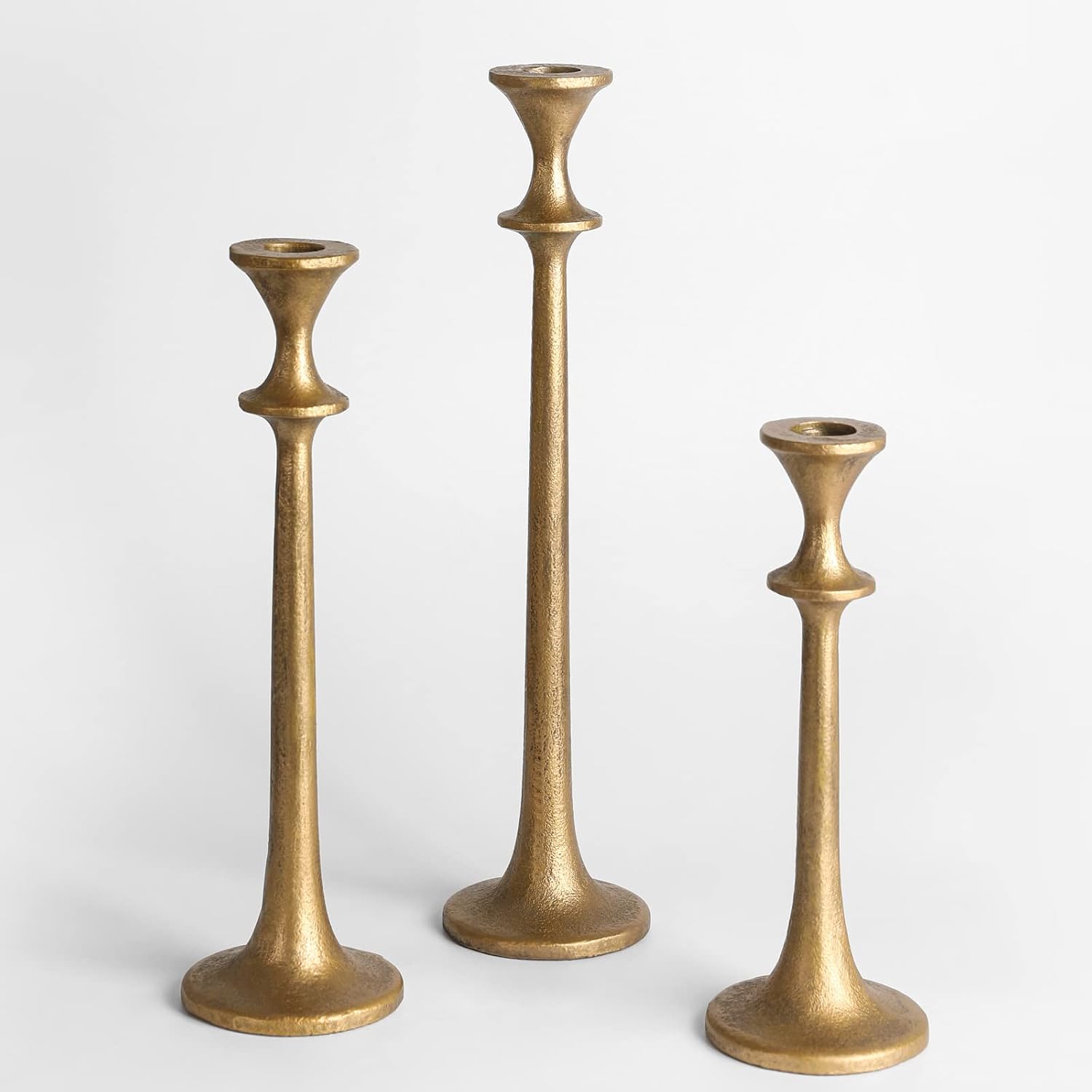
It could be a vintage side table, an antique-style frame, an old ceramic piece, a secondhand lamp, or artwork that you genuinely love.
The contrast gives the room personality.
A polished interior should tell a story. It should look like someone lived there, traveled, collected things, changed their mind, and developed excellent taste along the way.
That idea matters because a living room should not simply look expensive. It should feel comfortable enough to actually live in.
“The living room is one of the most used spaces, both by the homeowners and their guests.”
— Kate Hartman, quoted by House Beautiful


How Do You Make a Living Room Feel Expensive Without Buying New Furniture?
Start with the pieces you already own.
Move the sofa. Resize the rug. Raise the curtain rod. Replace the cold bulbs. Remove unnecessary clutter. Add one large artwork. Introduce a warmer texture.
Then look at the room again.
You might discover that your furniture never needed replacing in the first place.
I always prefer this approach because it lets you spend money where the room genuinely needs it instead of buying another decorative object simply because the packaging looked persuasive.
What Should You Avoid When Decorating a Luxury-Looking Living Room?
Sometimes knowing what not to do matters just as much.
Avoid undersized rugs, floating curtains, excessive matching, too many tiny accessories, and harsh lighting.
Also avoid filling every empty corner simply because it looks empty.
An empty corner can create balance.
An empty wall can create breathing room.
Not every surface needs a candle, vase, tray, basket, sculpture, and a small decorative object whose purpose nobody understands.
The best rooms often leave a little space for the eye.
How Can You Make Your Living Room Look Expensive Quickly?
Start with the changes that create the biggest visual difference.
I would personally tackle the room in this order:
- Fix the rug.
- Improve the lighting.
- Hang the curtains correctly.
- Edit the clutter.
- Add large-scale artwork.
- Layer textures.
- Introduce one or two natural materials.
Then style the smaller details.
That order matters because you should not spend $200 on cushions while the rug underneath them makes the entire sofa grouping look disconnected.
Good design works from the foundation outward.
Final Thoughts on Expensive-Looking Living Room Decor
The best living room decor ideas do not depend on a giant budget.
They depend on proportion, restraint, texture, lighting, and thoughtful placement.
A large rug can make your furniture feel more substantial. Floor-length curtains can make the room feel taller. Layered lighting can create atmosphere. Oversized artwork can anchor an empty wall. Natural materials can add warmth. A little negative space can make everything else feel more important.
And perhaps the biggest lesson?
Expensive-looking does not mean expensive.
I would rather walk into a beautifully edited room with affordable furniture, warm lighting, meaningful artwork, and great proportions than a wildly expensive room where every surface screams for attention.
So before you start shopping, stand in the doorway and really look at your living room.
What feels too small? What feels too empty? What feels too cluttered? Where does the eye stop?
Those answers will tell you far more than another shopping trip ever will.
And yes, sometimes the most luxurious thing you can add to a living room is simply a little empty space. Turns out, your home did not need another throw pillow after all.