
A gallery wall sounds simple until the hammer's in hand and twelve frames are spread across the floor.
The idea is easy. The execution is where most attempts either come together beautifully or end up lopsided and abandoned halfway through.
This covers the actual process, not just the concept.

Why the Trend Never Actually Fades
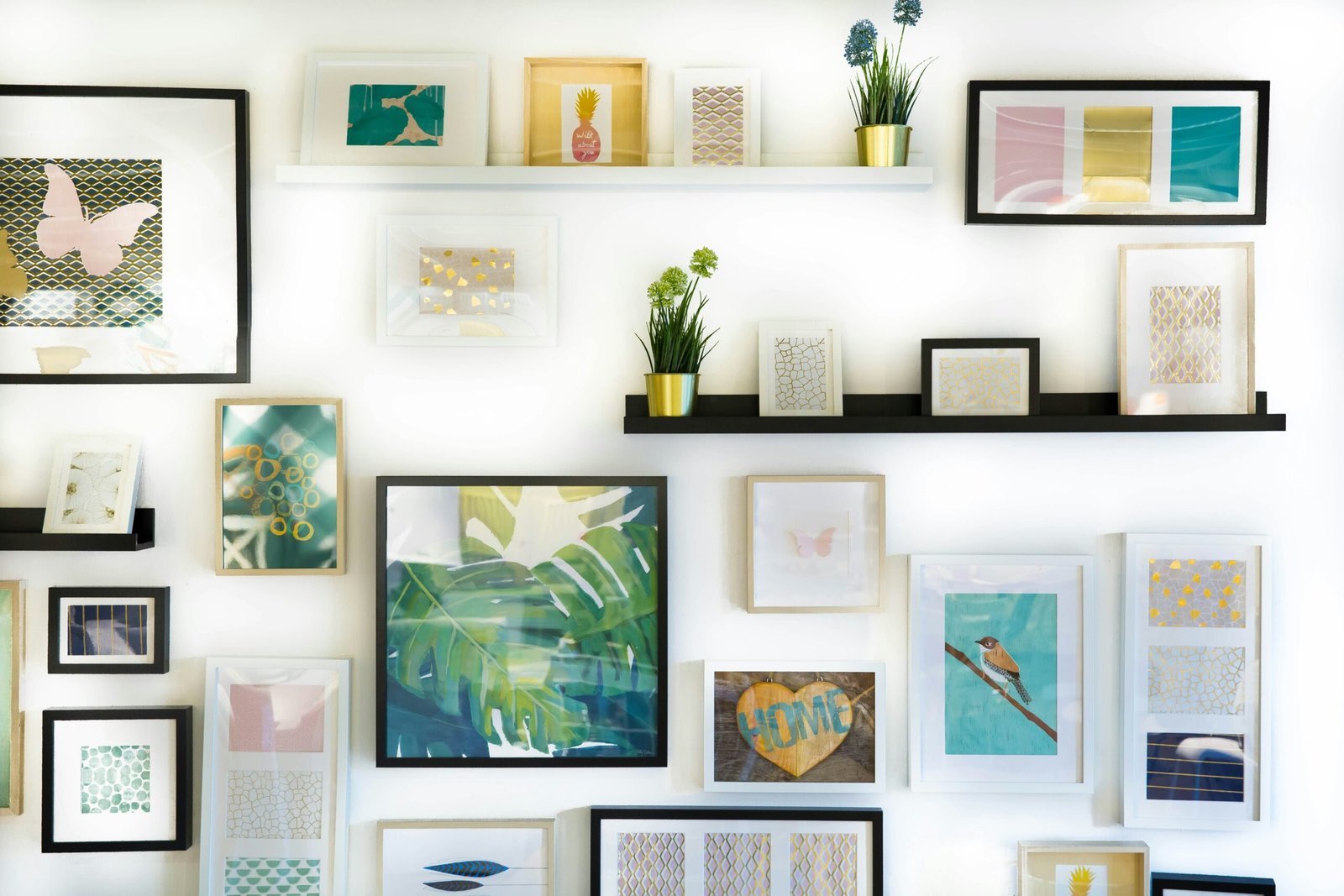
A gallery wall solves a real problem — a blank wall with nothing else planned for it — which is part of why it keeps coming back regardless of broader style trends.
It's also one of the few decor choices that gets more personal and more interesting over time, rather than needing to be replaced as trends shift.
Choosing the Right Wall
A wall with enough uninterrupted space, decent natural or ambient lighting, and a clear sightline from the room's main vantage points works best.
A stairwell, a hallway, or the wall behind a sofa are all classic choices for a reason — they get seen regularly without competing with a window or doorway.



Theme or Deliberate Chaos
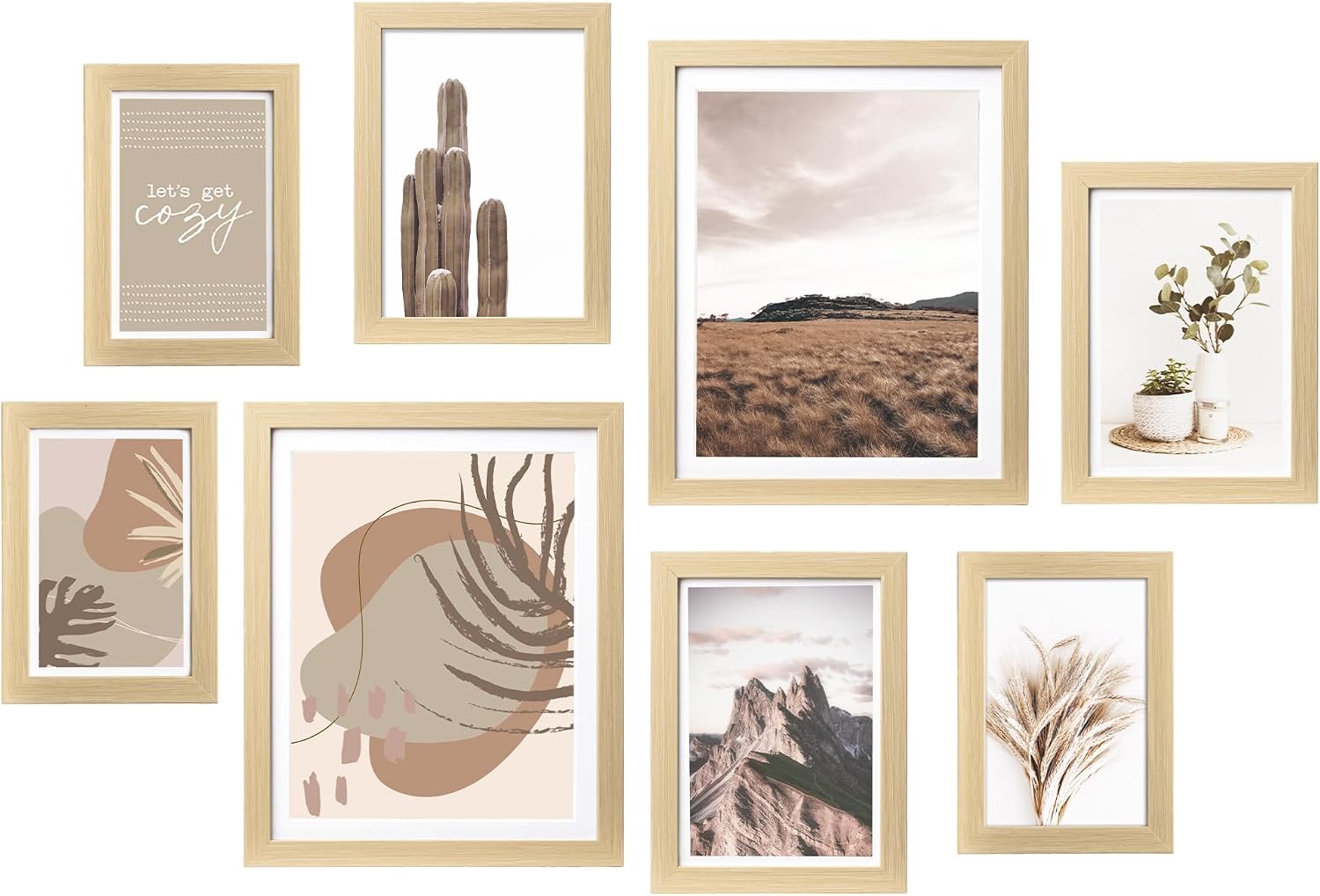
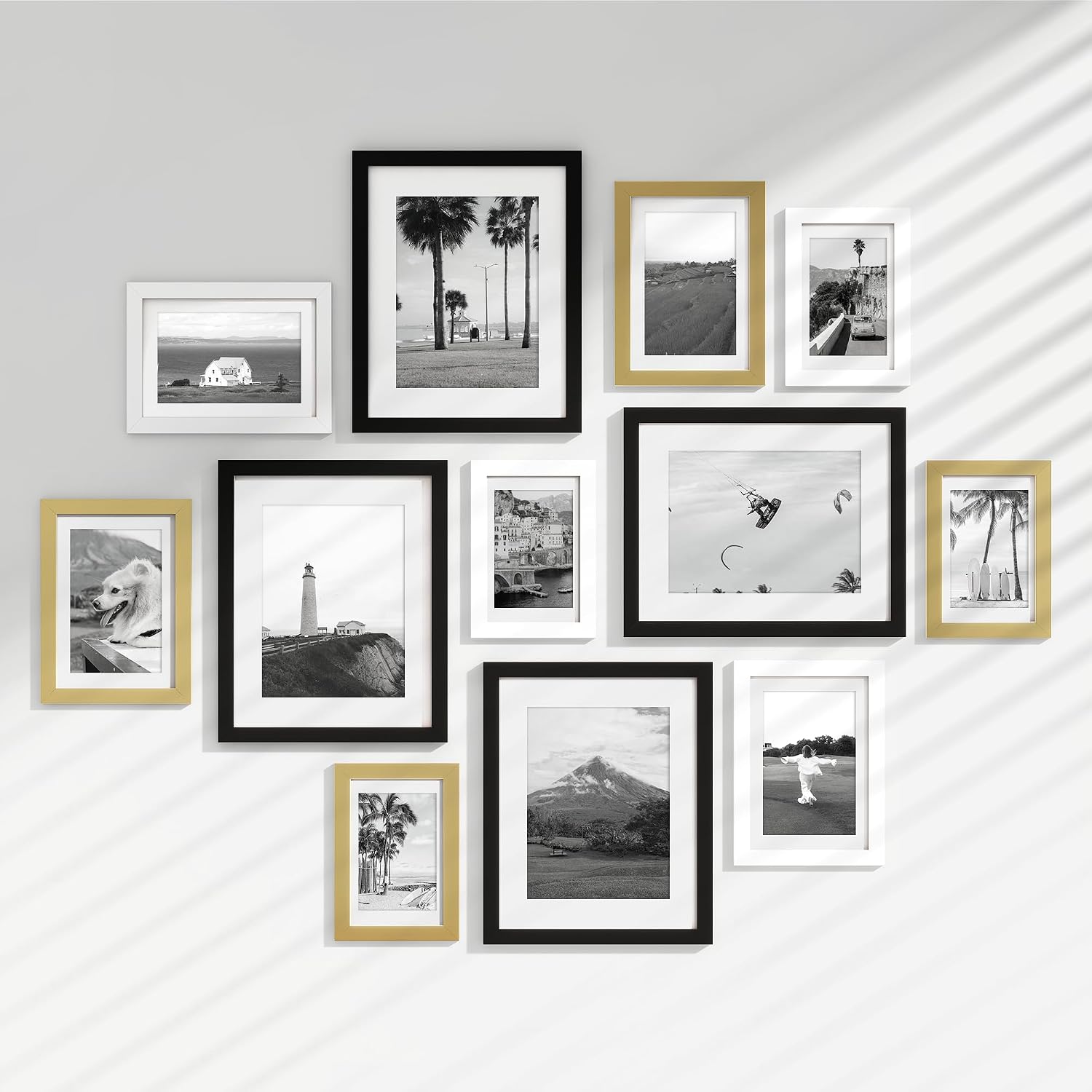
A tightly themed wall — one color palette, one subject, matching frames — reads as more polished and controlled.
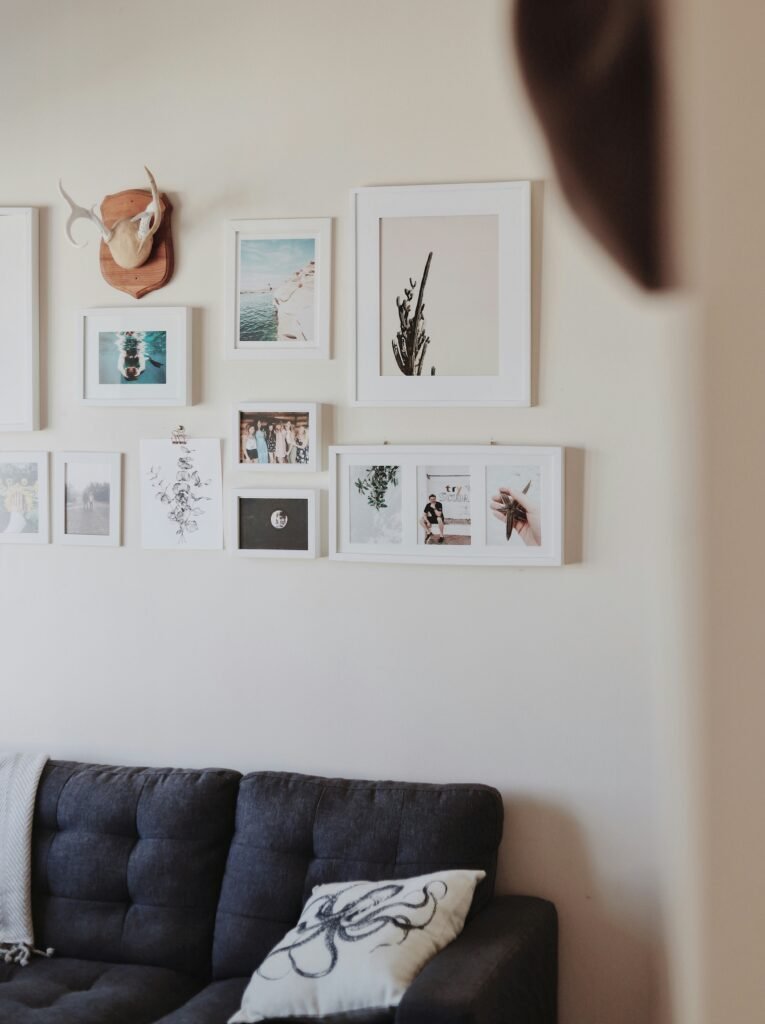
A looser, more eclectic mix reads as more collected and personal, as long as there's at least one unifying thread tying it together.
Both approaches work. The mistake is landing in between without committing to either.


Planning the Layout First
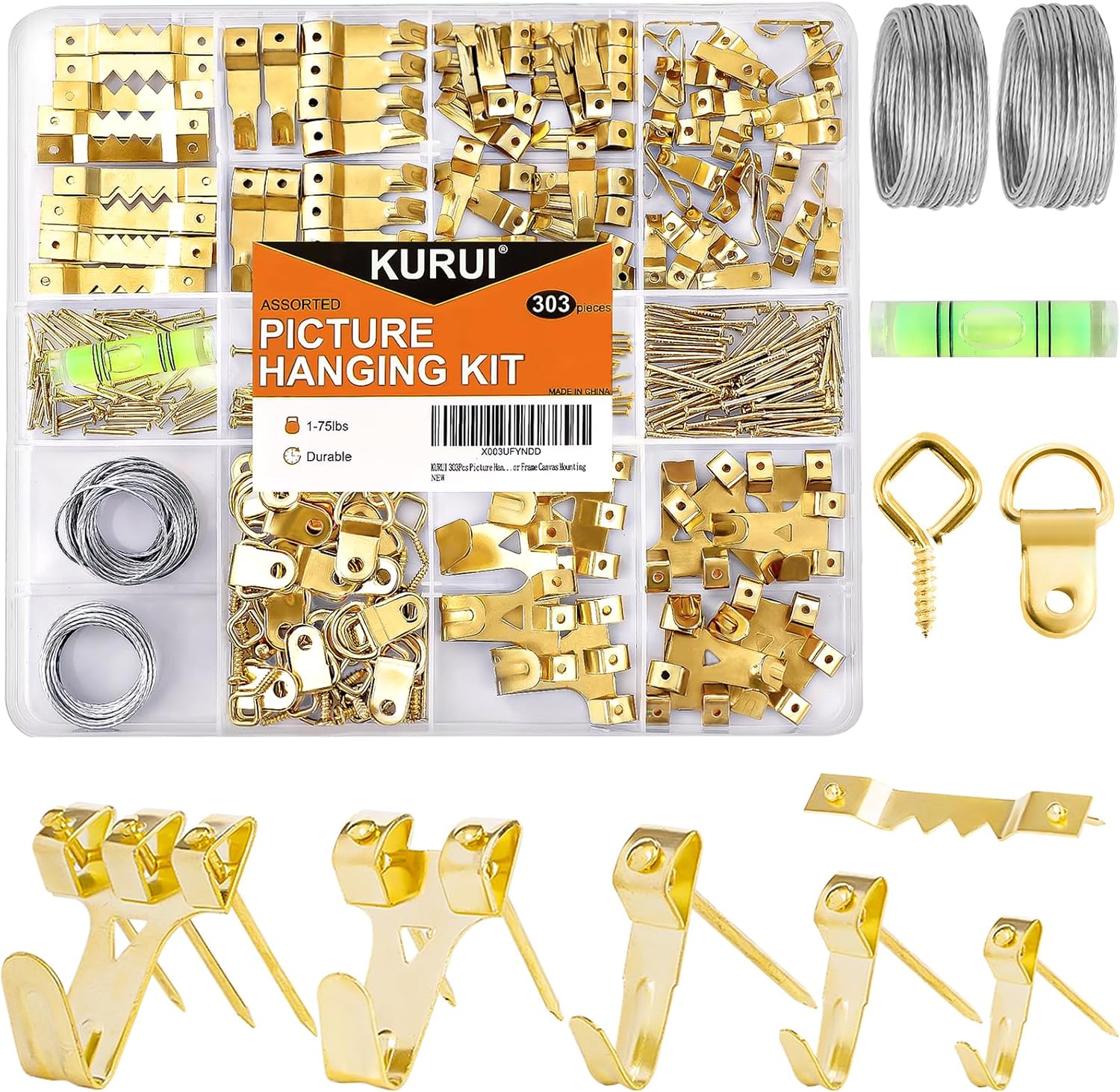
Laying every piece out on the floor in the intended arrangement, before a single nail goes in the wall, saves far more patching and re-hanging than it costs in time upfront.
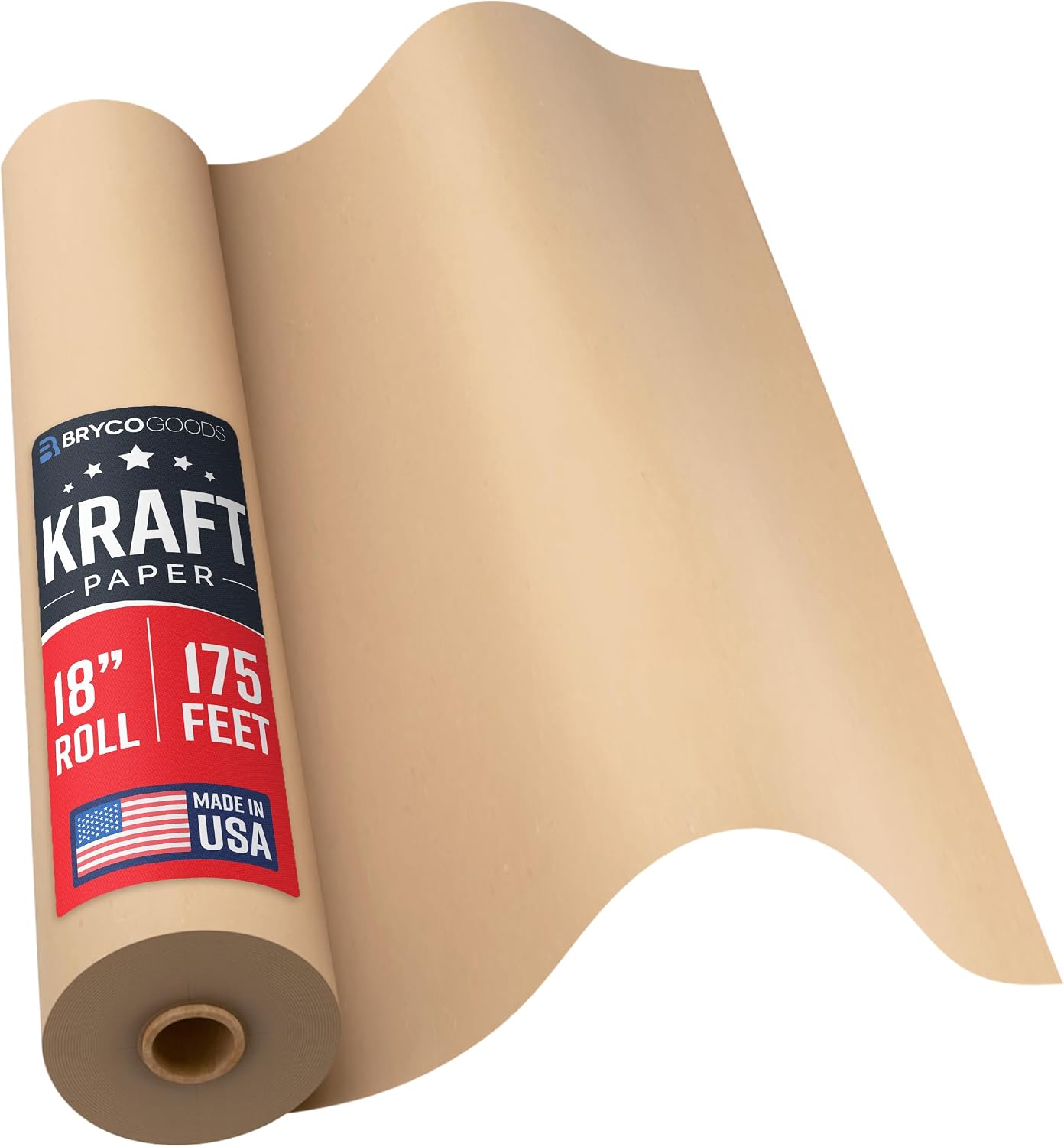
Tracing each frame onto paper and taping the outlines to the wall is a slower but nearly foolproof version of the same idea.
This step is the single biggest predictor of whether the finished wall actually looks intentional.


Do the Frames Need to Match?
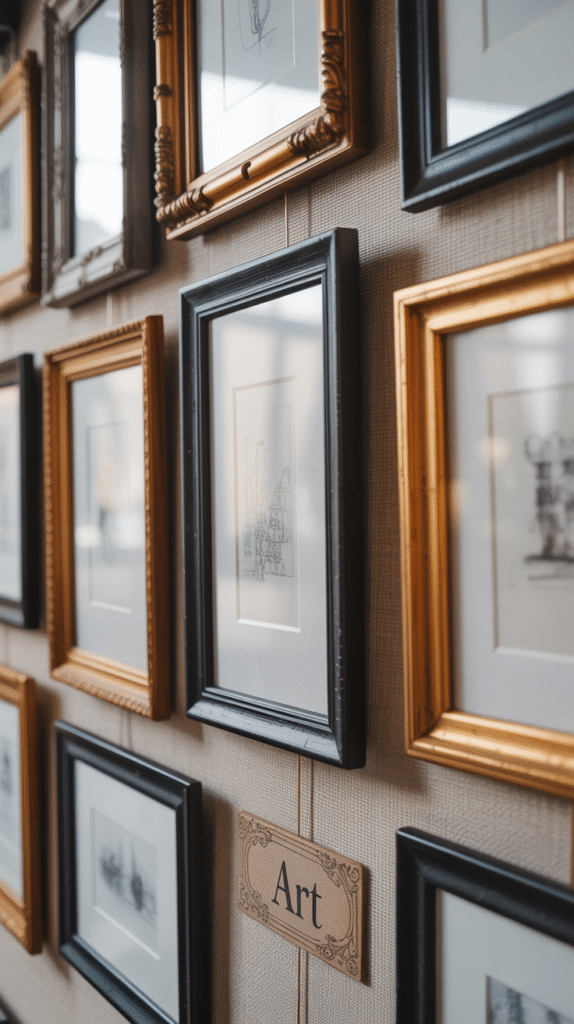
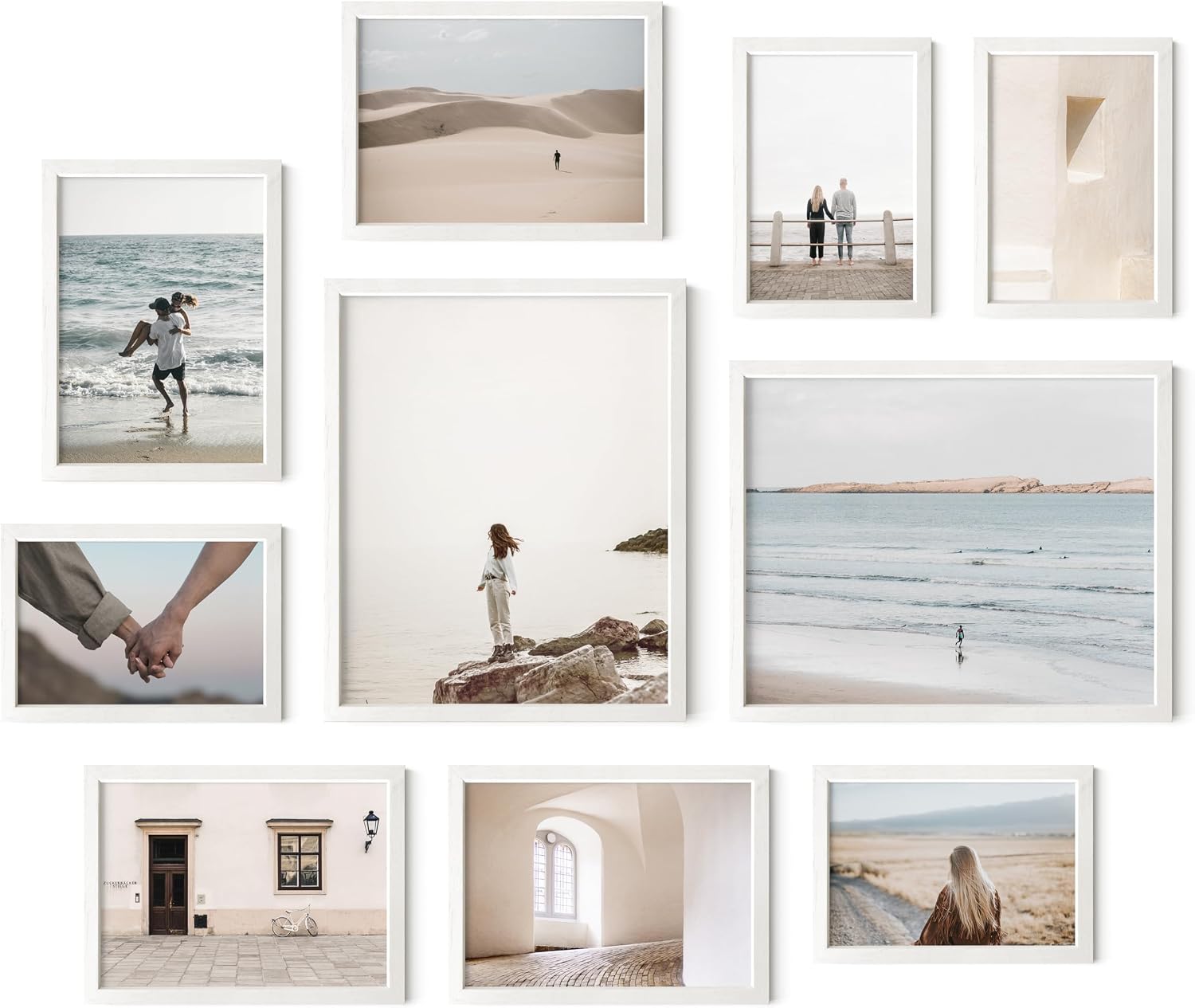
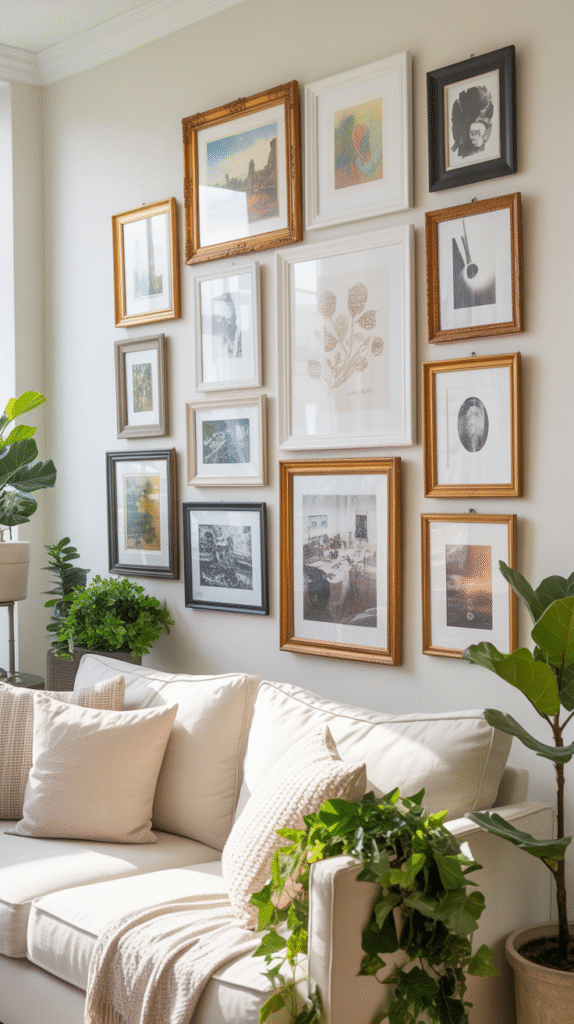
A matched frame set reads as clean and coordinated; a deliberate mix of frame styles reads as collected over time.
A mixed approach works best with some kind of consistency — the same metal tone, or a shared color family — so it reads as curated rather than random.

What Actually Belongs on the Wall
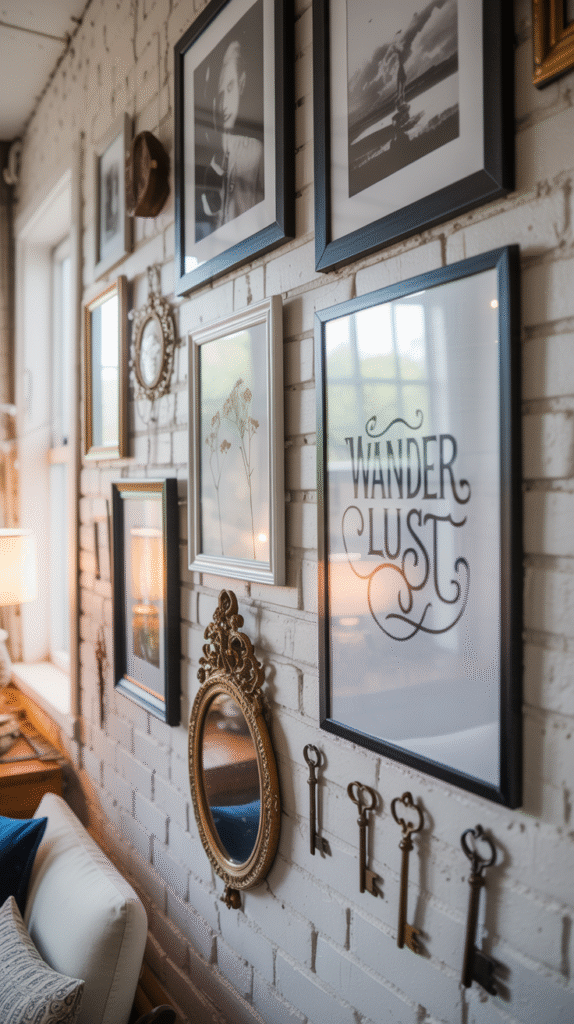
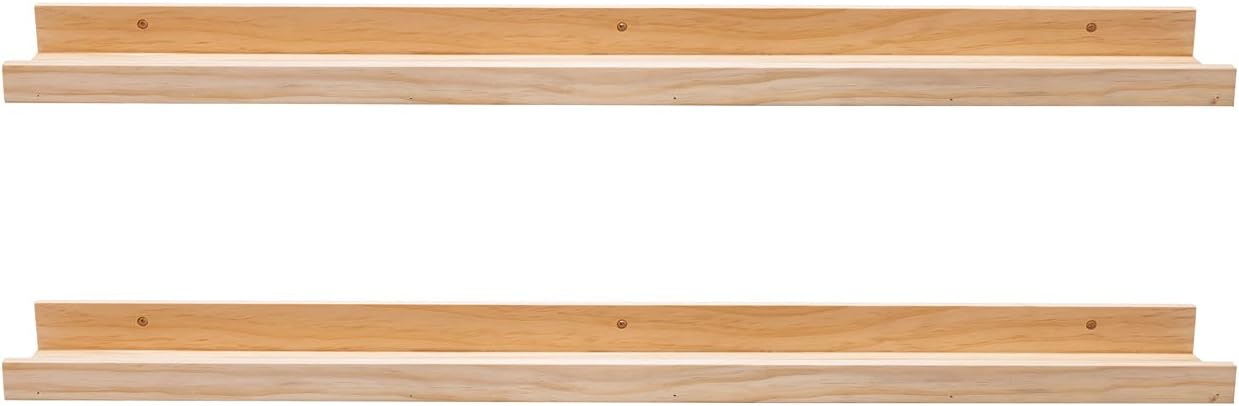
Art is only one option — photos, mirrors, small shelves, textiles and found objects all work alongside or instead of traditional framed pieces.
A wall that mixes a few of these categories tends to feel more dimensional than one filled entirely with flat framed prints.


Getting the Spacing Right
A consistent gap — roughly 2 to 3 inches between pieces — reads as intentional, while wildly inconsistent spacing reads as unplanned.
This is one detail worth measuring rather than eyeballing, since small spacing inconsistencies become much more obvious once the wall is finished.



Making a Mixed Wall Feel Cohesive
Even a deliberately eclectic gallery wall needs one consistent thread — a recurring color, a shared frame tone, or consistent spacing — to avoid reading as cluttered.
Stepping back regularly during the process, rather than hanging everything in one go, makes it easier to catch when the mix has tipped from "curated" into "chaotic."

Updating It Without Starting Over
A gallery wall built with a bit of extra spacing from the start makes it much easier to add or swap a piece later without redoing the whole layout.
Keeping a couple of frames empty or easily swappable gives the wall room to evolve as new art or photos come along.


Common Mistakes Worth Avoiding
Hanging everything too high is the most frequent mistake — the center of the arrangement should sit roughly at eye level, not the top piece.
Skipping the floor layout step and hanging directly on the wall is the second most common, and the hardest to fix after the fact.
Too many different frame colors with no unifying thread at all is the third — a mix needs at least one consistent element to read as intentional.
Should You Make One?
A gallery wall is worth the effort for almost any blank wall that gets regular foot traffic and visibility.
Plan the layout on the floor first, commit to either a clear theme or a genuinely cohesive mix, and leave room to update it later.
Done with a bit of planning, it's one of the longest-lasting decor choices a wall can get.