
A garden party's success rarely comes down to a single impressive element.
It comes down to a handful of decisions working together — theme, timing, food that's actually manageable — rather than one showstopping centerpiece carrying the whole event.
This covers that full picture.
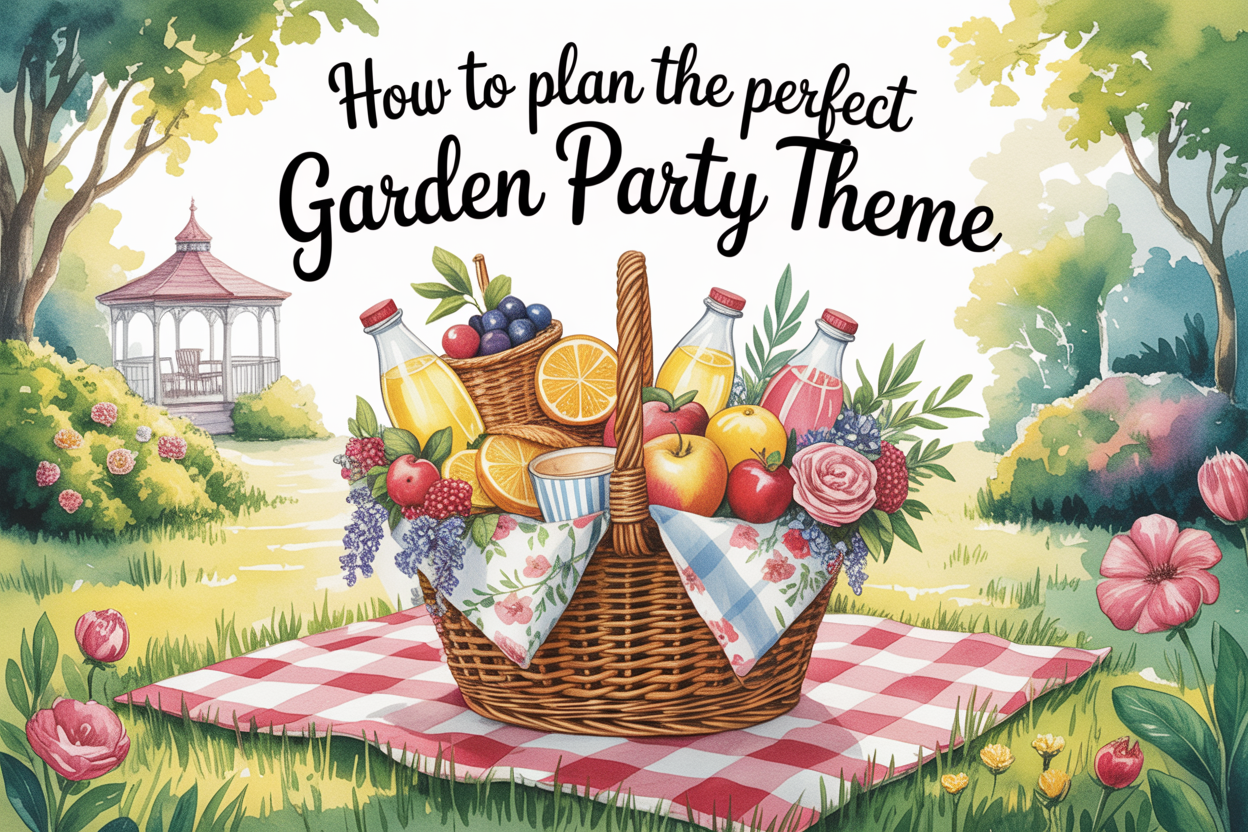


Choose a Theme That Actually Fits
A theme pulled from something genuine — a favorite color, a specific season, a personal interest — reads as more authentic than one chosen purely because it's trending.
This decision shapes every other choice on this list, which makes it worth settling first, before decor or food planning begins.



Let the Backyard Be the Main Character
Working with the yard's existing features — a mature tree, an established garden bed, natural shade — creates a more cohesive setting than decor fighting against the space.
Minimal additions in the right spots often outperform heavy styling spread across the whole yard.


Keep Food and Drinks Simple
A smaller menu of dishes that travel well outdoors and don't need last-minute plating beats an ambitious spread that pulls the host away from actually hosting.
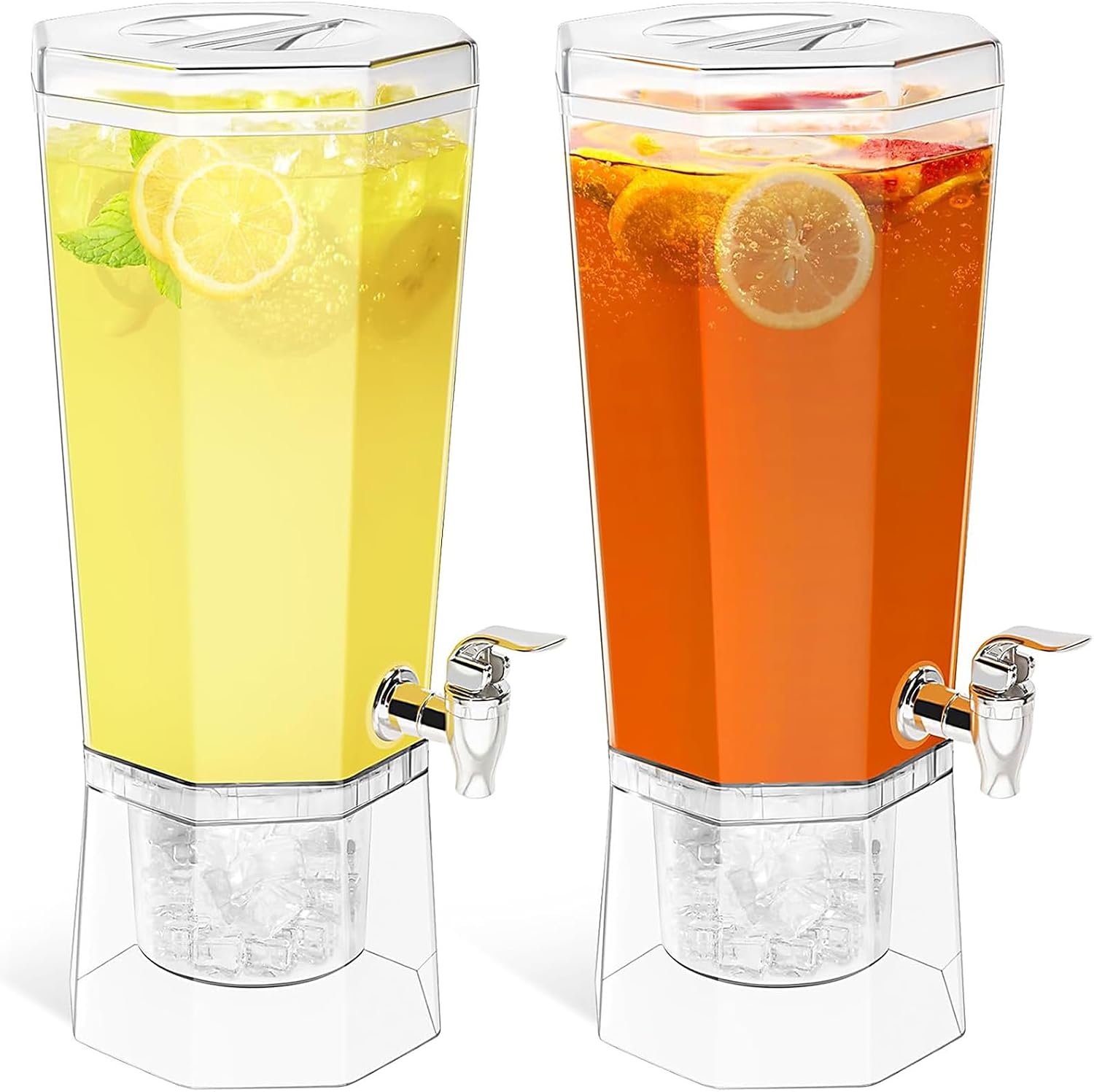
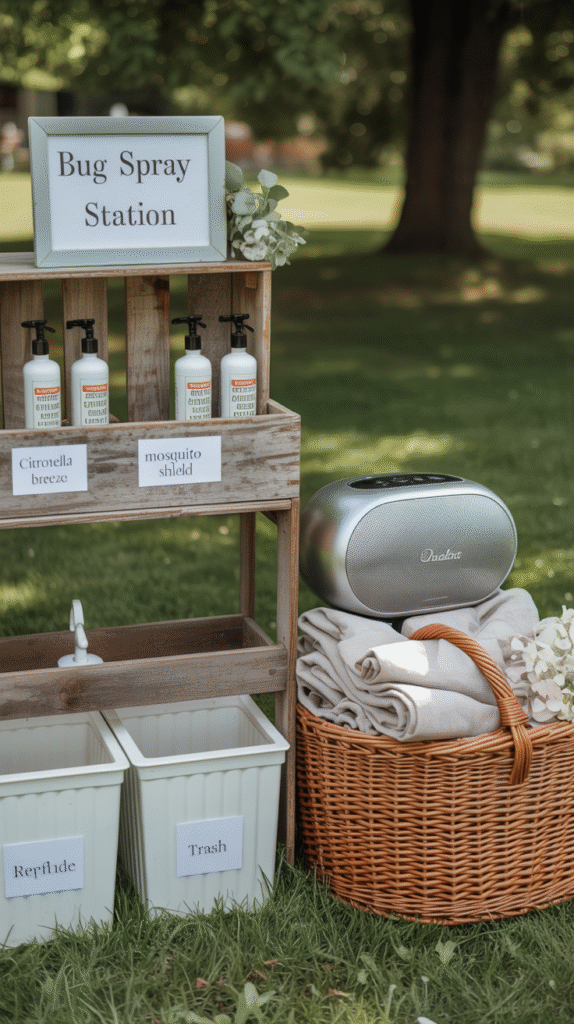
A self-serve drink station solves a real logistics problem, letting guests refill without needing the host to manage it constantly.


Decorate Without Draining the Budget
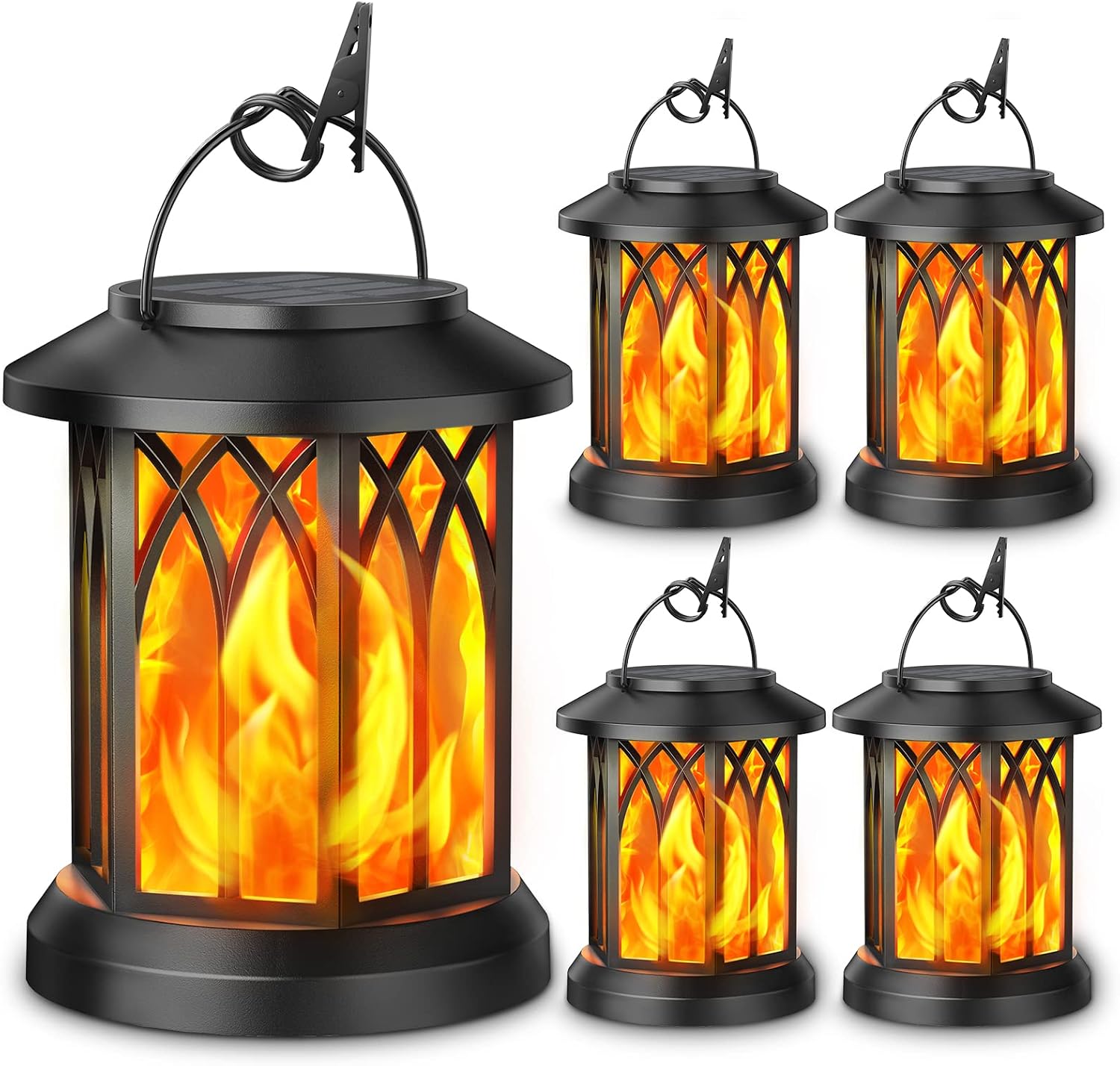
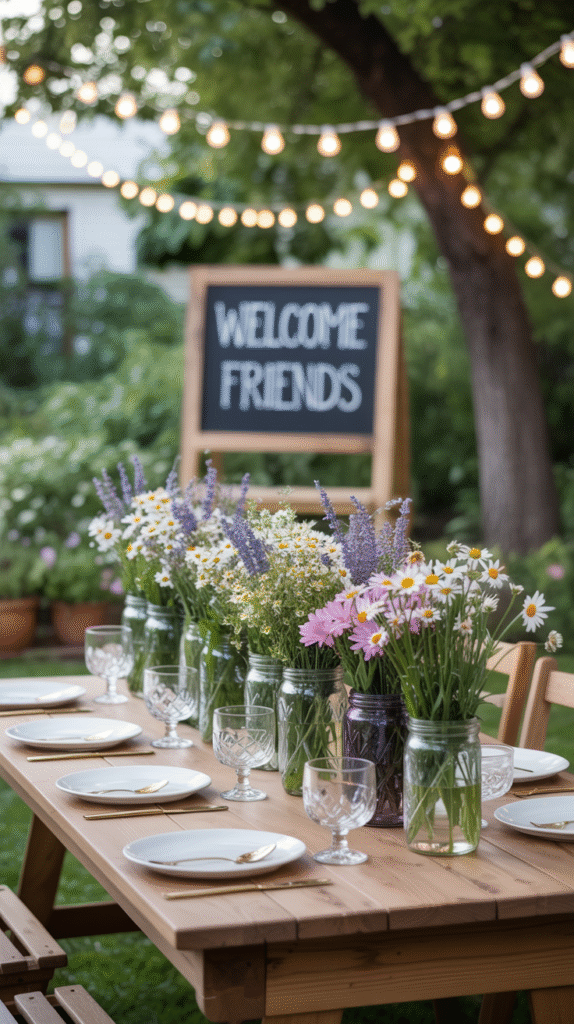
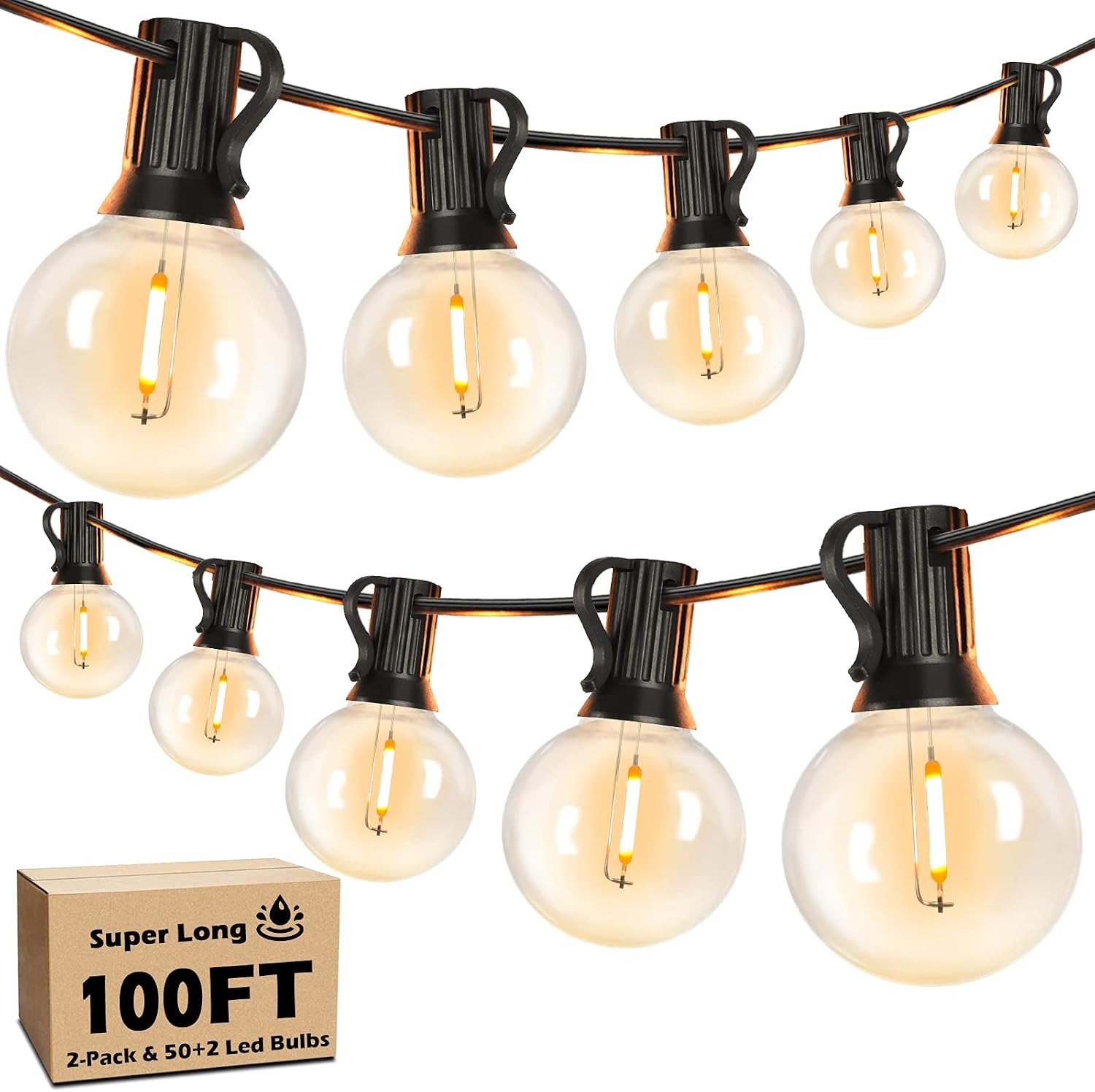
A few higher-impact items — string lights, a runner down a table, fresh flowers in simple vessels — outperform a larger quantity of cheaper decor spread thin.
Borrowed or repurposed items, mixed in with a few new pieces, keep the budget reasonable without the setup looking underdone.

Set a Dress Code That Sets the Mood
A simple suggested dress code — garden casual, pastel tones, a specific era — helps guests show up in a way that reinforces the whole event's feel.
This doesn't need to be strict to work; even a loose suggestion shifts how the party photographs and feels as a whole.


Plan Entertainment That's Relaxed, Not Boring
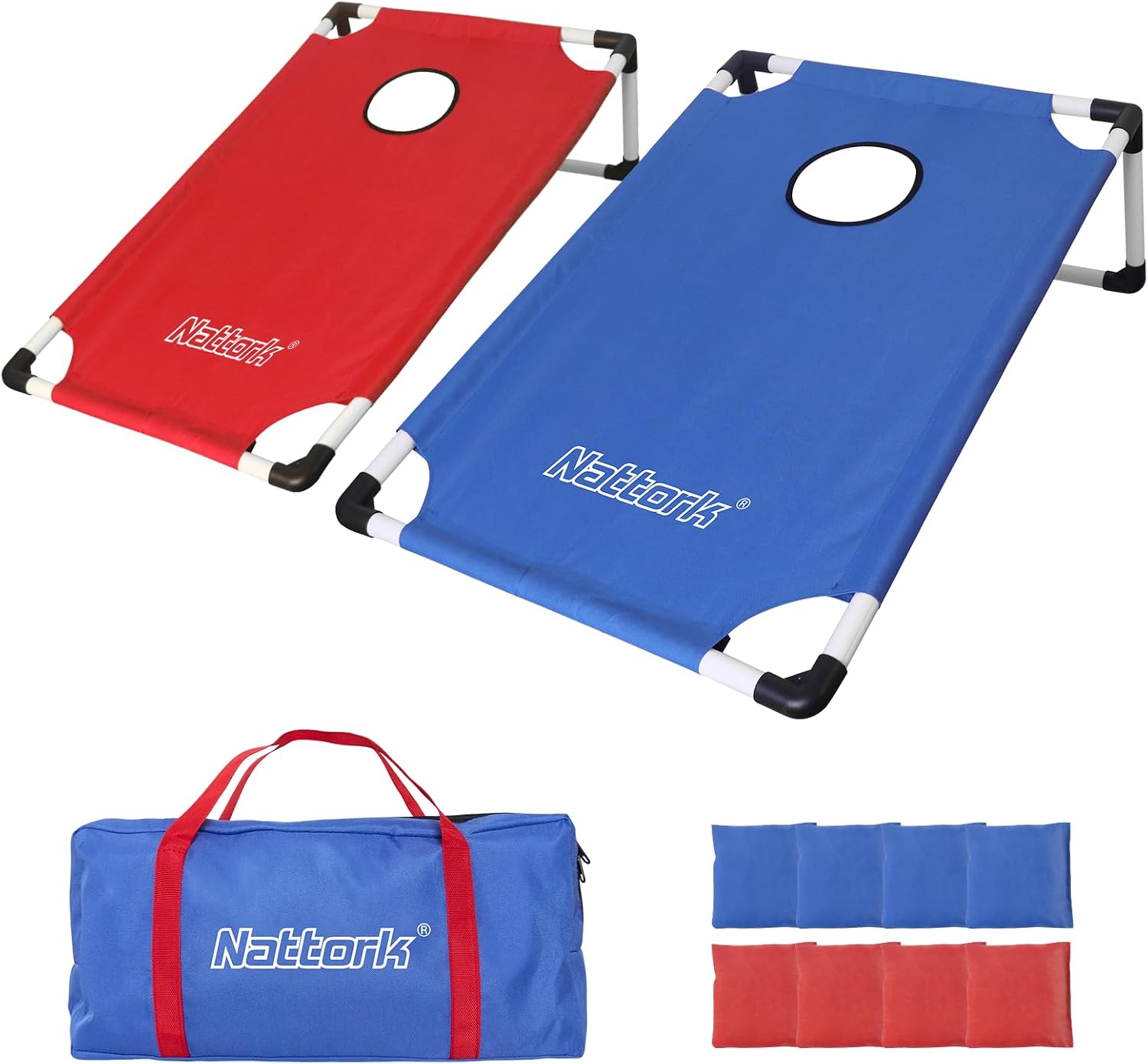
Background music, a simple lawn game, or a designated photo spot all give guests something to do without requiring an organized activity schedule.
The goal is enough structure to prevent dead air, not a full itinerary that turns a relaxed gathering into a managed event.


Get the Timing Right
Late afternoon into early evening tends to work best for a garden party, avoiding both peak midday heat and full darkness.
Checking seasonal sunset times and planning lighting accordingly prevents the party from losing its ambiance the moment the sun goes down.



Add the Small Extras That Matter
A few favors, a guest book, or a small detail tied to the theme round out the experience without requiring significant extra effort.
These are the details guests tend to remember and mention afterward, even though they're rarely the most expensive part of the party.


The Essentials Checklist
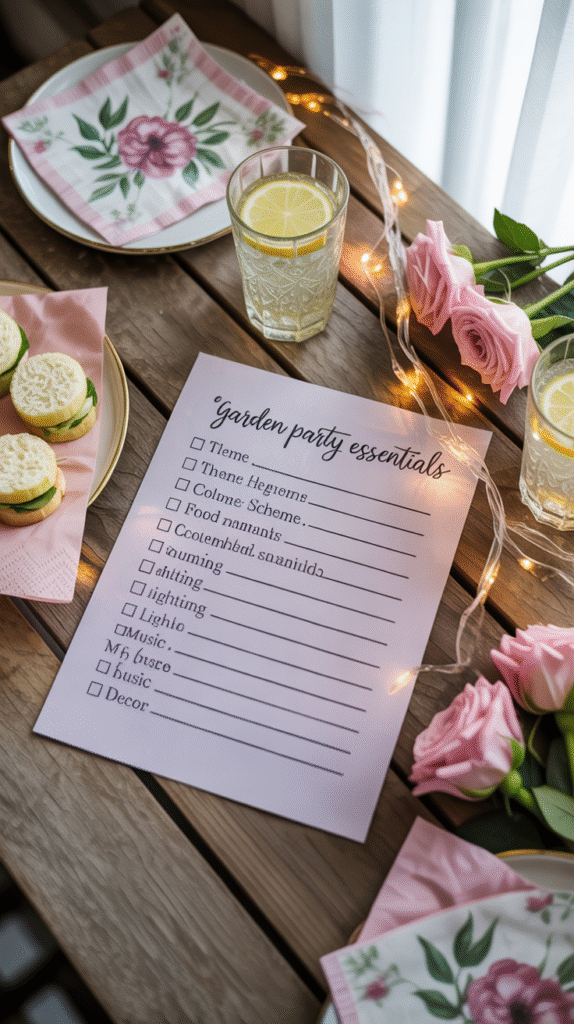
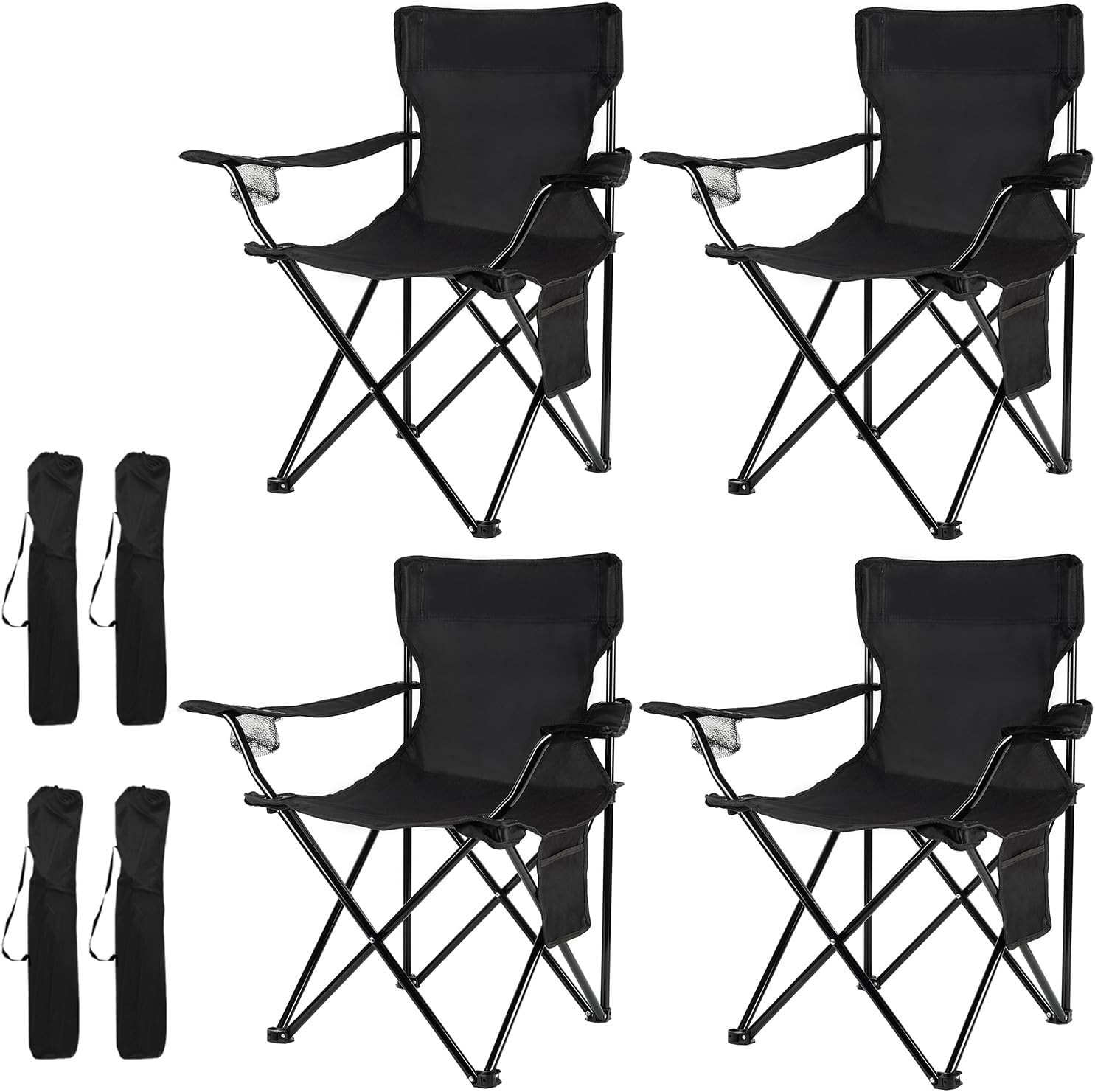
Seating for every guest, shade or a weather backup plan, enough food and drink, lighting for after dark, and a playlist cover the true non-negotiables.
Everything else on this list is enhancement — these five are what actually need to be locked down before the date arrives.

Go With the Flow
None of these elements need to be perfect to add up to a genuinely good party.
Start with the theme and the essentials checklist, since both anchor everything else, then layer in decor and small extras as time and budget allow.
The best garden parties feel relaxed because the host actually is — which only happens when the planning got handled well in advance.