
A stylish desk doesn't require a luxury budget.
What actually matters is matching the right type to the right price point — a simple laminate top works just as hard as an expensive one in the right setup.
These 8 desk types are organized by budget tier, from the cheapest functional option to a genuine long-term investment.
None of them require guessing at a specific product that might not even be in stock by the time anyone goes looking.


1. The Basic Tabletop-and-Legs Desk
A simple flat surface paired with A-frame or straight legs is the cheapest real desk option available.
This category covers the vast majority of entry-level desks sold at big-box and furniture retailers.
It won't win design awards, but it's sturdy, easy to assemble, and genuinely functional for daily use.
Worth it for a first home office, a dorm room, or anyone who isn't ready to commit to a bigger purchase yet.


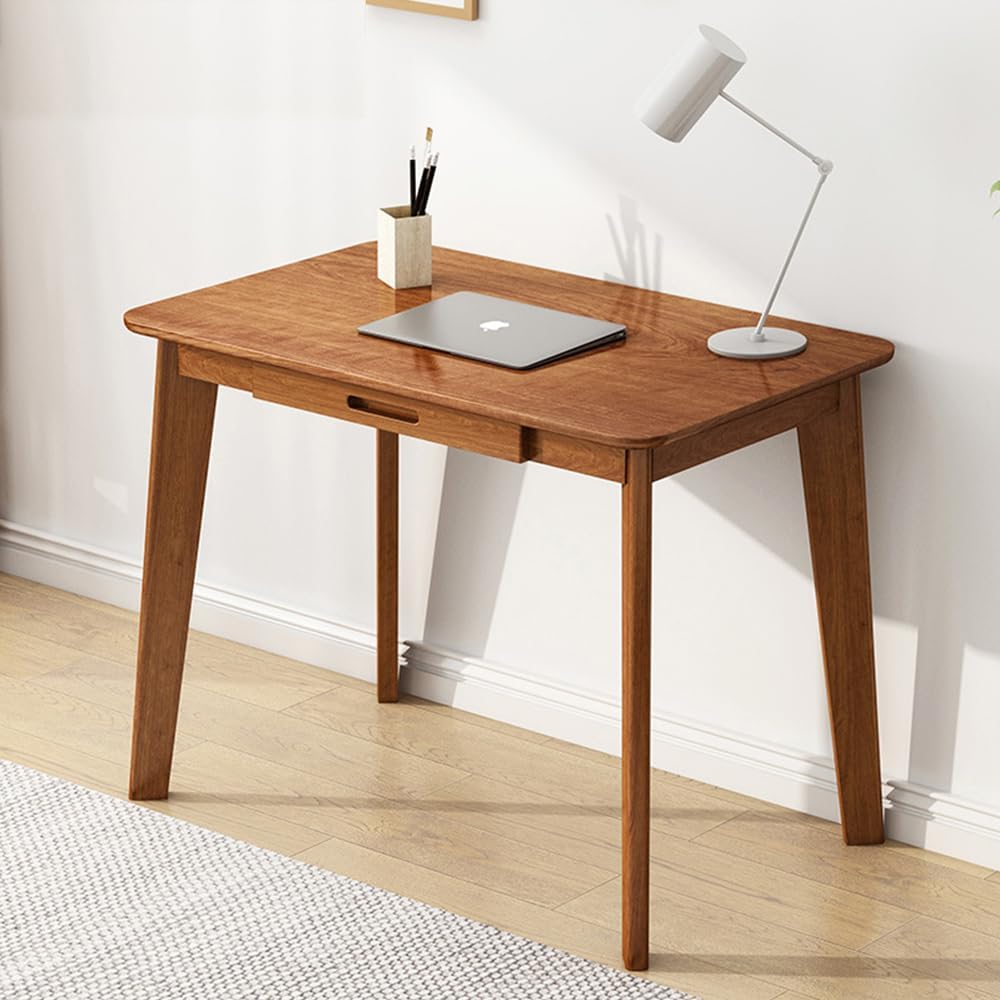
2. The Mid-Century Writing Desk
Tapered wood legs, a clean rectangular top and a warm wood tone define this style.
This sits a step above the basic tabletop option in both material quality and visual presence.
It suits a home office that's meant to be seen, not just used — a living room corner or a shared space.
A reliable middle-ground choice that photographs well without a steep price jump.

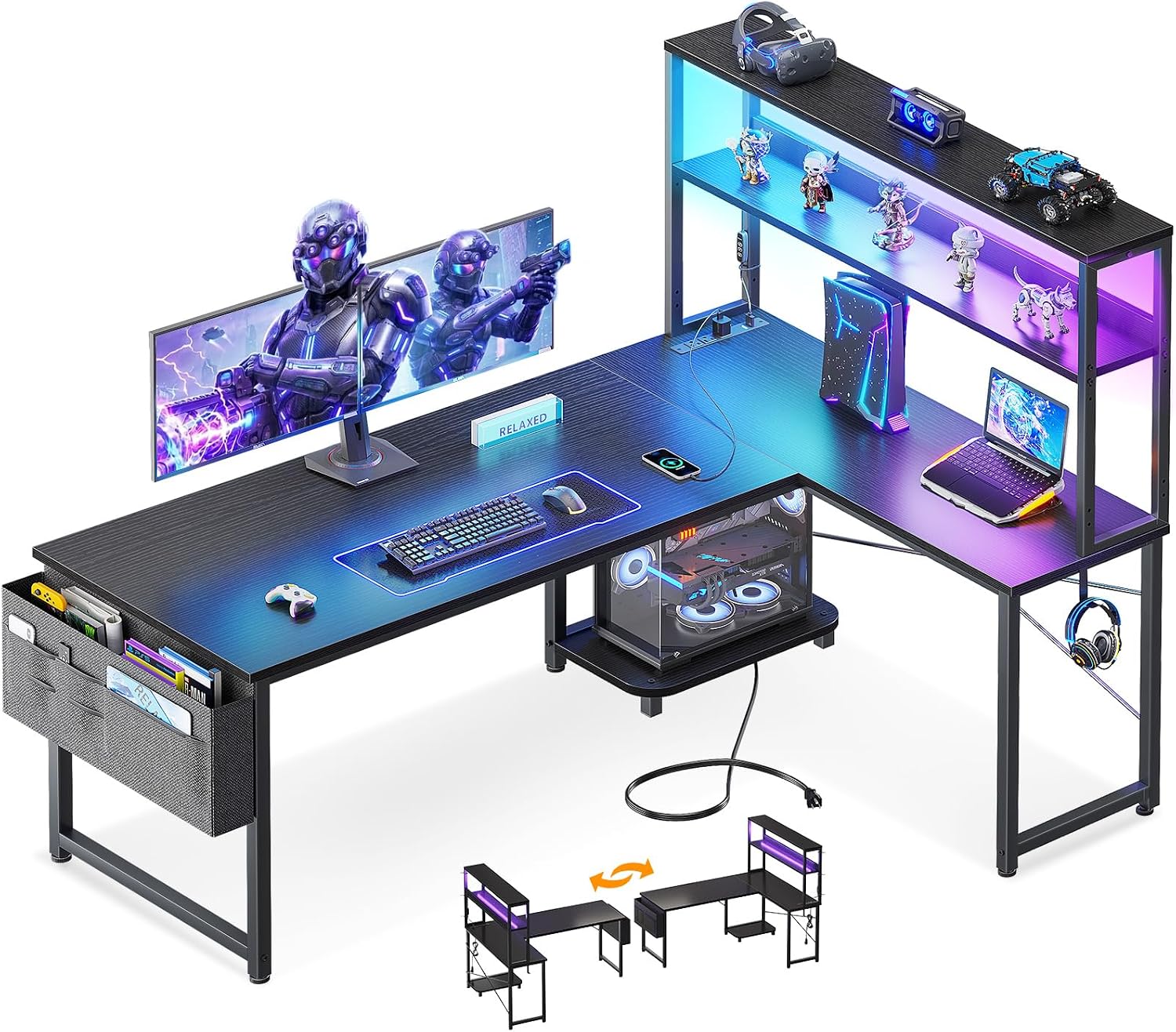
3. The Functional Gaming-Style Desk
Built for heavier daily use, this type often comes with cable management, a sturdier frame and sometimes a larger surface area.
Despite the gaming branding this style usually carries, it works just as well for anyone running multiple monitors or heavier equipment for work.
This category tends to offer more functional features per dollar than a purely style-focused desk at the same price.
Worth considering for anyone whose desk needs to support real hardware, not just a laptop.

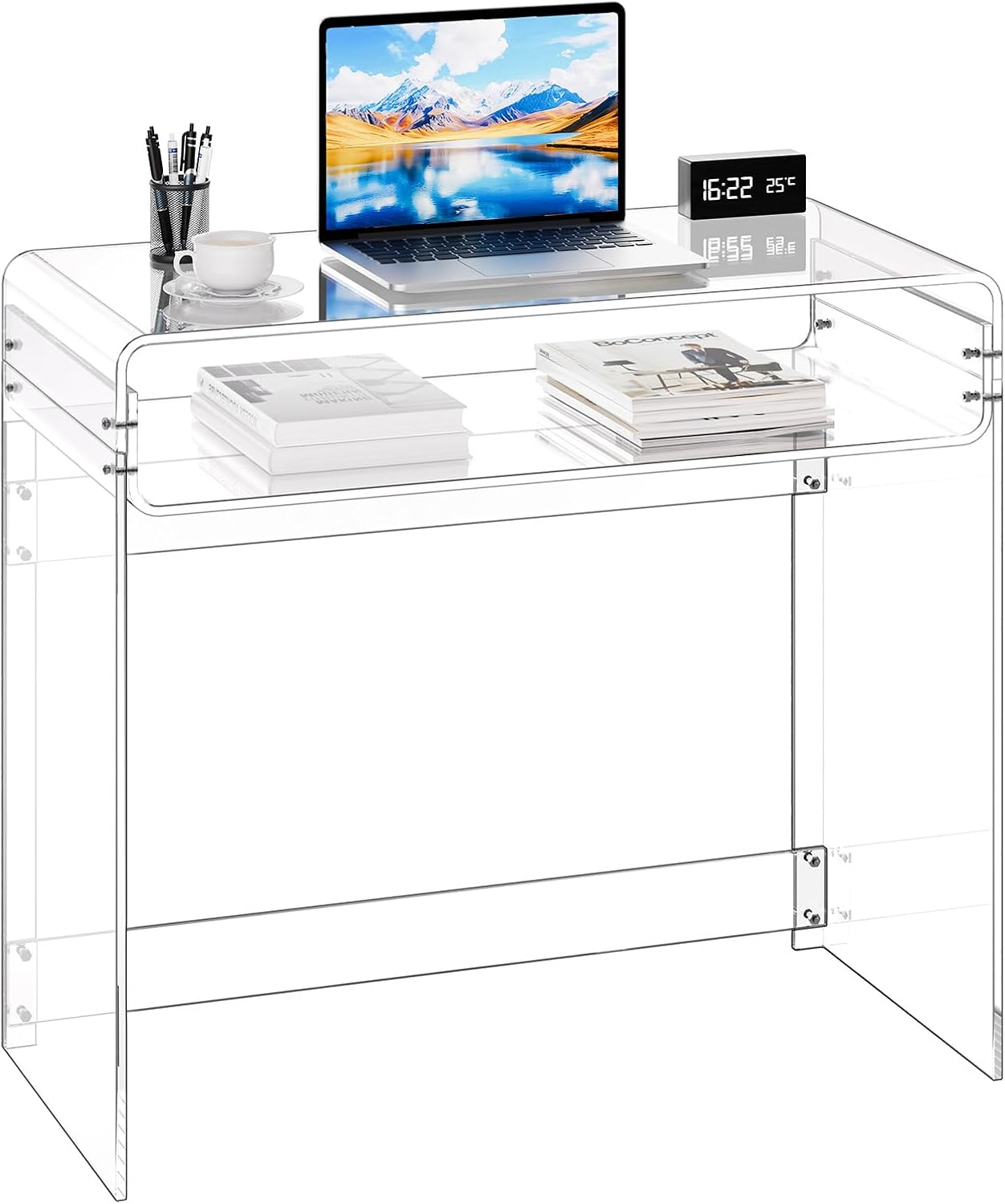
4. The Acrylic or Glass Desk
A clear or glass-topped desk visually disappears in a room, which makes it a strong choice for a smaller space.
This sits in a higher price bracket than wood or laminate options, since the material and construction cost more.
It reads as a genuine style statement rather than a purely practical choice.
Worth it for anyone prioritizing visual lightness in a tight room over maximum durability.

5. The Storage-Focused Desk
Built-in drawers and shelving solve the storage problem a simple tabletop desk leaves unaddressed.
This type costs more than a basic desk because of the added materials and construction, but it replaces a separate filing cabinet or storage unit.
Worth it for anyone who needs real storage at the desk itself, not just surface space.
A practical mid-to-upper budget choice that earns its price through function.


6. The Compact Mini Desk
A smaller footprint version of the mid-century style, built specifically for tight corners and small rooms.
This sacrifices some surface area in exchange for fitting into a space a full-size desk simply couldn't.
Pricing typically runs close to the full-size version of the same style, since the smaller size doesn't necessarily mean a lower cost.
Worth it for anyone working with a genuinely small room where every inch counts.


7. The Versatile Vanity-Style Desk
A desk that doubles as a vanity — often with a mirror or a more decorative design — serves double duty in a smaller home.
This suits a bedroom or a multi-use room where a dedicated office desk isn't practical.
It tends to prioritize style and dual function over maximum work surface, which matters for anyone choosing this type.
A smart choice for anyone who needs one piece of furniture to do two jobs.


8. The Sit-to-Stand Investment Desk
An adjustable-height desk represents the biggest investment on this list, but it also delivers the most genuine daily functional value.
The ability to switch between sitting and standing throughout the day is a real ergonomic benefit, not just a style choice.
This is worth the higher price for anyone spending many hours a day at a desk.
The one category on this list where the higher cost buys a meaningfully different daily experience, not just a nicer look.


Choosing the Right Type for the Space
Start with how the desk actually gets used — heavy equipment, storage needs, or just a laptop and a notebook — before worrying about style.
Measure the actual space available before falling for a design that won't physically fit.
A higher price doesn't automatically mean a better fit for a specific room or routine.
The right type is the one that matches daily habits, not just the one that photographs best.
Final Thoughts
Style and budget aren't actually in conflict across this list.
A basic tabletop desk, styled well, can look just as intentional as an expensive statement piece in the wrong setting.
Pick the budget tier that's realistic, then choose the type within it that actually matches daily use.
The investment-level sit-to-stand option is worth saving for eventually, but it's rarely the right starting point.