
A beautiful kitchen does not need to shout for attention. Japandi kitchen decor ideas work because they create a space that feels calm, warm, practical, and quietly beautiful. Think natural wood, soft neutrals, simple cabinetry, handmade ceramics, and just enough texture to keep everything from looking flat.
I’ve always liked kitchens that look collected rather than decorated within an inch of their lives. Japandi gets that balance right. You can keep the counters fairly clear without ending up with a kitchen that feels cold or completely personality-free.
And honestly, who wants a kitchen that looks like nobody actually cooks in it?


What Is Japandi Kitchen Design?
Japandi combines Japanese design principles with Scandinavian design. Japanese interiors bring simplicity, natural materials, craftsmanship, and an appreciation for imperfection, while Scandinavian design contributes warmth, comfort, functionality, and approachable minimalism.
Architectural Digest describes Japandi as an “East-meets-West design movement” that blends Japanese wabi-sabi with Scandinavian hygge. Both traditions also emphasize simplicity, natural elements, comfort, and sustainability.
“It blends Japanese artistic elements and wabi-sabi philosophy with Scandinavian comfort and warmth or hygge.”
— Shanty Wijaya, interior designer, quoted by Architectural Digest
For a kitchen, that combination makes a lot of sense. Kitchens already need to work hard, so the Japandi approach keeps the design functional while making the room feel peaceful.
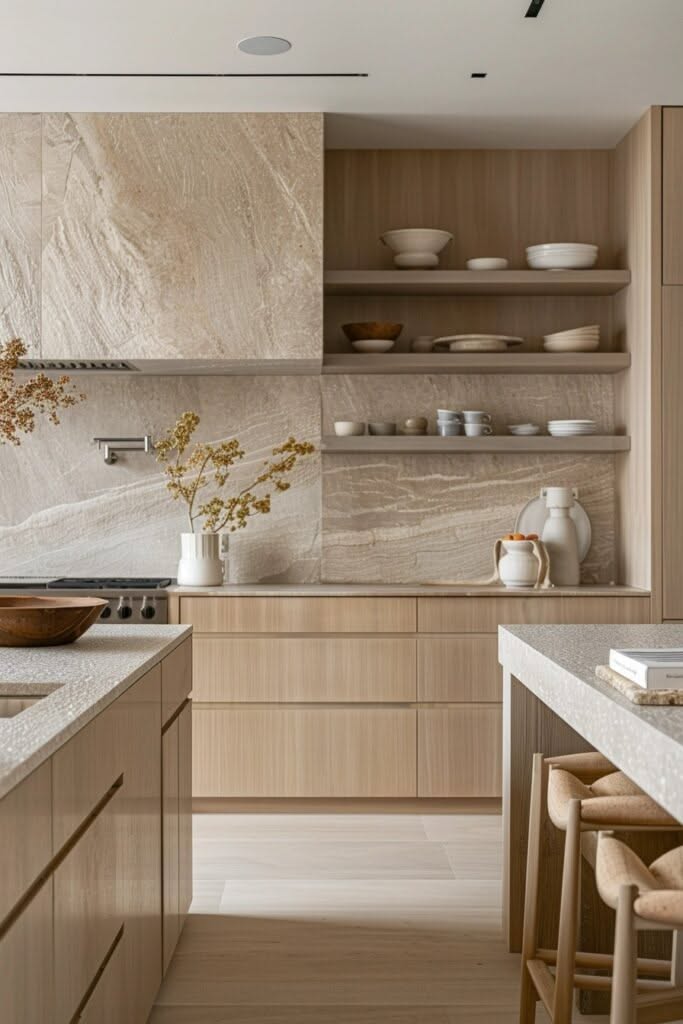
You will usually see warm wood, earthy neutrals, clean lines, natural stone, simple lighting, organic shapes, and limited decoration.
The important part involves balance. You do not need to make every surface beige and remove every decorative object from the room. Japandi should feel intentional, not empty.

How Do You Make a Kitchen Look Japandi?
Start with the big visual elements before you worry about accessories. Your cabinetry, flooring, countertops, walls, and lighting will create most of the atmosphere.
I usually think about a Japandi kitchen through five simple layers:
- Natural materials: wood, stone, ceramic, linen, rattan, and plaster
- Warm neutrals: cream, beige, taupe, greige, warm white, and earthy brown
- Simple shapes: clean cabinetry and uncomplicated furniture
- Texture: grain, woven materials, handmade ceramics, and stone
- Intentional styling: fewer objects, but better-selected objects
Architectural Digest notes that Japandi interiors commonly use neutral tones, natural materials, greenery, organic shapes, and an appreciation for craftsmanship.
“The common love for craftsmanship is also found in Japandi style interiors.”
— Laila Rietbergen, author of Japandi Living, quoted by Architectural Digest
That last point matters more than people realize. If you simply install flat beige cabinets and call the kitchen Japandi, you will probably end up with a room that looks unfinished.
The magic comes from contrast, texture, craftsmanship, and restraint.
20 Japandi Kitchen Decor Ideas
Now for the fun part. These Japandi kitchen decor ideas range from larger design choices to small styling details, so you can use them whether you are planning a full renovation or simply refreshing your existing kitchen.
Choose Warm Wood Cabinets for a Japandi Kitchen
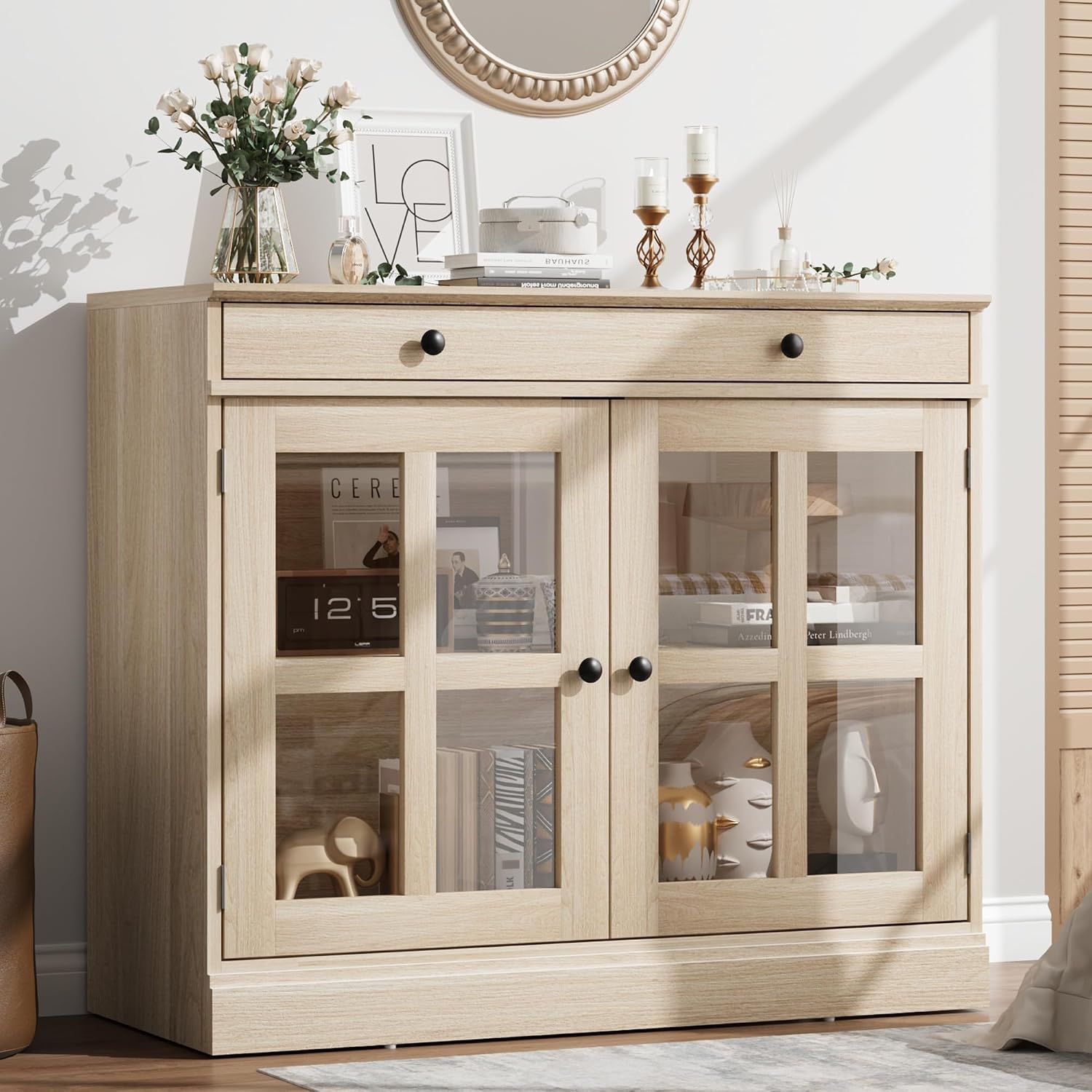
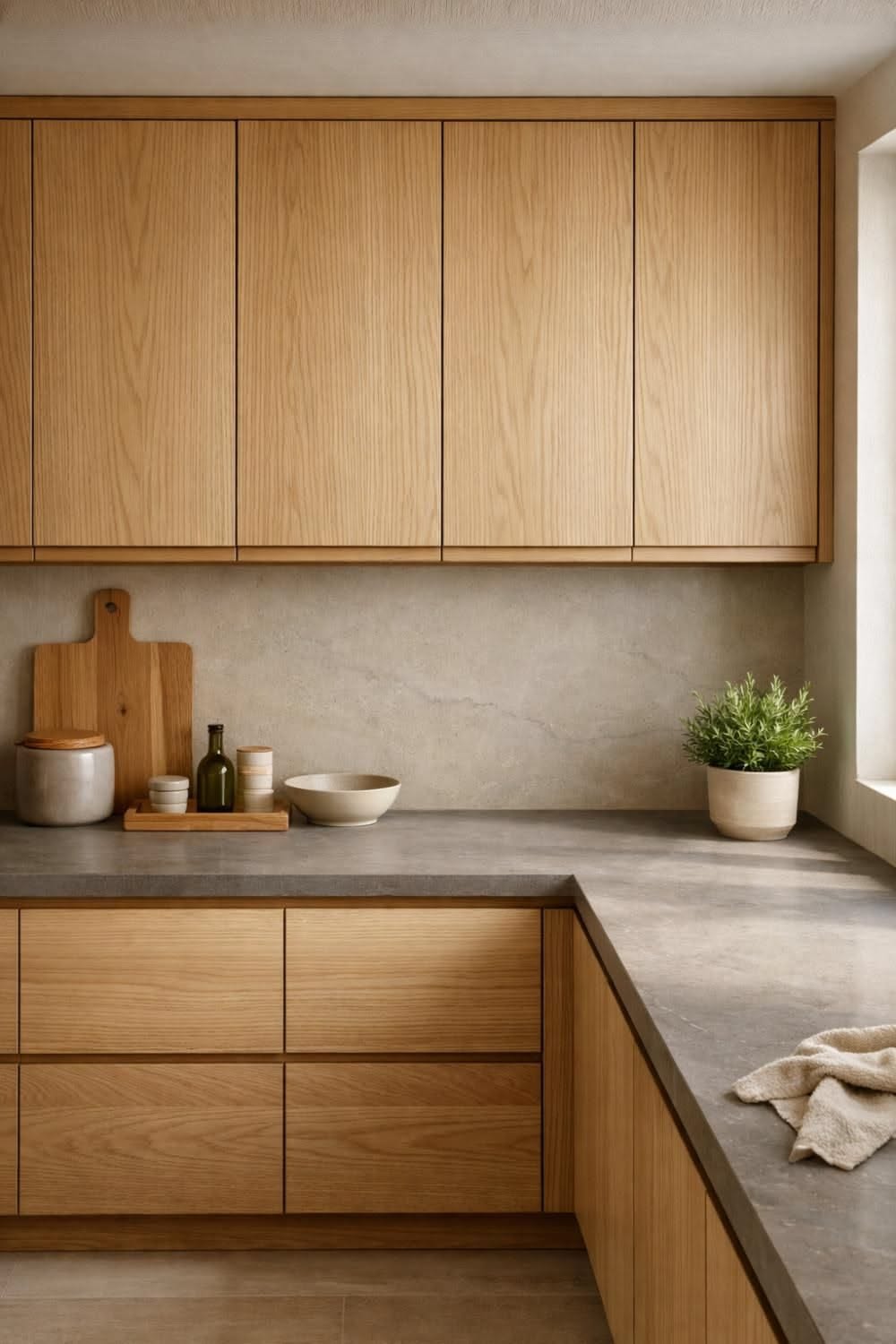
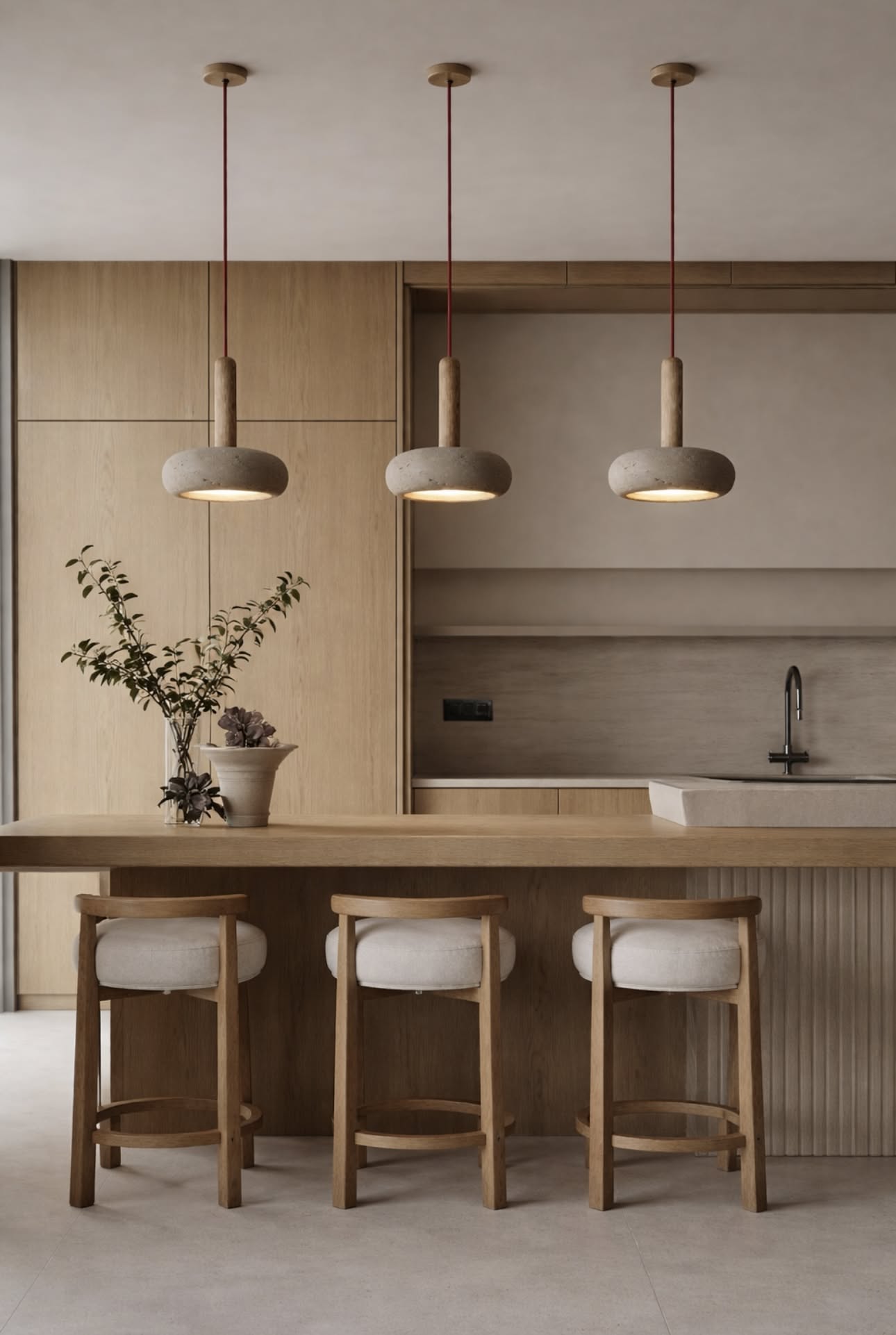
Wood cabinetry immediately gives a Japandi kitchen warmth and character. White oak works particularly well because its natural grain adds visual interest without overwhelming the room.
I prefer a medium or light wood finish over anything extremely orange or glossy. A matte finish usually looks more natural and works beautifully with stone countertops.
You can also mix wood cabinetry with warm white upper cabinets if you want the room to feel lighter.
The goal is simple: let the wood look like wood. Avoid finishes that make it look overly polished or artificial.


Pair Japandi Kitchen Cabinets With Warm White Walls
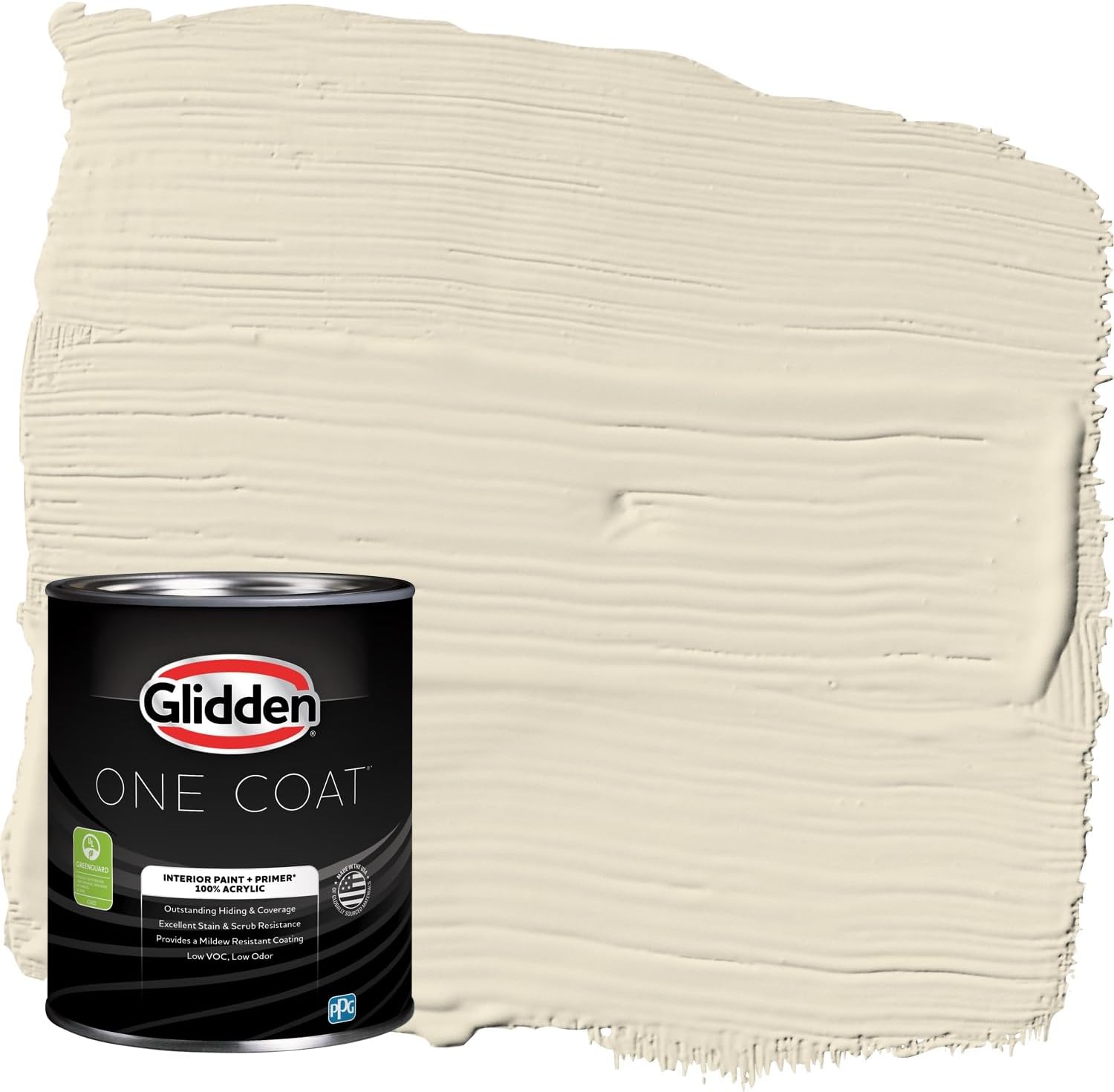
A warm white wall creates the perfect backdrop for wood cabinetry and natural materials.
Instead of choosing a stark, blue-toned white, look for creamy whites, soft ivory, or very light beige. These shades soften the strong lines that often appear in minimalist kitchens.
Ever notice how some white kitchens look almost clinical? Warm undertones prevent that problem.
I particularly like this combination with oak cabinets, limestone-inspired countertops, and black or bronze hardware.


Add a Natural Stone Countertop
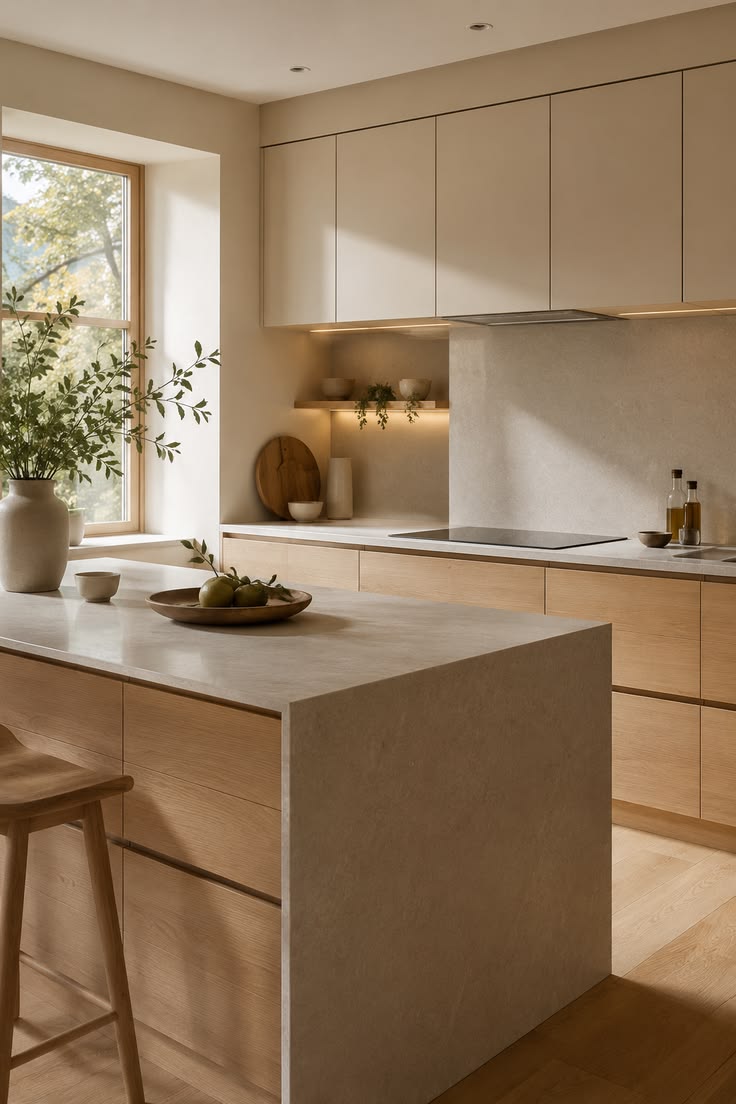
Natural stone brings the earthy quality that makes Japandi kitchen decor feel authentic.
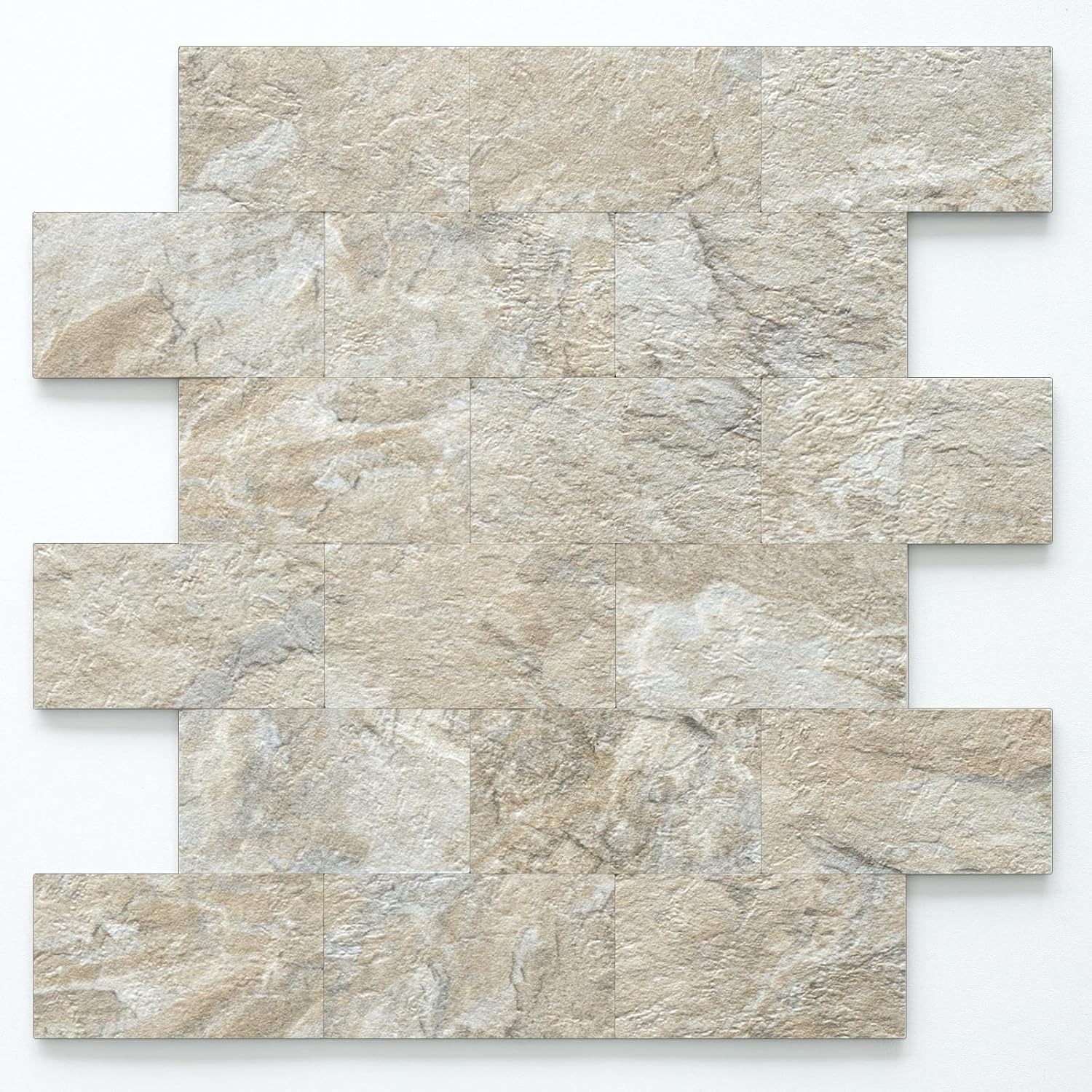
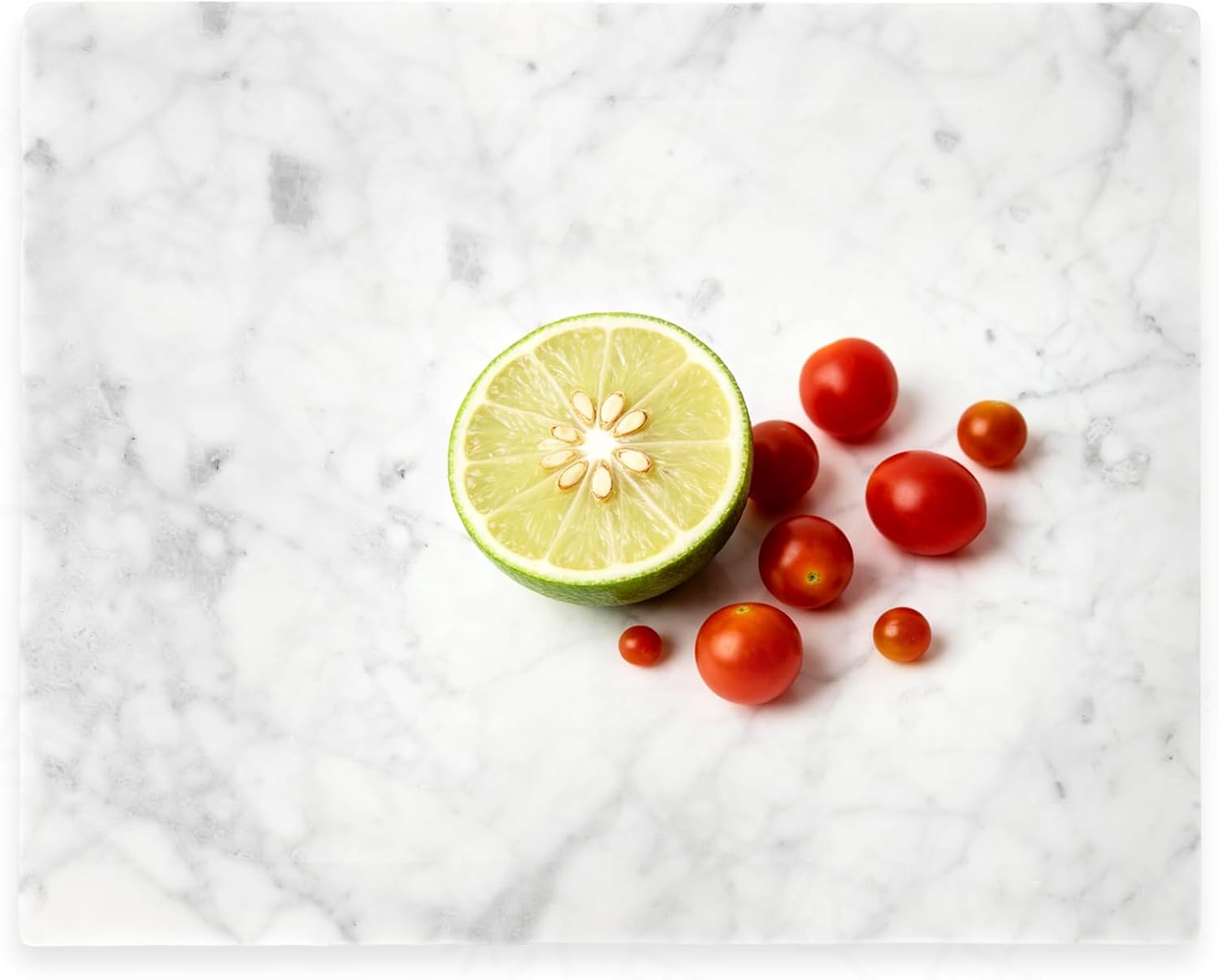
Look for materials with subtle movement rather than dramatic veining. Limestone, travertine, soapstone, and softly veined marble can all work beautifully.
You can also consider quartz with a natural stone appearance if you want easier maintenance.
The key involves keeping the visual movement controlled. One dramatic countertop can easily become the star of the kitchen, while Japandi works better when the entire room shares attention.

Use a Soft Greige Color Palette
Not ready to commit to an entirely wood kitchen? Try greige.
A combination of beige and gray creates a soft neutral backdrop that works particularly well with natural wood.
For a Japandi kitchen, I would build the palette around three or four related shades rather than throwing ten neutrals into the mix.
Try:
- Warm white
- Soft greige
- Natural oak
- Deep brown
- Muted black accents
This palette feels sophisticated without looking overly styled.


Install Flat-Panel Japandi Kitchen Cabinets
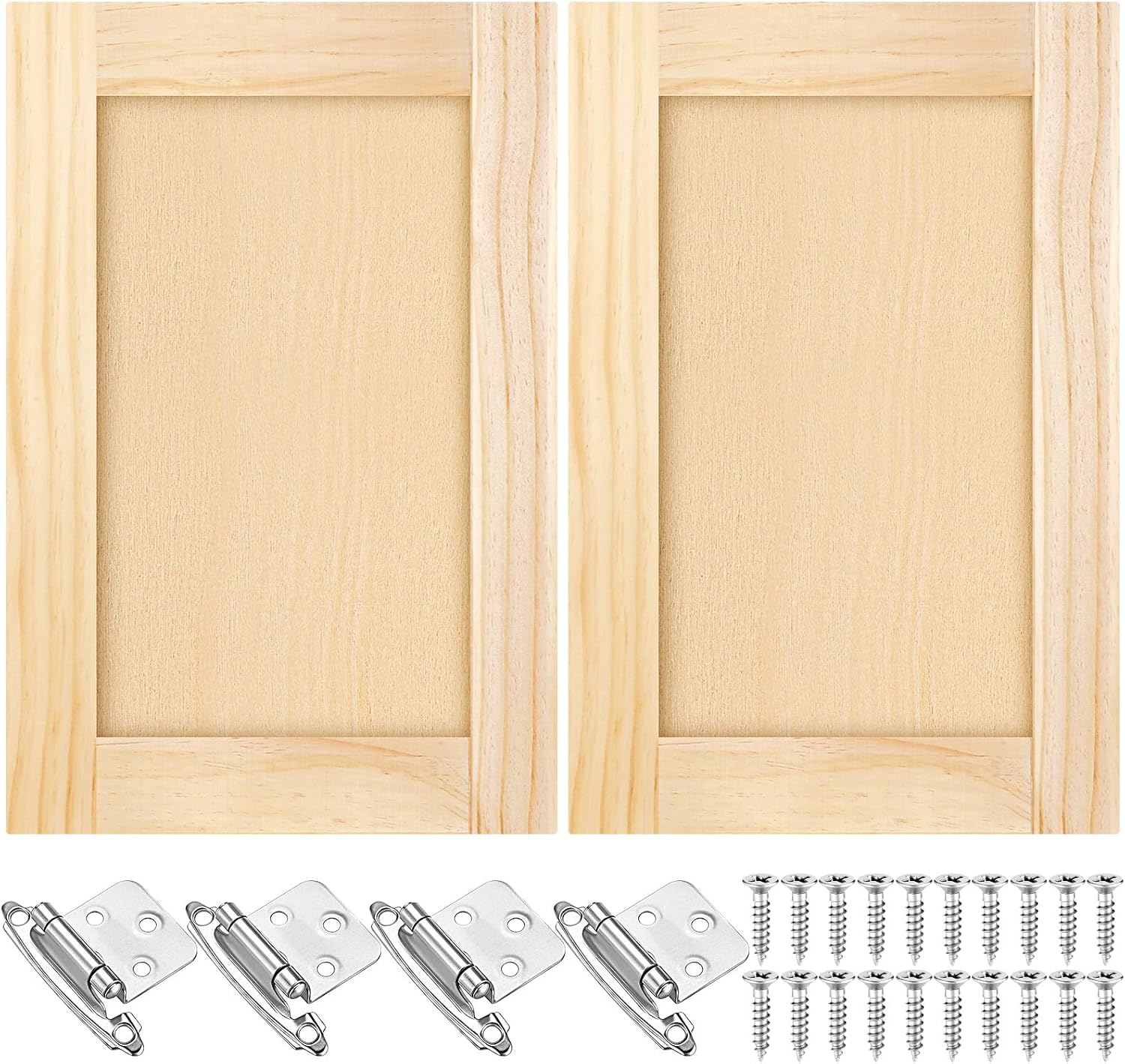
Flat-panel cabinets make an excellent foundation for Japandi design because they keep the visual lines clean.
You do not need elaborate cabinet profiles or decorative trim. Instead, let the material and proportions create the interest.
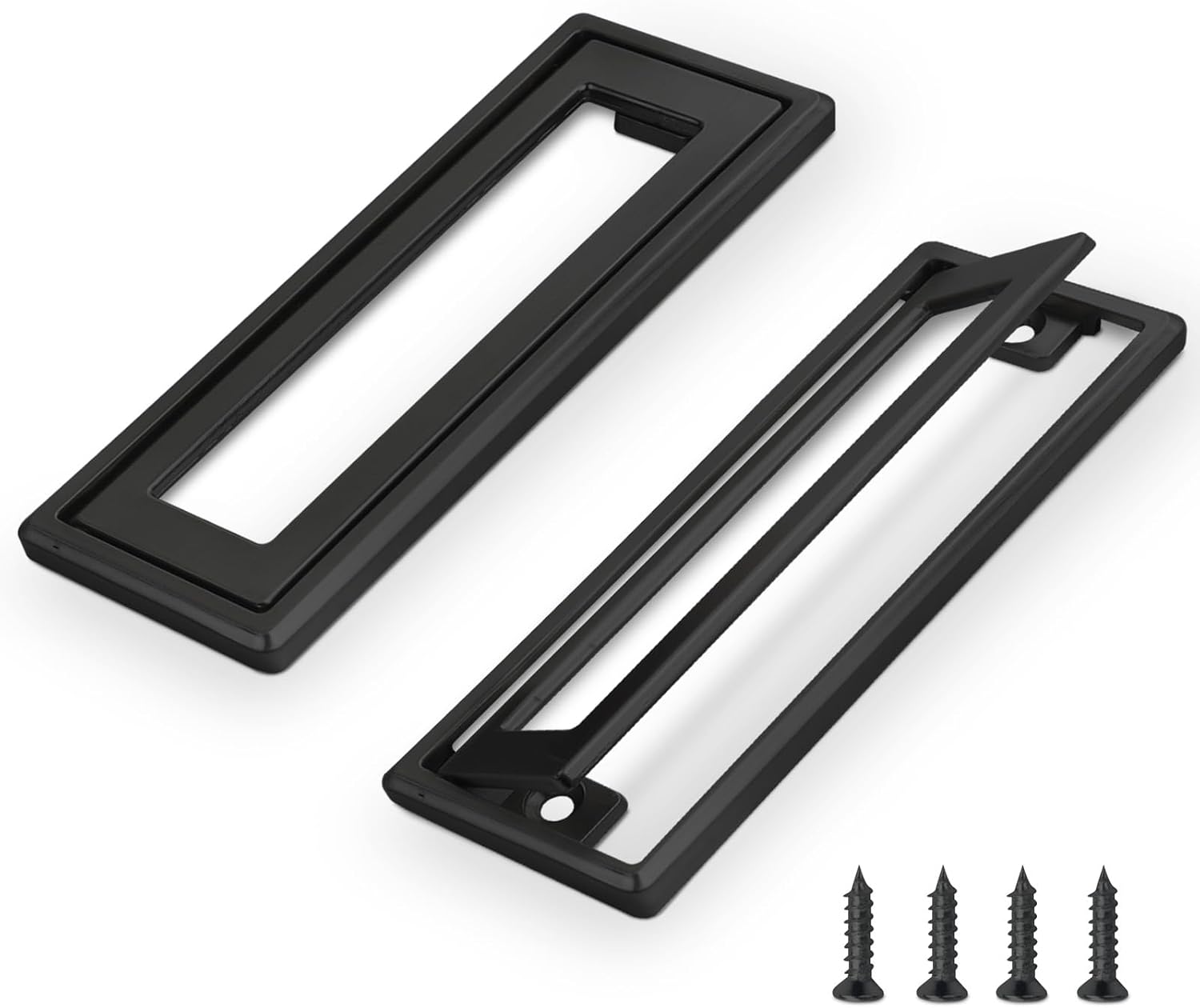
For an especially calm look, use integrated pulls or simple recessed handles.
Architectural Digest recently highlighted a Japandi-influenced kitchen with white oak cabinetry and paneled appliances, showing how cabinetry can create a streamlined appearance while natural materials keep the room warm.
The trick involves making simple cabinetry feel intentional rather than cheap or boring. Good proportions make a huge difference.
Add Open Wood Shelving to Your Japandi Kitchen
One or two floating wood shelves can break up a wall of cabinetry beautifully.
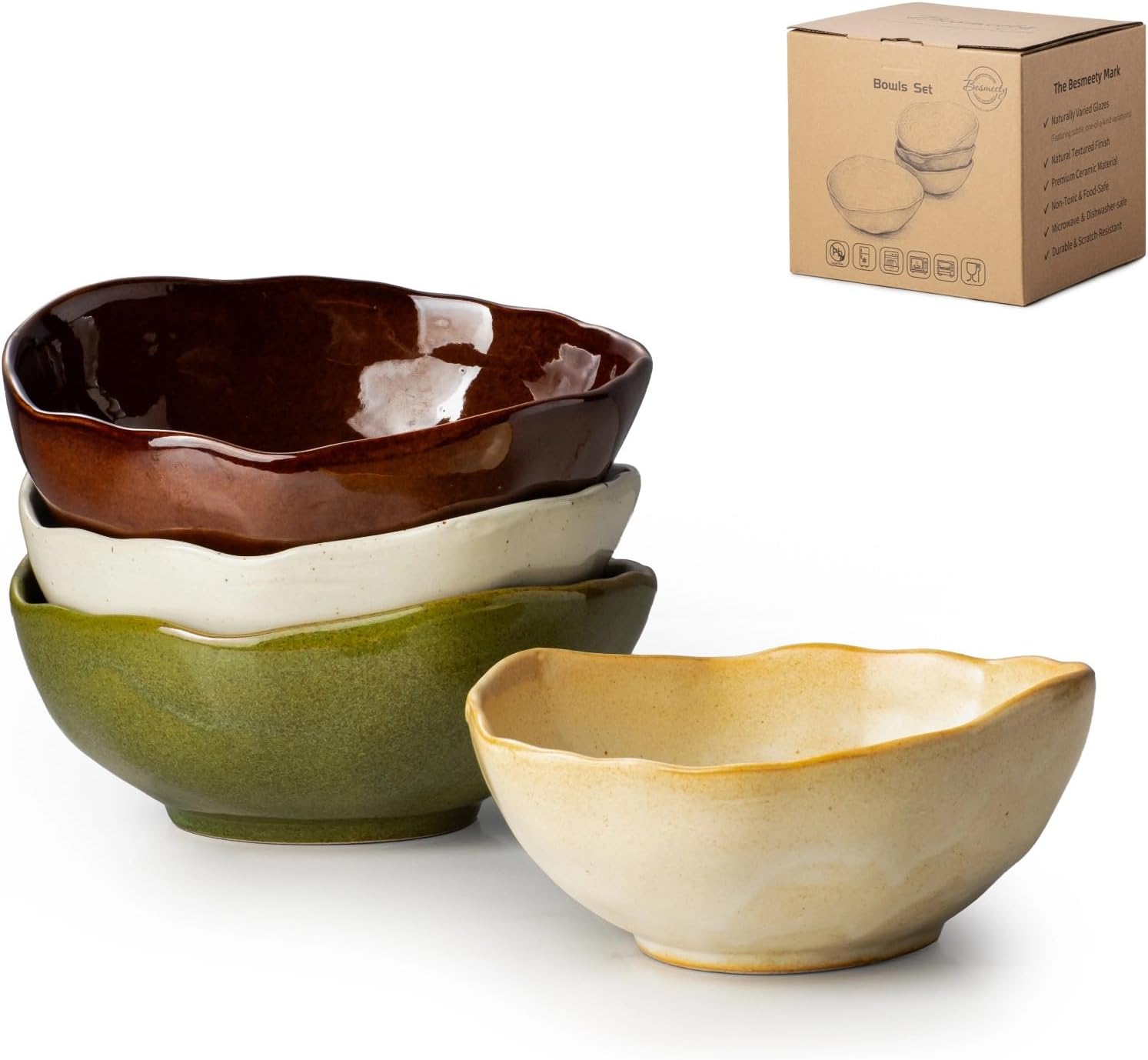
Use them to display only the things you genuinely enjoy looking at. A few handmade bowls, ceramic mugs, a small plant, or a wooden cutting board can create enough personality.
I would avoid filling every inch of the shelf. Negative space gives each object room to breathe.
Japandi shelving should look curated, not like your kitchen cabinets ran out of storage.


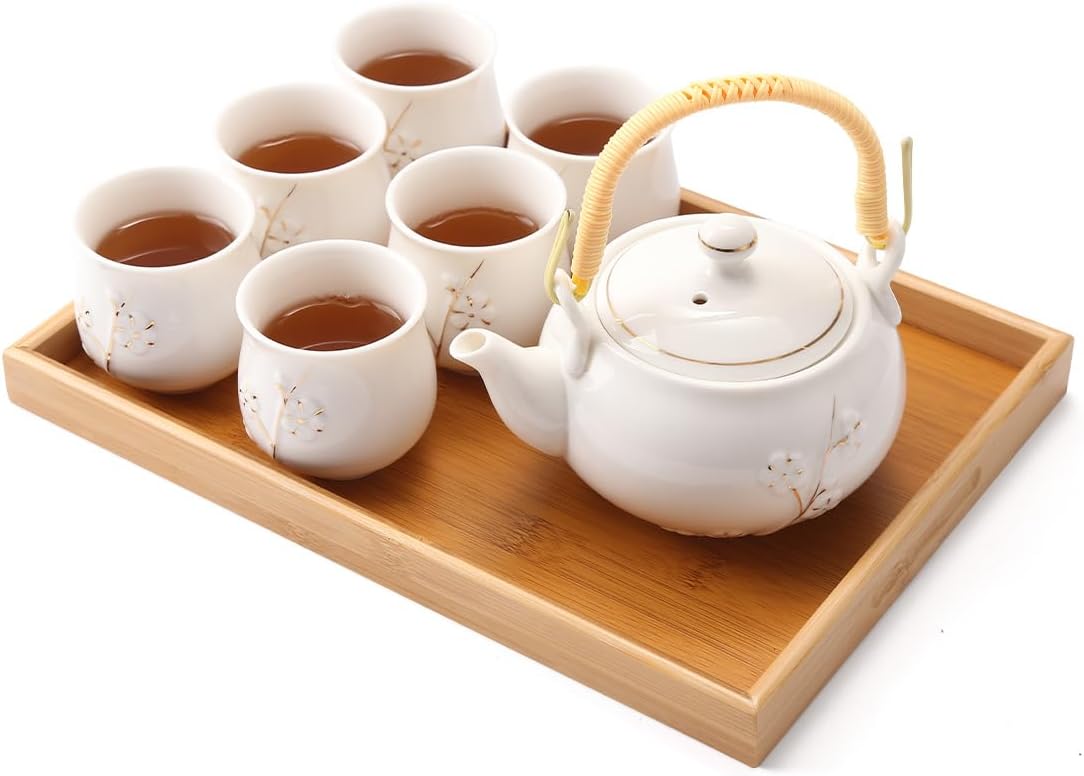
Bring in Handmade Ceramics
This might be one of my favorite Japandi kitchen decor ideas because handmade ceramics instantly add character.
Choose mugs, bowls, vases, and serving dishes with subtle irregularities. Cream, sand, charcoal, taupe, and muted brown work particularly well.
The tiny imperfections actually help the kitchen feel more personal.
“Opt for vintage or reclaimed pieces or something original or handmade rather than mass produced.”
— Shanty Wijaya, quoted by Architectural Digest
You do not need a huge collection. Three or four beautiful pieces can accomplish more than twenty random accessories.

Use Black Accents Sparingly
Japandi kitchens often benefit from a little contrast.
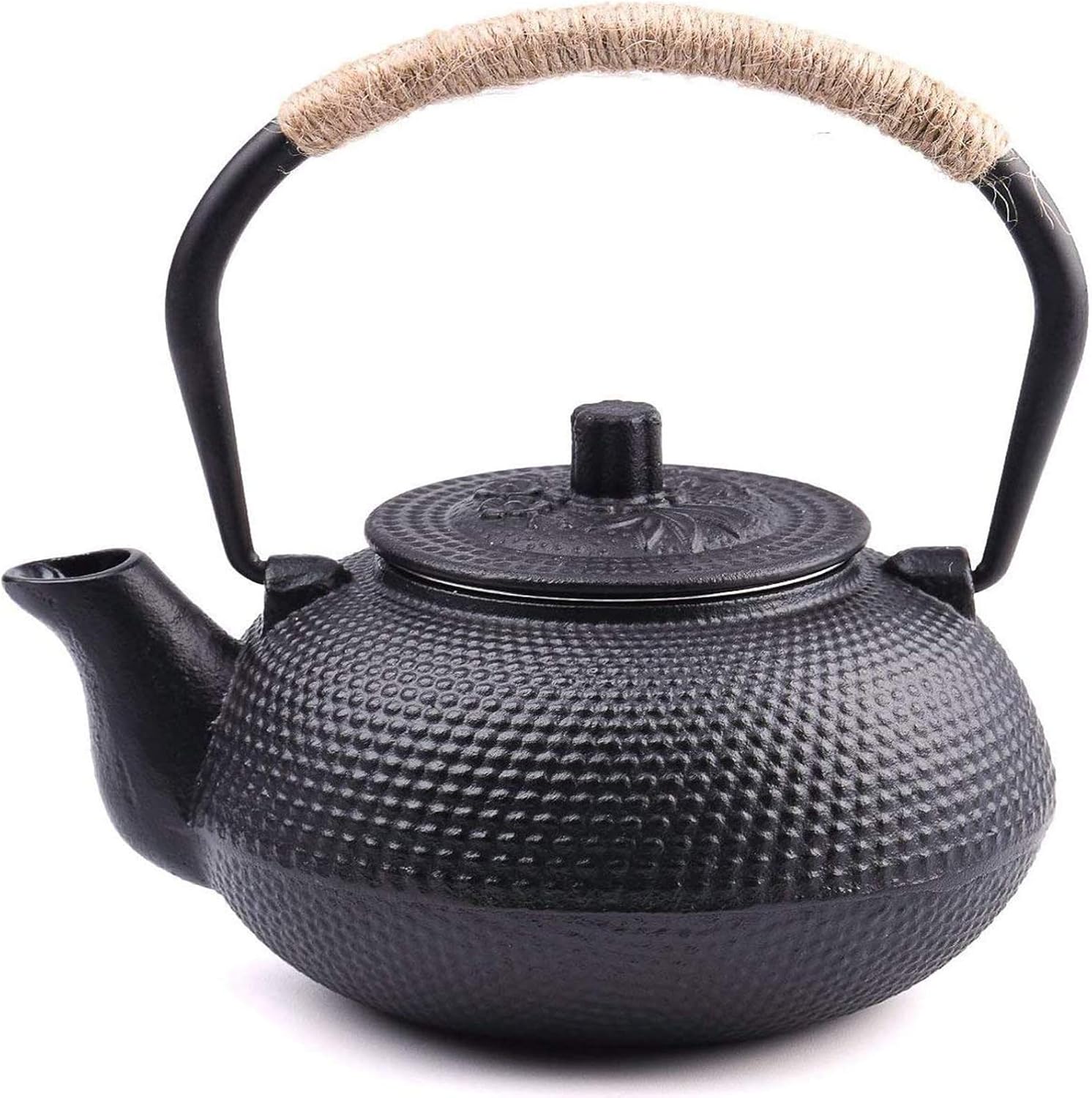
Black hardware, a black faucet, dark stools, or a black pendant light can ground an otherwise soft palette.
But keep the amount controlled. Too much black can shift the room toward industrial or contemporary design.
I like using black as punctuation rather than the entire sentence.
A black faucet against warm oak cabinetry, for example, creates just enough contrast without overpowering the room.


Choose Organic Pendant Lights
Lighting can completely change the feeling of a Japandi kitchen.
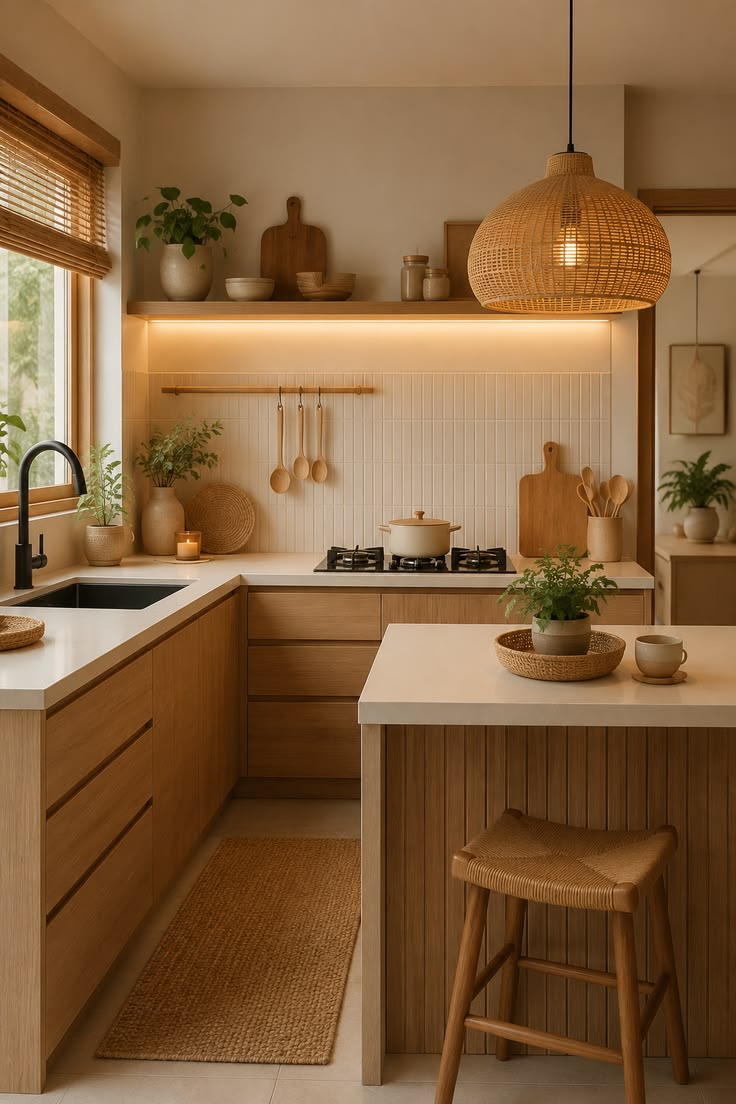
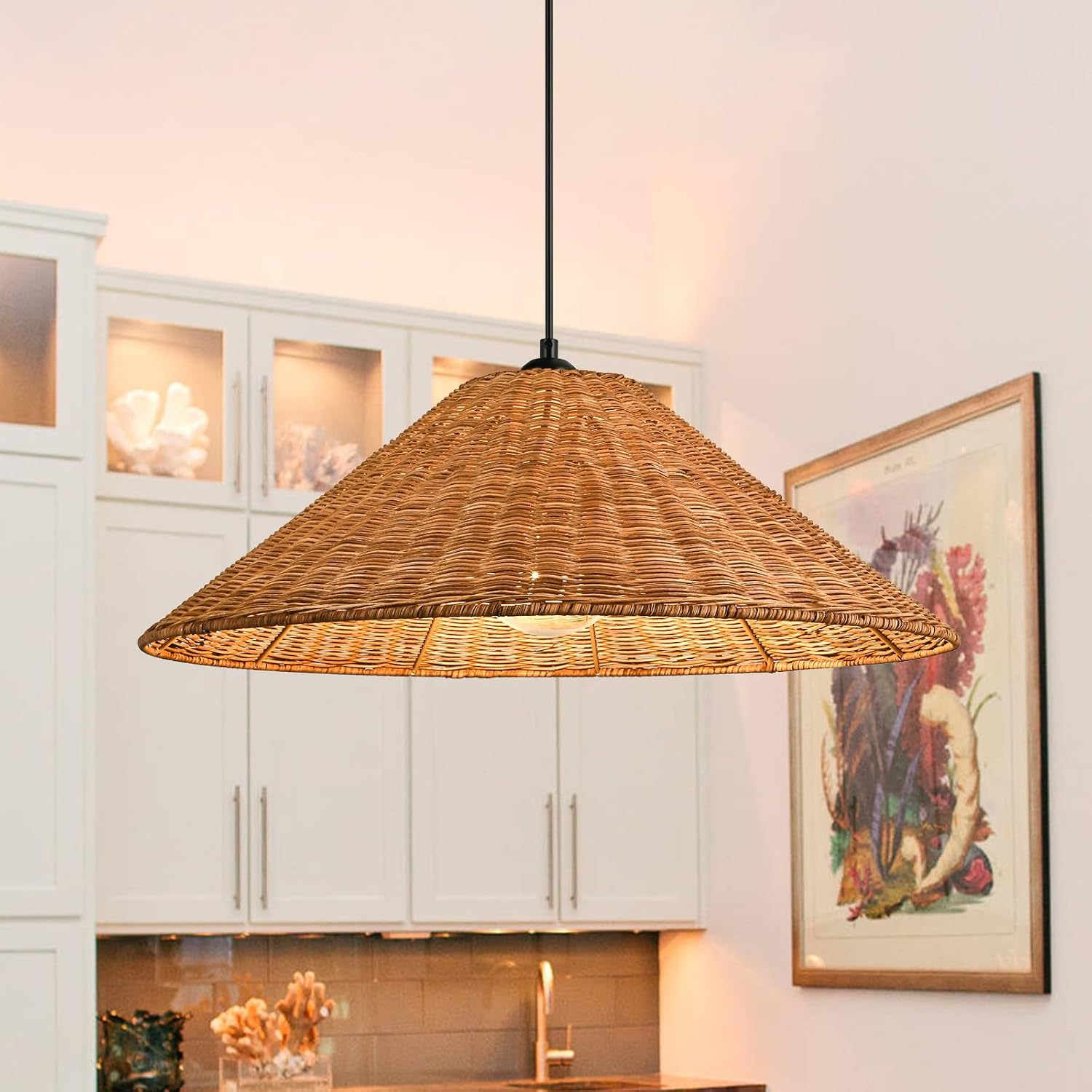
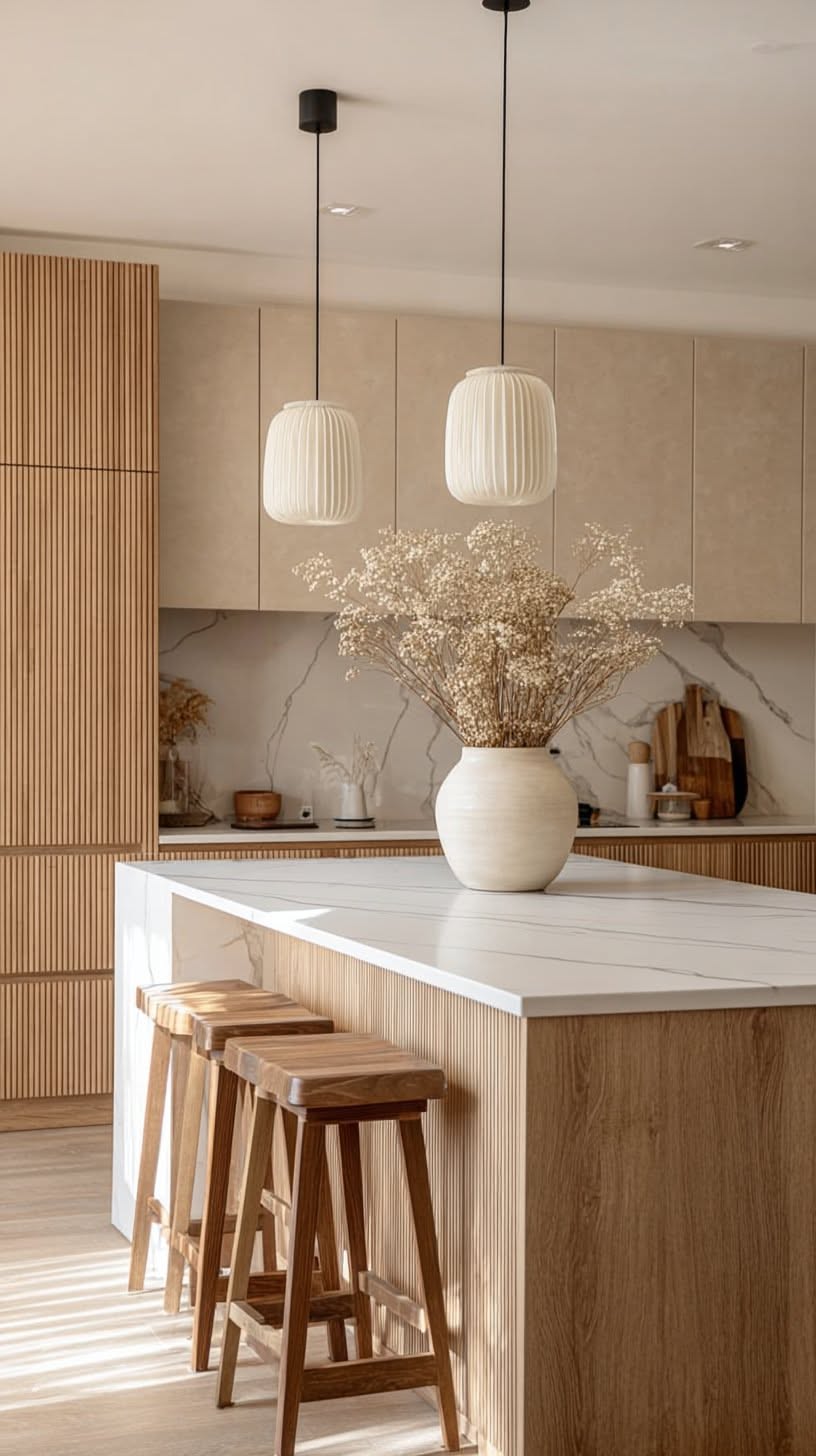
Look for pendants made from paper, linen, rattan, wood, or other natural-looking materials. Rounded silhouettes work particularly well because they soften the straight lines of cabinetry.
Paper lantern-style lighting also connects beautifully with Japanese-inspired interiors.
Keep the lighting warm rather than extremely cool. You want the kitchen to feel inviting once the sun goes down.


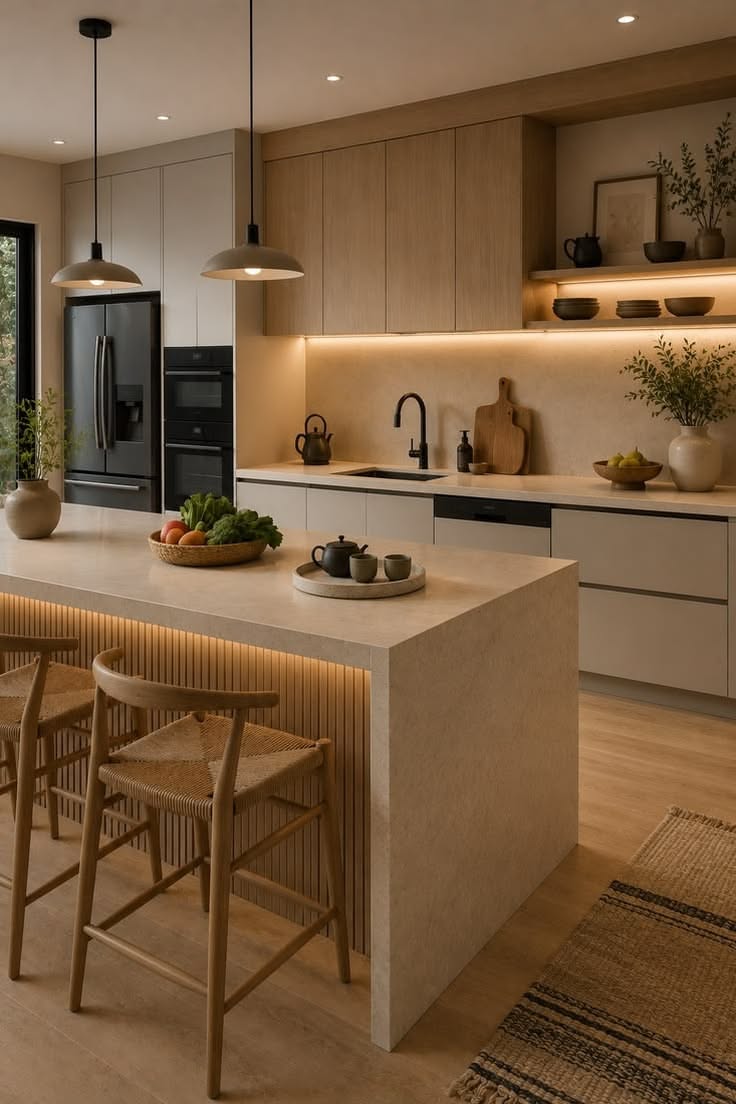
Add a Japandi Kitchen Island With Rounded Details
If you have enough space, consider softening a rectangular island with rounded stools, curved pendant lights, or subtly rounded corners.
The island should still feel functional. Give yourself enough room for food preparation, seating, and movement around the space.
In one Bengaluru home, designer Aishwarya Govind combined Japandi influences with an island that doubled as a breakfast bar because the homeowners enjoyed cooking and entertaining.
That example highlights something I always keep in mind: good kitchen design should support the way you actually live.
Pretty does not count for much if nobody can comfortably move around the island.

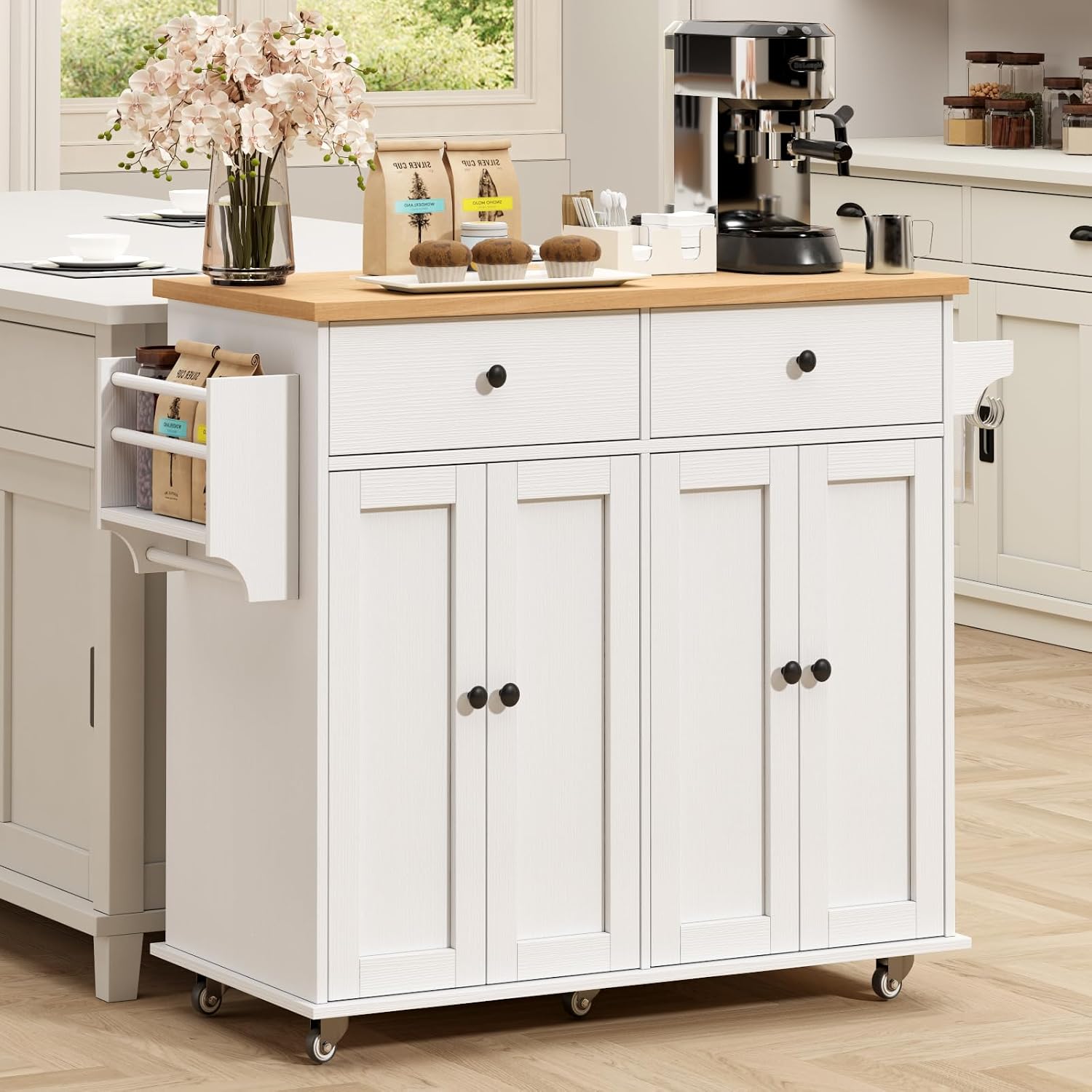

Style the Countertops With Intention
Japandi kitchens do not require completely empty countertops.
Instead, choose a few functional objects that also look beautiful.
Try a wooden cutting board, ceramic utensil holder, stone bowl, small vase, or simple coffee setup.
The easiest rule involves asking yourself whether each item serves a purpose or genuinely adds beauty.
If the answer is no, put it away.

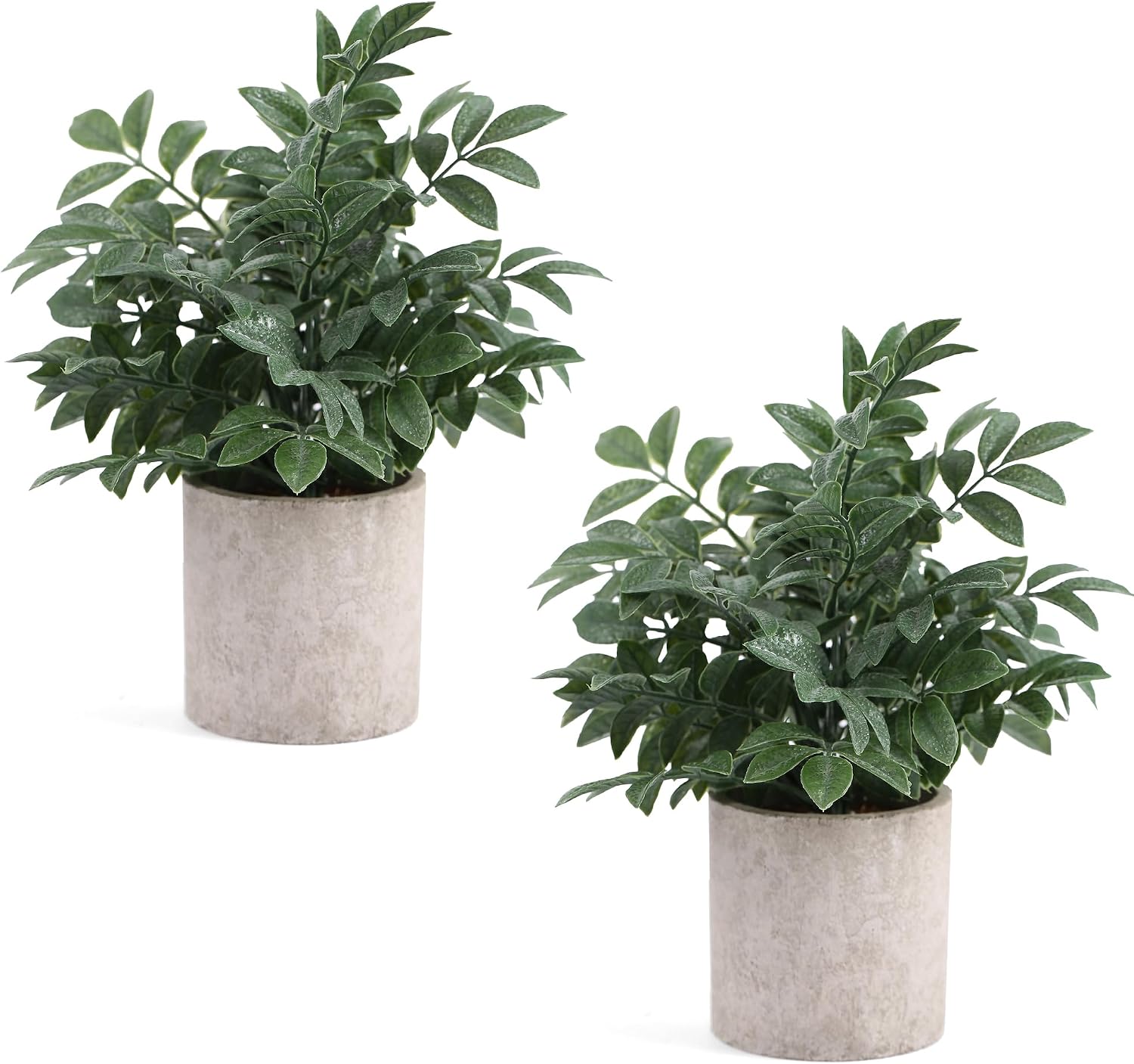
Bring Greenery Into Your Japandi Kitchen
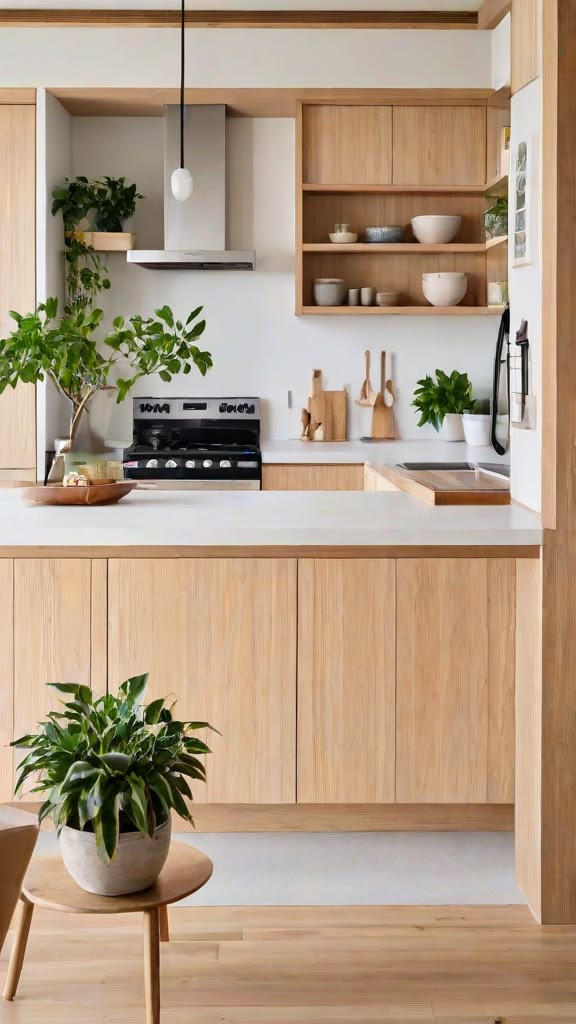
Plants bring life into an otherwise neutral kitchen.
Choose greenery with simple shapes rather than plants that create visual chaos. Olive branches, eucalyptus, herbs, small trees, and understated potted plants can work well.
A small herb garden also makes sense because it combines decoration with function.
Architectural Digest notes that Japandi interiors often emphasize connections with nature through greenery, natural materials, and indoor-outdoor relationships.
You do not need to turn your kitchen into a jungle. One beautiful plant can create enough contrast.

Use Textured Japandi Kitchen Backsplash Tiles
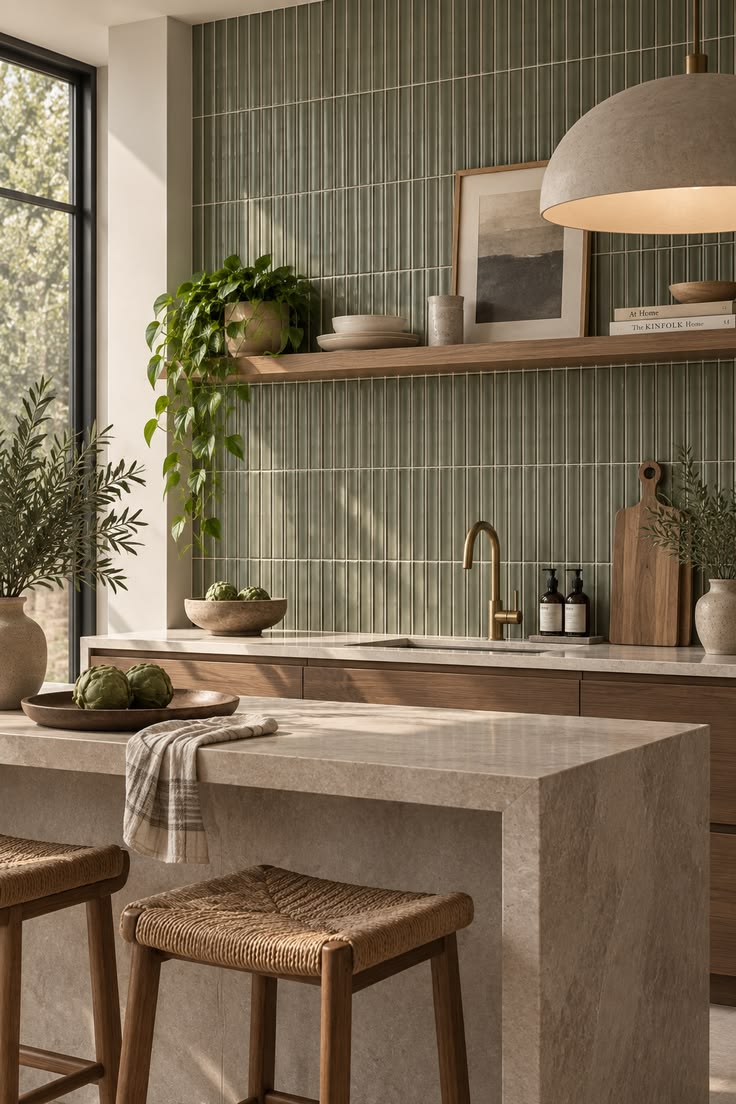
A completely plain backsplash can sometimes make a minimalist kitchen feel flat.
Instead, introduce subtle texture with handmade-look ceramic tiles, zellige-inspired tiles, plaster, or softly textured stone.
Stick with quiet colors such as cream, warm white, taupe, or soft gray.
I especially like slightly irregular tiles because they add the handcrafted quality that works so well with Japandi interiors.
The backsplash should support the cabinetry, not compete with it.


Try a Limewash or Plaster-Inspired Wall Finish
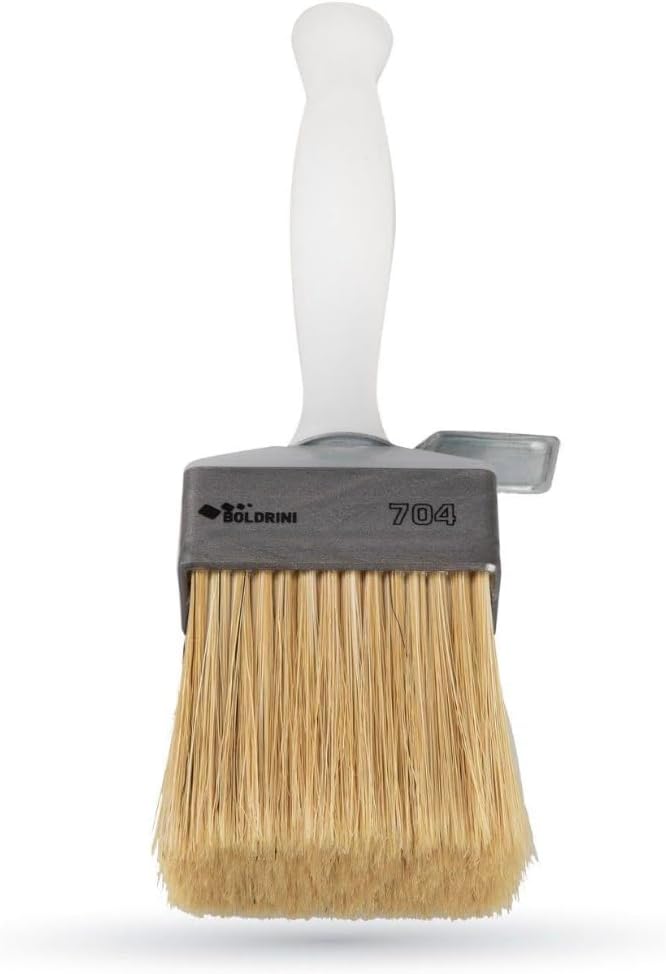
Want your Japandi kitchen to feel a little more architectural?
A limewash or plaster-inspired finish can add depth without introducing a busy pattern.
Soft variations in the wall surface create exactly the kind of subtle imperfection that works with the wabi-sabi side of Japandi design.
Designer Shanty Wijaya used plaster, concrete, limestone, and reclaimed wood in a Japandi-style home, showing how different natural textures can create complexity even when the palette remains muted.
This approach works especially well in open-plan kitchens because the wall finish can visually connect the kitchen with nearby living areas.


Add Natural Wood Bar Stools
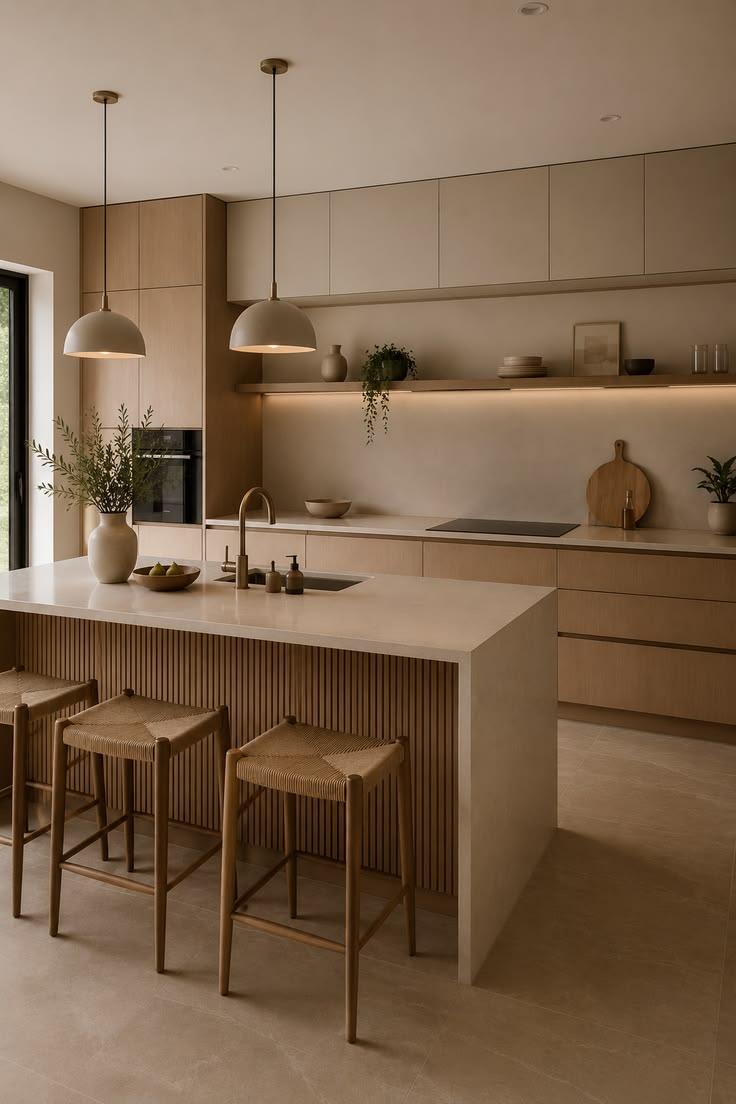
Bar stools can make or break a kitchen island.
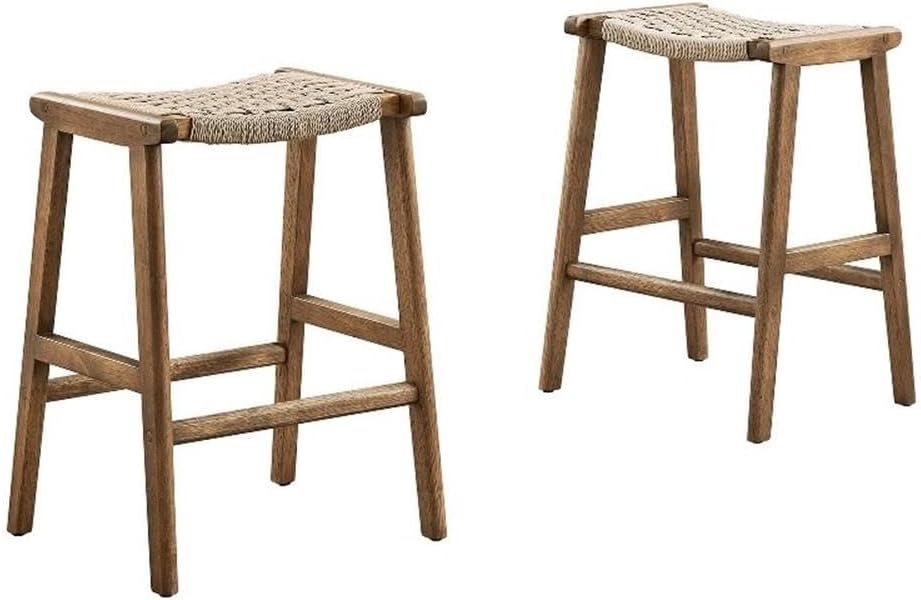
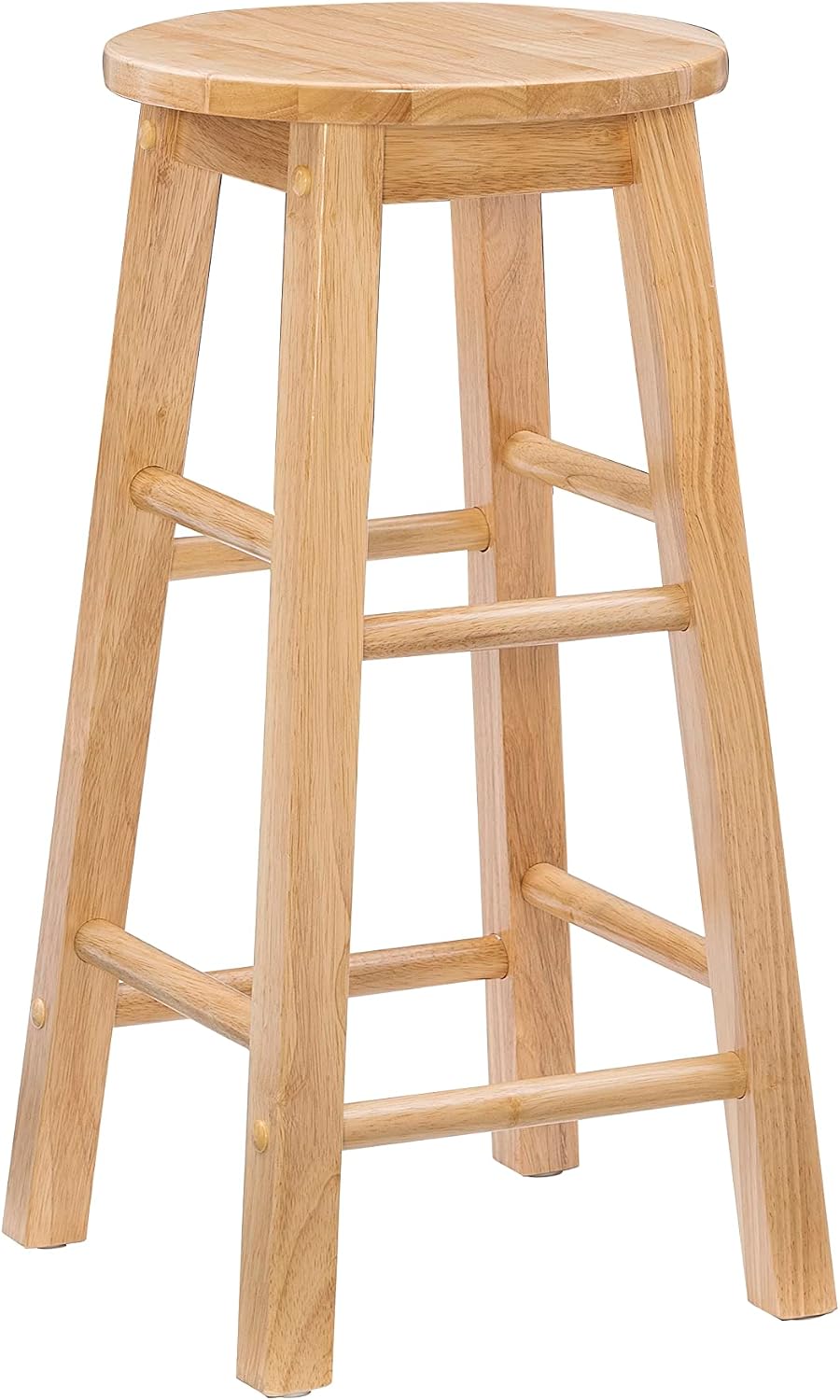
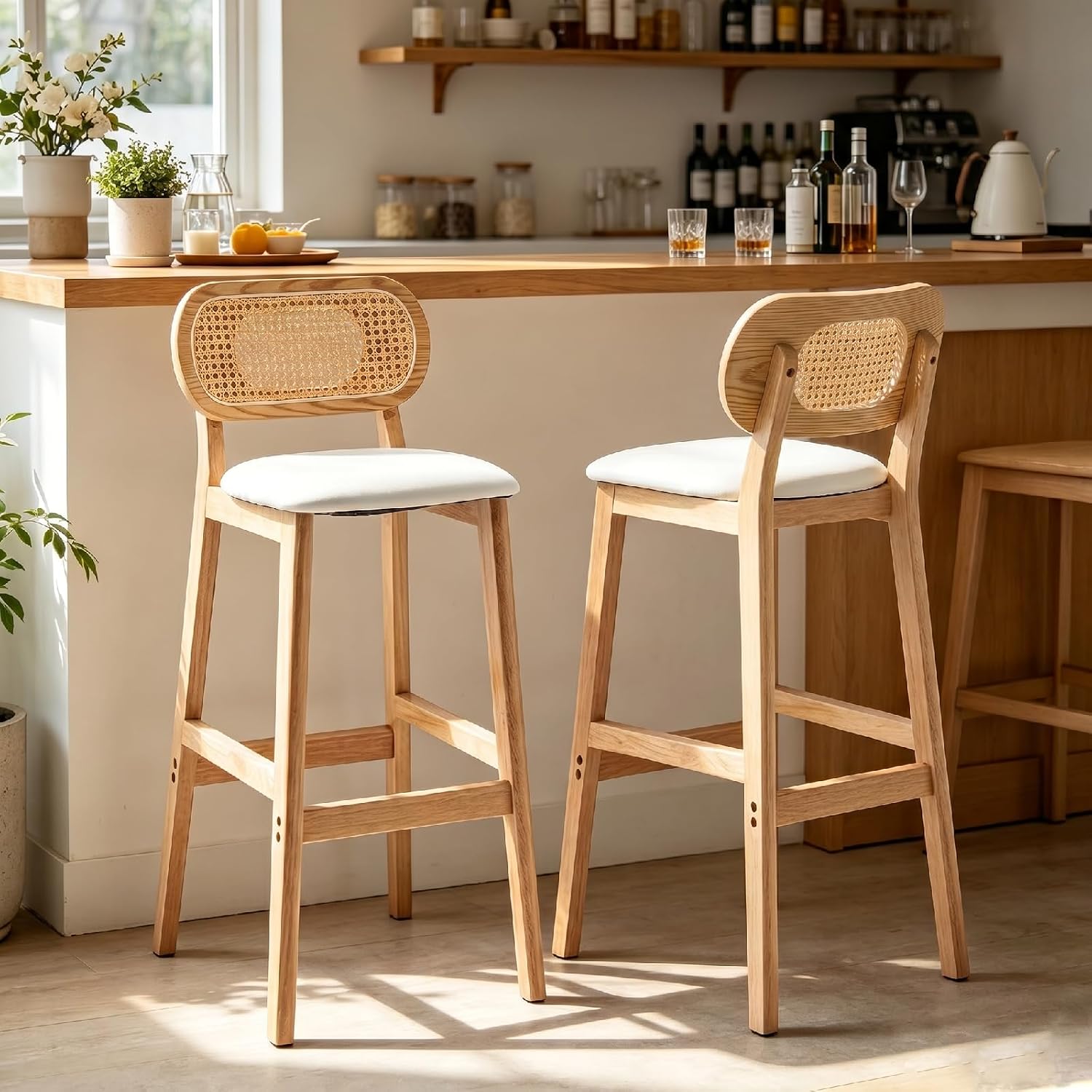
For Japandi style, choose stools with simple silhouettes and natural materials. Oak, ash, walnut, woven seats, paper cord, and rattan can all work.
Avoid anything overly ornate.
A simple wooden stool with a curved seat often looks more sophisticated than an expensive stool covered in unnecessary details.
And yes, your back will probably appreciate a comfortable shape too.
Mix Light and Dark Wood in Your Japandi Kitchen
You do not have to use one wood tone throughout the kitchen.
In fact, subtle variation can make the space feel much more collected.
Try light oak cabinets with a darker walnut stool or medium wood cabinetry with a deeper-toned dining table.
Just keep the undertones compatible. Mixing warm woods usually works more naturally than combining a very orange wood with a cool gray wood.
Think variation, not wood chaos.
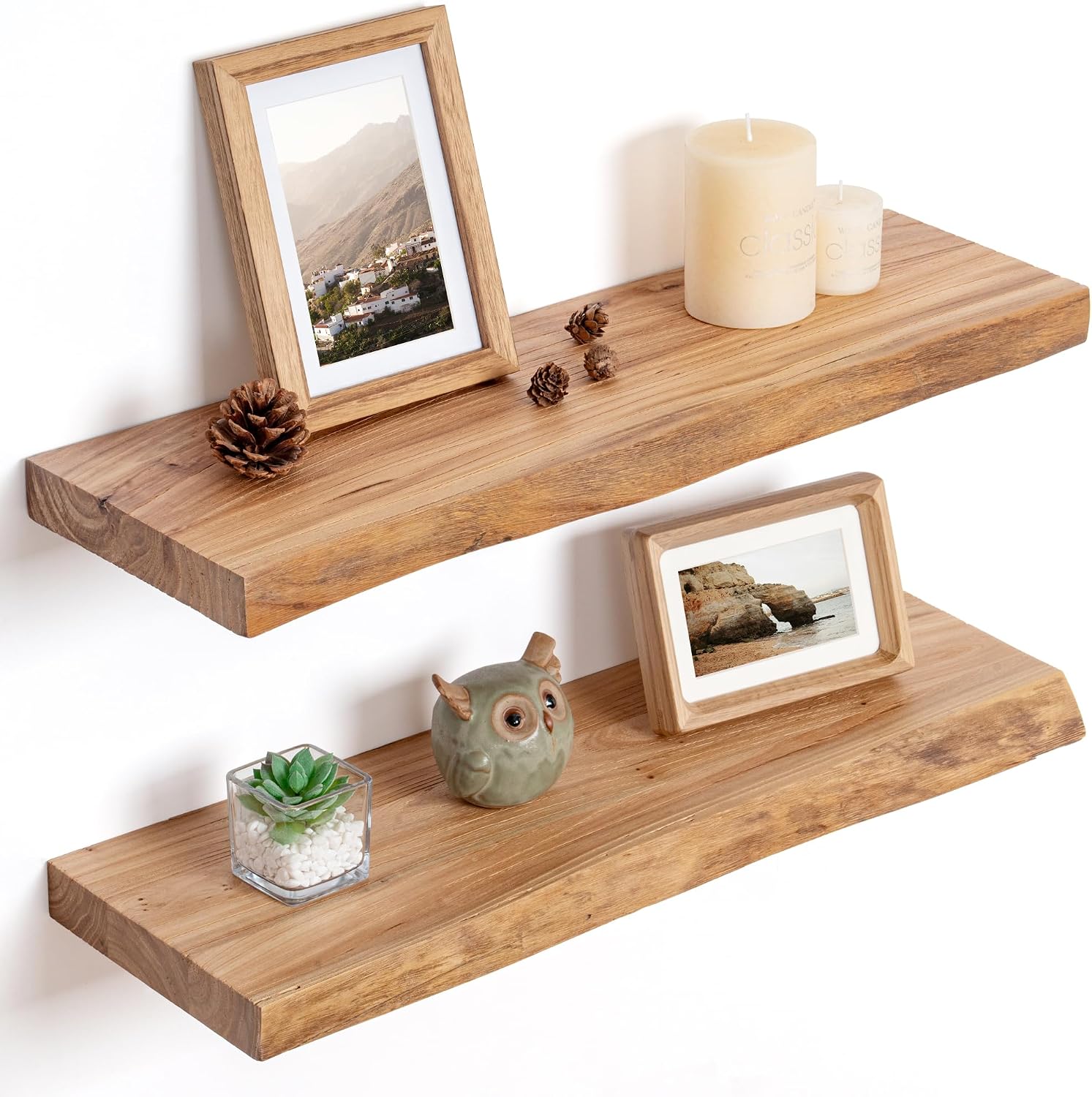
Hide Appliances Behind Japandi Kitchen Cabinetry
Minimalism becomes much easier when appliances stop dominating the room.
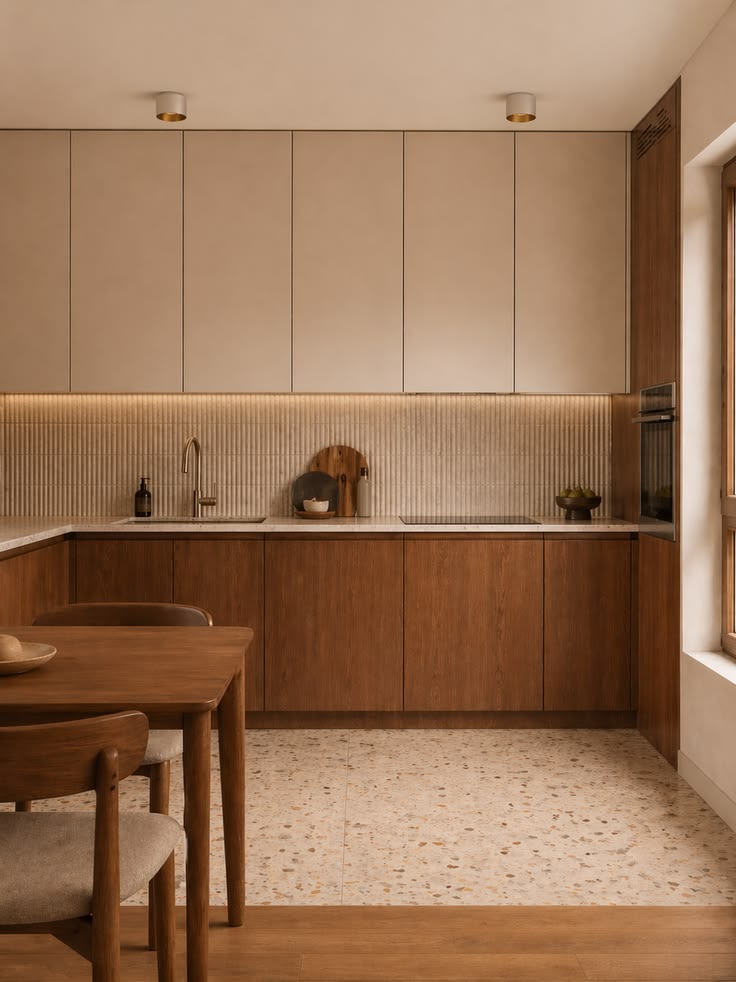
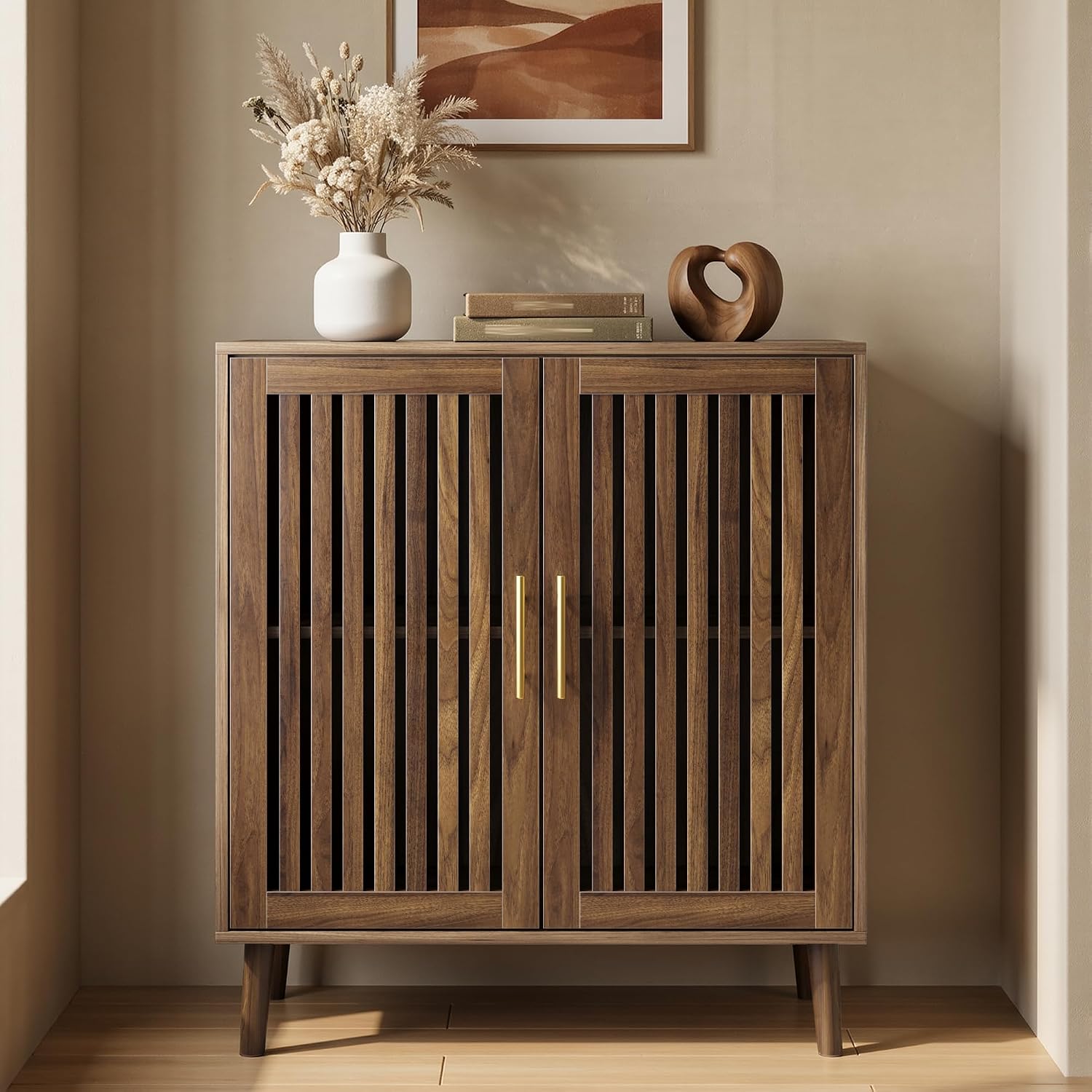
Panel-ready refrigerators and dishwashers can disappear into the cabinetry, creating a cleaner visual line.
You can also keep smaller appliances inside an appliance garage or dedicated cabinet.
This does not mean you need to hide every coffee maker you own. A beautiful coffee station can actually become part of the design.
The goal involves controlling visual clutter rather than pretending kitchens do not contain appliances.

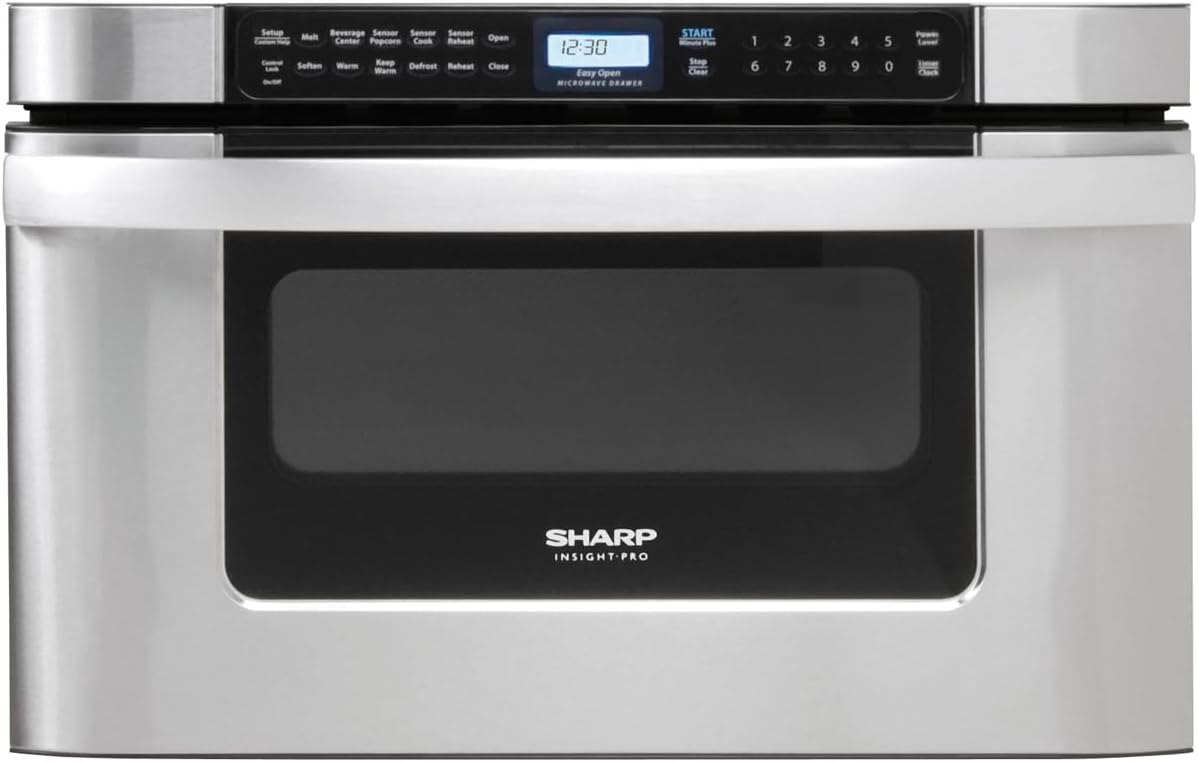

Create a Cozy Japandi Kitchen Breakfast Nook
If your kitchen has an unused corner, turn it into a simple breakfast nook.
Use a compact wood table, a bench with natural upholstery, and a small pendant light.
This adds the Scandinavian comfort side of Japandi without requiring lots of decorative accessories.
It also makes the kitchen feel more social. After all, kitchens often become the place where everyone gathers anyway.
Why not design for that reality?
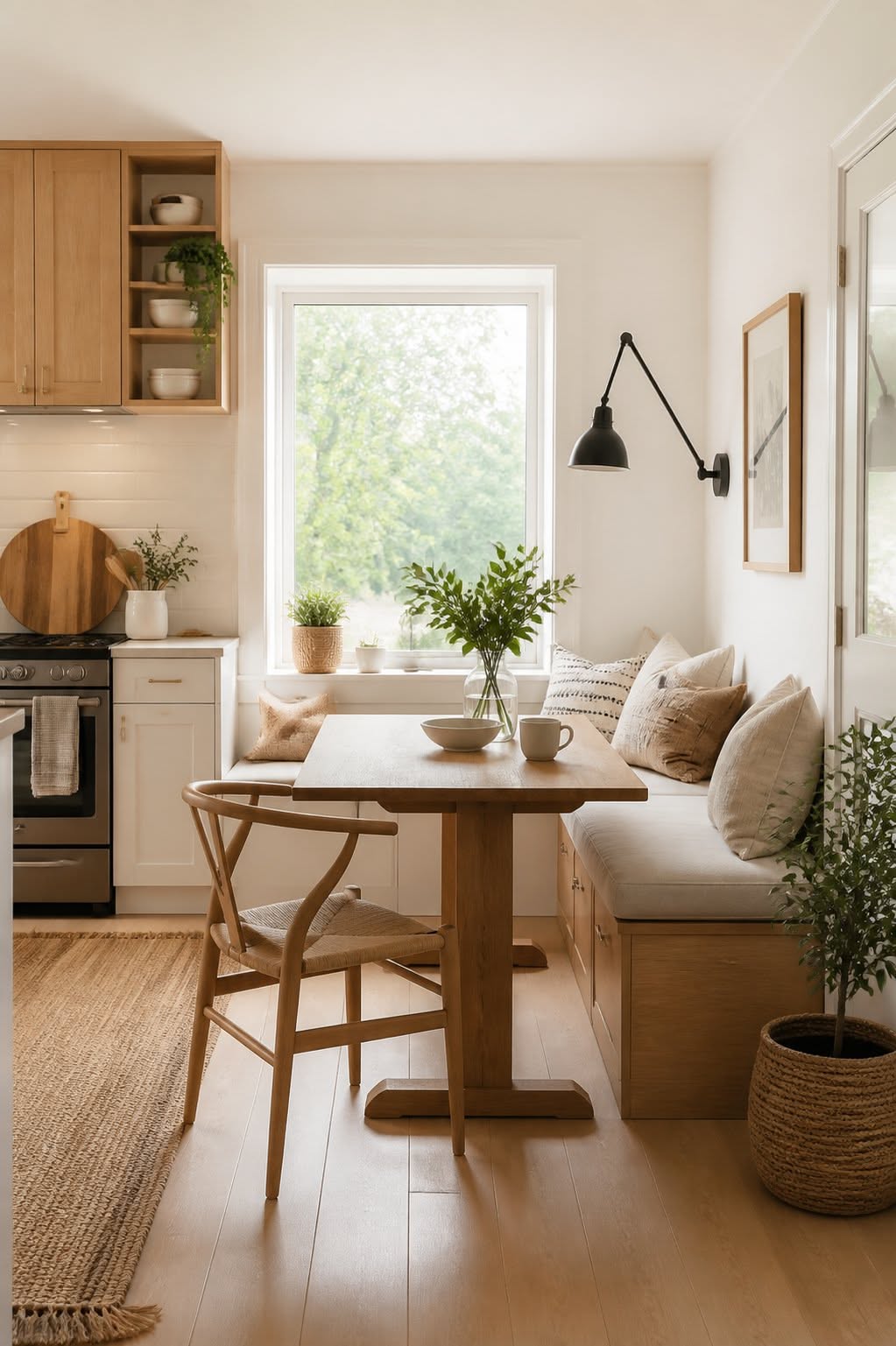


Add One Statement Handmade Piece
Japandi does not mean every object needs to disappear into the background.
One handmade statement piece can actually make the room feel more personal.
Try an oversized ceramic vase, sculptural bowl, handcrafted pendant, vintage wooden stool, or unique piece of artwork.
House Beautiful notes that designers associate Japandi with craftsmanship and handmade imperfections, which can add visual interest and character.
I would rather see one unusual piece that tells a story than ten decorative objects purchased simply to fill empty space.
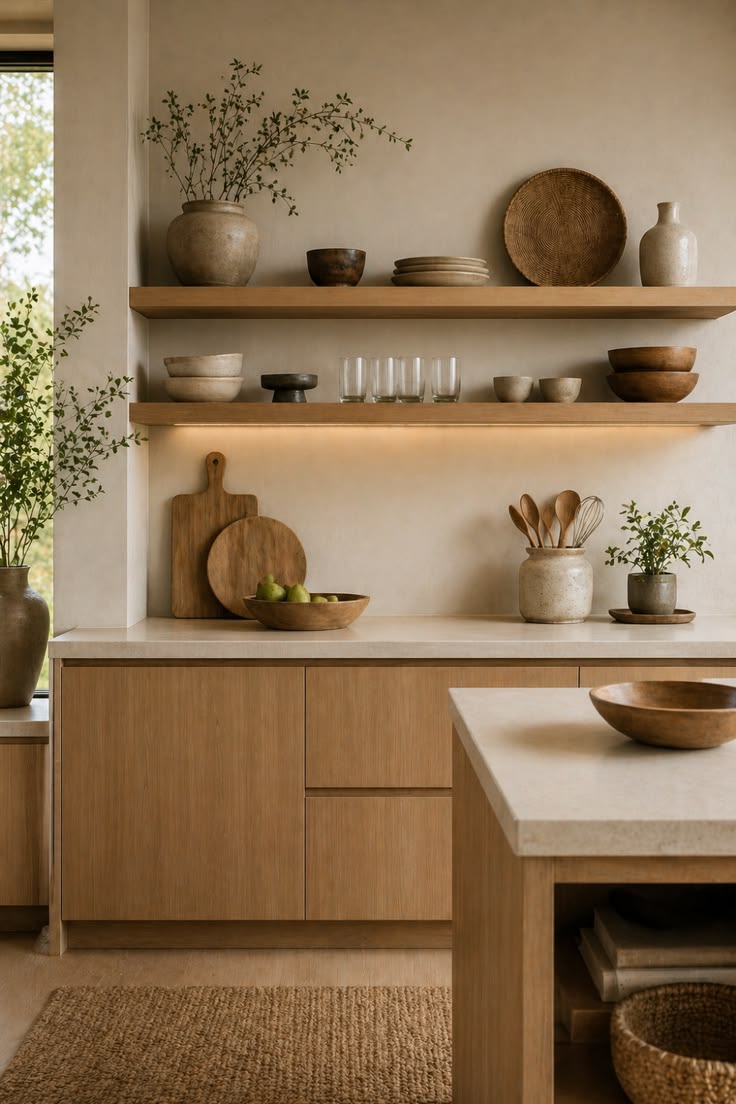


Keep Your Japandi Kitchen Decor Clutter-Free
This final idea sounds obvious, but it might matter more than everything else.
Japandi depends on visual calm. If every countertop contains appliances, jars, decorative signs, cookbooks, plants, trays, and approximately seventeen things you forgot to put away, the aesthetic disappears quickly.
Start by removing anything you rarely use.
Then group the objects you actually need.
Finally, give your favorite pieces enough space around them.
Architectural Digest recommends starting with decluttering when bringing Japandi style into a home because the aesthetic emphasizes minimalism and a less-is-more approach.
“Personally I think a space, especially your own home, should feel good for you.”
— Laila Rietbergen, quoted by Architectural Digest
That advice might actually capture Japandi better than any decorating rule.


How to Make Japandi Kitchen Decor Feel Warm Instead of Cold
This question comes up a lot because minimalism can easily become sterile.
The solution involves layering texture instead of adding clutter.
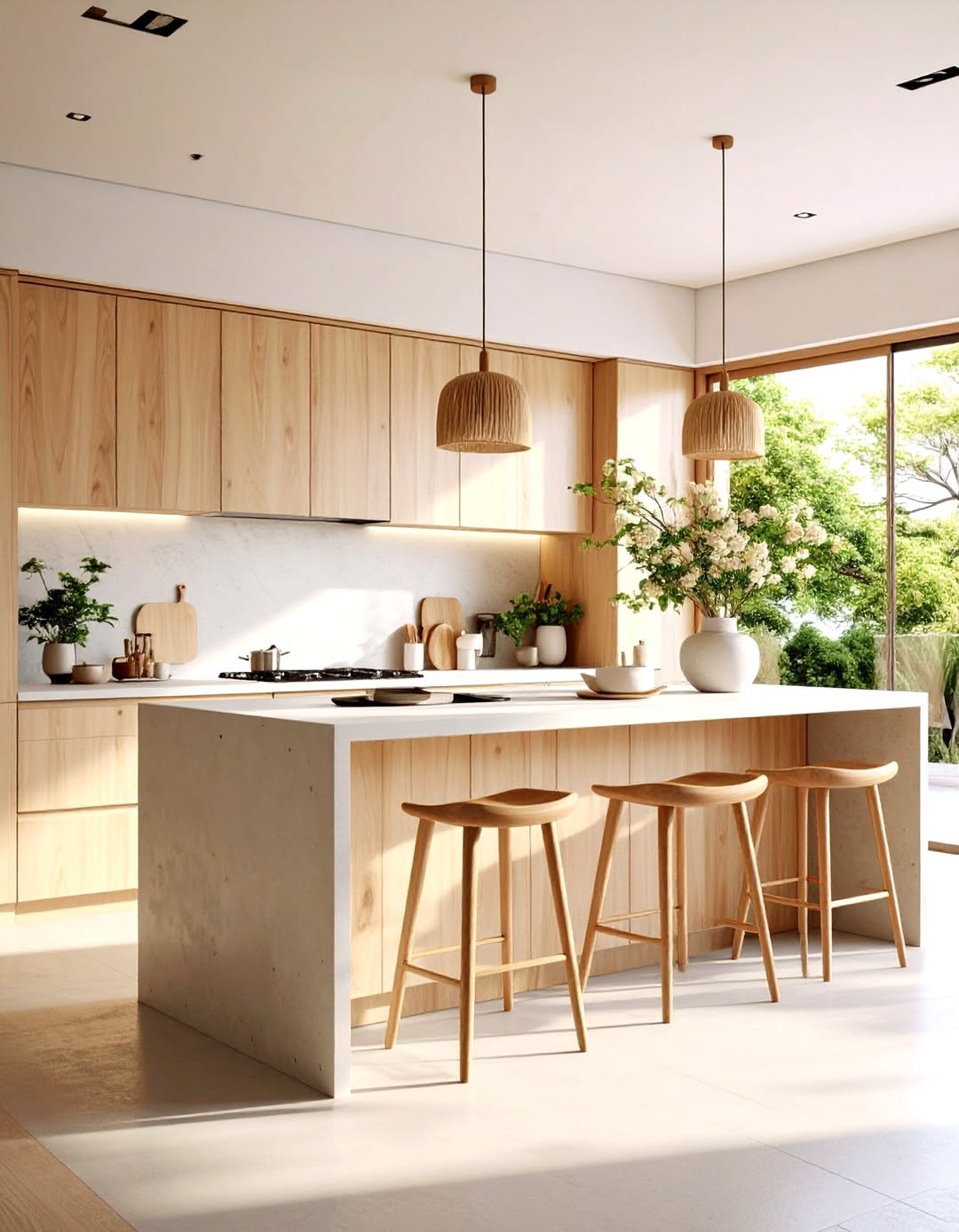
Use wood against stone. Pair smooth cabinetry with handmade ceramics. Add woven stools beside a clean-lined island. Introduce warm lighting against pale walls.
You can also use earthy colors to soften the space.
Try:
- Warm beige
- Mushroom
- Taupe
- Soft brown
- Muted olive
- Charcoal
- Cream
- Warm white
The combination creates visual warmth without requiring bright colors.
And remember, Japandi does not mean boring. It means intentional.


Common Mistakes to Avoid With Japandi Kitchen Design
You can get the overall concept right and still miss the feeling.
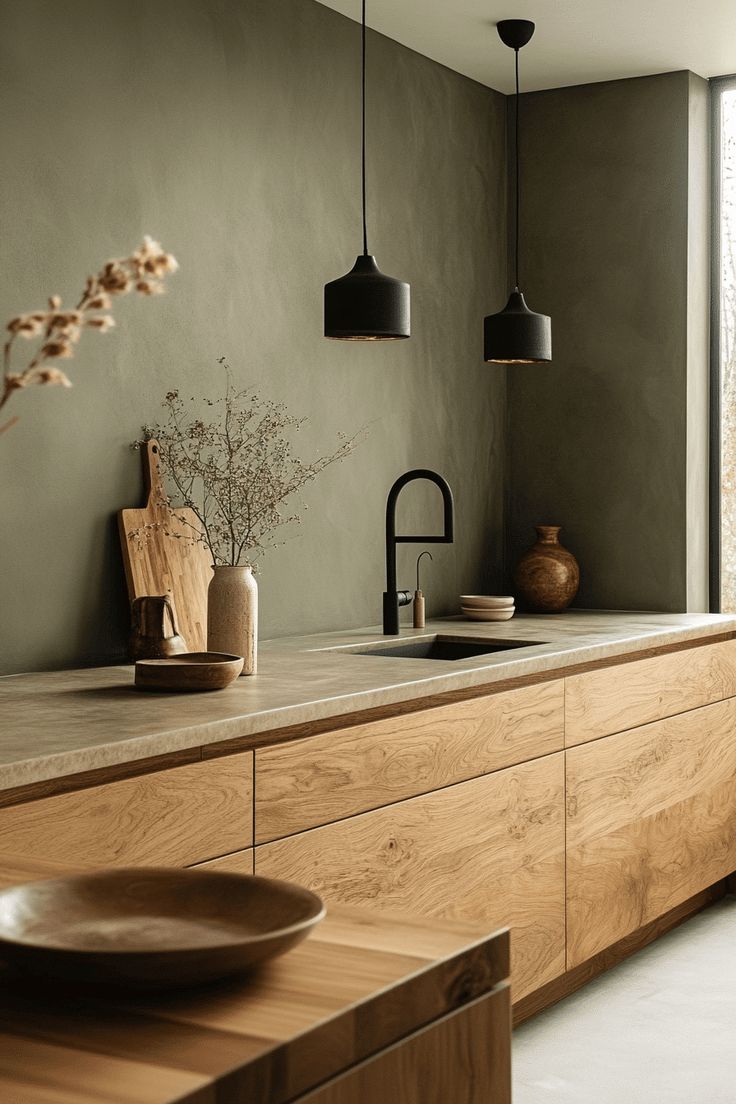
One common mistake involves using too much white. A completely white kitchen with a few wooden accessories can look Scandinavian, but it may not capture the earthy depth that Japandi often brings.
Another mistake involves buying too many matching accessories. Perfect coordination can actually remove the character that handmade and natural pieces provide.
I would also avoid:
- Overdecorating open shelves
- Using too many different wood tones
- Choosing extremely cool white lighting
- Adding excessive black accents
- Using glossy finishes everywhere
- Filling every empty countertop space
- Mixing too many competing patterns
The best Japandi kitchen decor usually feels quiet, tactile, functional, and personal.


Final Thoughts on Japandi Kitchen Decor Ideas
The beauty of these Japandi kitchen decor ideas comes from how naturally they combine practicality with warmth. You do not need to completely remodel your kitchen to get the feeling.
Start with the biggest visual element you can change. Maybe that means warm wood cabinetry, a softer wall color, natural stone, or better lighting. Then slowly introduce handmade ceramics, greenery, woven textures, and a few meaningful pieces.
Most importantly, resist the urge to decorate every empty corner.
A good Japandi kitchen should give your eyes somewhere to rest.
For me, that is the real appeal. The kitchen still feels like a place where people cook, eat, talk, make coffee, leave a cutting board on the counter, and occasionally forget to unload the dishwasher. It simply does all of that with a little more calm.
And honestly, if your kitchen can make Monday morning coffee feel slightly more peaceful, I’d call that a pretty successful design choice.