
A moody living room gets mistaken for a dark, closed-in one more often than it should.
Done well, it reads as enveloping and genuinely restful, not cave-like. The difference comes down to a specific set of choices, not just a dark paint color.


Why Choose a Moody Living Room
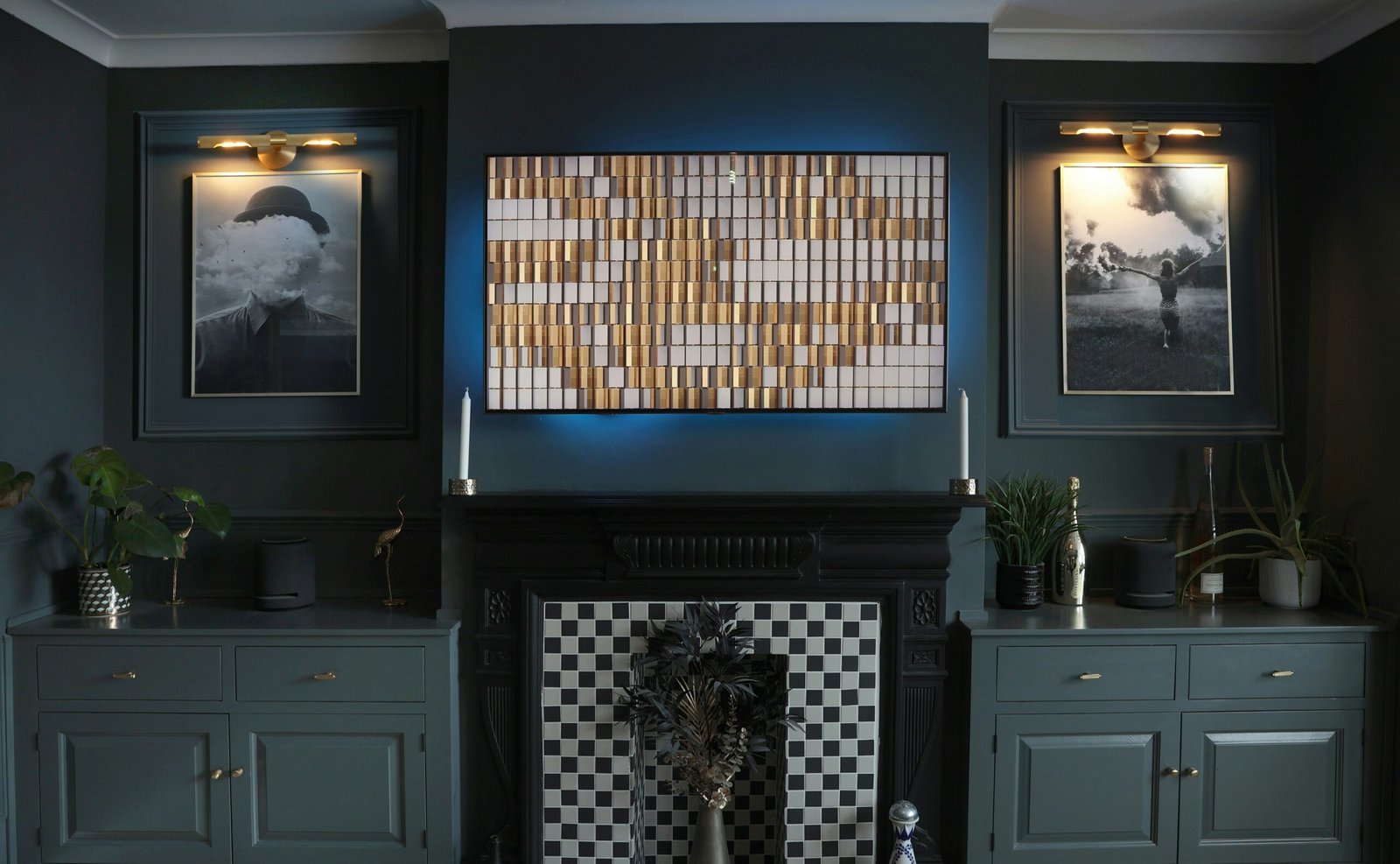
A darker palette makes a room feel more intimate and enveloping, especially in the evening, when most living rooms actually get used.
It also photographs with genuine depth that a brighter, flatter room often lacks.



Busting the Myths
The biggest misconception is that dark automatically means small-feeling — in practice, a well-lit moody room often feels just as spacious as a lighter one, since the eye stops measuring hard corners.
The idea that moody rooms only work in large spaces also doesn't hold up; a smaller room handles the look just as well with the right lighting.


The Psychology Behind It
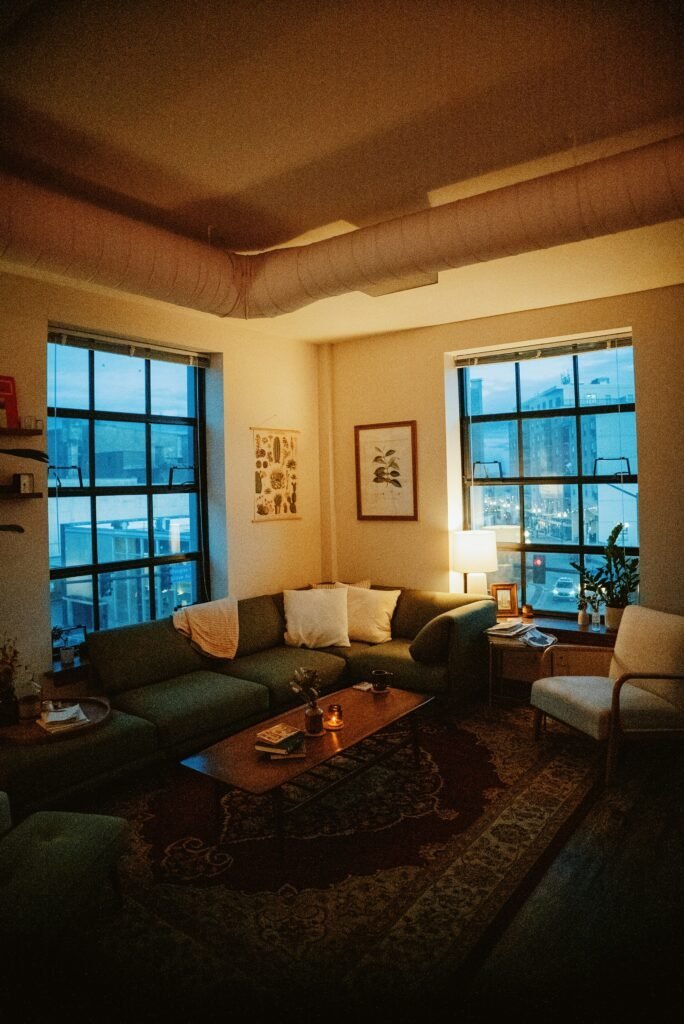
Darker, warmer spaces genuinely read as calmer to the nervous system than bright, high-contrast ones, which is part of why the look has real staying power beyond trend cycles.
This isn't purely aesthetic preference — there's a real psychological reason the look feels restful rather than oppressive when done correctly.

YEPDIN Ceramic Pot Table Lamp, 18.5 Inch, Frosted Black Nightstand Lamp with Tapered Shade
Shop on Amazon
1. Go Bold With Deep Wall Color
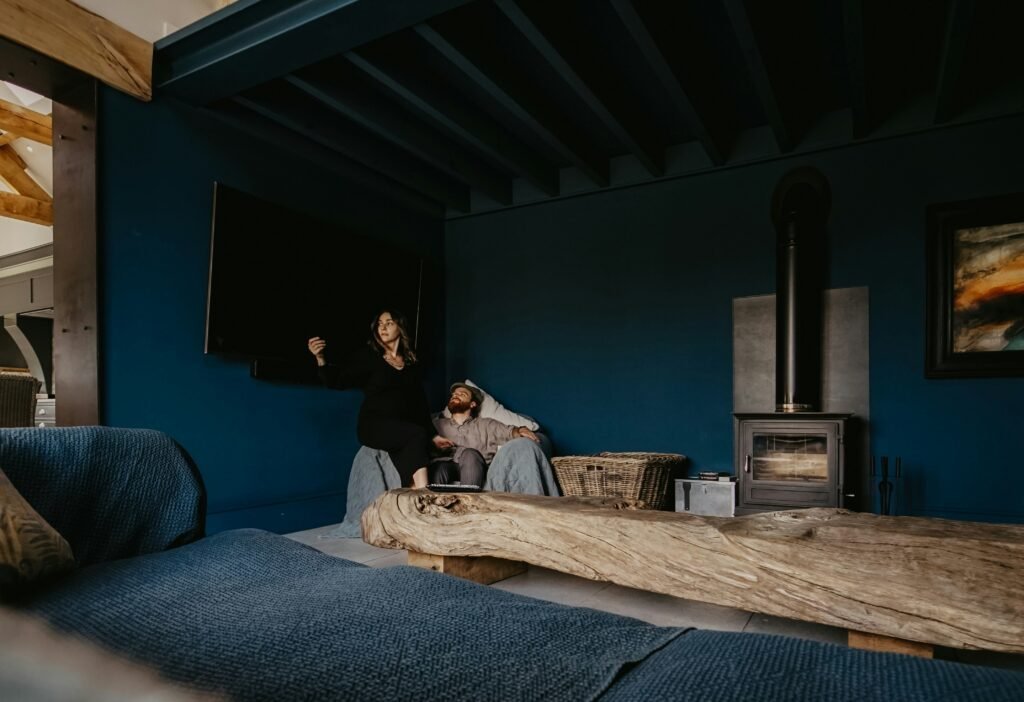
A genuinely deep color — charcoal, forest green, deep navy — on the walls sets the foundation the rest of the room builds on.
Testing the color under the room's actual lighting matters more here than with almost any lighter paint choice.


2. Layer In Cozy Lighting
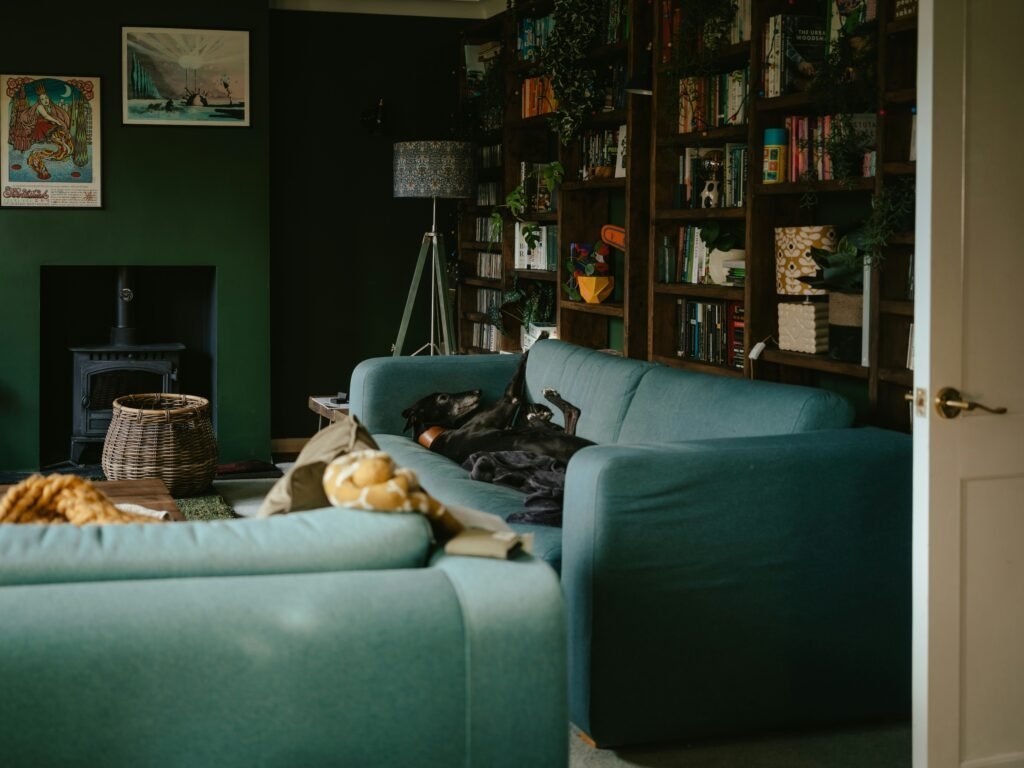
Warm, layered lighting is what keeps a dark room from feeling flat or heavy — a single overhead fixture in a moody room reads as genuinely gloomy.
This is the single most important detail for making the look actually work, more than the wall color itself.


3. Mix Rich Textures
Velvet, bouclé, leather and other tactile materials add visual depth that a dark flat surface alone can't provide.
This matters more here than in a lighter room, since there's no color variation doing that work instead.


MONDAY MOOSE Decorative Velvet Throw Pillow Covers, Set of 4, Double-Sided Modern Colors
Shop on Amazon
4. Use Metallic Accents for Contrast
Brass, gold or warm bronze details catch available light in a way that keeps a dark room from reading as uniformly flat.
A little goes a long way — a few well-placed accents outperform metallic surfaces scattered everywhere.


5. Play With Dramatic Artwork
One large, confident piece of art works especially well against a dark wall, where it gets to stand out rather than compete with a busy, lighter background.
This is one of the easiest ways to add a genuine focal point to an otherwise monochromatic room.


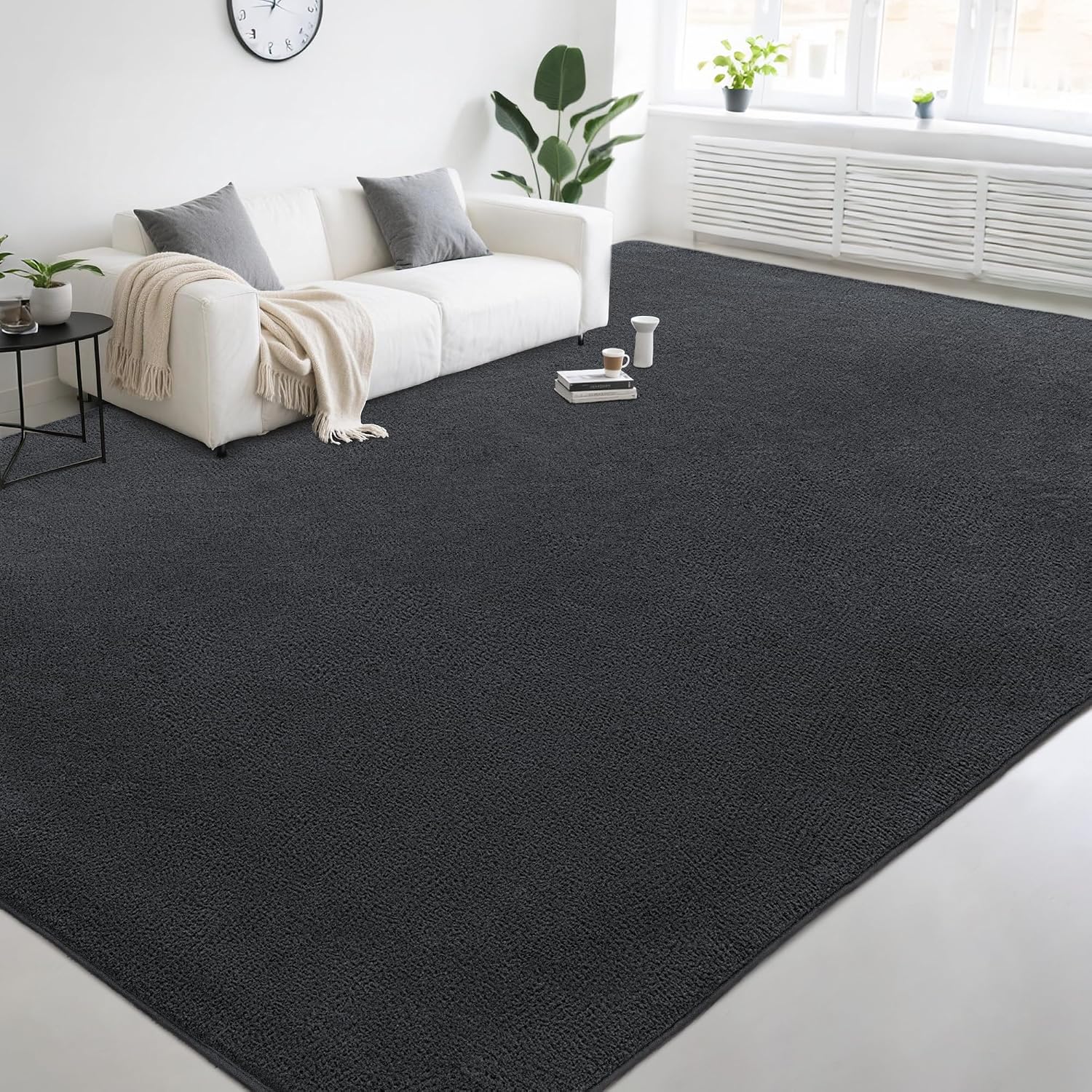
6. Add Layers With Rugs and Curtains
A textured rug and floor-length curtains in complementary dark tones round out the room's enveloping feel from floor to ceiling.
This layering is what keeps the walls from feeling like the only dark element in an otherwise ordinary room.
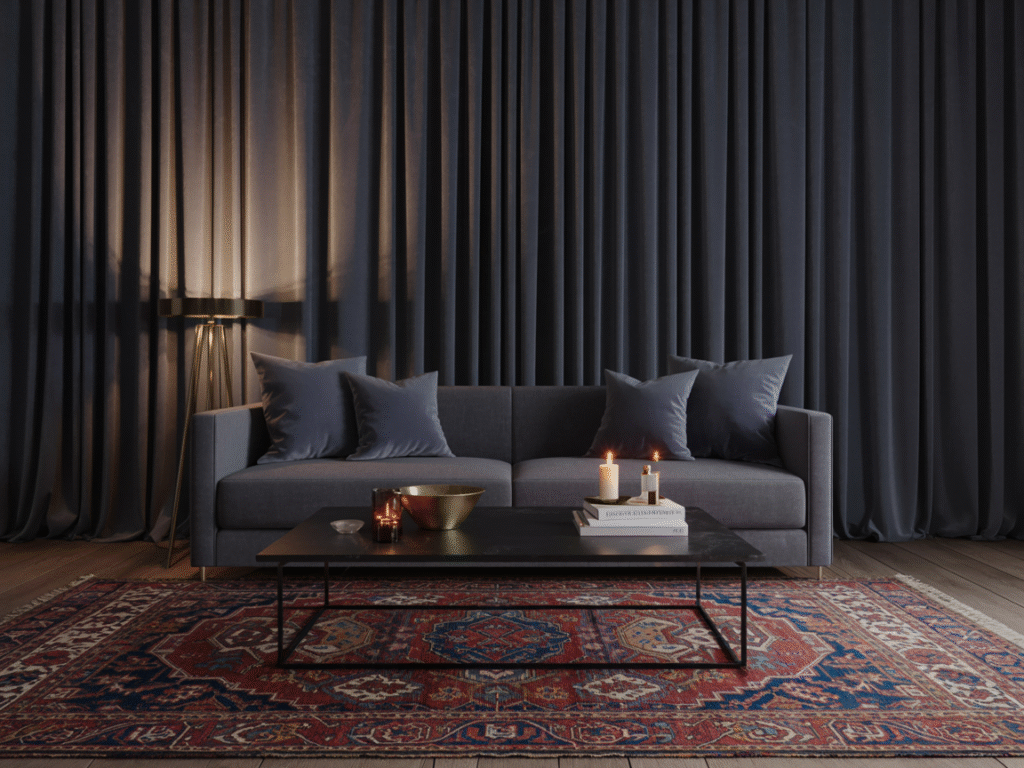

7. Create Depth With Dark Wood Tones
Dark wood furniture against dark walls sounds risky but actually creates a cohesive, layered depth rather than a flat block of one color.
Varying the exact wood tone slightly piece to piece keeps this pairing from feeling monotonous.


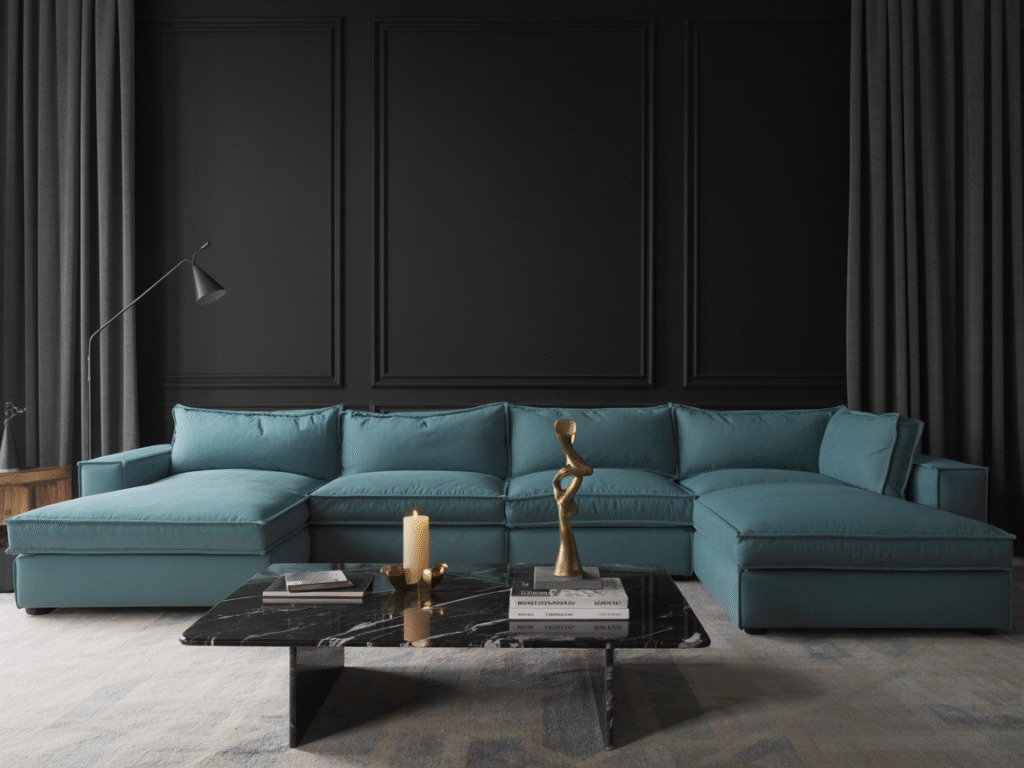
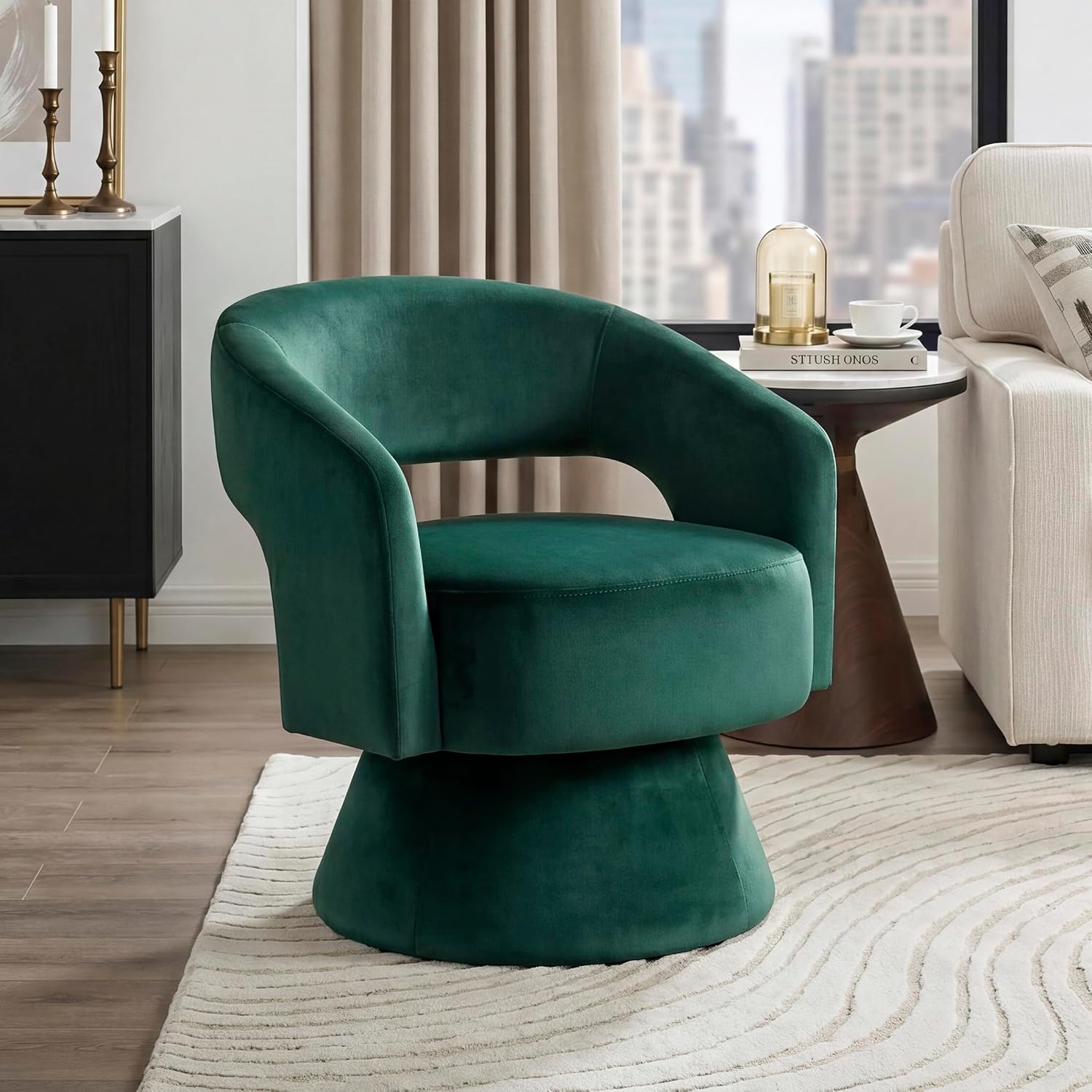
8. Bring In Statement Furniture
One bold, well-chosen furniture piece reads as more intentional in a moody room than it would in a lighter, busier one.
The dark backdrop actually does some of the styling work, letting a single piece genuinely stand out.

9. Experiment With Pattern
A patterned pillow, rug or wallpaper moment adds visual interest without requiring a full color change.
Darker-toned patterns specifically tend to blend more naturally into a moody room than bright, high-contrast ones.


10. Use Mirrors to Reflect Light
A well-placed mirror bounces whatever light exists back into the room, directly countering the one real risk of a dark palette — a room that reads as too dim.
This is one of the simplest, most overlooked tools for keeping a moody room from tipping into actually dark.


11. Add Moody Greenery
Deep green plants with substantial leaves fit a moody palette far better than delicate, pale varieties.
This also brings a bit of life and movement into a room that could otherwise feel static.
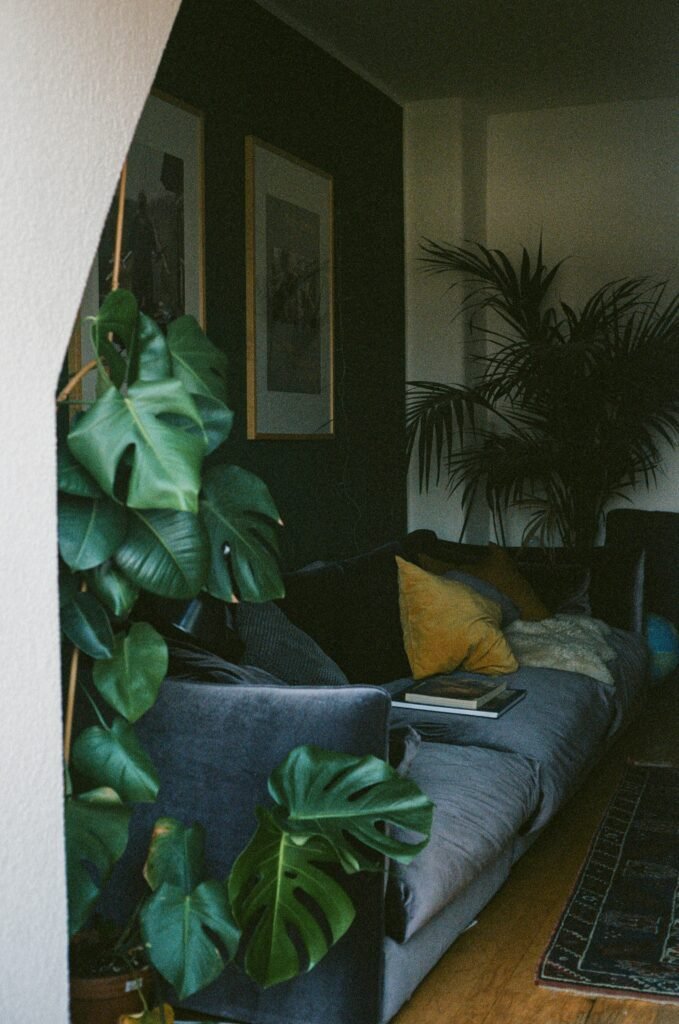


ASTIDY 5 Ft Artificial Monstera Deliciosa Plant, Faux Tropical Palm Tree with White Planter
Shop on Amazon12. Play With Layered Accessories
A few considered objects, in varying textures and slightly varying dark tones, finish the room without requiring any additional color.
Restraint matters here — a handful of deliberate pieces reads better than a room full of smaller decorative items.


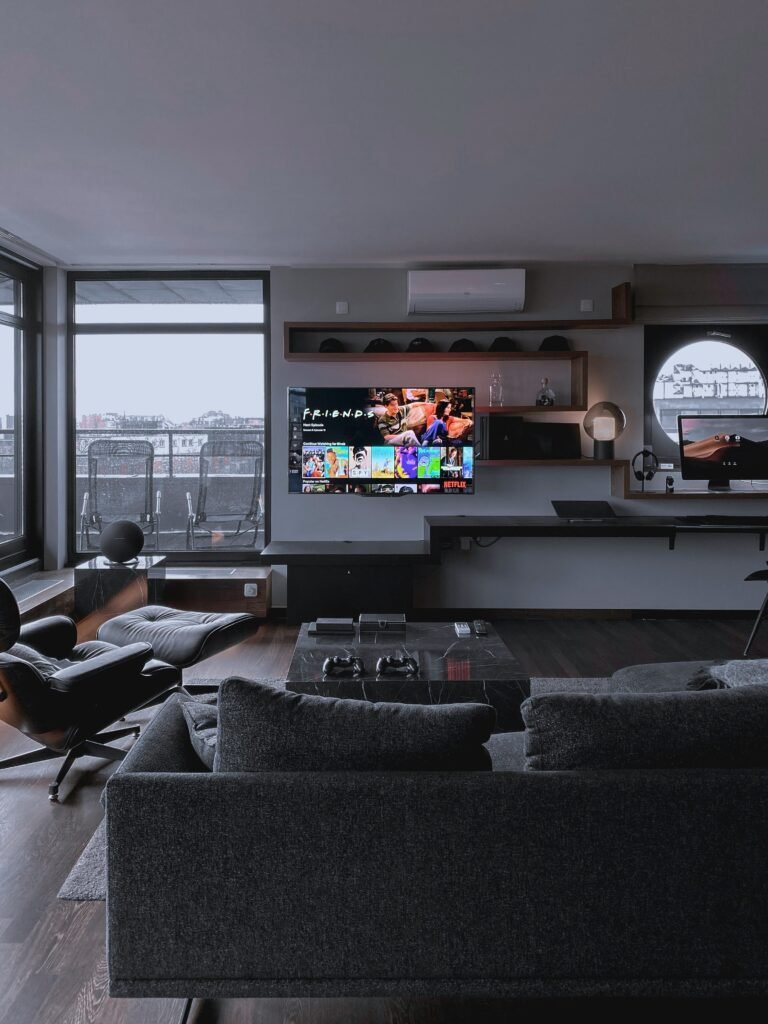
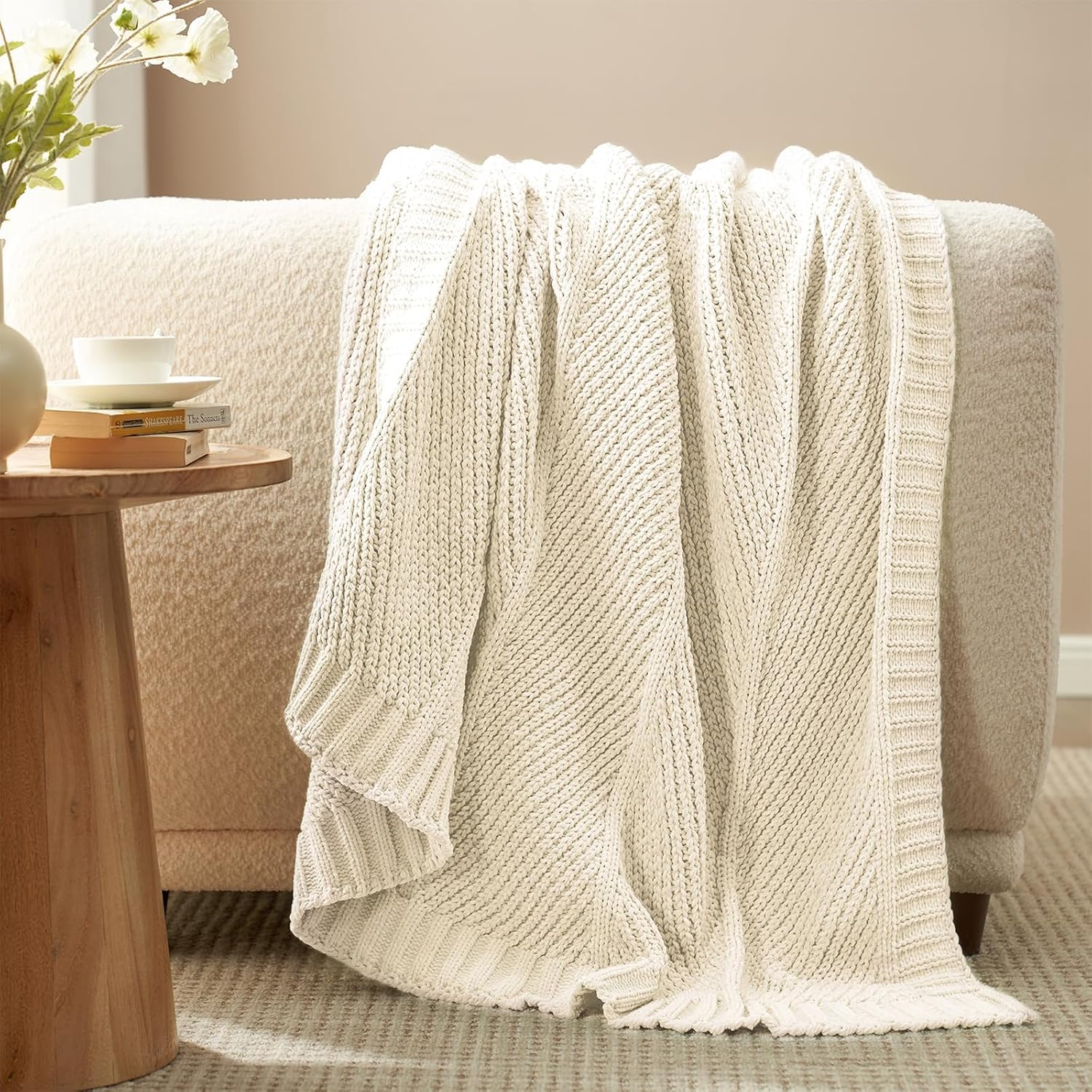
13. Balance With Pops of Light Neutrals
A cream throw, a pale rug, or white bedding-style textiles give the eye somewhere to land in an otherwise dark room.
This contrast is what keeps the room reading as dramatic and intentional rather than simply dark.

Final Thoughts
None of these 13 ideas require redoing the whole room at once.
Start with lighting and the wall color, since both have the biggest effect on whether the room reads as cozy or oppressive, then layer in texture and the finishing details.
A moody living room done right feels like the most restful room in the house, not the darkest one.