
Most nursery planning starts with individual items — a crib, a rug, a mobile.
It usually works better the other way around: pick a complete design direction first, then shop for pieces that fit it.
A clear direction keeps a nursery from turning into a pile of cute, unrelated purchases.
These 14 directions each have their own logic, and most of them work on any budget.
What Actually Makes a Nursery Work
A nursery that functions well almost always has three things in common: a clear layout, a calming color story, and room to actually move around the crib and changing area.
Style matters, but it comes second to whether the room is genuinely usable at 3 a.m.
Starting with function, then layering style on top, tends to produce a room that holds up better over the first year.


Safety Comes Before Any Style Choice
Every direction on this list still needs to follow the same baseline safety rules.
A firm crib mattress, no loose bedding or pillows in the crib, and furniture anchored to the wall all apply regardless of aesthetic.
Cords from blinds or lamps need to stay well out of reach of the crib.
None of the styling choices below should ever come before these basics.


1. Neutral and Timeless
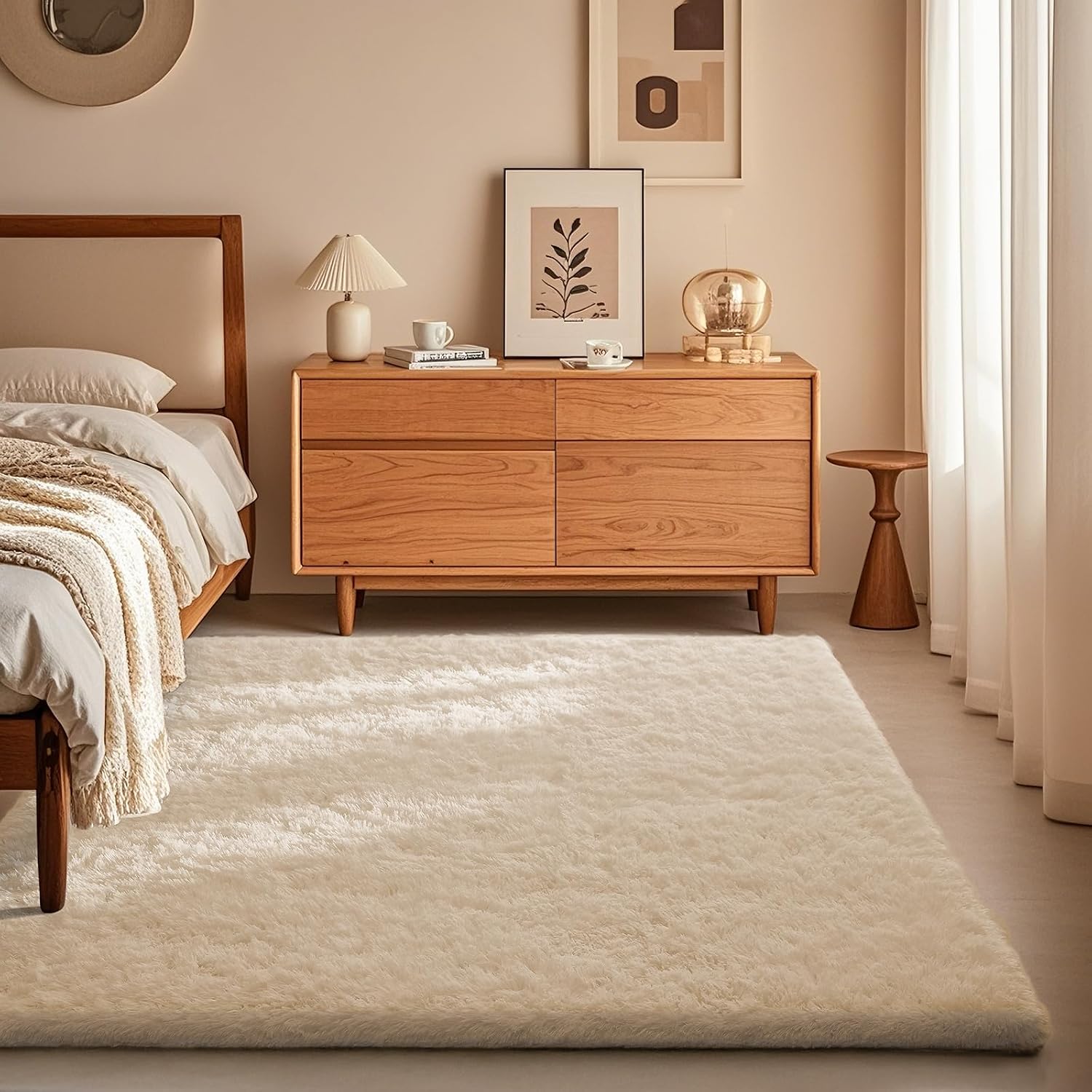
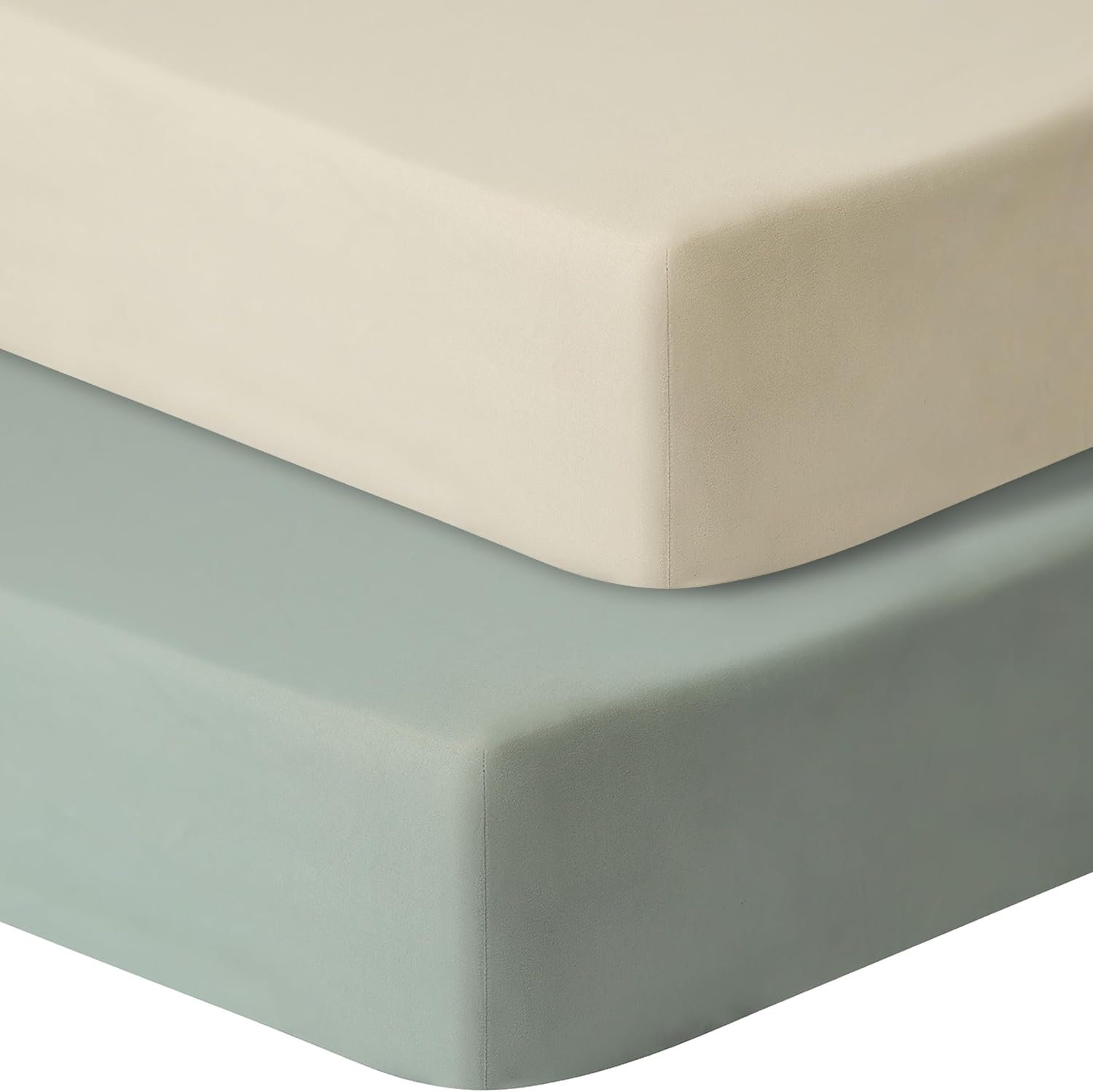
Soft whites, warm beiges and muted taupes make up most of this direction.
It ages well past infancy, since nothing about it reads as babyish once the room needs to grow up a little.
This is the lowest-risk direction for anyone who doesn't want to repaint in two years.
Texture does most of the visual work here, since color variation stays minimal on purpose.


2. Boho
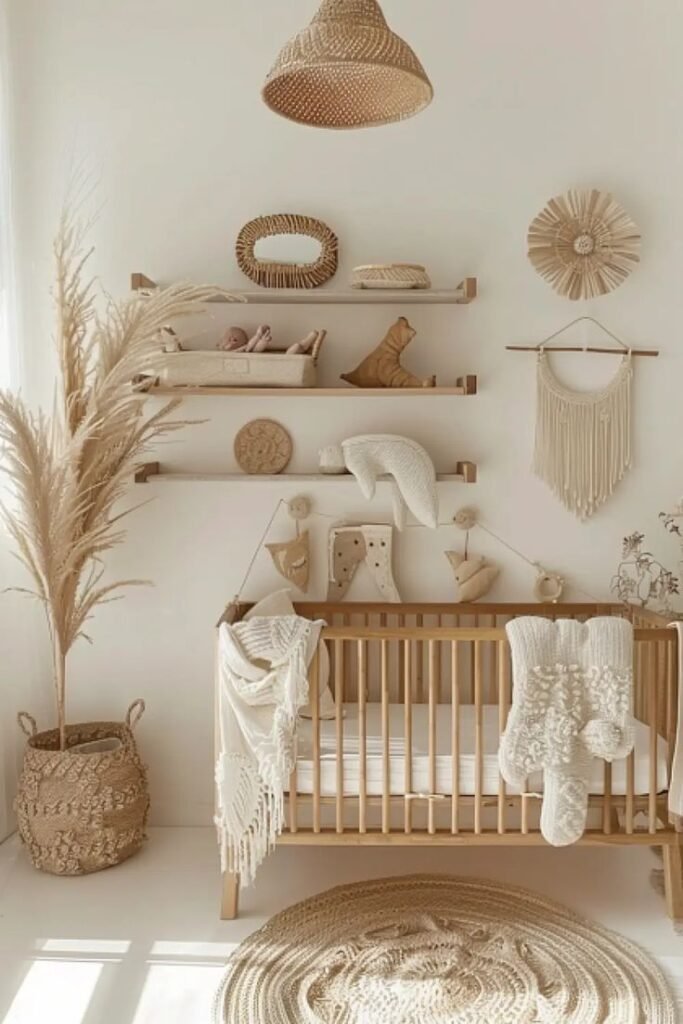
Woven textures, macrame, rattan furniture and a slightly imperfect, collected feel define this direction.
Layering is the main technique — a textured rug, a woven wall hanging, a mix of natural materials all stacked together.
This suits anyone whose existing home already leans toward warm, textural spaces.
It tends to feel less precious than other directions, which can be a practical advantage with a newborn around.

3. Modern Minimalist
Clean lines, a restrained color palette and very little on display define this one.
Furniture does the visual work instead of decor — a well-designed crib or dresser doesn't need much around it.
This direction photographs well, but it also genuinely reduces visual clutter in a room that fills up fast regardless.
It suits a parent who wants a calm space more than a themed one.


4. Woodland
Forest animals, muted greens and browns, and natural wood furniture build this direction without leaning into anything cartoonish.
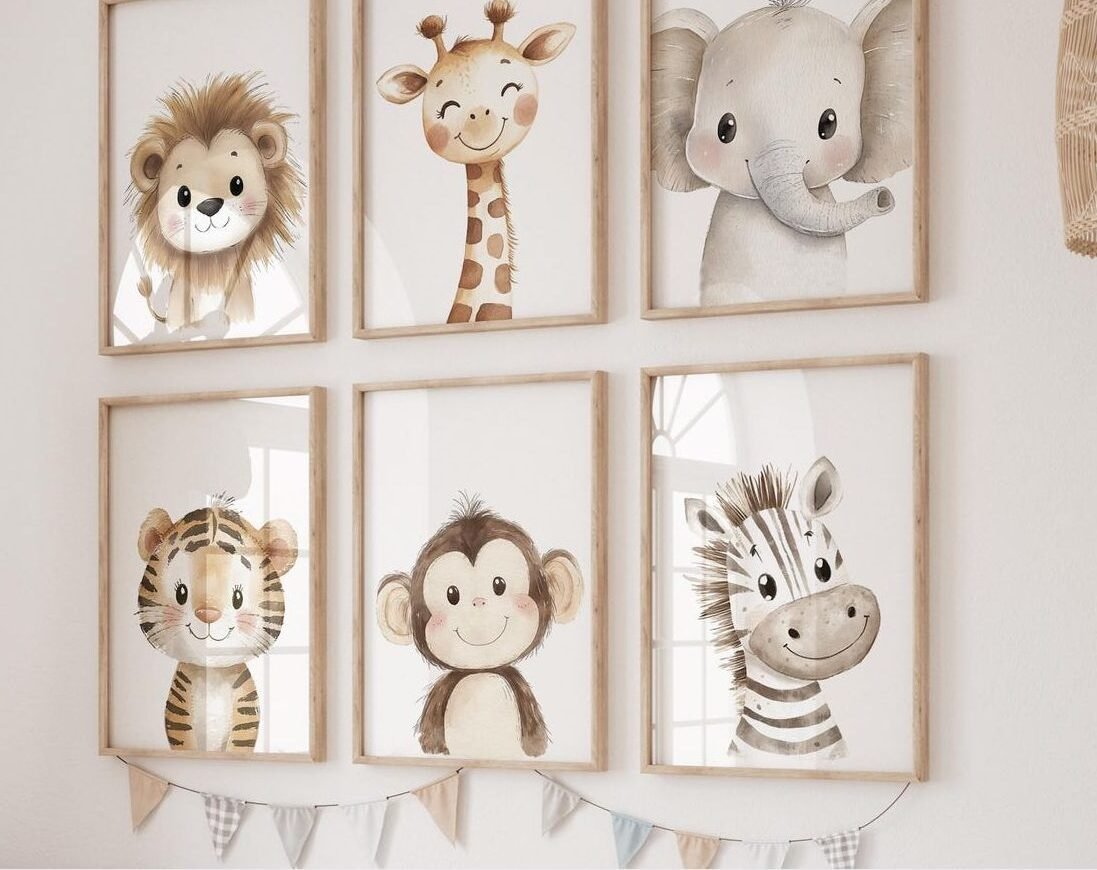
A few well-chosen illustrated prints go further than wall-to-wall themed wallpaper.
This suits parents who want a theme but not one that feels overly literal or juvenile.
It also pairs naturally with real plants, which do double duty as both decor and the nature-inspired idea below.


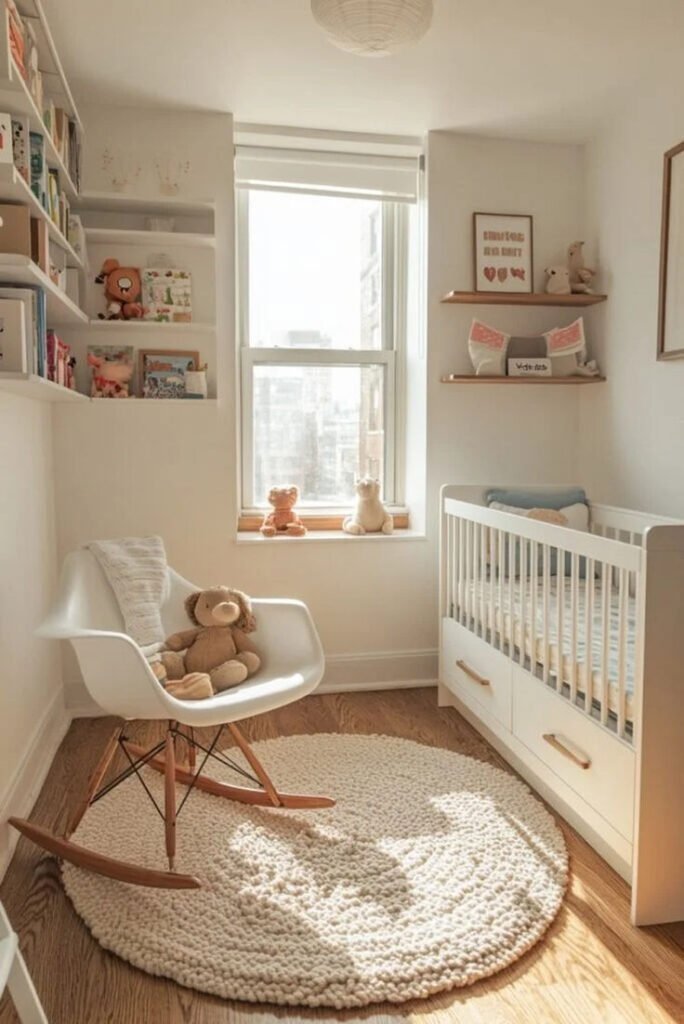
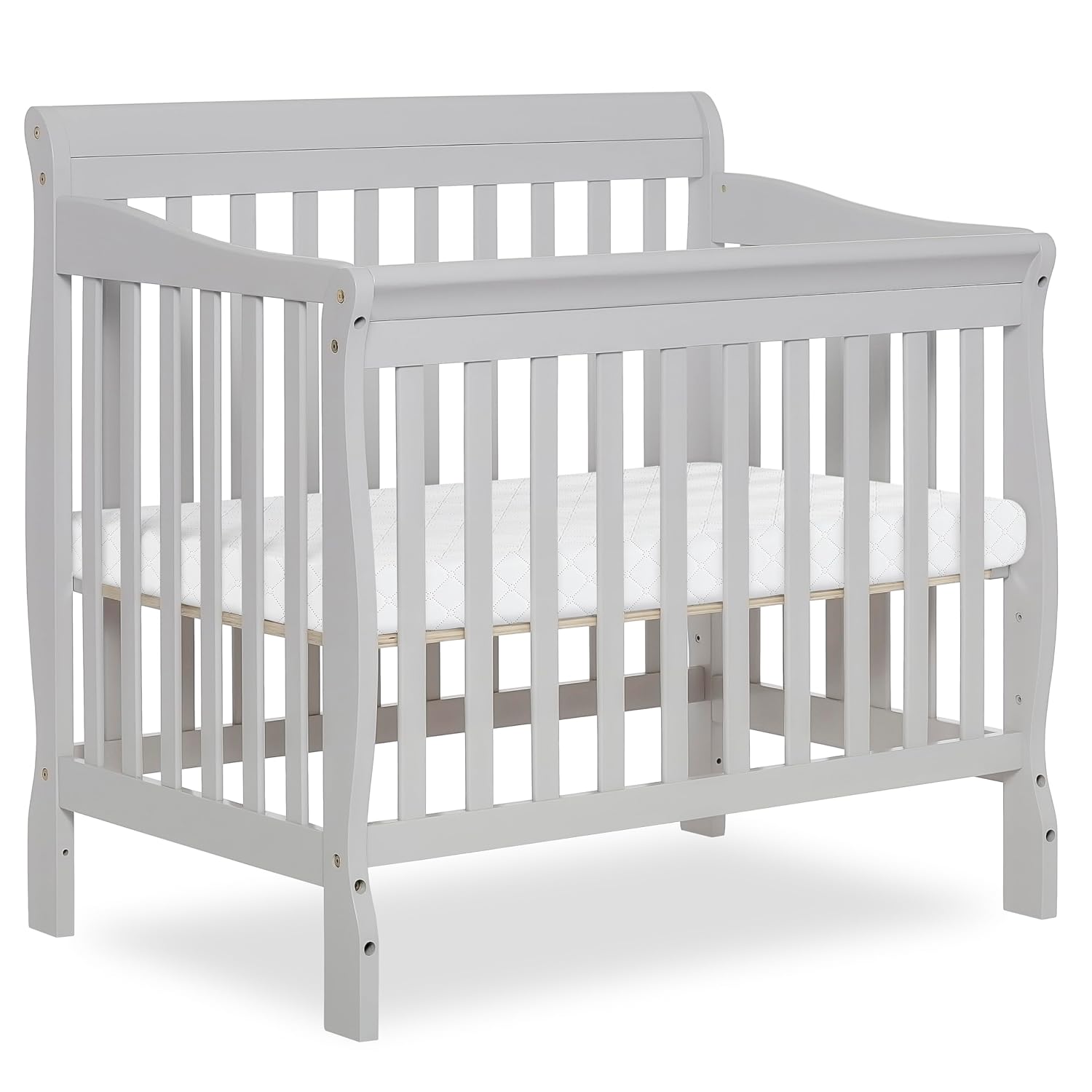
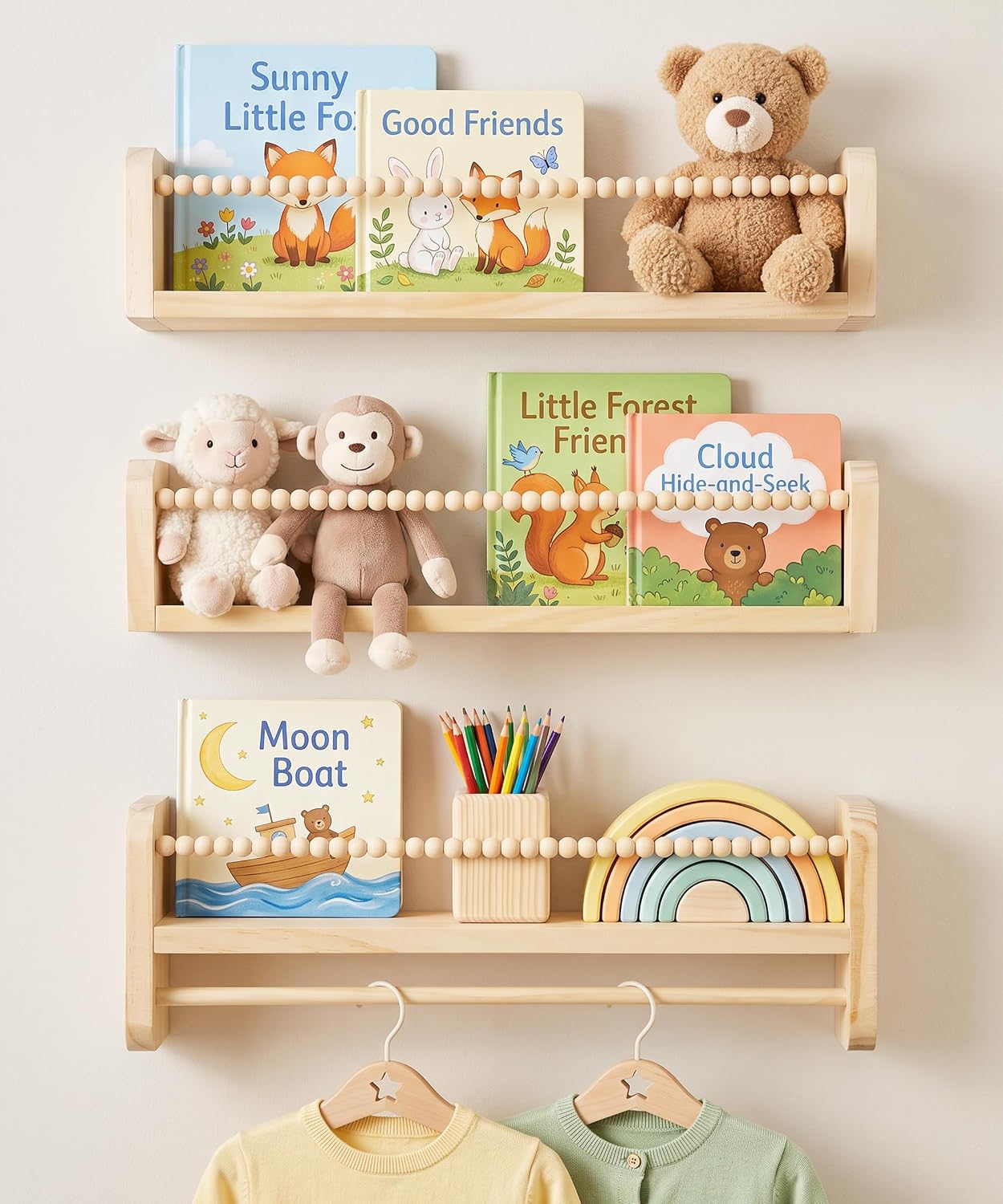
5. Built for a Small Space
This isn't a style so much as a set of constraints — and it changes every other choice that follows.
Vertical storage, a compact glider, and furniture that serves double duty all matter more here than in a larger room.
A mini crib or a crib that converts early saves real floor space in the first year.
Every other direction on this list can still apply, just scaled down and edited more tightly.
6. Gender-Neutral
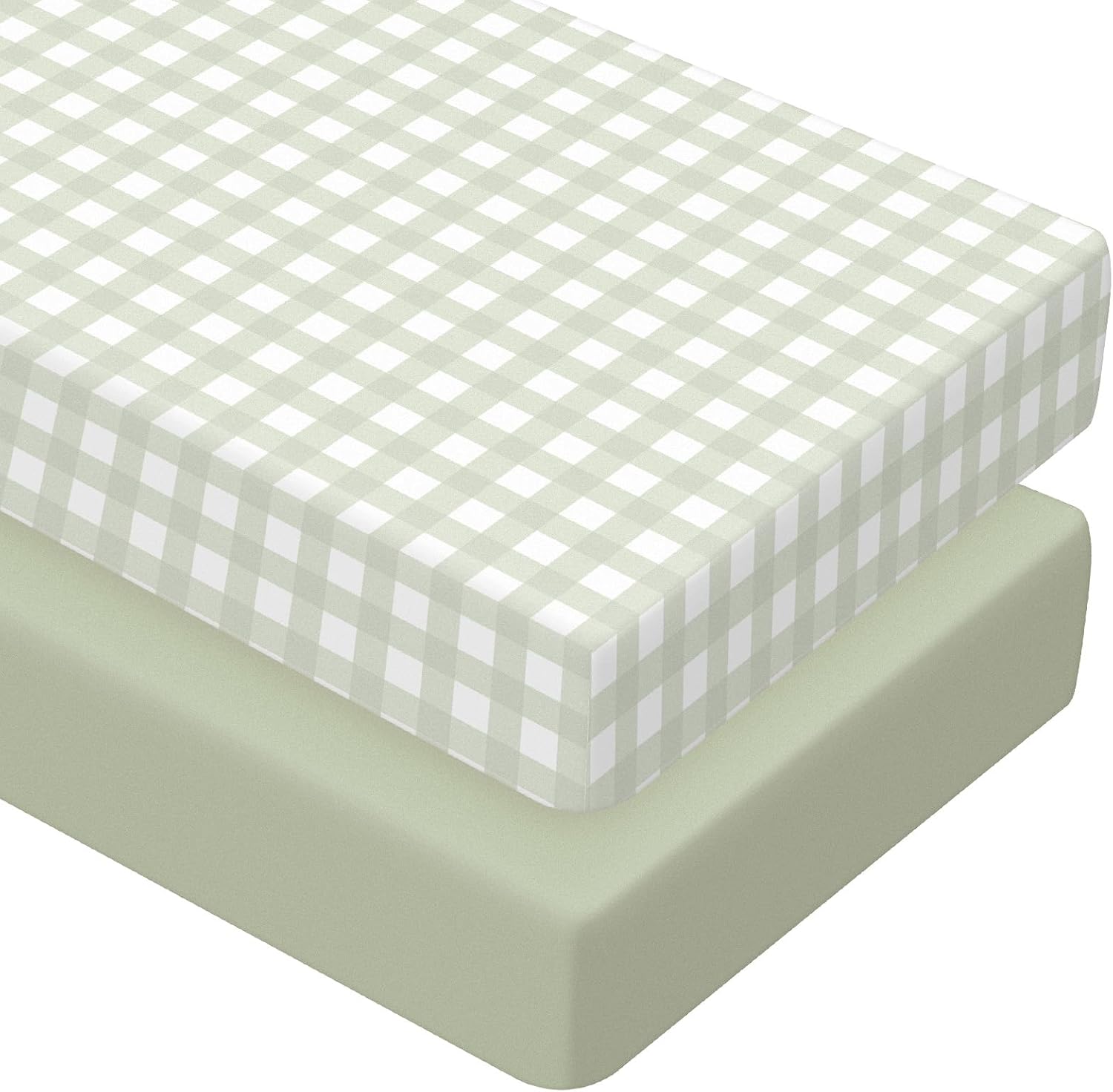
Sage green, warm yellow, terracotta and soft gray all work well here, avoiding the classic pink-or-blue default entirely.
This direction tends to stay relevant for a second child too, regardless of gender.
Pattern and texture carry more of the visual interest when color is kept this restrained.
It's also one of the more popular directions for parents who find out the gender late or not at all.


7. Luxury-Inspired, Not Luxury-Priced
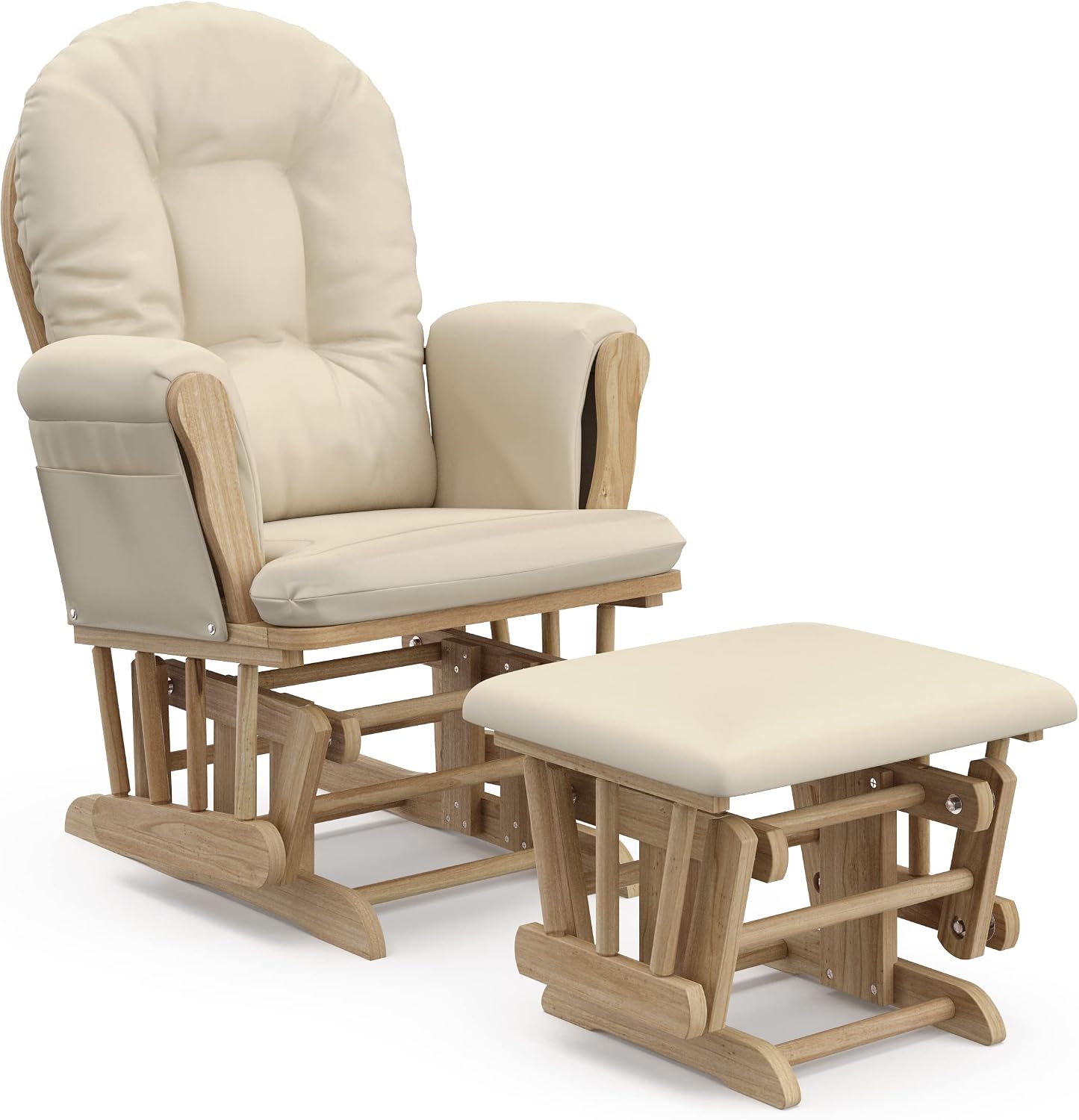
A few higher-end-looking touches — a statement light fixture, a quality rug, a well-made glider — can carry an entire room's perceived value.
The trick is spending on the two or three pieces that get noticed first and keeping everything else simple.
A fluted or paneled accent wall adds a custom, built-in look for relatively little cost.
This direction is really about where the budget goes, more than the total amount spent.


8. Built Around Creative Wall Decor
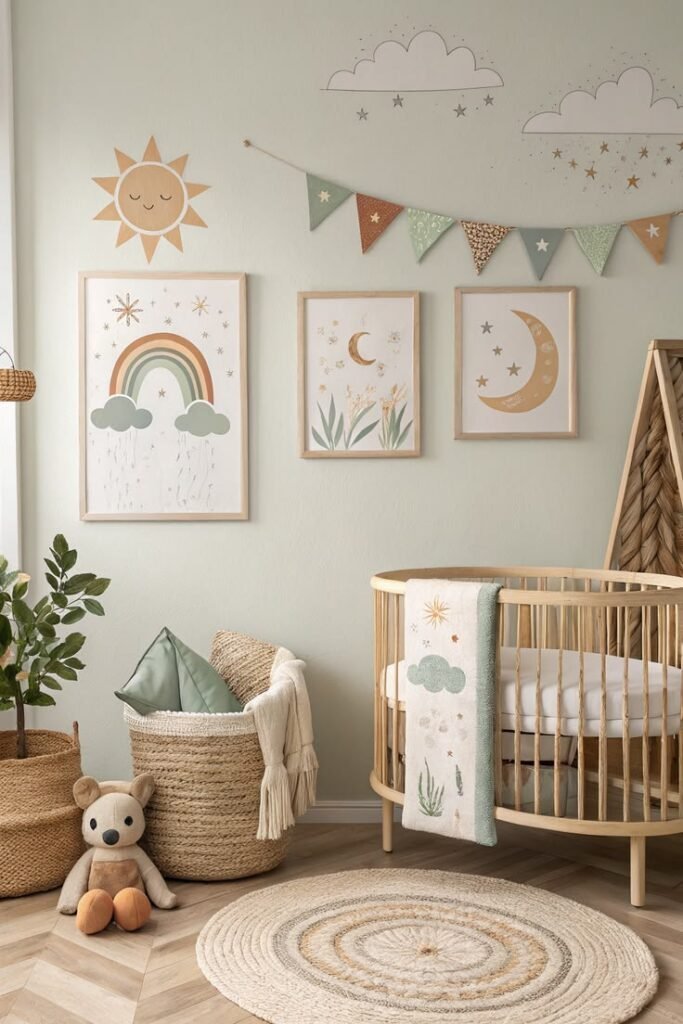
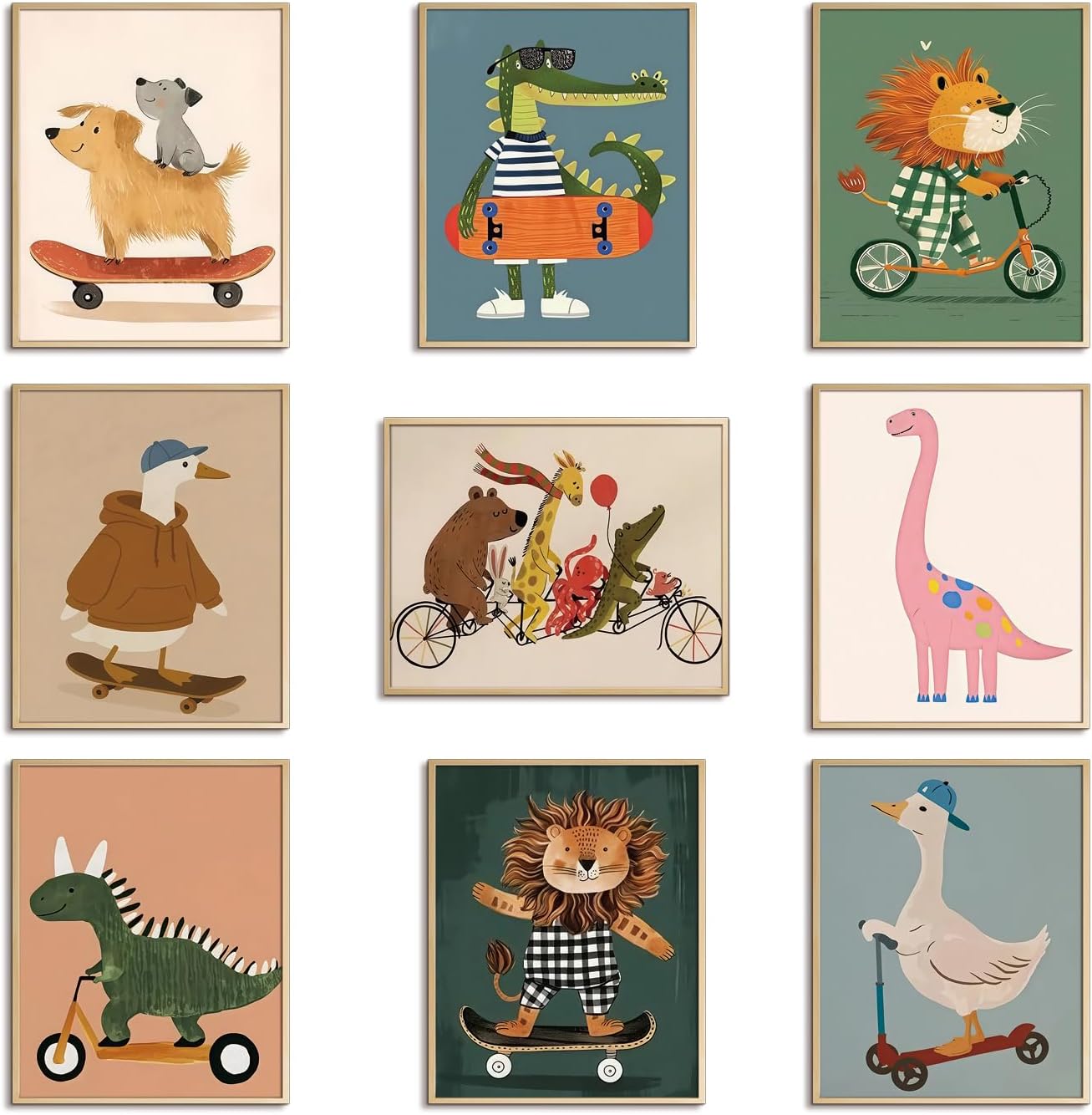
A gallery of mismatched prints, a mural, or a single oversized piece of art can carry an entire room's personality.
This is a good direction for parents who want something custom without touching furniture or paint.
It's also one of the easiest directions to update later as a child's taste develops.
Keeping the wall art below a safe height and securely mounted matters here more than in any other room.

9. Built Around Smart Storage
A nursery accumulates more small items than almost any other room in the house.
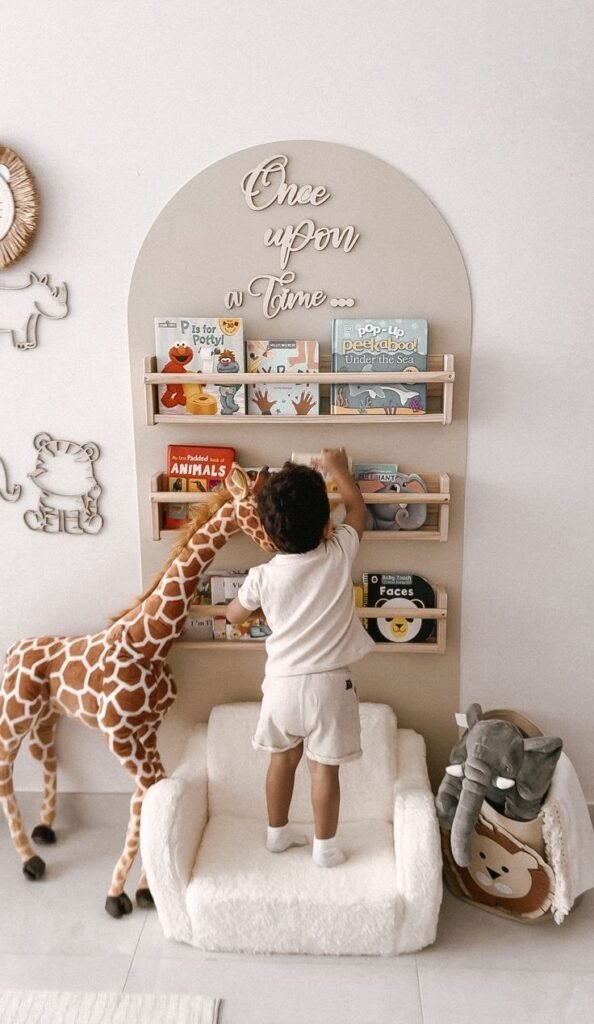
Baskets, labeled bins, and furniture with built-in storage keep that accumulation from spilling onto every surface.
This direction prioritizes function first and lets the aesthetic follow from whatever storage system actually gets used.
A room that's easy to keep tidy stays easier to enjoy, especially in the sleep-deprived early months.


10. Built Around a Reading Corner
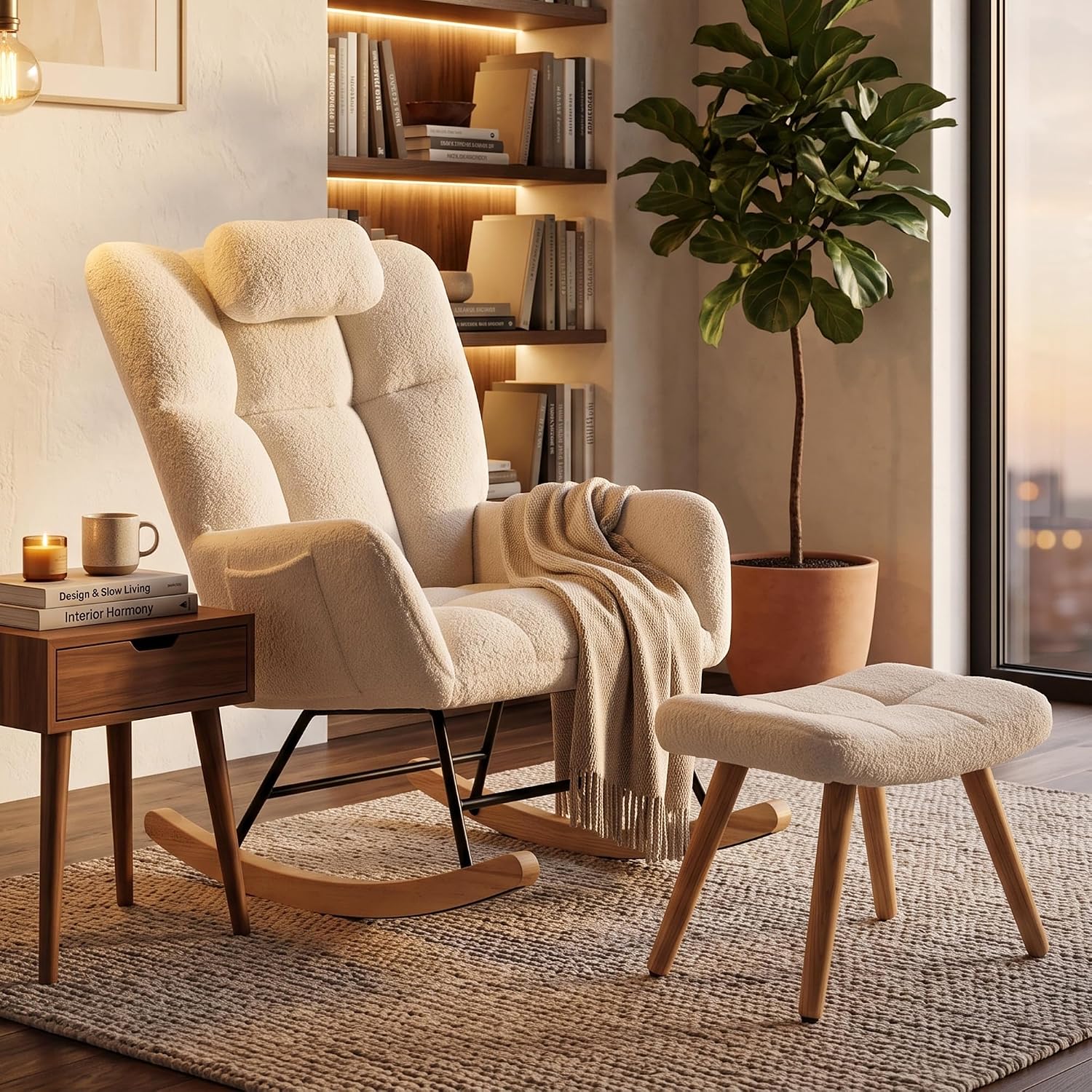
A comfortable glider, a small side table and a soft reading light turn one corner into a dedicated spot for feeding and bedtime stories.
This is less about the room's overall look and more about carving out one functional zone.
Keeping that corner separate from the crib and changing area helps the room feel organized by activity.
It's one of the few spots in the nursery a parent will use as much as the baby does.
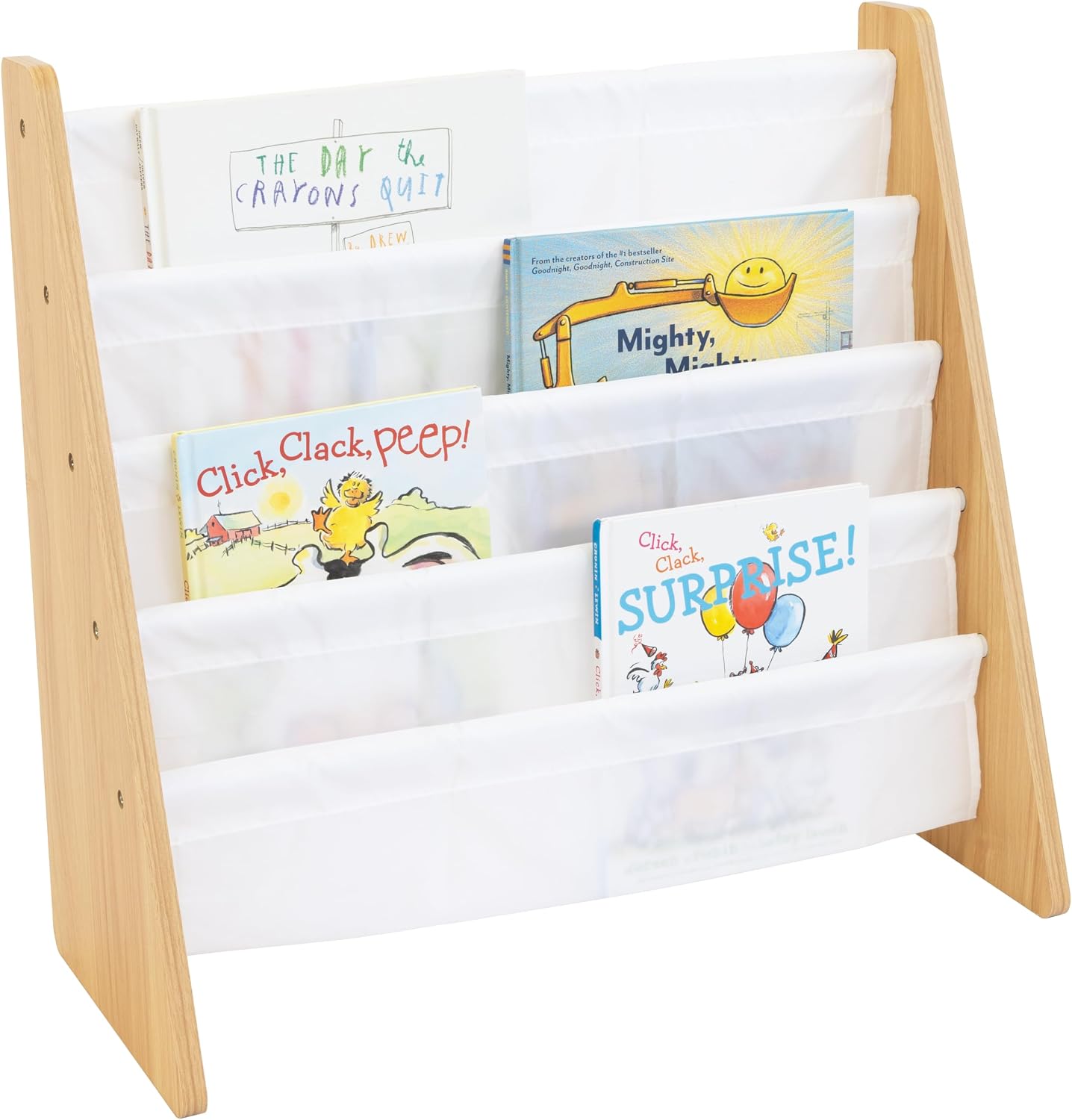
11. Built Around Statement Lighting
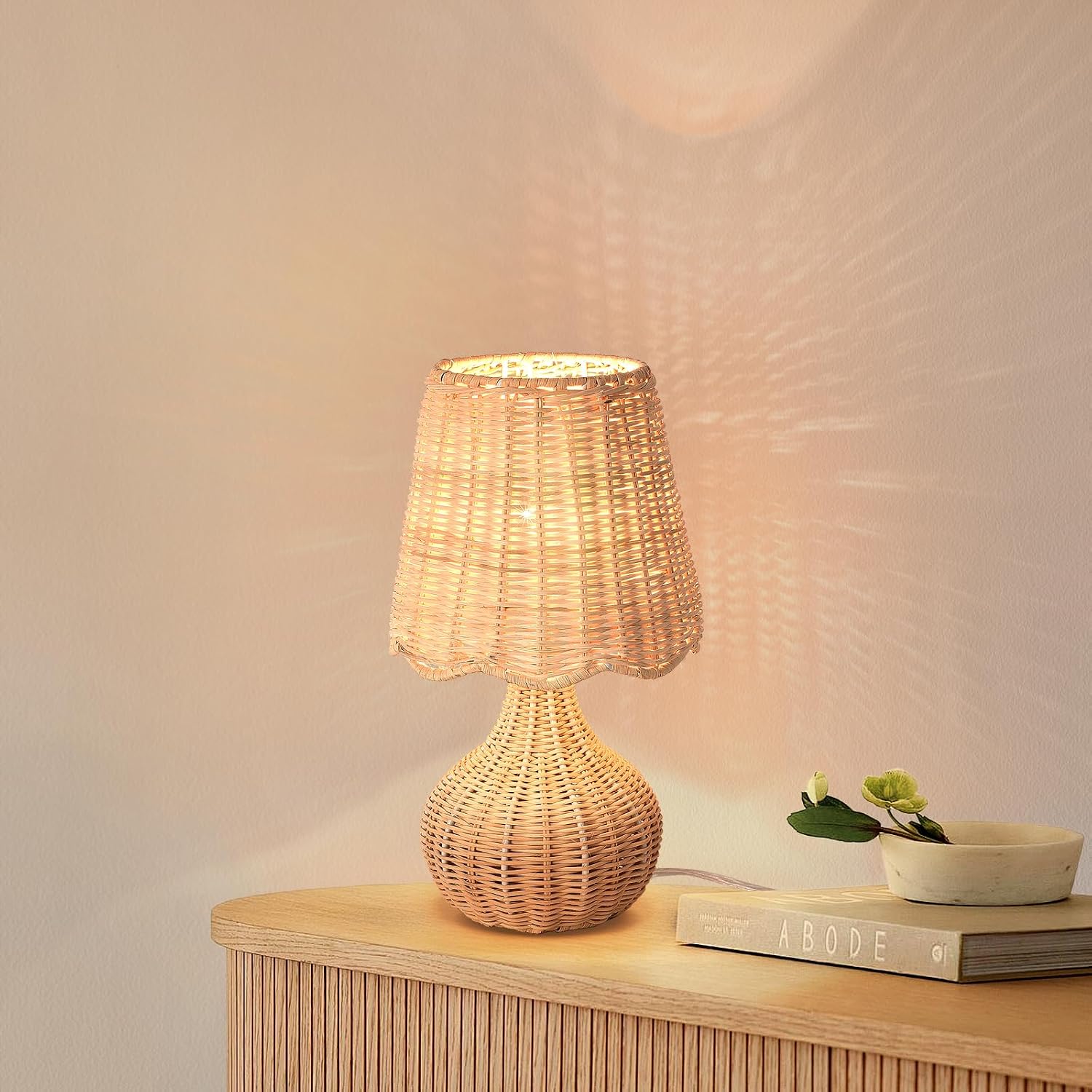
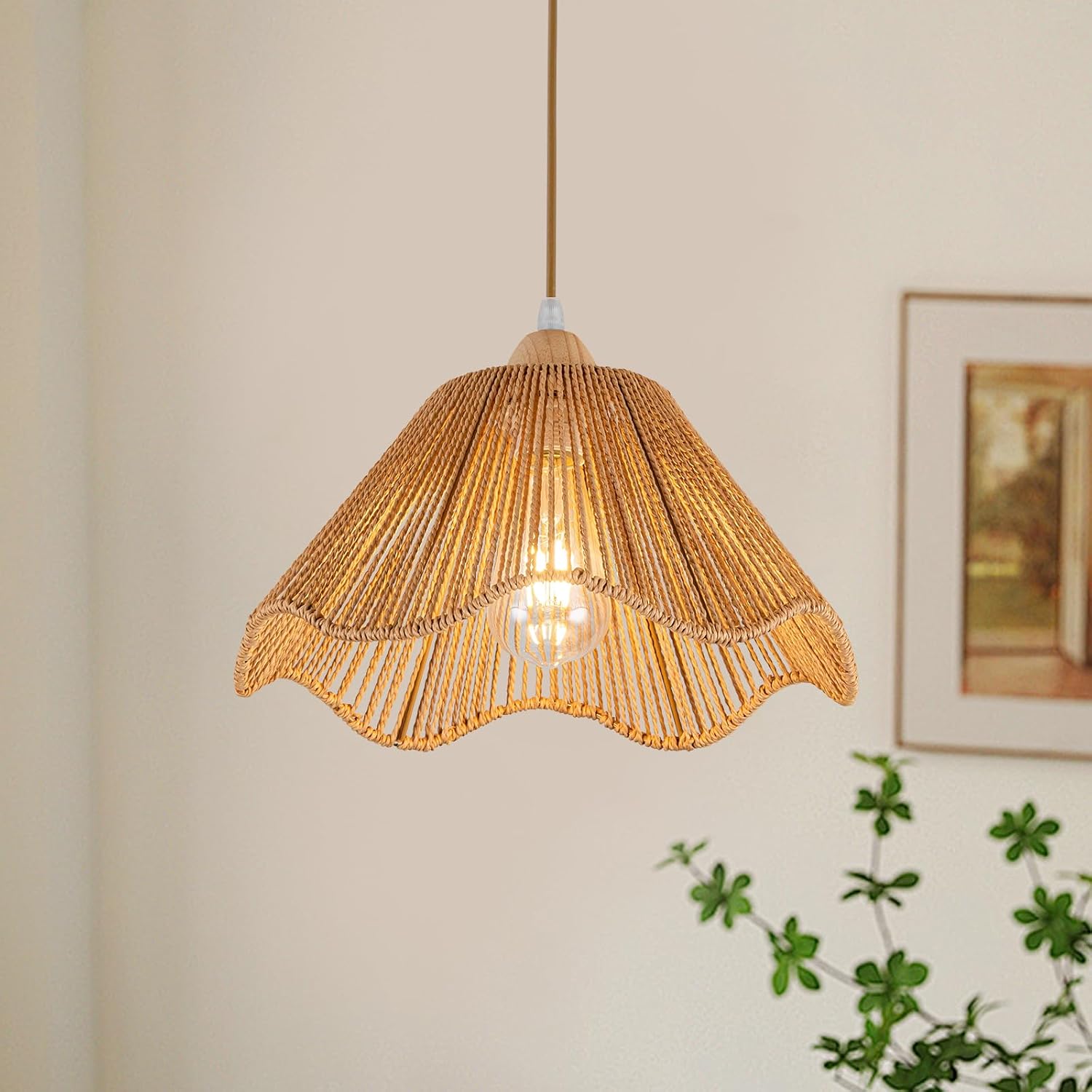
A single standout fixture — a woven pendant, a sculptural lamp, a soft cloud-style light — can anchor the whole room's mood.
Layering in a dimmable lamp alongside it keeps late-night feedings from needing a full bright light.
This direction suits a smaller nursery especially well, since one statement piece does more with less.
Warm-toned bulbs matter here as much as the fixture itself.


12. Built Around Convertible Furniture
A crib that converts to a toddler bed, or a dresser that doubles as a changing table, stretches the room's usefulness well past infancy.
This direction is as much a budget decision as a style one — fewer furniture purchases over the next several years.
It suits parents who'd rather invest in fewer, higher-quality pieces upfront.
The room's look stays secondary to how long each piece will actually stay useful.


13. Built Around Personal Touches
A name spelled out above the crib, a family heirloom repurposed as decor, or a handmade quilt all make a nursery feel specific rather than generic.
This direction layers on top of almost any other style on this list rather than replacing it.
A few meaningful objects do more than a room full of matching store-bought pieces.
It's often what parents remember most fondly once the room gets repurposed later.


14. Nature-Inspired
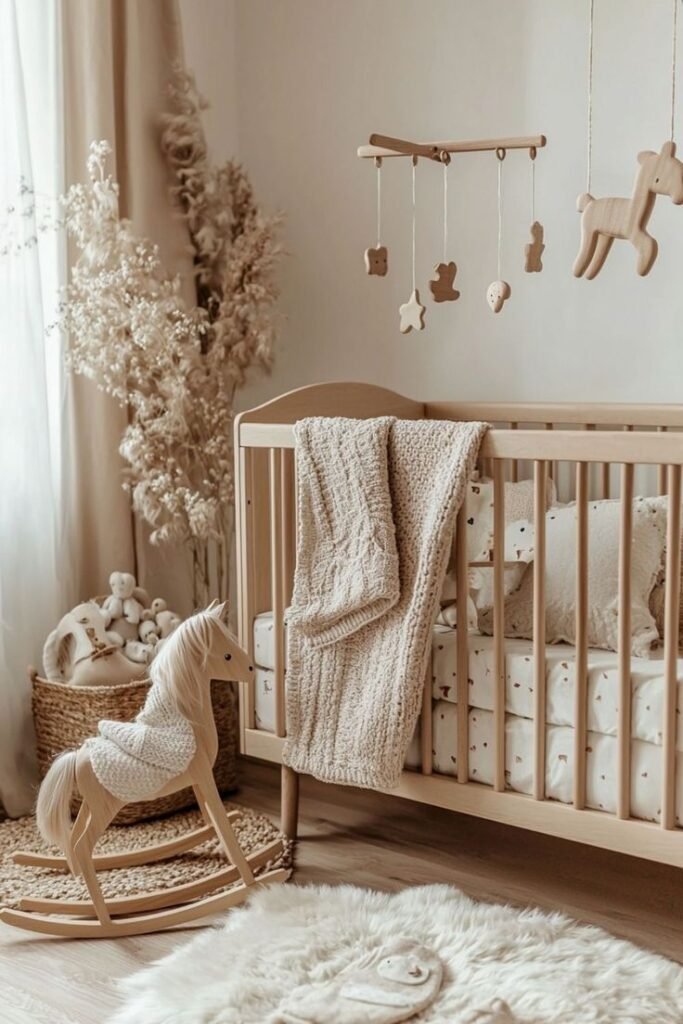
Real or faux plants, natural wood tones, and soft greens and browns bring an outdoor calm indoors.
This direction suits parents who want a theme that feels organic rather than overtly decorated.
It pairs especially well with the woodland direction above, and can borrow freely from it.
A nature-inspired room tends to feel peaceful without needing much else added.


Final Thoughts
Picking one of these 14 directions before shopping saves real money and real second-guessing later.
A nursery built around a clear direction holds together visually, even as individual pieces get added over time.
Safety always comes first, no matter which direction gets chosen.
After that, the best direction is simply the one that matches how the room will actually be used.