
A bed without a headboard can feel like a blank canvas with no obvious starting point.
Pillows are the fix — the right arrangement does the visual job a headboard would normally do, without adding a single piece of furniture.
This covers the actual technique, not just a list of pillow types.


Why This Matters More on a Headboard-Free Bed
A headboard normally anchors the top of the bed visually — without one, that job falls entirely to how the pillows get arranged.
Done well, pillows alone can make the bed look completely finished. Done carelessly, the same bed reads as unfinished no matter how nice the bedding is.


Choosing the Right Pillows First
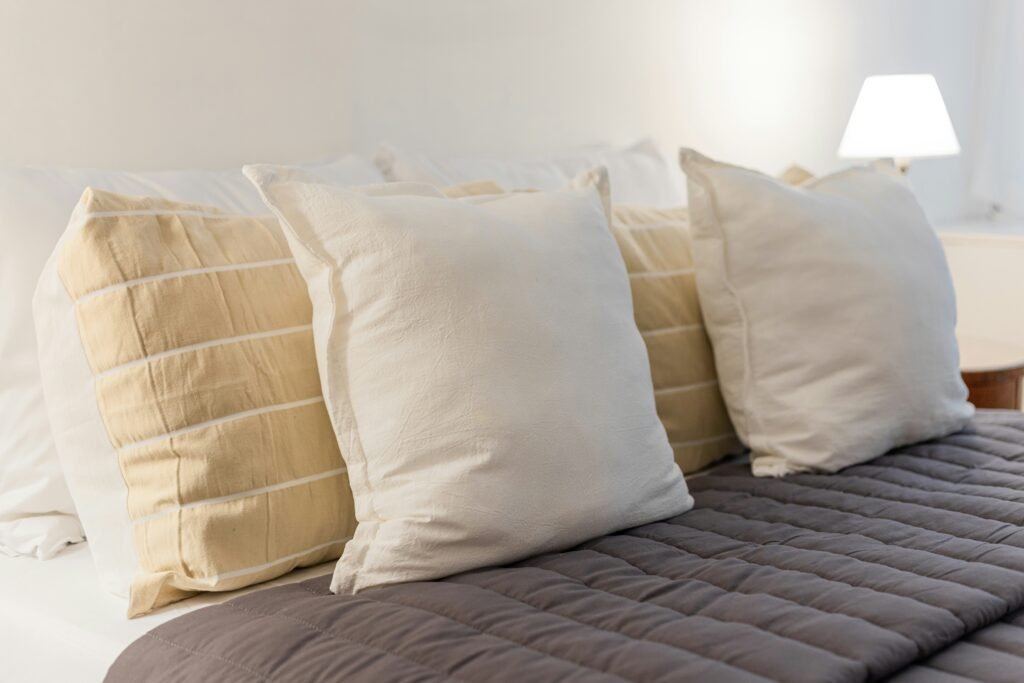
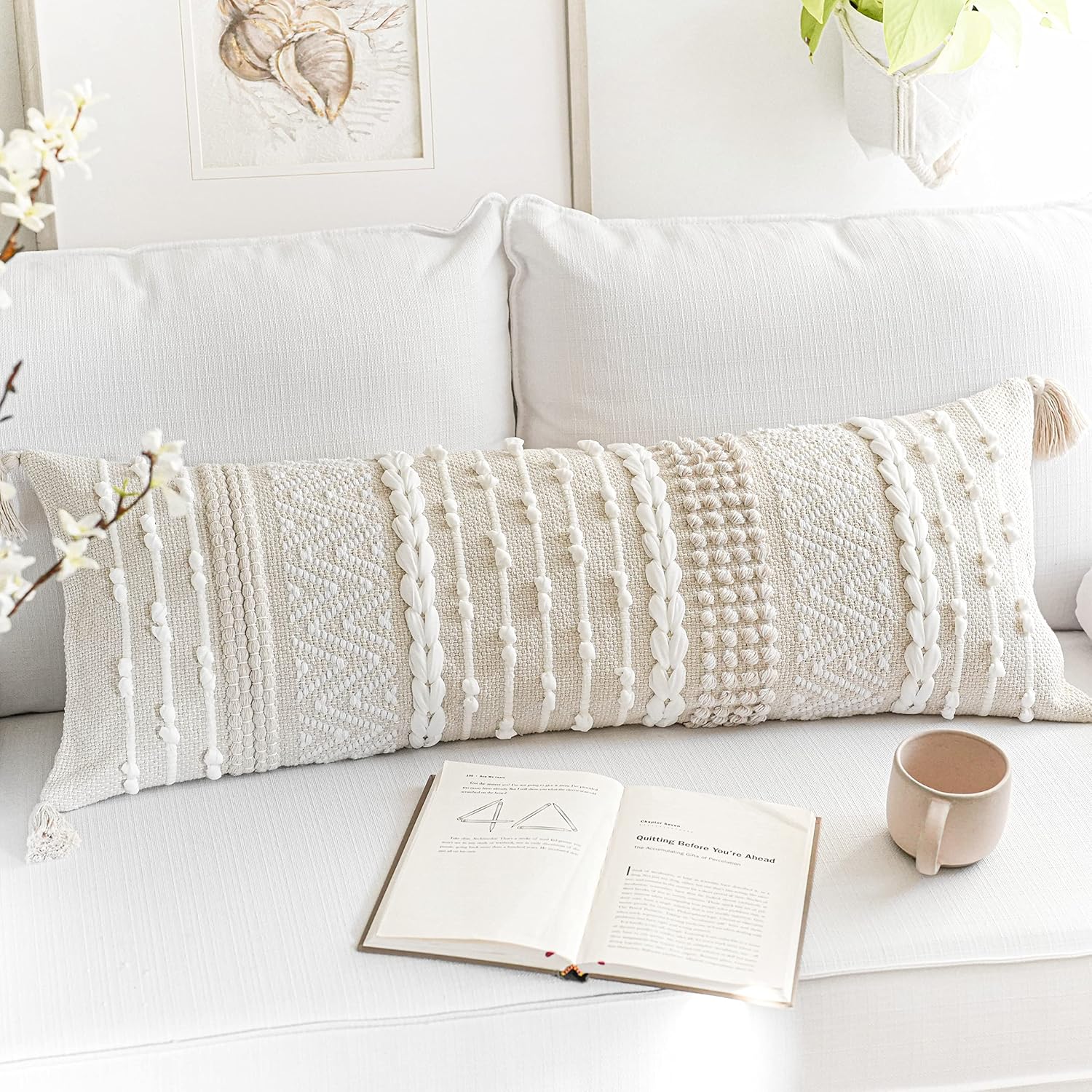
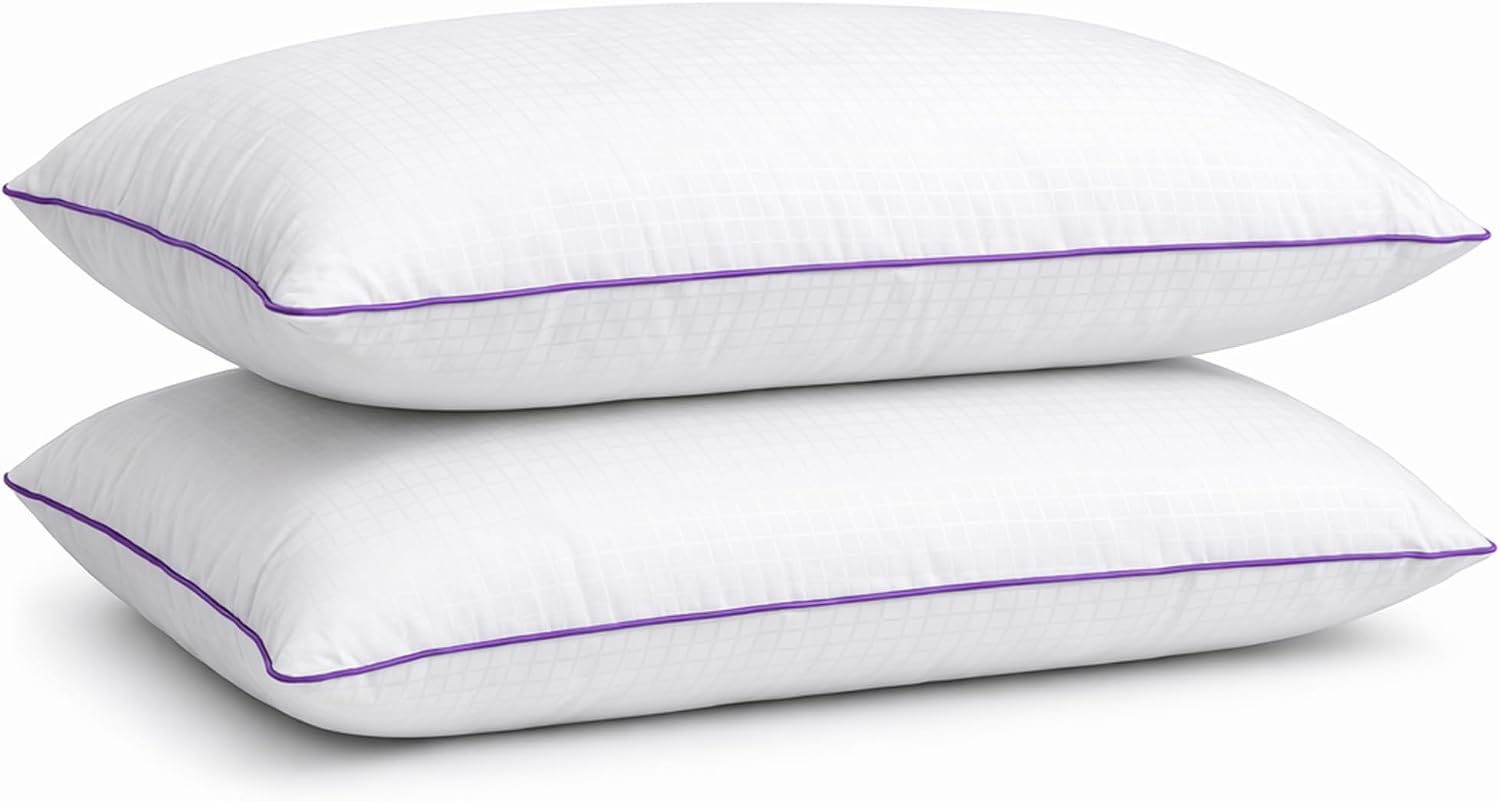
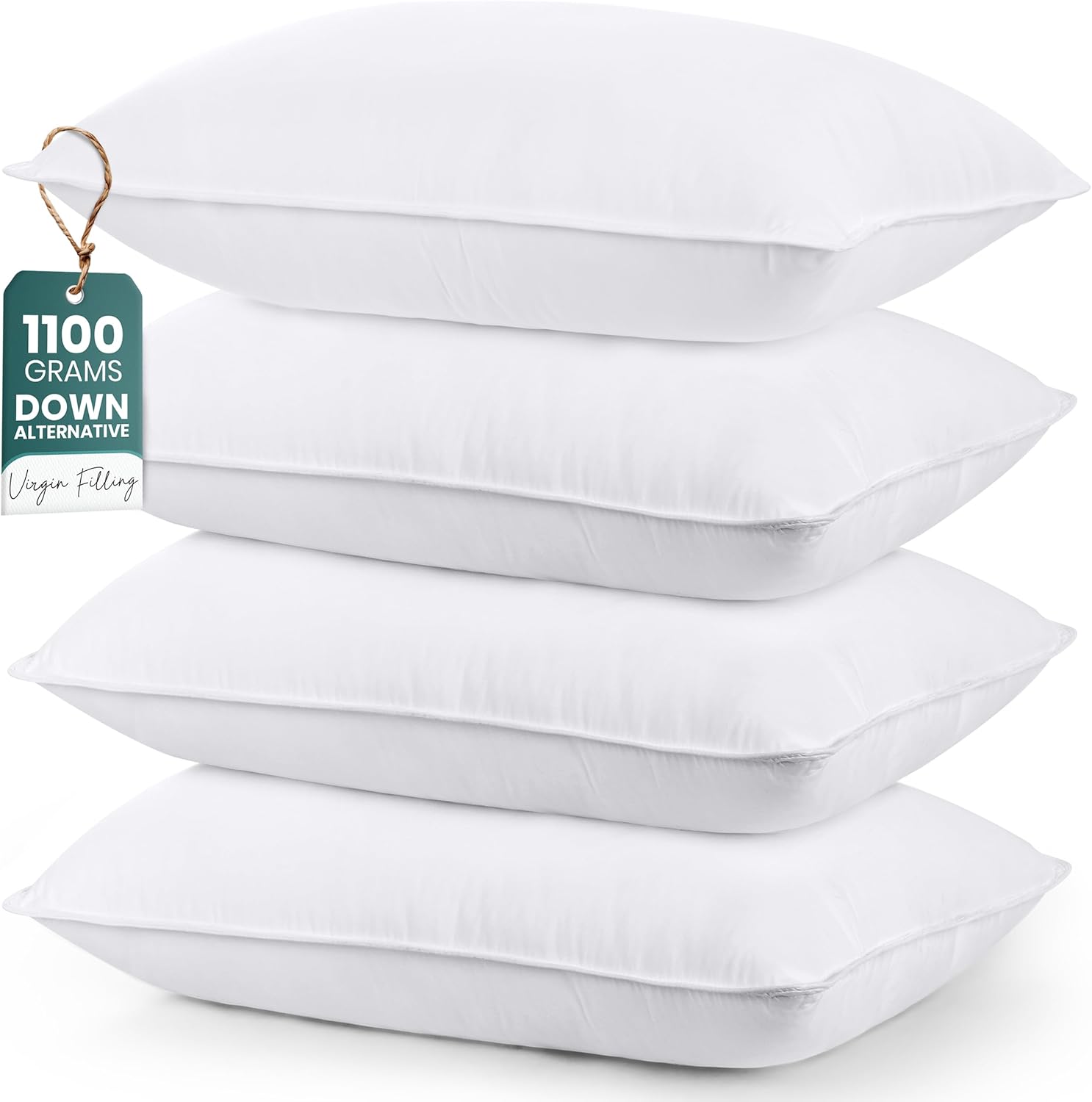
A mix of sizes — standard sleeping pillows, a couple of larger Euro shams, and one or two smaller accent pillows — gives the arrangement something to actually layer.
All one size reads as flat; a genuine size mix is what creates the fullness that replaces a headboard's visual weight.



The Layering Technique
Start with the largest pillows — Euro shams — stacked or leaned against the wall first, since they create the base layer everything else builds on.
Layer standard sleeping pillows in front of those, then finish with one or two smaller accent pillows angled slightly for visual interest.
This back-to-front, large-to-small order is the core of the whole technique — skipping a layer is usually what makes an arrangement feel thin.

A Few Practical Tips
Pillows leaned directly against the wall, rather than laid flat, create the illusion of a headboard's height and structure.
Fluffing and shaping each pillow before placing it matters more here than on a bed with a headboard, since there's no furniture to distract from a flat, lifeless pillow.


Common Mistakes to Avoid
Too few pillows is the most common mistake — a headboard-free bed generally needs more visual weight at the top than one with a headboard, not less.
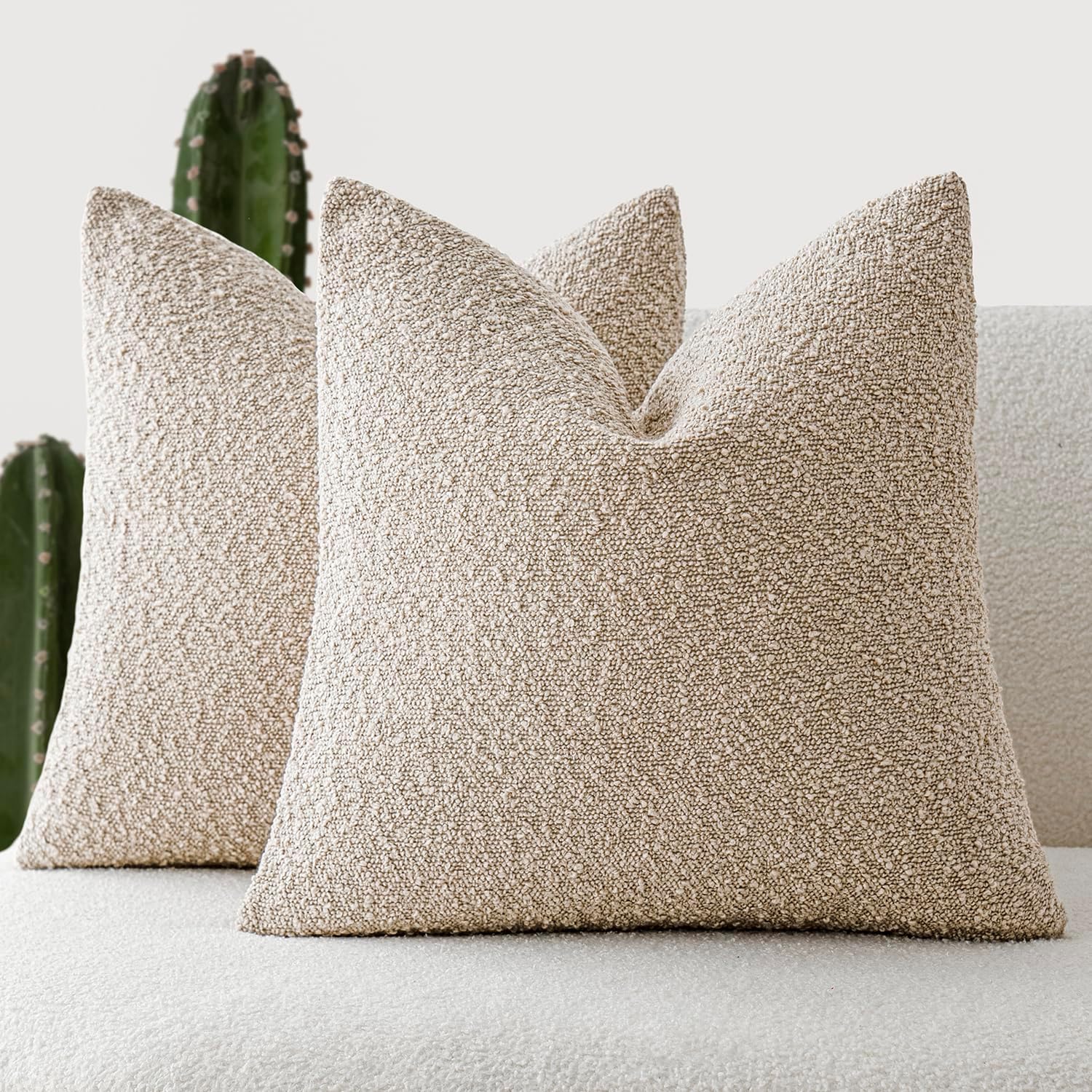
Matching every pillow exactly reads as stiff; some intentional variation in size, texture or pattern reads as considered.
Pillows pushed flat against the wall without any lean or angle lose most of the dimensional effect the layering technique is built on.

Adjusting for Different Bed Sizes
A twin or full bed generally needs fewer pillows in the arrangement than a queen or king, simply to avoid overwhelming the smaller surface.
A wider bed can support a more elaborate layered arrangement, since there's more physical space for the technique to actually read clearly.


Swapping the Look Seasonally
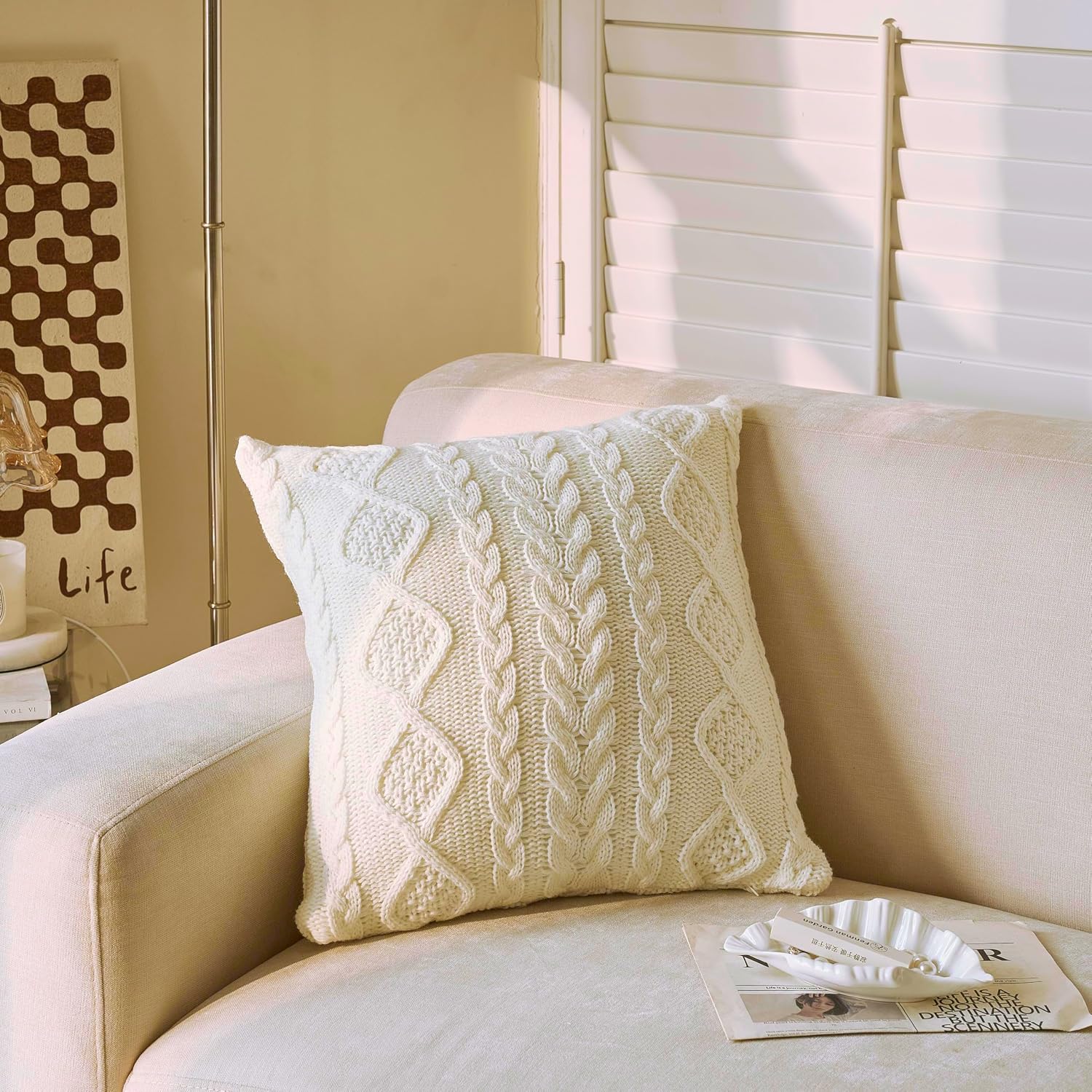
Swapping accent pillow covers — warmer tones and textures for cooler months, lighter ones for warmer months — refreshes the whole bed without redoing the entire arrangement.
This is one of the easiest ways to keep a headboard-free bed feeling current throughout the year.

Adding a Personal Touch
A pillow in a meaningful color, a handmade or vintage find, or one slightly unexpected texture gives the arrangement real personality instead of reading as generically styled.
This is the detail that makes the bed feel like it belongs to the person sleeping in it, not a showroom display.


The Go-To Formula
Two Euro shams in back, two to four standard pillows in front, and one or two smaller accents on top covers most bed sizes and styles.
Adjust the exact count for the bed's width, but keep the large-to-small layering order consistent.

Final Thoughts
A missing headboard isn't a design problem that needs furniture to fix.
The right pillow layering does the same visual job, for a fraction of the cost and with the flexibility to change the whole look anytime.
Start with the layering order, then let personal touches and seasonal swaps keep it feeling fresh.