
A genuinely small space rules out most standard home office advice.
There's no room for a full desk, a separate storage cabinet and a reading chair. What actually works is furniture built around the space-saving mechanism itself, not just a smaller version of standard furniture.
These 12 solutions cover the real options.


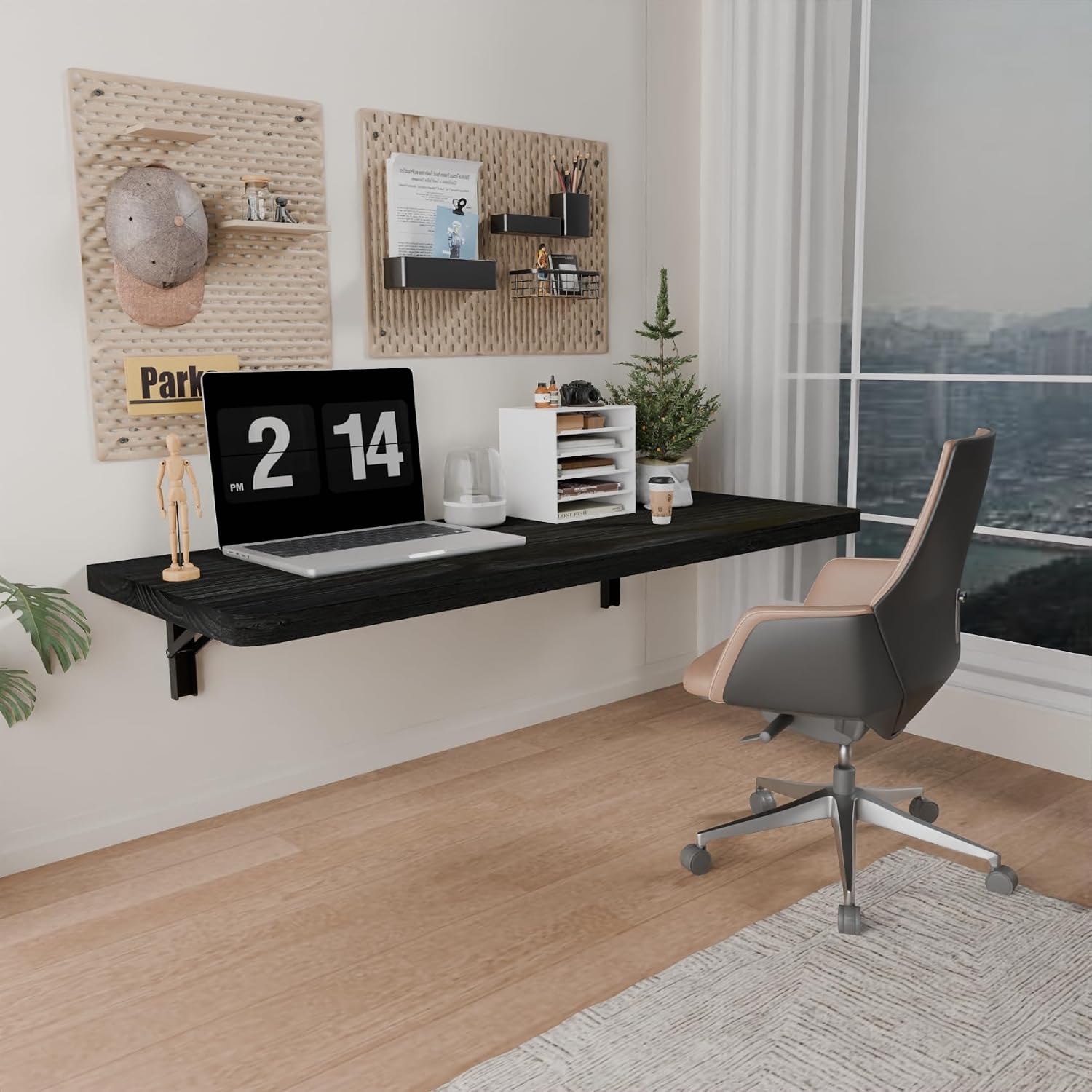
1. A Wall-Mounted Desk
A desk fixed directly to the wall, with no legs touching the floor, frees up visual and physical space that a traditional desk can't.
This works especially well in a narrow hallway or an awkward nook that couldn't fit a freestanding desk at all.


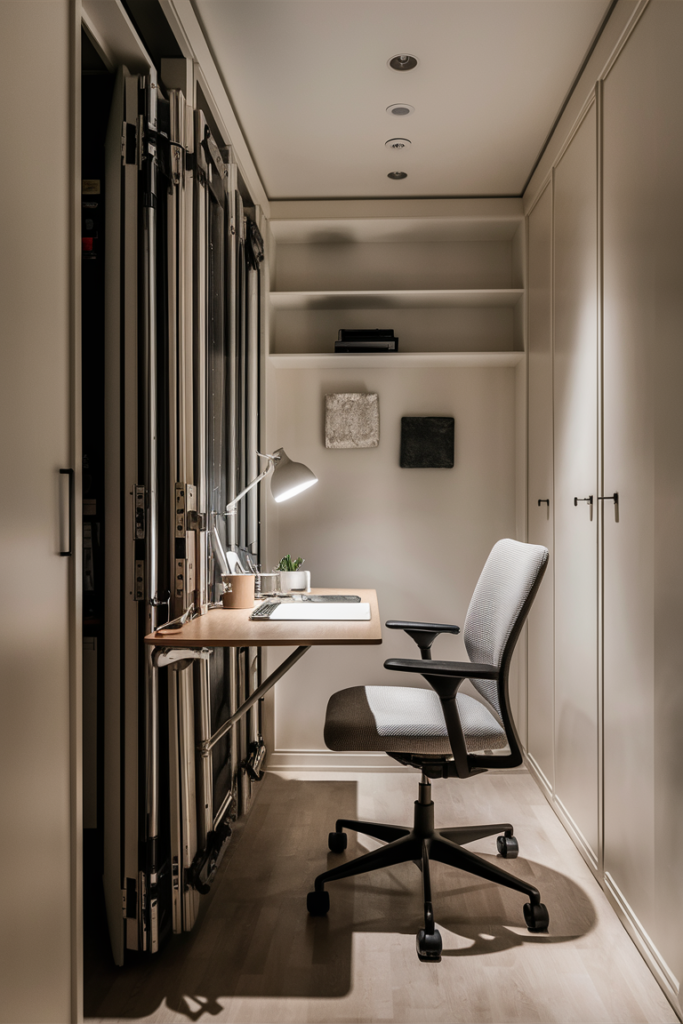
2. A Foldable Desk
A desk that folds flat against the wall when not in use reclaims the room entirely outside of working hours.
This suits a genuinely multi-purpose room, where the office function needs to disappear completely when it's not needed.


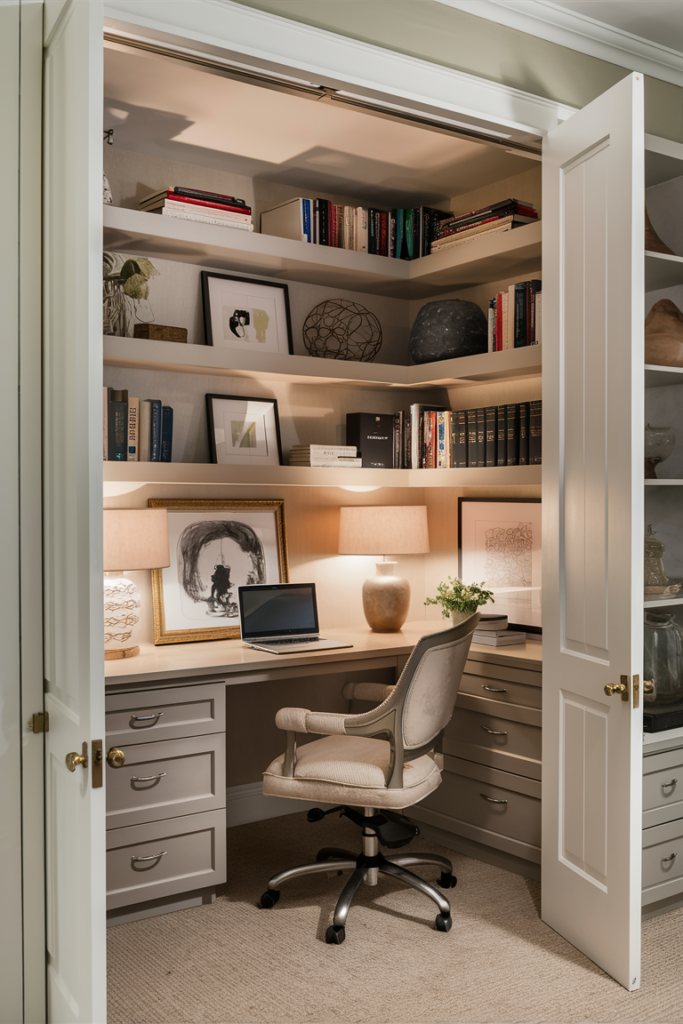
3. A Closet Office (Cloffice)
Converting an underused closet into a compact office keeps the workspace fully contained and out of sight when the doors close.
This is one of the most complete space solutions on this list, since it borrows space that usually isn't doing much else.



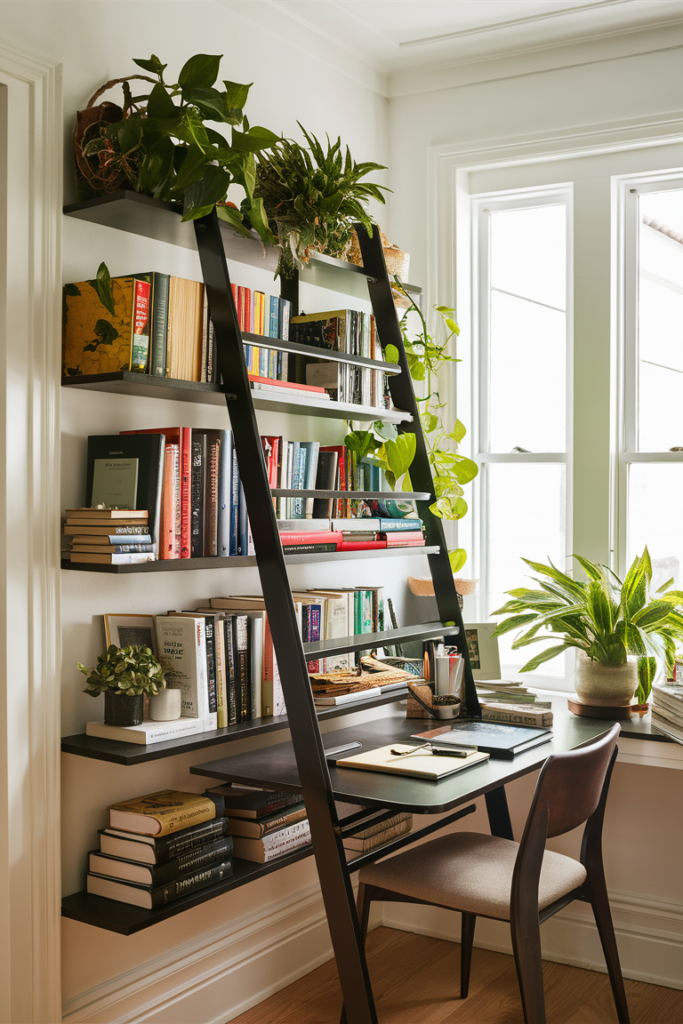
4. A Ladder Desk
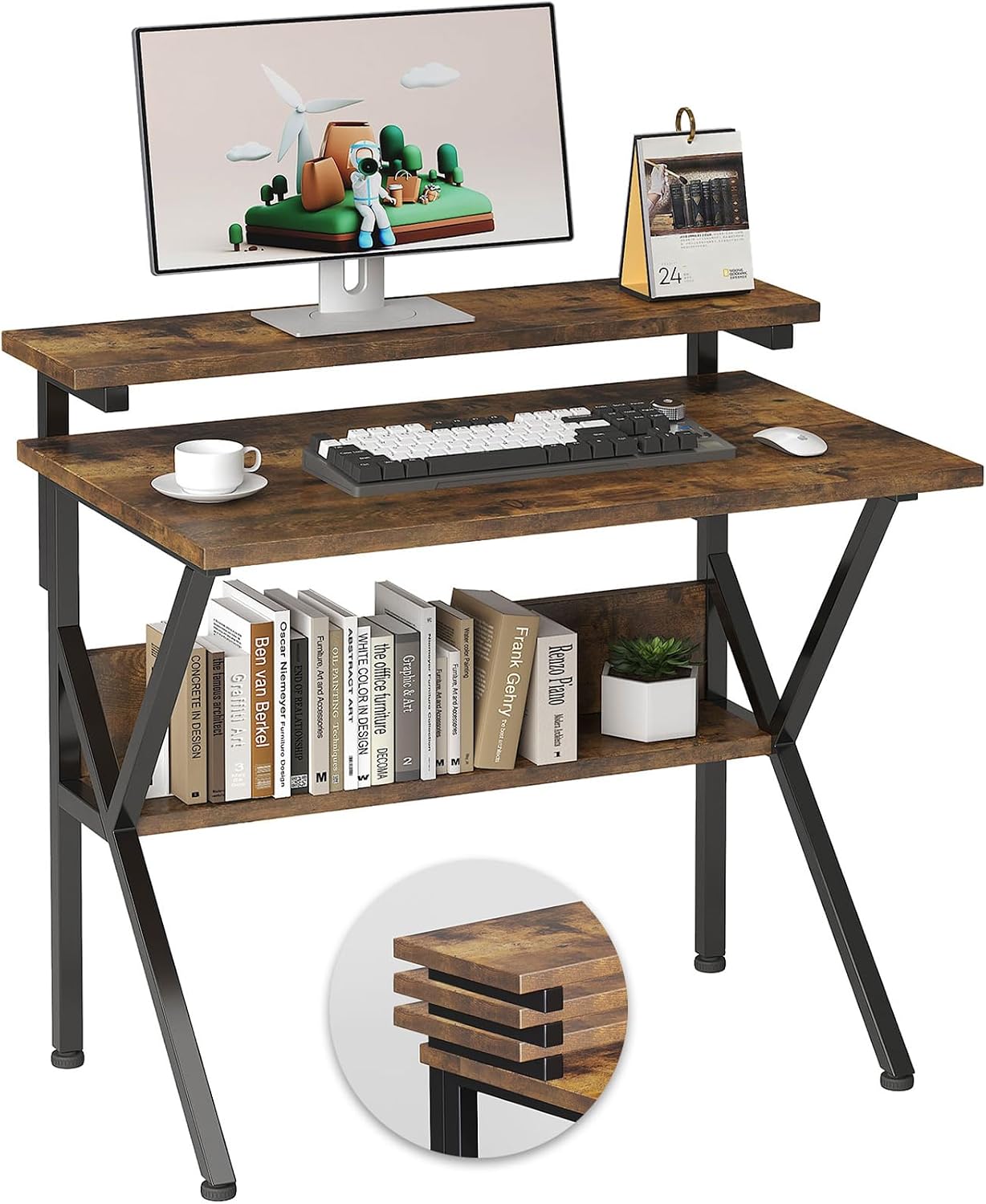
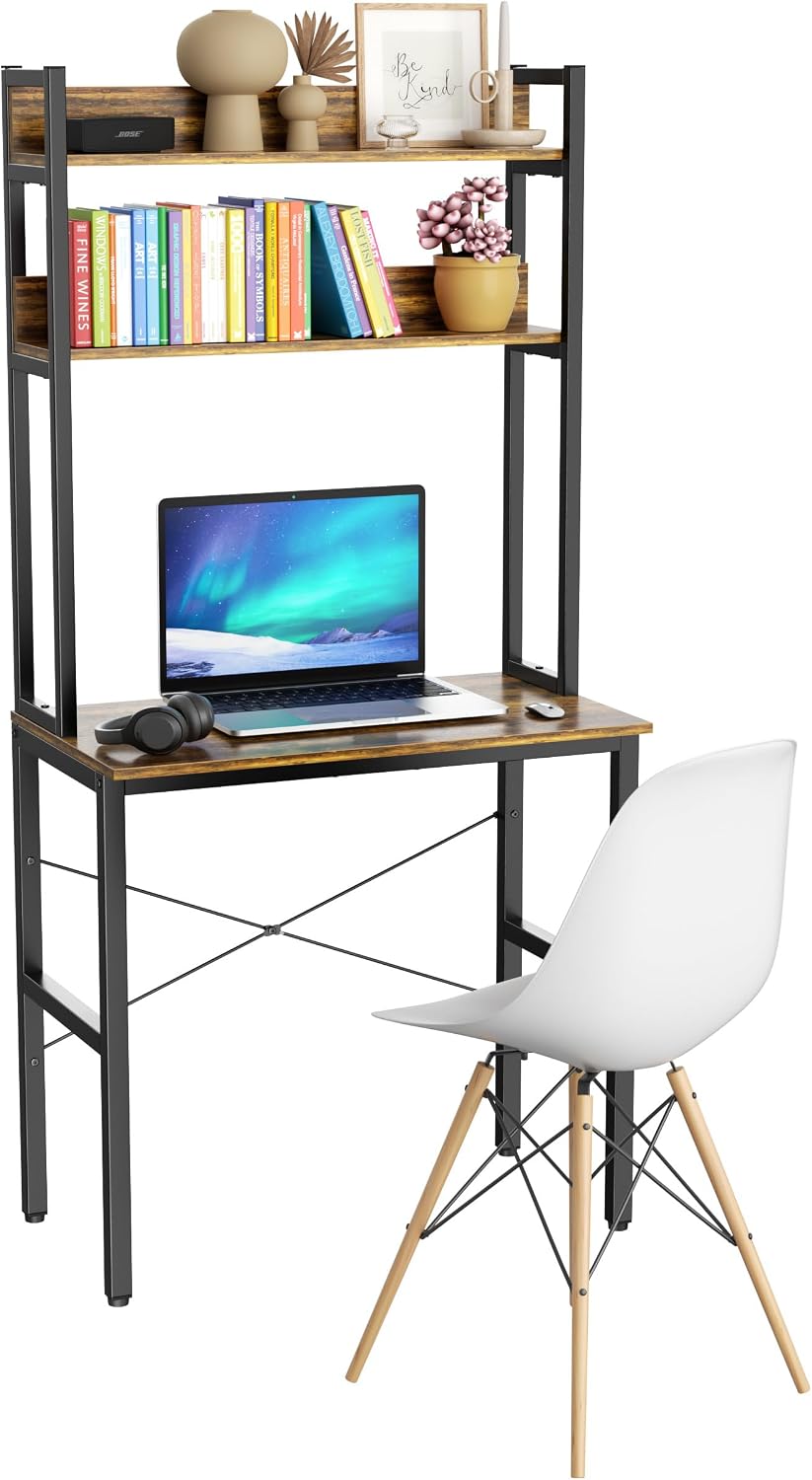
A ladder-style desk, with shelves built into a slim vertical frame, combines a work surface and storage in one narrow footprint.
This works well against a wall with almost no depth to spare, where a standard desk-and-shelf combination wouldn't fit.

5. Vertical Wall Shelves
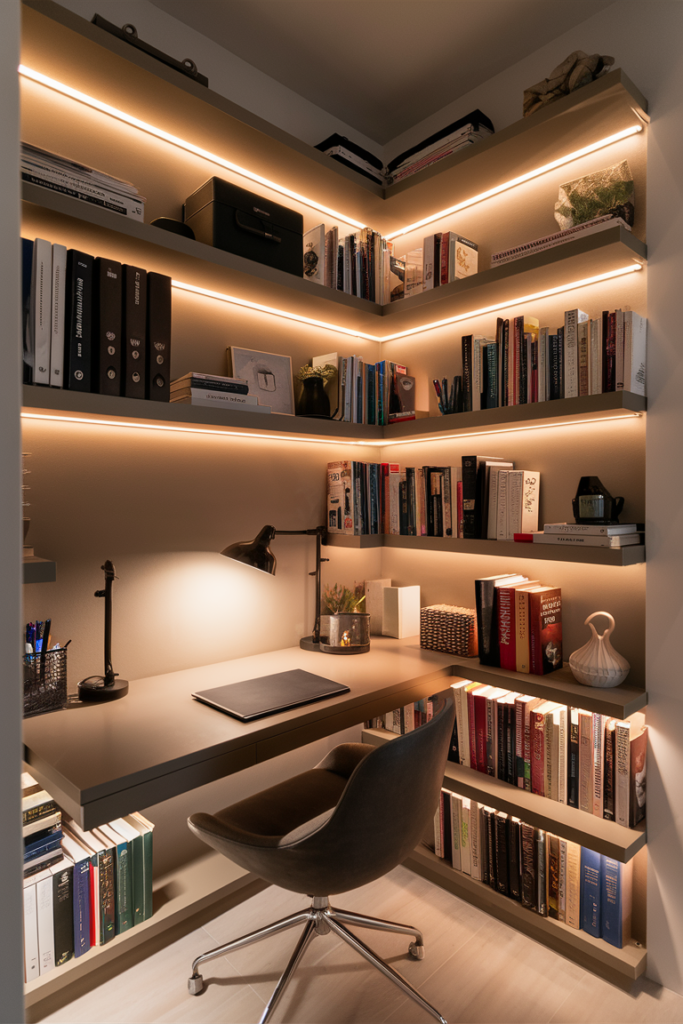
Going up instead of out solves a huge amount of small-office storage without ever touching the floor space around the desk.
This is one of the cheapest, most flexible additions on this list, since shelving can be added incrementally as storage needs grow.



6. A Rolling Storage Cart
A cart on wheels keeps supplies organized while staying fully mobile, tucking away under a desk or into a closet when not actively in use.
This suits anyone who needs supplies on hand during work hours but not visible the rest of the time.


7. A Corner Desk
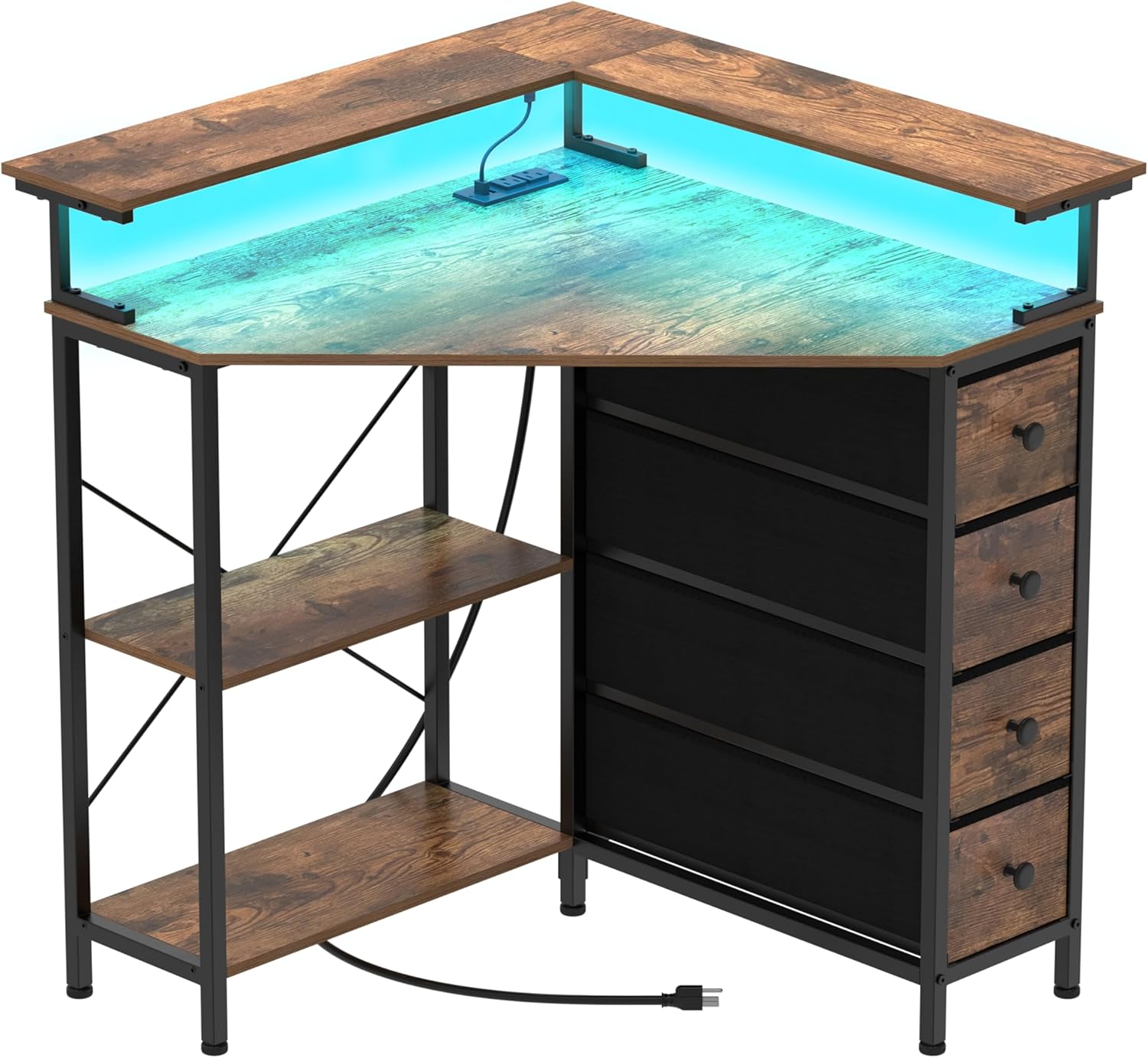
Using the corner of a room, rather than a flat wall, claims space that would otherwise go completely unused.
This is one of the most space-efficient desk placements available, especially in a room with limited straight wall space.


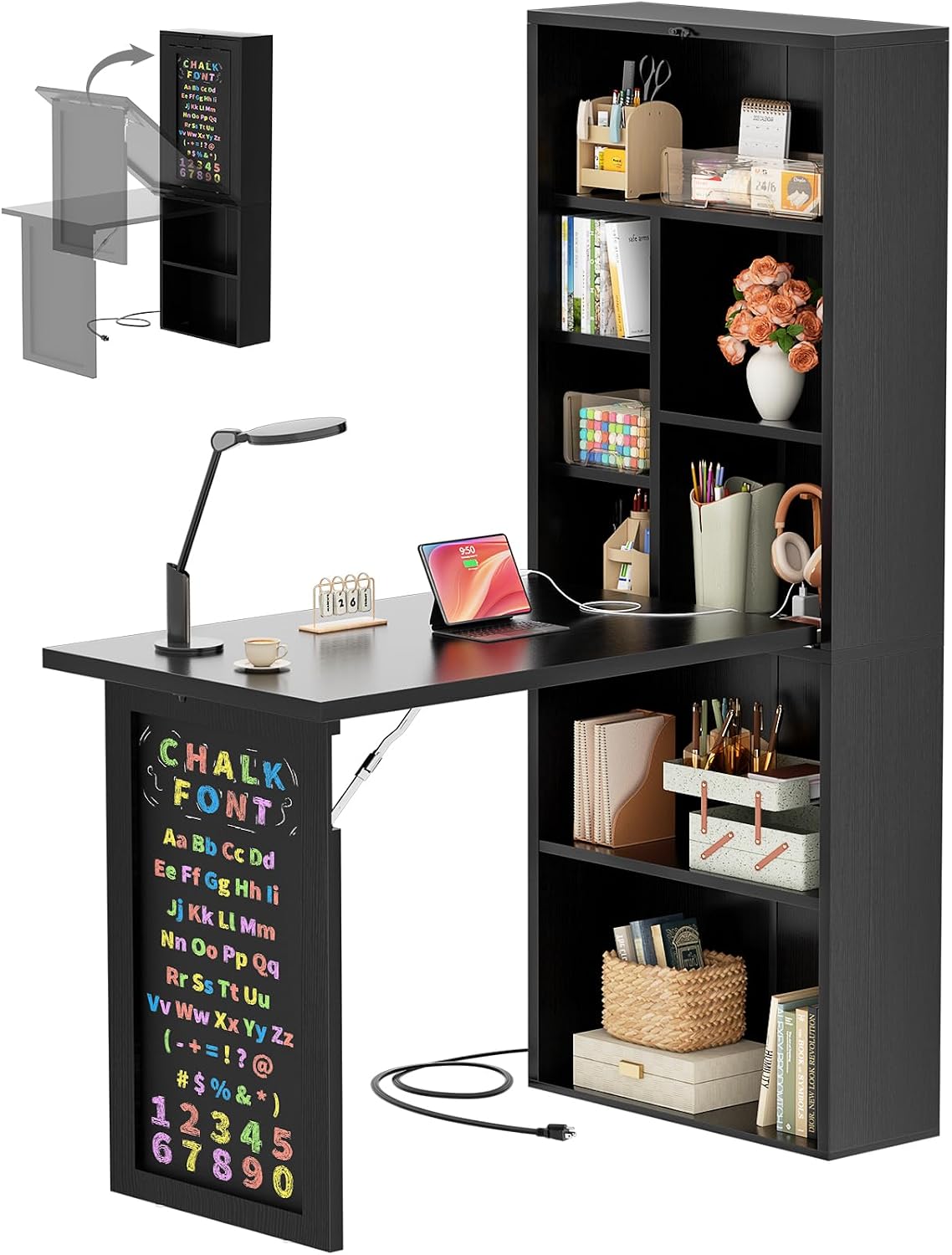
8. A Murphy Desk
A fold-down desk built into a wall unit, similar in spirit to a Murphy bed, disappears entirely when work is done for the day.
This is a bigger installation commitment than a simple foldable desk, but it integrates more seamlessly into the room's permanent design.


9. A Slim Console Table as a Desk
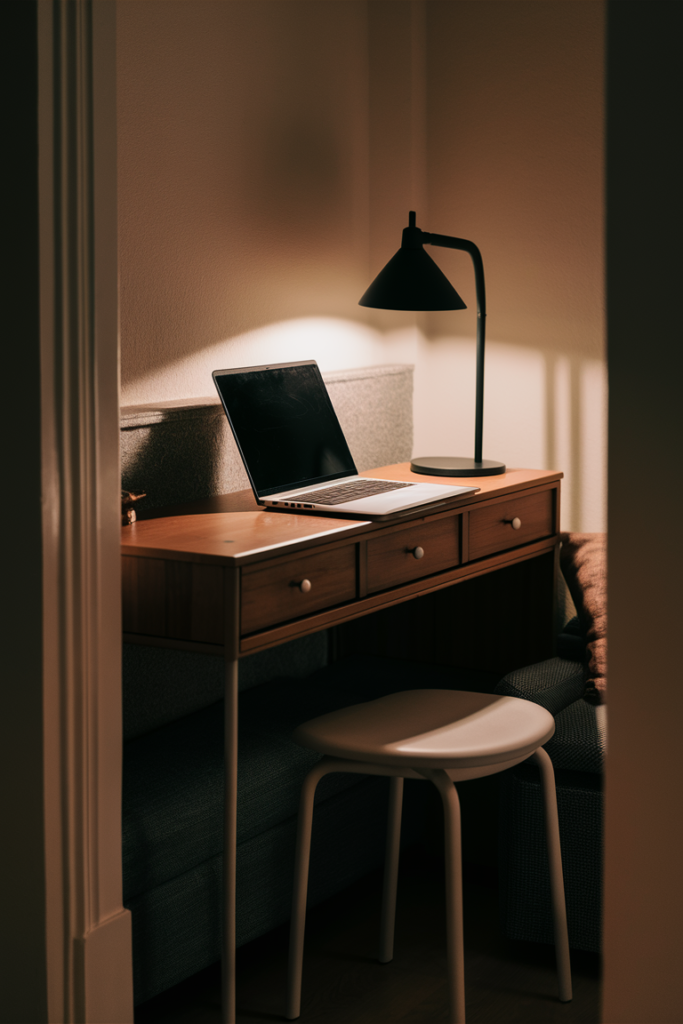
A narrow console table, originally meant for an entryway or hallway, works surprisingly well as a desk in a space too tight for standard desk depth.
This also tends to look more like furniture than office equipment, which helps it blend into a shared living space.


10. A Multi-Functional Desk
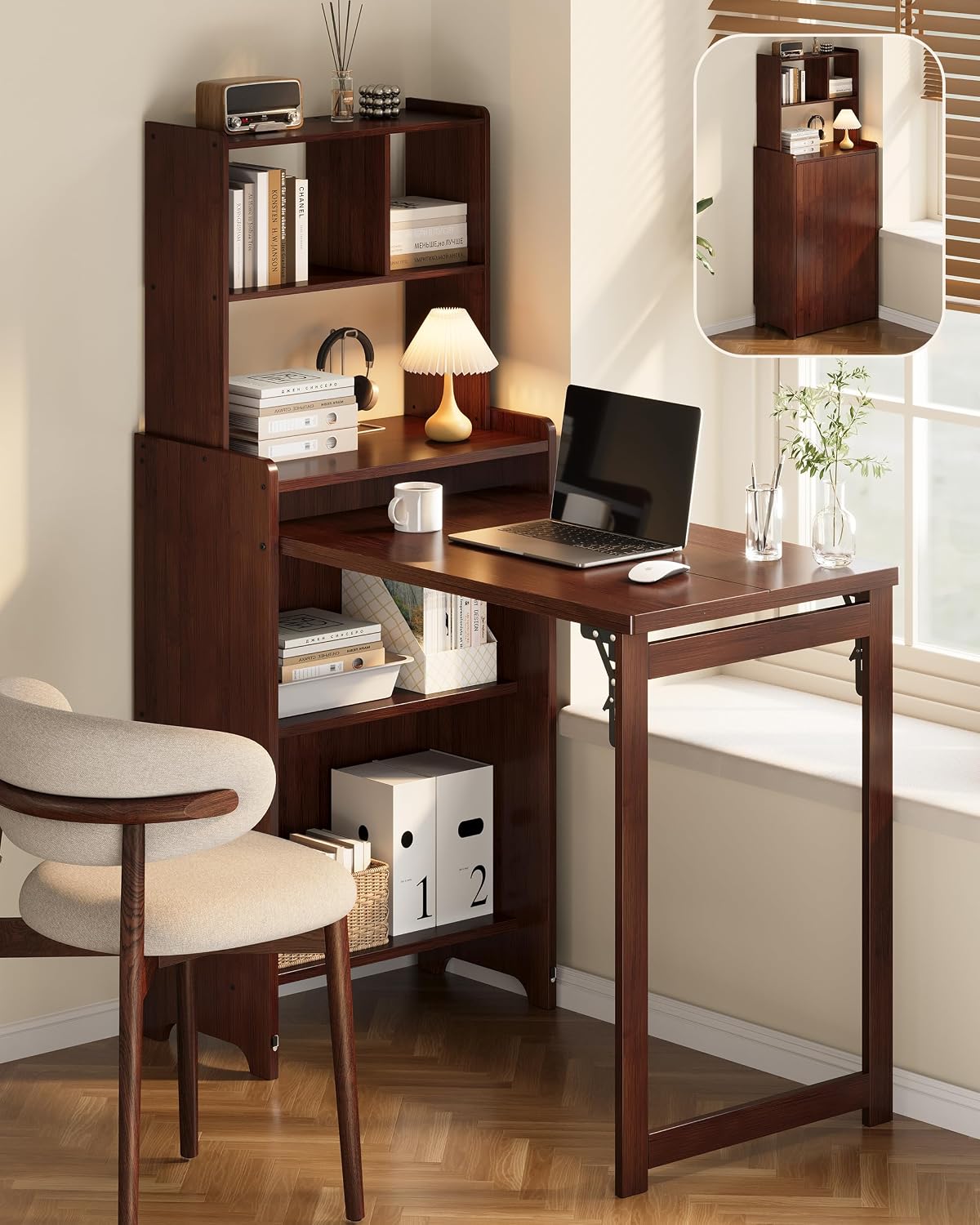
A desk that converts into a dining surface, or includes built-in storage for non-office items, earns its space by serving more than one role.
This matters most in a studio or combined-use room, where no single piece of furniture gets the luxury of a single purpose.


11. A Pegboard for Organization
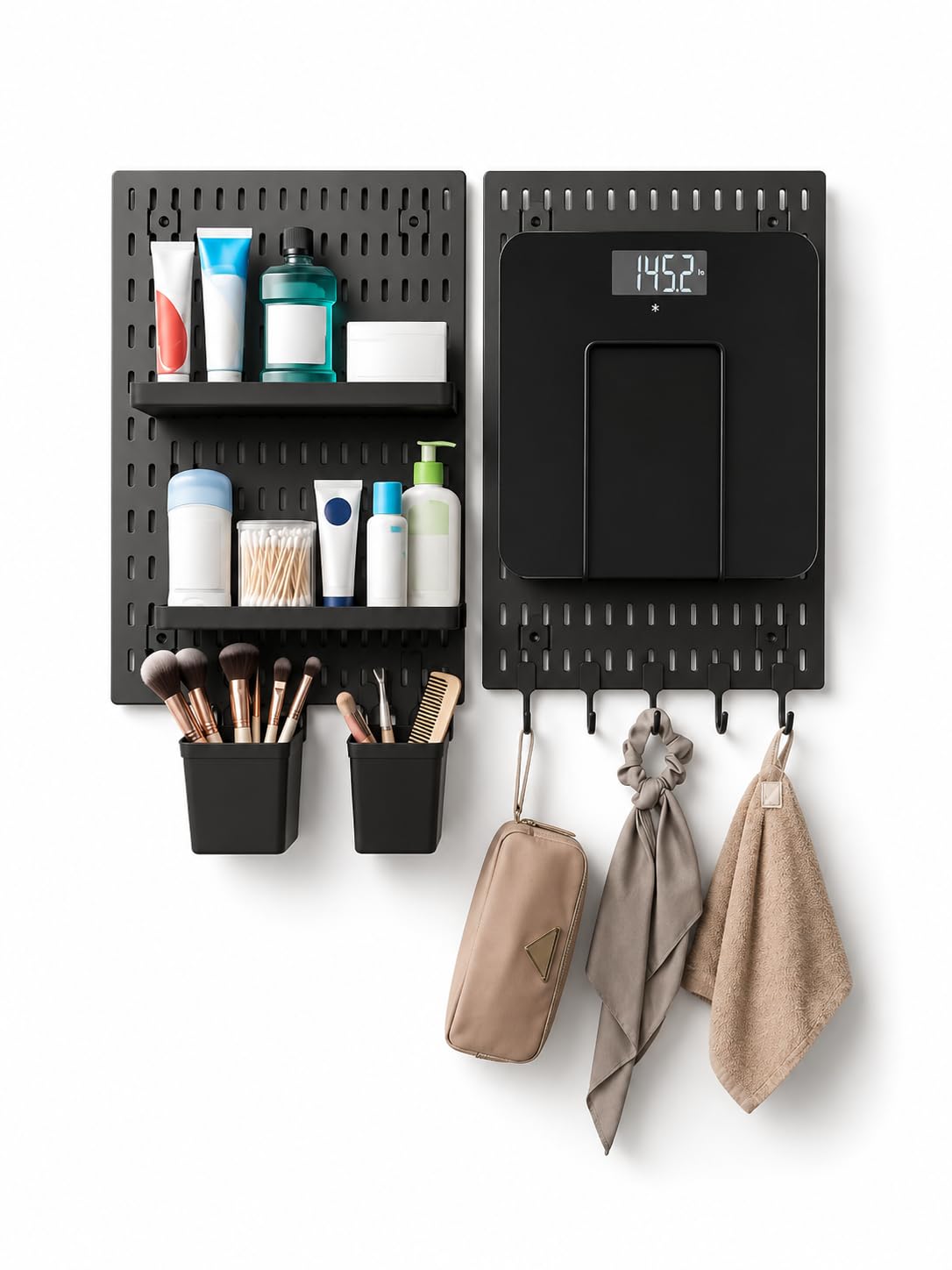
A pegboard mounted above or beside the desk keeps tools, cords and supplies visible and accessible without taking up any desk or shelf space.
This is one of the most customizable storage solutions on this list, since the layout can change as needs shift.


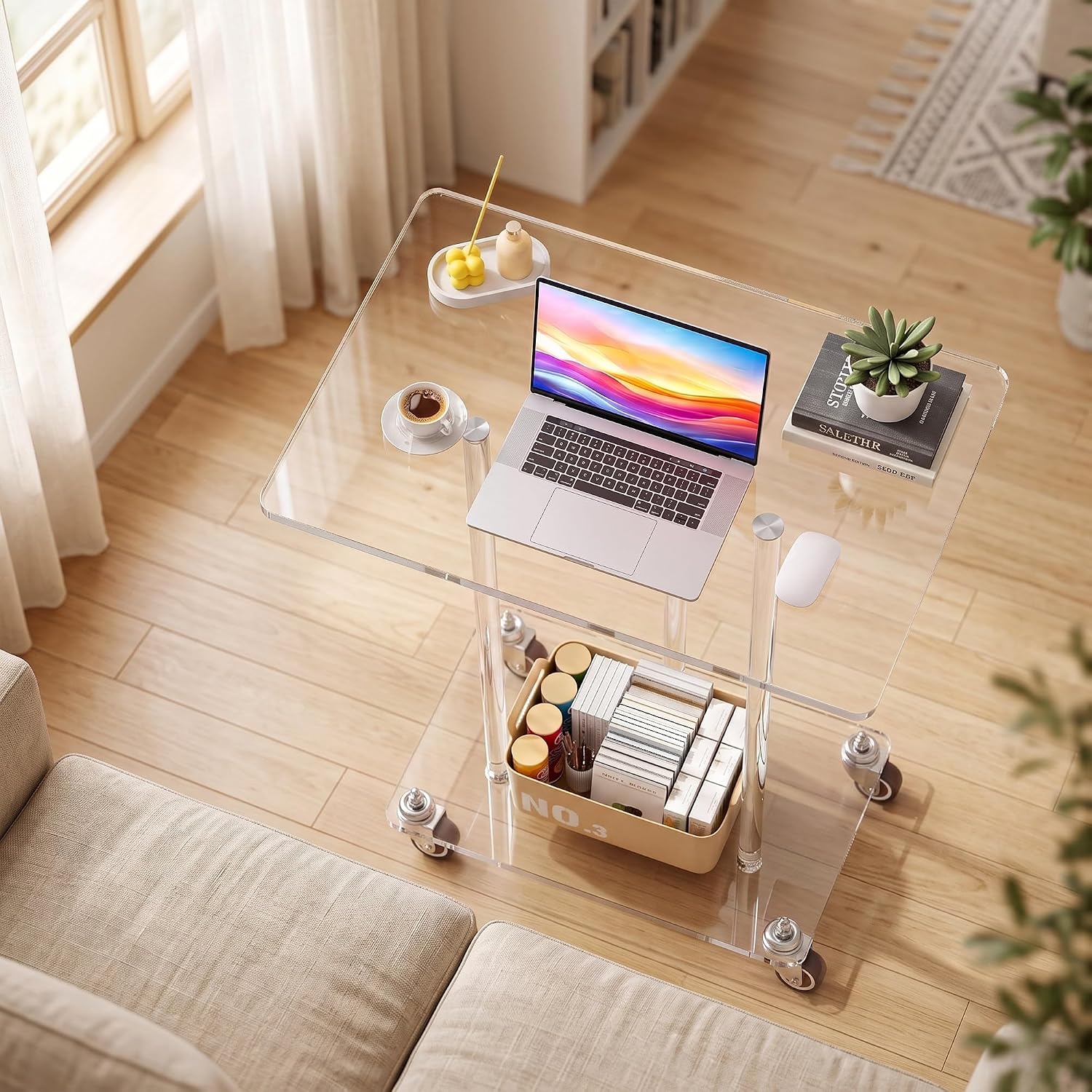
12. A Transparent Desk
An acrylic or glass desk visually takes up less space than a solid one, even at the exact same physical footprint.
This works best in a smaller, lighter room, where the desk's near-invisibility helps the whole space feel less crowded.


Conclusion
None of these 12 solutions require a dedicated room to work.
Pick the mechanism that matches the actual space available — wall-mounted, foldable, vertical, mobile — rather than trying to shrink standard office furniture to fit.
A small home office works when the furniture is built for the constraint, not just scaled down from something bigger.