
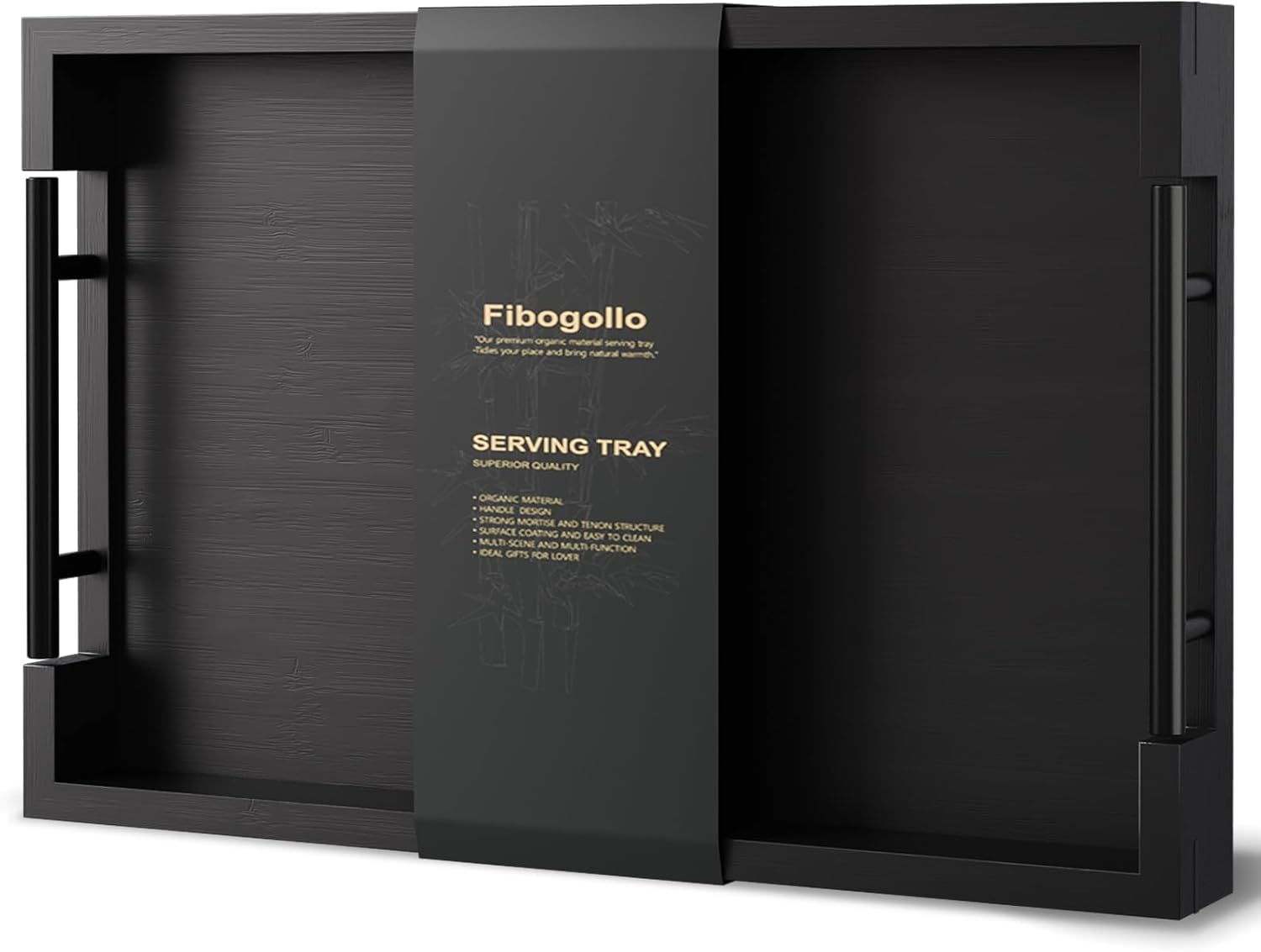
A woven tray works almost everywhere in a home, but it's rarely the tray itself that makes the spot look good.
It's what's on it.
The same tray reads completely differently depending on whether it holds candles, books or a drink setup.
Here's how to actually fill one, organized by what the tray needs to do rather than which room it sits in.


For Corralling Everyday Clutter
A tray's most practical job is containing the small stuff that otherwise spreads across a surface.
Keys, mail, loose change and a wallet all belong in one spot by the door, not scattered across an entryway console.
Remote controls and coasters work the same way on a coffee table.
The tray's edge does the actual organizing — everything inside it reads as intentional, everything outside it reads as clutter.


For a Drink or Bar Setup
A tray groups bottles, glasses and a small ice bucket into one movable unit.
This works on a bar cart, a sideboard, or even a kitchen counter that doubles as a casual bar.
Being able to lift the whole setup and move it — to a party, to a different room — is the real advantage over leaving bottles loose.
A cloth napkin folded underneath adds a bit of polish without any real effort.

For Candles and Ambient Objects
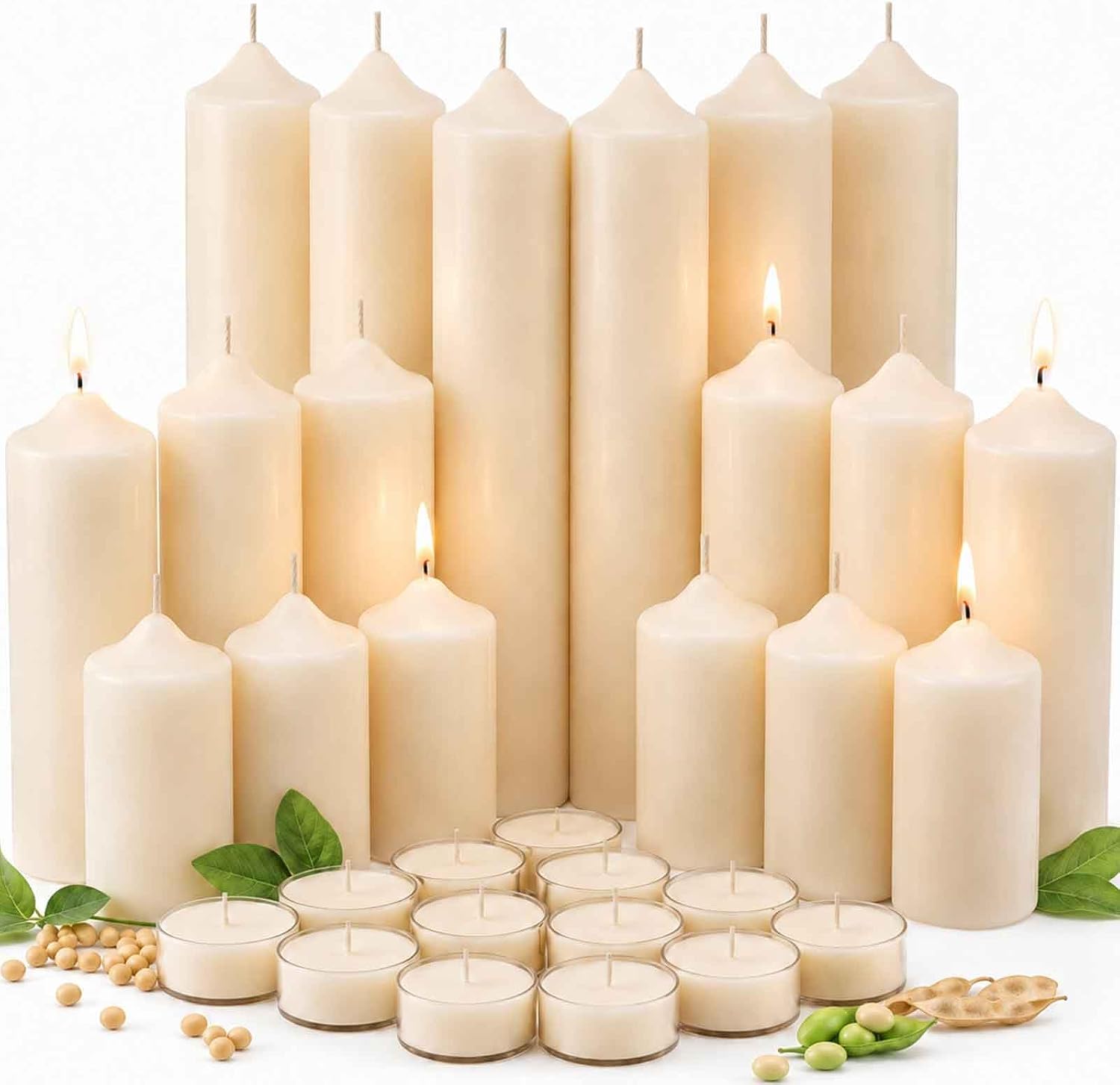
Grouping two or three candles of different heights on a tray keeps wax drips contained and makes the whole cluster look deliberate.
This works on a coffee table, a mantel, the edge of a bathtub, or a nightstand.
A single matchbox or a small lighter tucked in alongside the candles keeps everything needed in one spot.
Varying the candle heights, rather than lining up three identical ones, adds more visual interest.

For Plants and Greenery
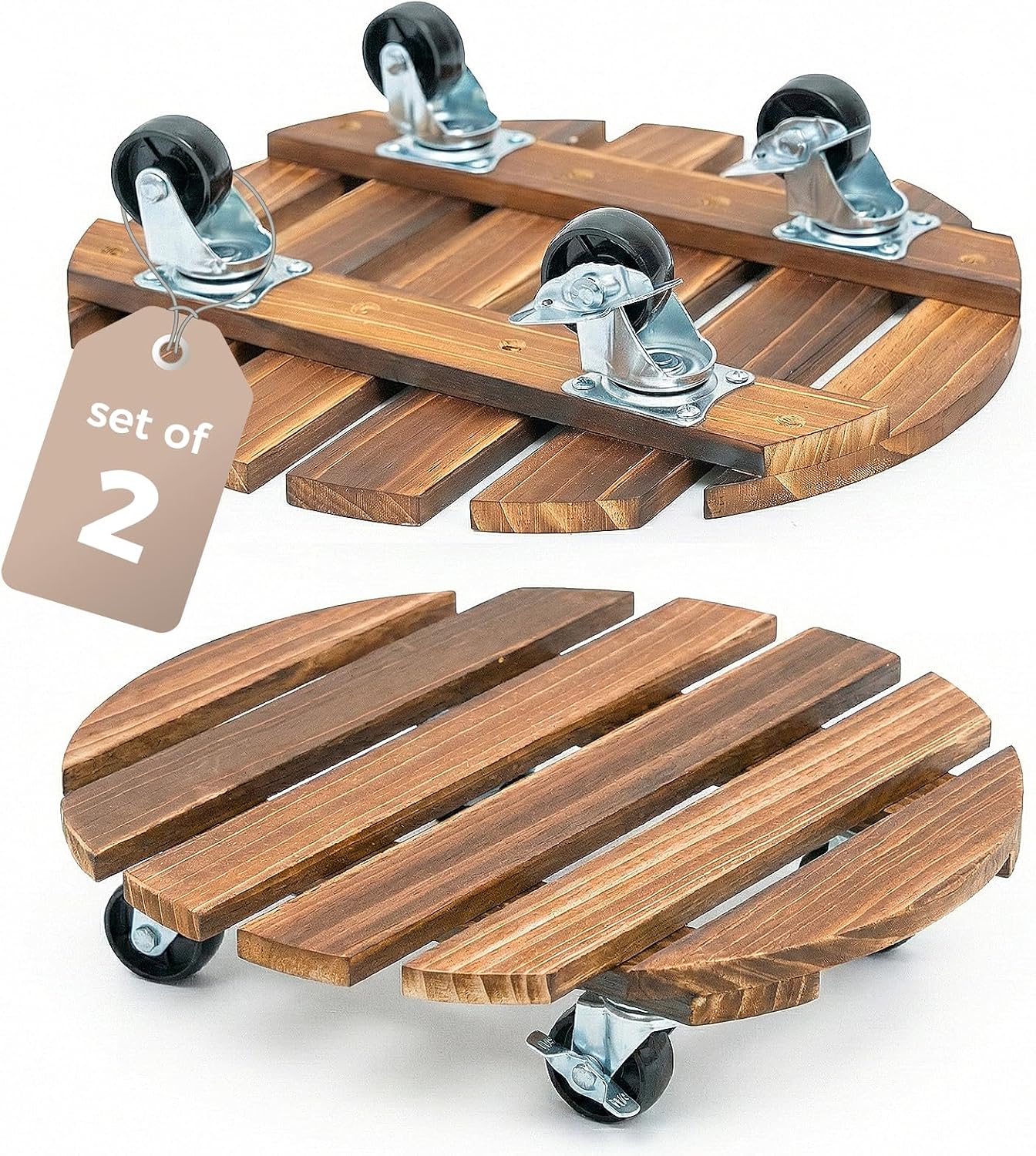
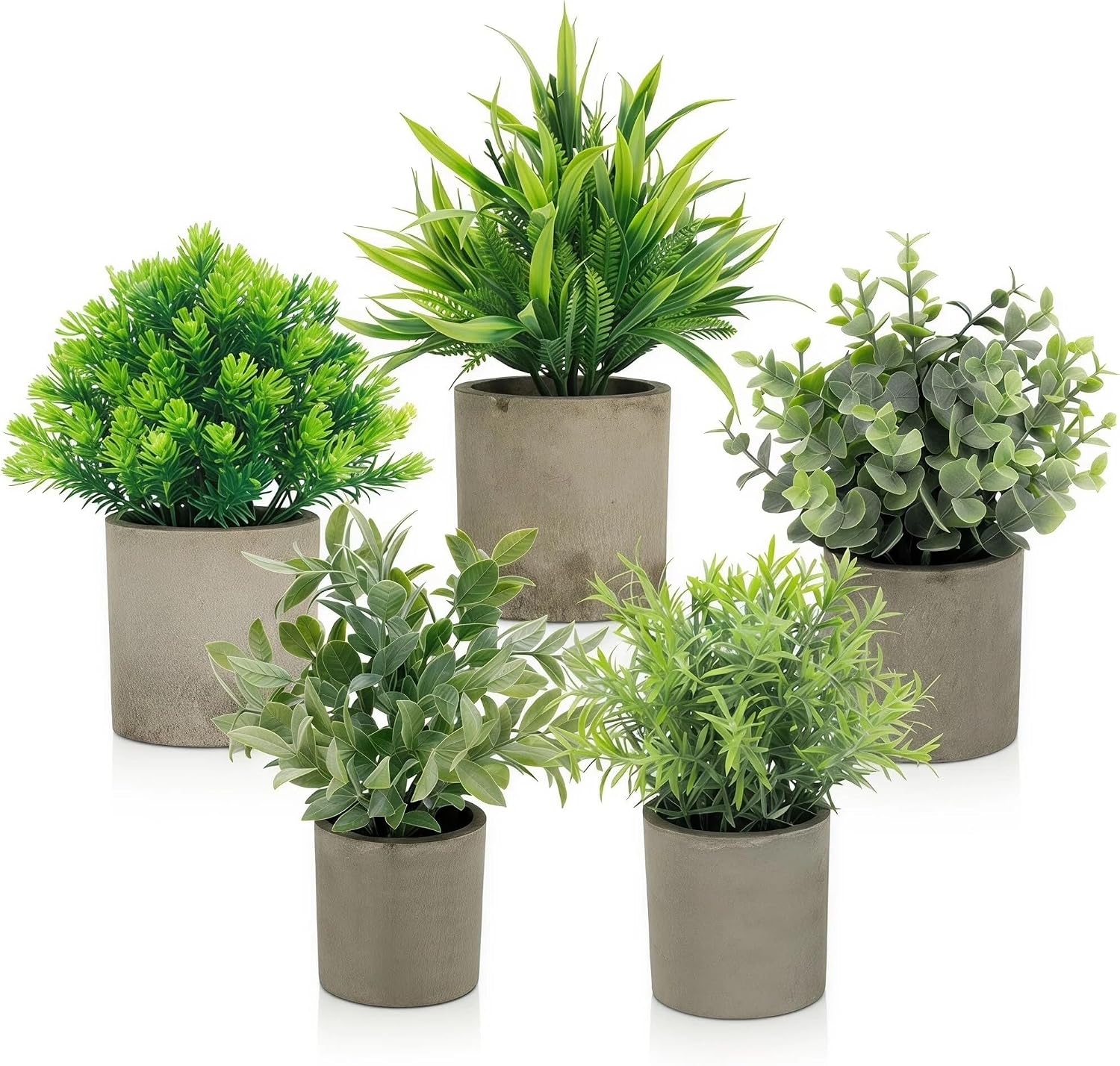
A tray catches water and soil mess from a small potted plant, protecting the surface underneath.
Grouping two or three small plants together on one tray reads as a mini garden rather than scattered pots.
This works equally well on a kitchen windowsill, a console table or an outdoor patio surface.
A tray with a slight lip or raised edge handles water better than a completely flat one.
For Books and Reading Material
A tray on an ottoman or ottoman-adjacent surface turns loose books and magazines into an intentional stack.
Topping the stack with a small object — a candle, a small dish — finishes the look without much effort.
This also works well in a window seat or reading nook, where books tend to pile up unstyled otherwise.
Two to four books is usually the right amount; much more starts to look like a tipping stack rather than a styled one.


For Bathroom and Vanity Essentials
Lotion, perfume and a few daily skincare items stay far more organized grouped on a tray than scattered across a counter.
It also makes wiping down the counter underneath faster — lift the tray, clean, set it back down.
A smaller, water-resistant tray suits a bathroom counter better than a large open-weave one, which can trap moisture.
This same logic applies to a dresser top or vanity table in a bedroom.


For a Coffee Station or Bar Cart Setup
A tray keeps syrups, a sugar bowl and spoons contained in one grab-and-go unit near the coffee maker.
It also makes cleanup faster when something inevitably spills during a rushed morning.
This same approach works for a tea station or a small home bar setup.
Keeping the tray's contents to daily essentials only prevents it from turning into general counter storage.


For a Seasonal Rotation
A tray makes seasonal styling easy to swap without redoing an entire surface.
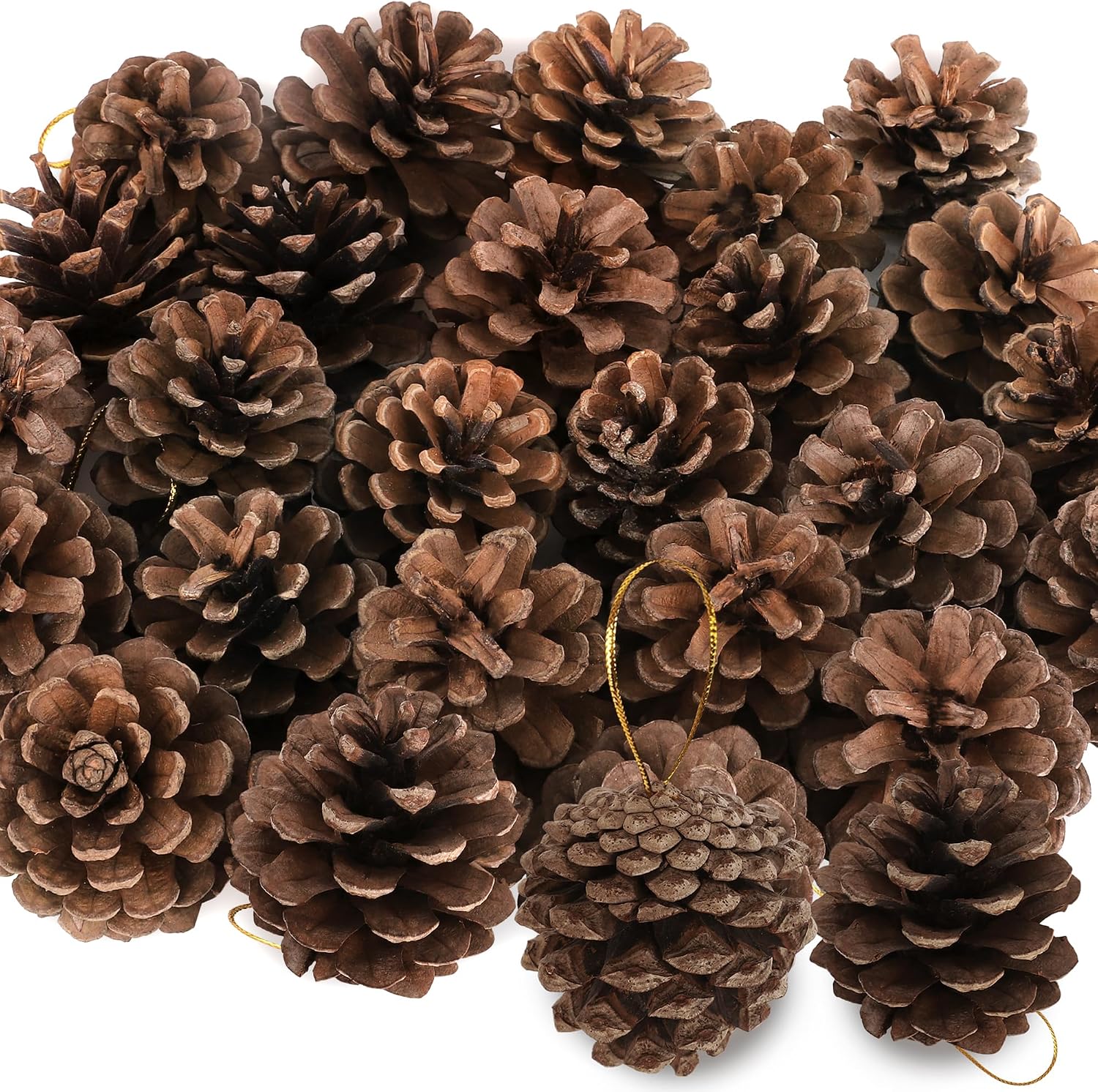
Fall gourds and pinecones give way to winter greenery, which gives way to spring bulbs or fresh flowers.
Keeping the tray itself constant and rotating only what's inside it is the fastest way to refresh a space through the year.
This works on nearly any surface already covered above — coffee table, mantel, console, dining table.

Common Mistakes Worth Avoiding
Overfilling the tray is the most common one — once items start overlapping or crowding the edges, the tray stops reading as organized.
Mismatched, random objects without a shared color or material thread tend to look unplanned rather than curated.
A tray that's too small for its surface gets lost; one too large overwhelms a narrow table.
And a tray that never gets used, sitting purely for show, usually ends up collecting dust rather than earning its spot.


Final Thoughts
The tray itself is almost never the interesting part.
What's grouped inside it — and how well that grouping matches what the surface actually needs — is what makes it work.
Start with the tray's job: clutter control, a drink setup, candles, books, or vanity essentials.
The right contents will usually make the choice of room and tray style obvious from there.